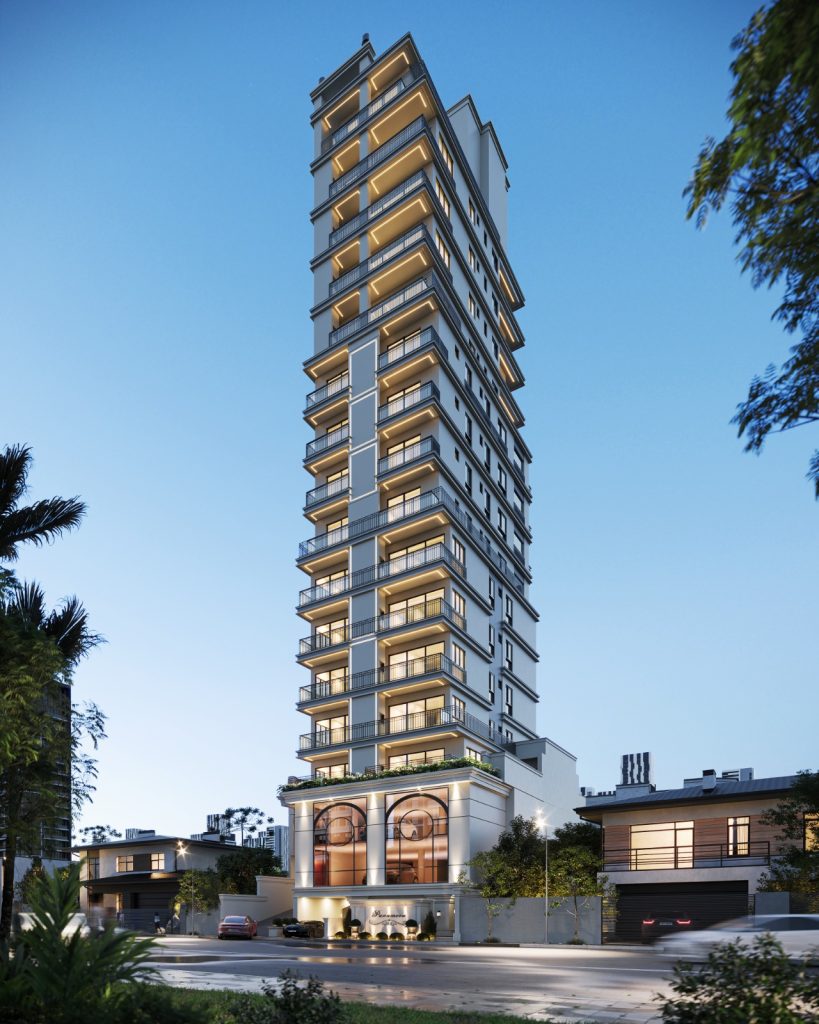
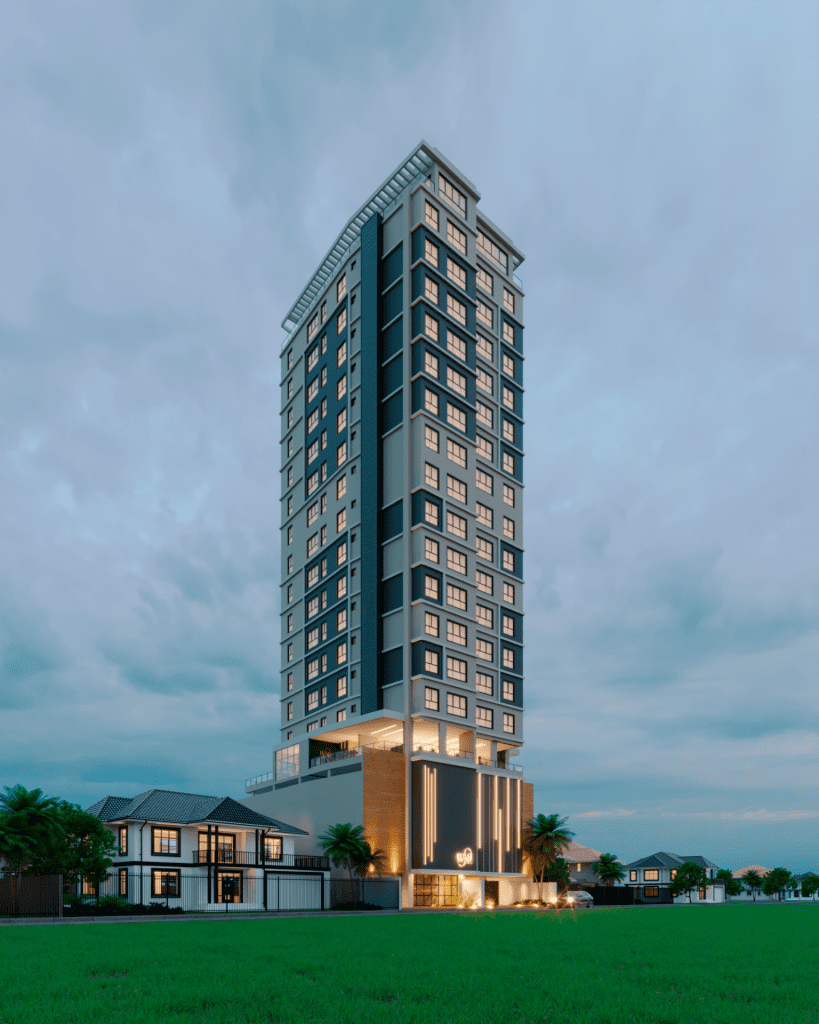
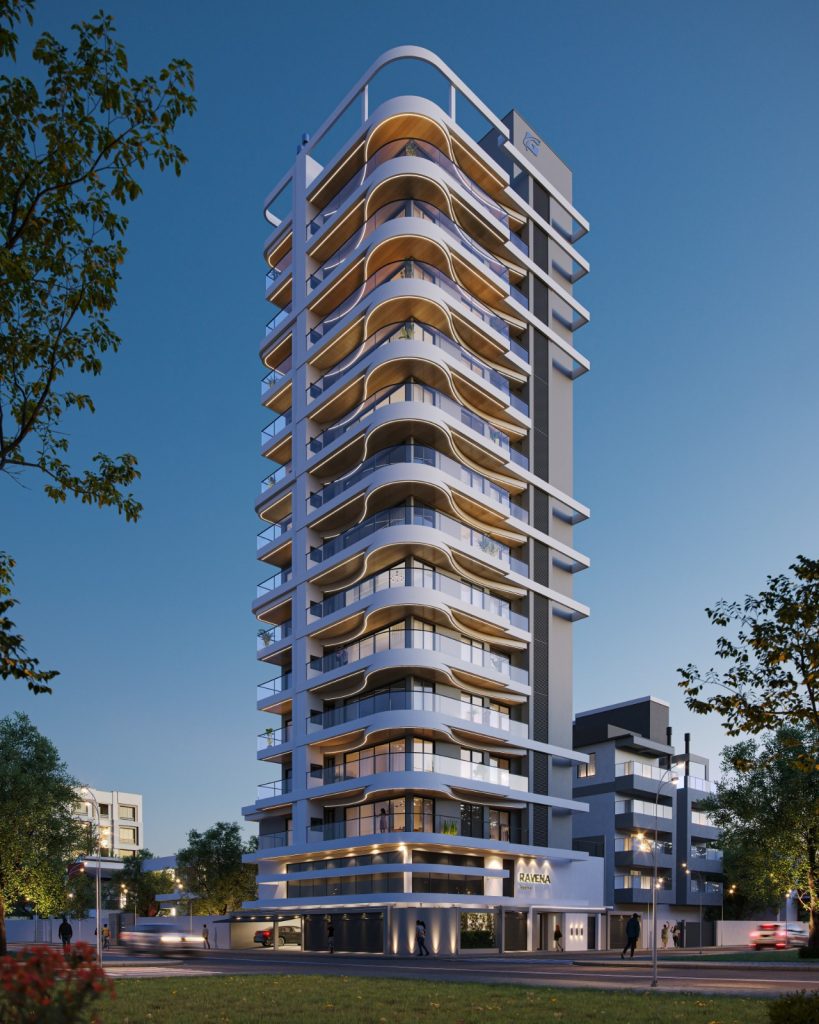
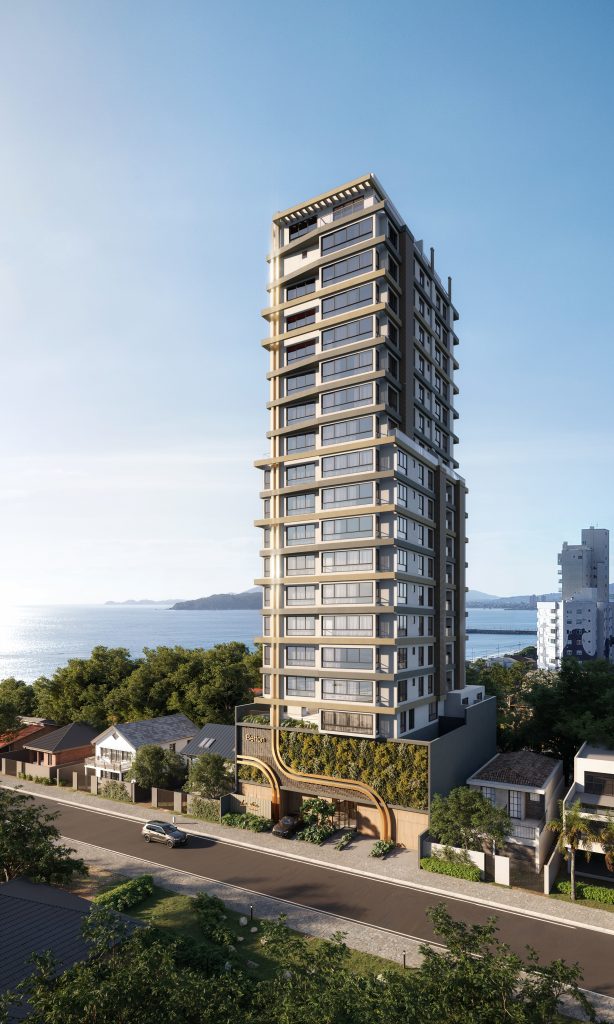
The Impact of the Coastal Environment on Structures
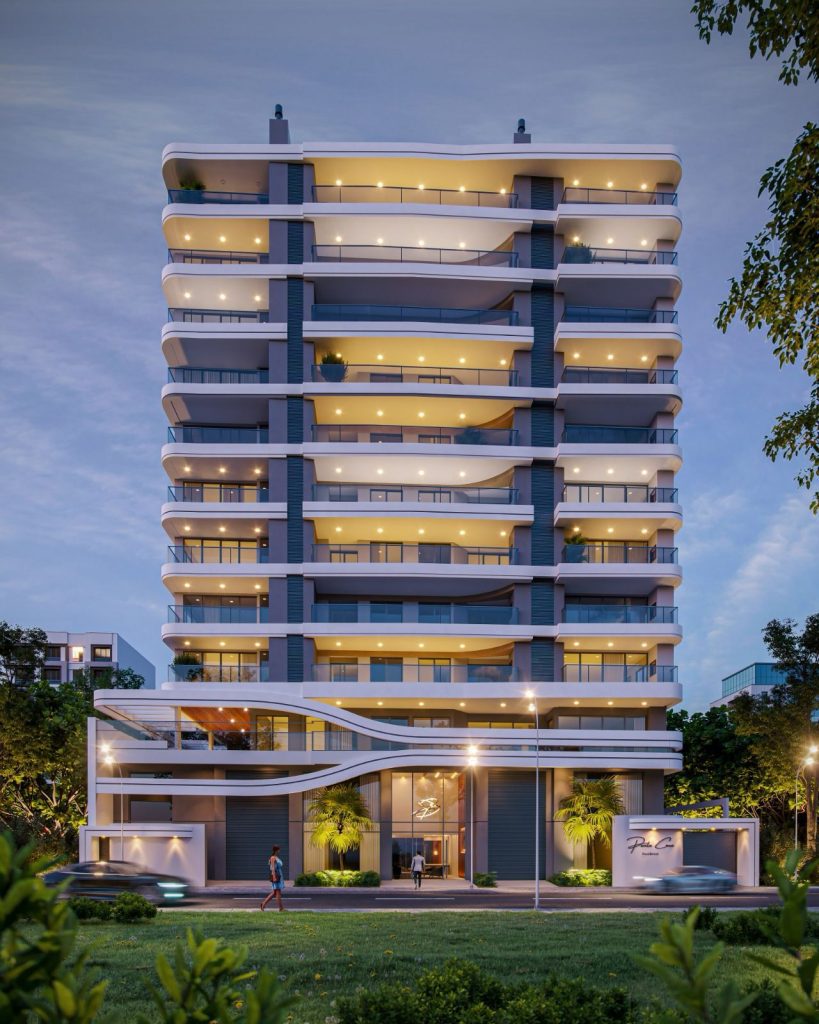
Sea spray represents a constant challenge for coastal buildings. Therefore, material degradation occurs at an accelerated pace. Consequently, metal structures and reinforced concrete suffer from severe oxidation. Furthermore, salt acts as a catalyst for corrosive processes. As a result, the integrity of your construction can be compromised in the short term.
The Relationship Between Cracks and Humidity
Existing cracks act as pathways that facilitate infiltration. For example, saline water penetrates deep into the inner layers of the concrete. However, the problem does not stop there. Once moisture enters, the internal reinforcement expands in volume. This leads to new cracks and spalling in the plaster. Therefore, conducting a rigorous technical inspection is fundamental to avoiding structural collapses.
Safety Norms and Standards
To ensure compliance, we strictly follow the parameters of NBR 15575. Thus, we establish clear criteria for building performance against aggressive external agents. Additionally, we apply this technical methodology to evaluate complex cases, such as structures near the Molhe da Barra Sul, where salt exposure is extreme. Therefore, technical forensics is not a cost, but a preventive shield for your assets.
How WGB Conducts Investigations
First, we perform a complete mapping of pathological manifestations. Next, we use high-precision equipment to measure the depth of the cracks. Furthermore, our team analyzes concrete carbonation. Consequently, we deliver a precise diagnosis for each case. Thus, WGB Architecture and Engineering offers durable solutions, transforming serious problems into resilient and safe structures.
Protect your investment and ensure the longevity of your building through technical forensics for construction in Itapema tailored to our coastline’s reality.