

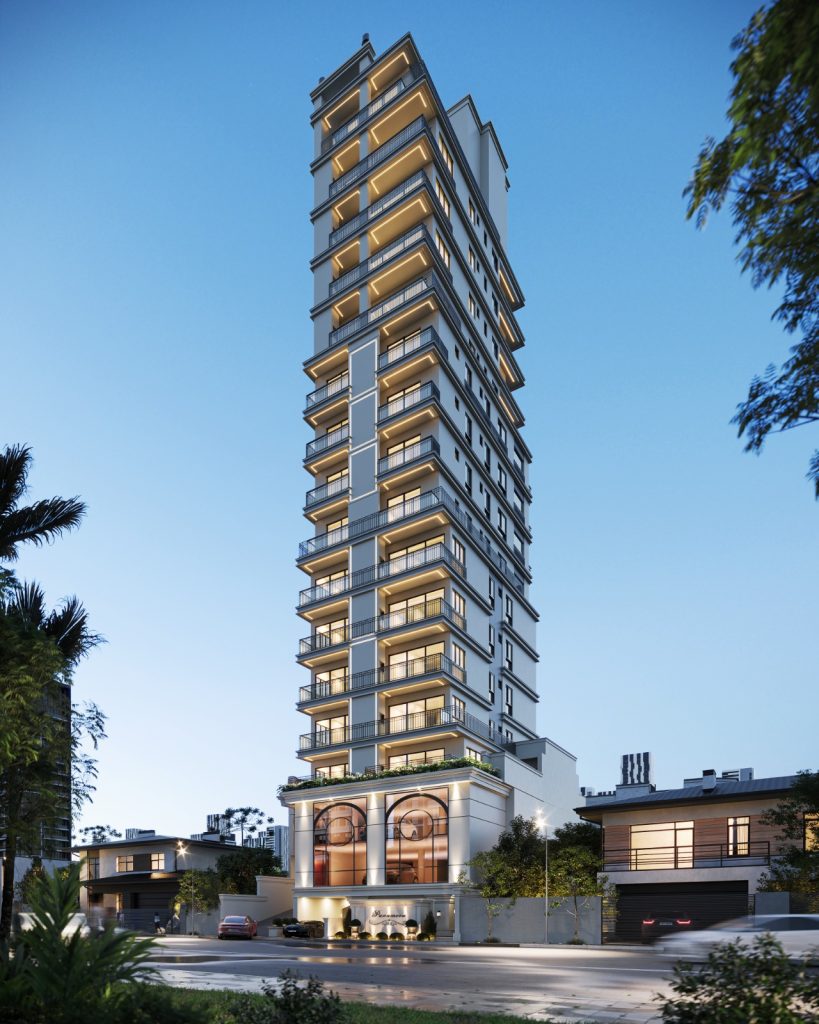
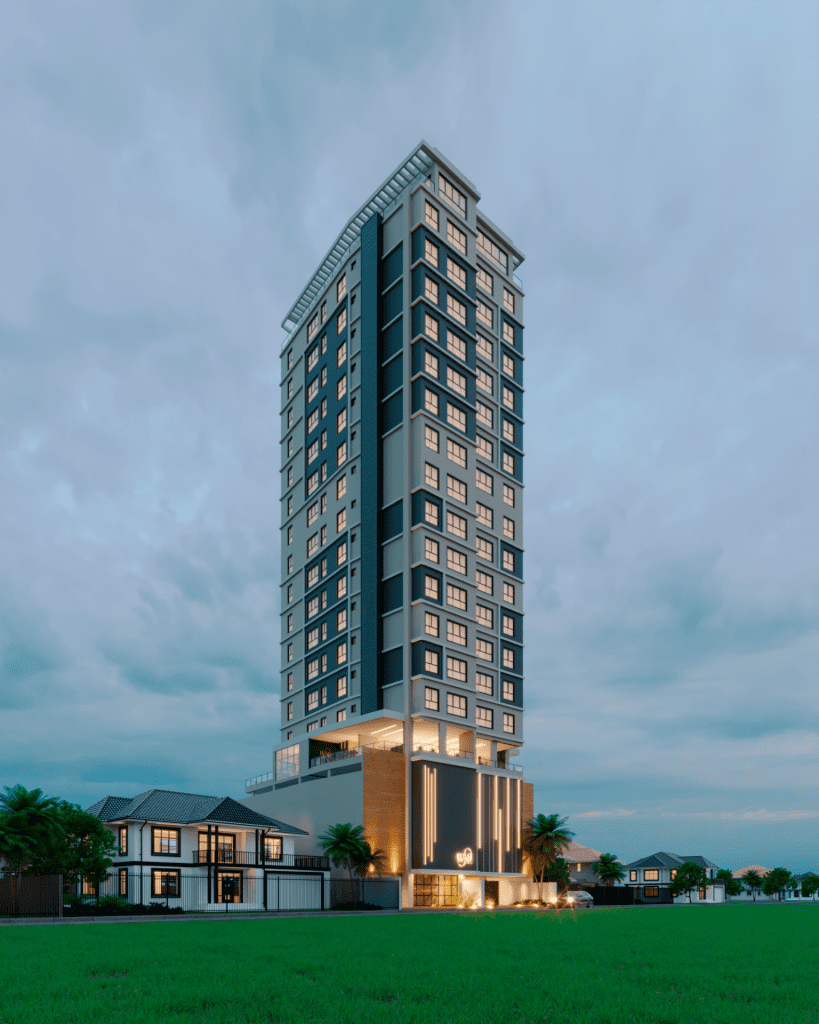
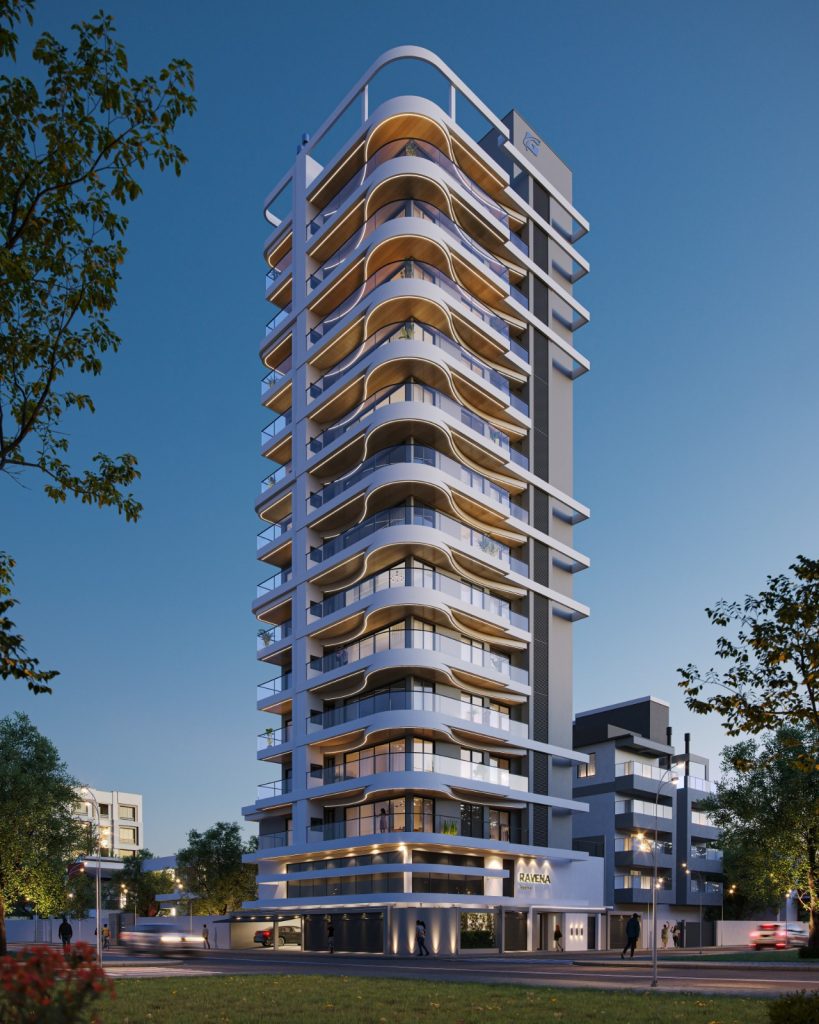
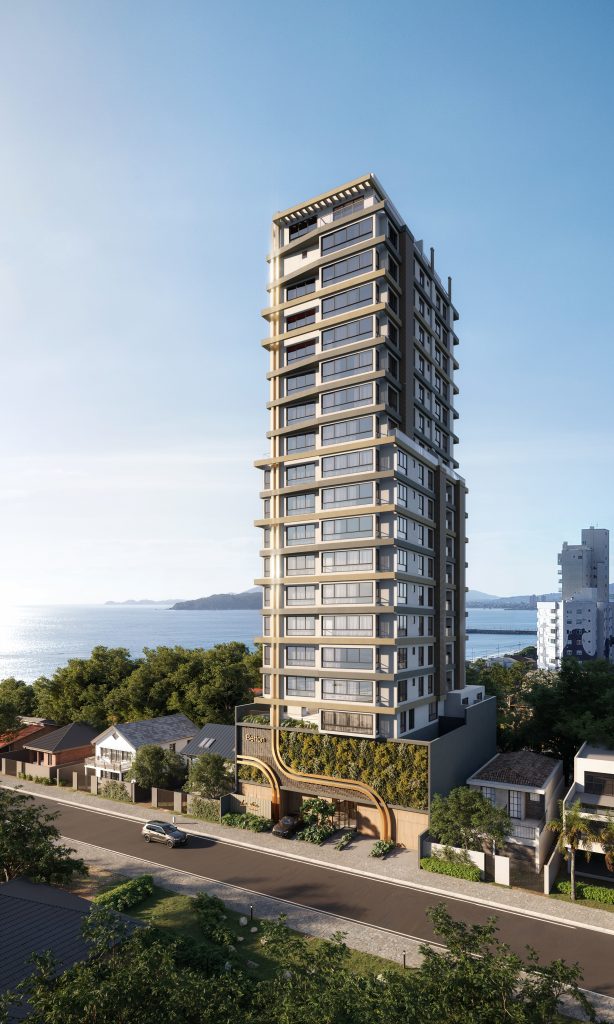
Analysis of the financial landscape, supply chain logistics, and regional budget challenges.
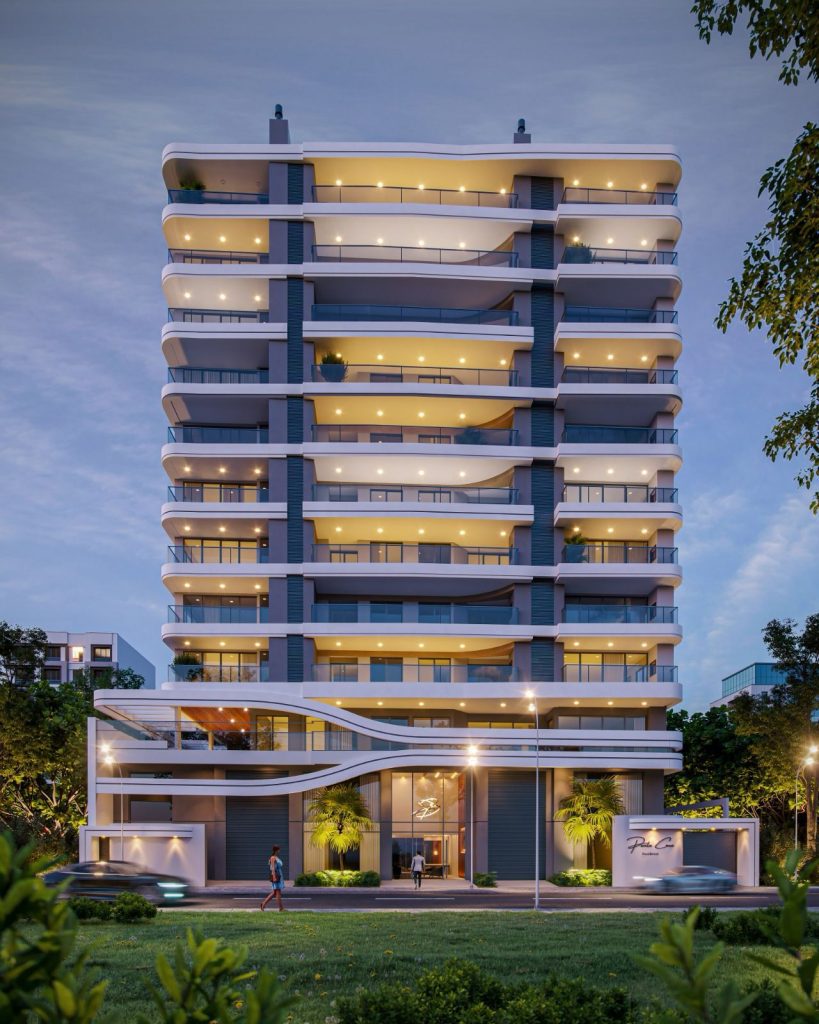
Balneário Camboriú boasts one of the most highly valued real estate markets in Brazil. However, this valuation brings unique technical challenges. Proximity to the ocean, aggressive salt air, and sandy geology create a scenario where maintenance costs cannot be underestimated. Investing in preventive engineering is not just a technical choice; it is a financial asset protection strategy.
The regional CUB (Building Unit Cost) fluctuates constantly due to high demand for high-end materials and a shortage of skilled labor. Without rigorous financial planning, what should be a facade maintenance cost becomes a real estate liability. WGB Architecture and Engineering understands that, in BC, economies of scale in purchasing specific corrosion-resistant materials are the first step toward success.
Logistics in a high-density city like ours impose severe bottlenecks. Freight costs and restricted loading/unloading hours along the waterfront increase the final cost per square meter. Ignoring logistical costs during planning invariably means sacrificing a profit margin that could have been reinvested into the project’s final quality.
Mapping bottlenecks, frequent costing errors, and capital leakage points on the construction site.
Financial waste in facade and soil works almost always arises from a lack of deep analysis into pre-existing or potential pathologies. Without a well-executed neighbor survey report, the developer assumes extreme financial risks for damages to third parties. The main points of capital leakage are:
- Incomplete Project Review: Lack of detailing in frames and expansion joints leads to rework, which costs on average 20% more than correct initial execution.
- Geotechnical Negligence: The soil in Balneário Camboriú requires constant monitoring. Lack of precise reports on water table behavior results in poorly sized foundations, increasing costs by 15% during the containment phase.
- Supply Management: Last-minute purchases to replace materials damaged by sun or rain represent a price premium of up to 30% compared to scheduled procurement.
Every management error has a direct impact on the return on investment (ROI). When we confuse natural wear—provided for in the service life of materials under ABNT NBR 12721—with pathologies caused by construction defects, we miss the opportunity to mitigate losses through contractual warranties.
WGB’s methodology and preventive engineering strategies to maximize project profitability.
WGB operates under the premise that engineering is the most powerful financial management tool a developer possesses. Our methodology is divided into three pillars to optimize the budget:
First, we perform financial risk mapping. We assess whether soil pathology, for example, is the result of a drainage failure that could be solved with a low-cost preventive intervention, or if it requires a deep foundation that demands budget realignment. We avoid “patchwork fixes,” which only hide the problem and generate new costs in the short term.
Second, we apply monitoring technology. By distinguishing construction-related damage from natural wear, we reduce litigation costs and ensure building sustainability. Finally, we focus on quality management. Implementing cash flow controls based on actual physical and financial schedules allows the investor to know exactly how much is being spent and, more importantly, where savings can be generated without compromising the luxury standards demanded by the local market.
Sensitivity Table for Costs and Regional Logistics
| Material Category (ABC Curve) | Local Logistical Impact | Price Fluctuation Risk | WGB Storage/Purchase Strategy |
|---|---|---|---|
| Special Mortars and Coatings | High (Access Restriction) | Medium | Scheduled purchase with local supplier |
| Containment Elements | Very High (Complexity) | High | Future supply contract |
| Frames and Ventilated Facades | Medium (Import/Customization) | High | Early purchase and price locking |
| Concrete Additives (Anti-corrosion) | Low (Volume) | Low | Batch purchase for full project |
Frequently Asked Questions About Budgeting and Costing
Why can the cost of a neighbor survey be considered a saving?
The value invested in a rigorous survey is negligible compared to the costs of a lawsuit for moral damages or soil pathologies affecting neighboring properties. In Balneário Camboriú, where construction sites are adjacent to high-end buildings, this measure preserves the asset and eliminates risks of project interruption, which would cost millions in lost profits.
How does WGB differentiate natural wear from construction errors?
We use the construction execution timeline and ABNT standards. If damage to a facade appears before the service life specified in the Owner’s Manual and performance standards, we diagnose the technical origin and the financial party responsible, protecting the developer’s budget against undue repairs.
Does financial planning hinder project agility?
Quite the contrary. Advanced planning allows materials to arrive at the exact moment needed, without unnecessary storage or material shortages. This accelerates the schedule by up to 15%, reducing fixed site costs such as personnel and equipment rental, while also preventing the project from losing financial momentum halfway through.
Managing your asset with financial intelligence is the difference between a profitable project and a recurring cost. To transform your property, speak with WGB Balneário Camboriú and ensure maximum efficiency and predictability at every stage of your project.