

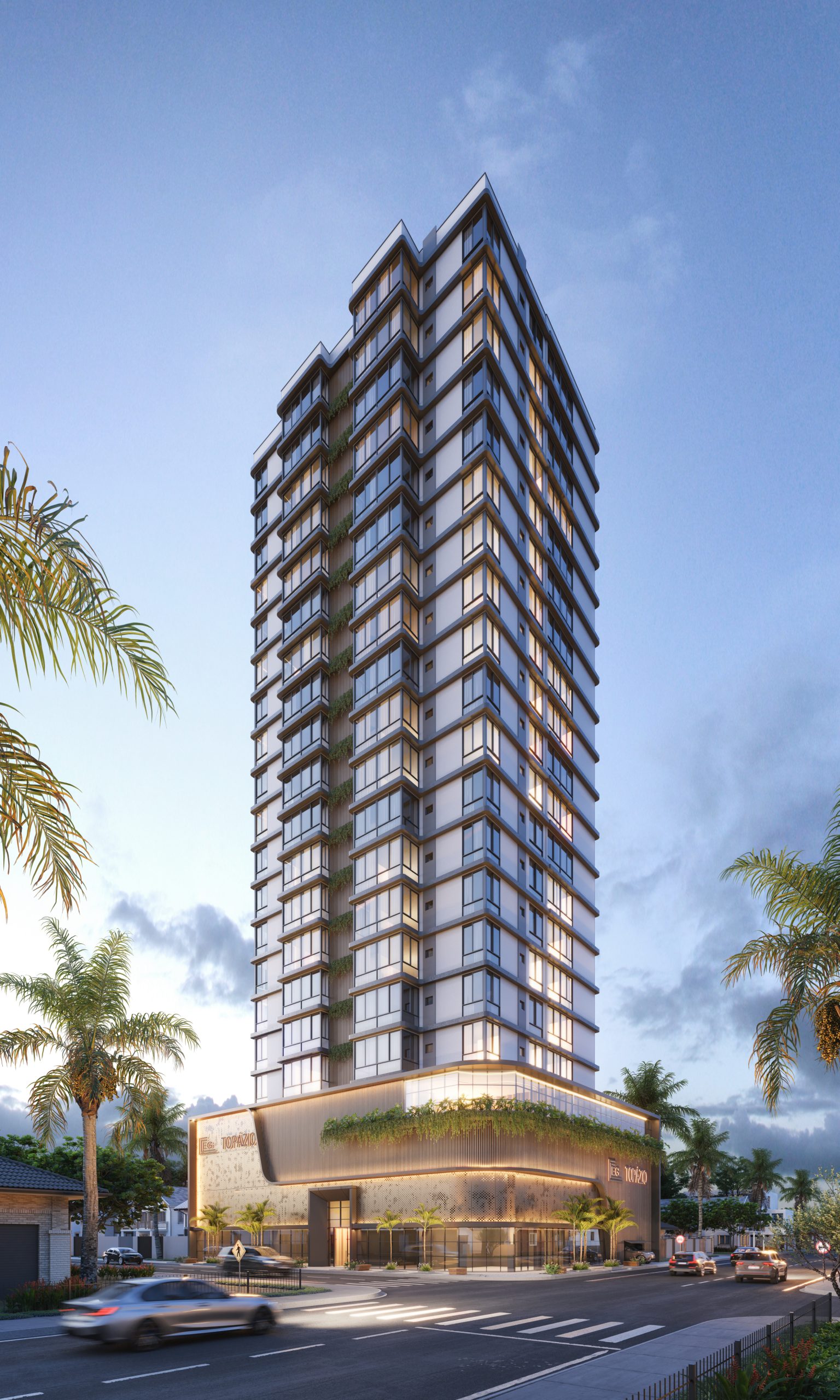
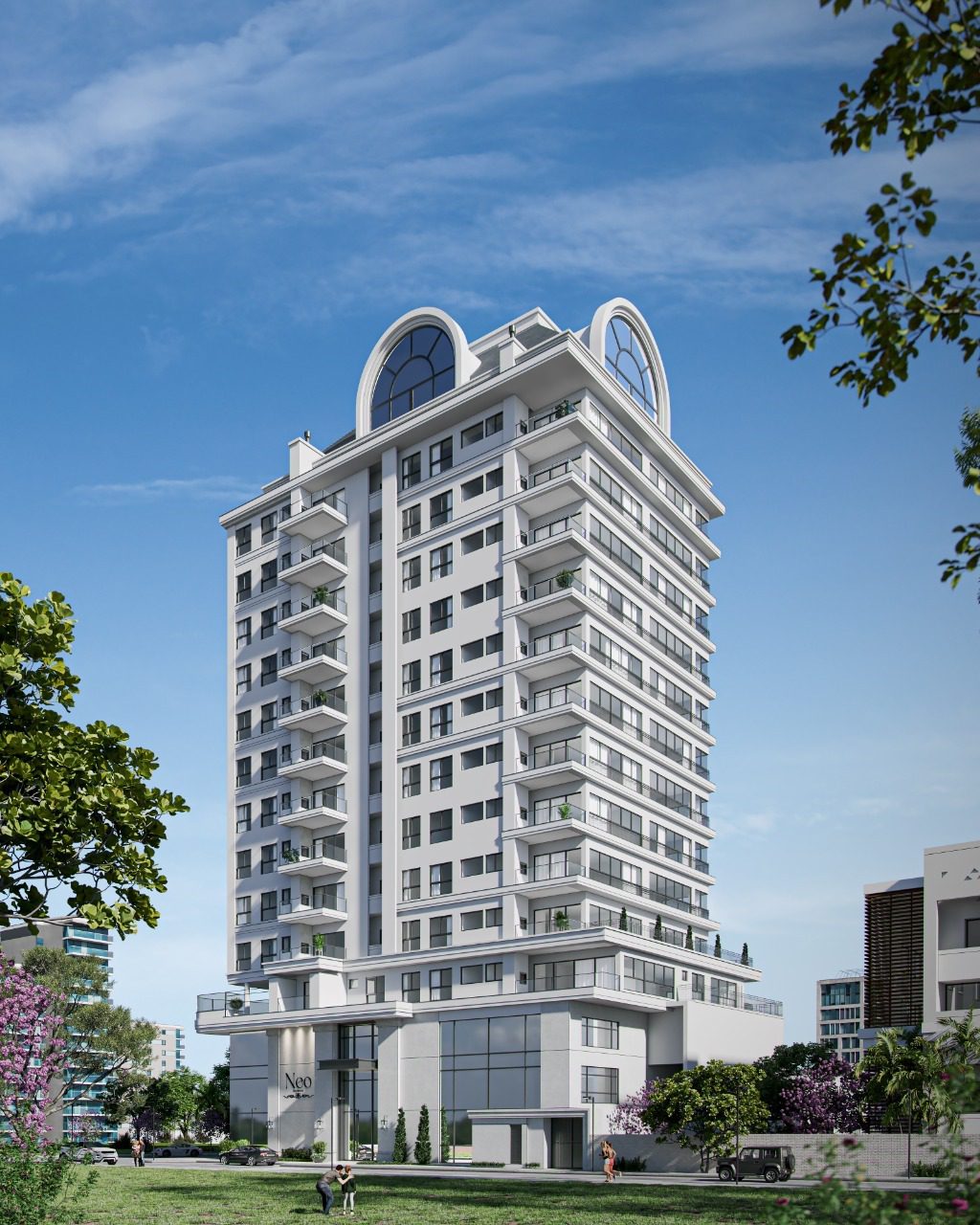
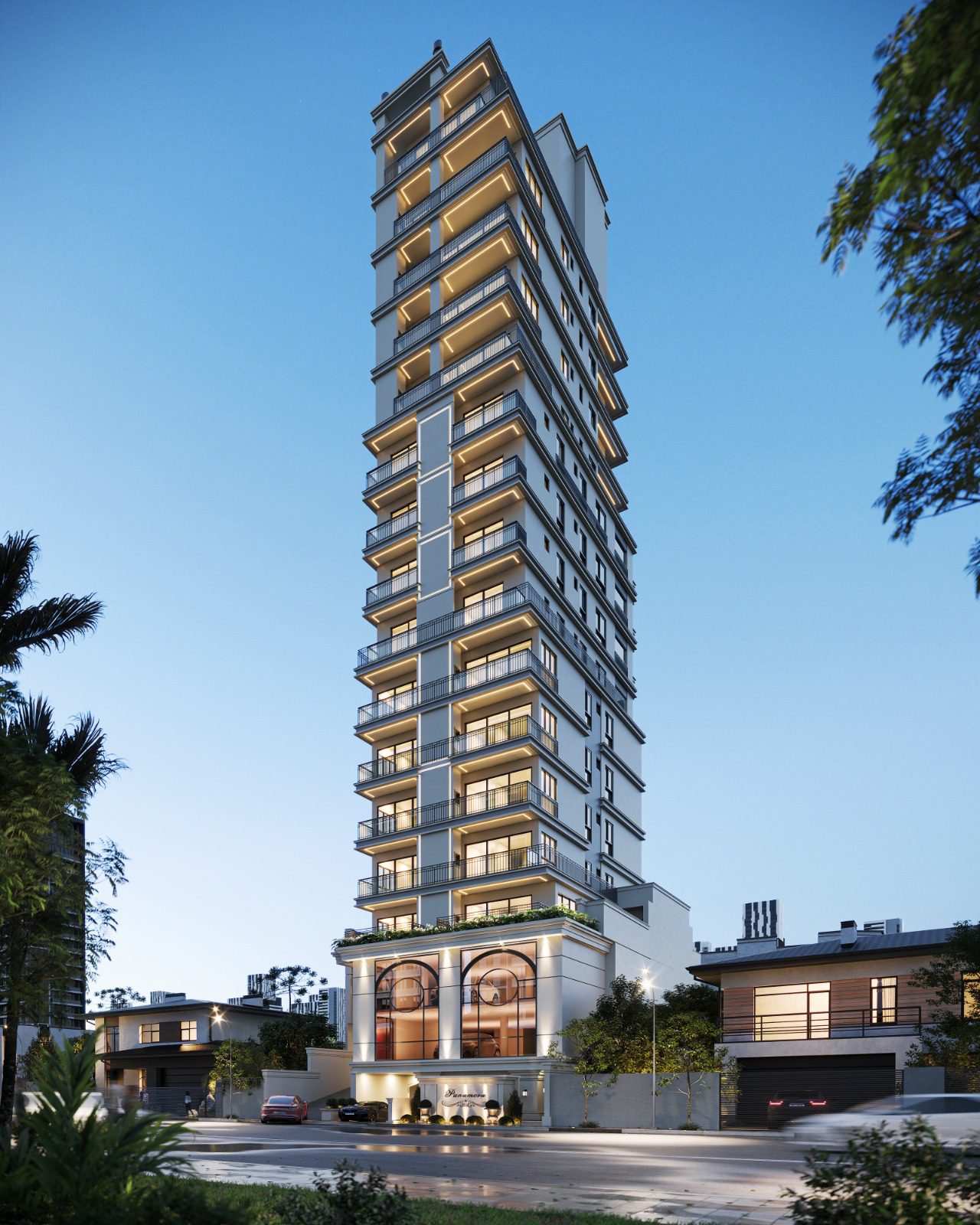
The Challenge of Wind Loads on Tall Buildings
A wind action This constitutes the main horizontal force in multi-story buildings. Furthermore, the increased height enhances aerodynamic effects on the structure. Therefore, designers must consider not only static forces but also dynamic oscillations. In this sense, wind acts in a complex way on external surfaces. To ensure safety, structural engineering uses rigorous mathematical models. For example, the NBR 6123 standard regulates these calculations in Brazil. However, very slender buildings require precautions that go beyond basic regulations.
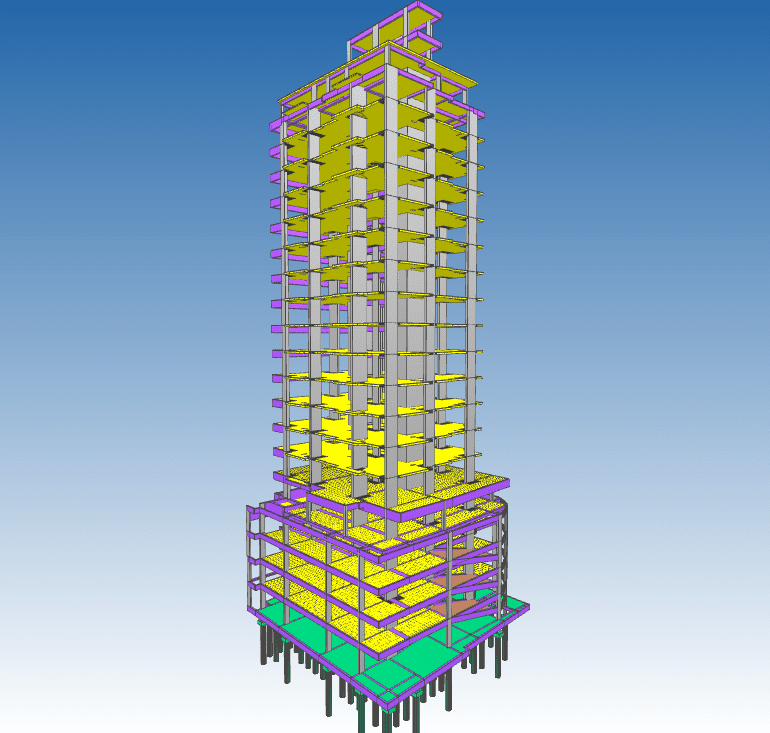
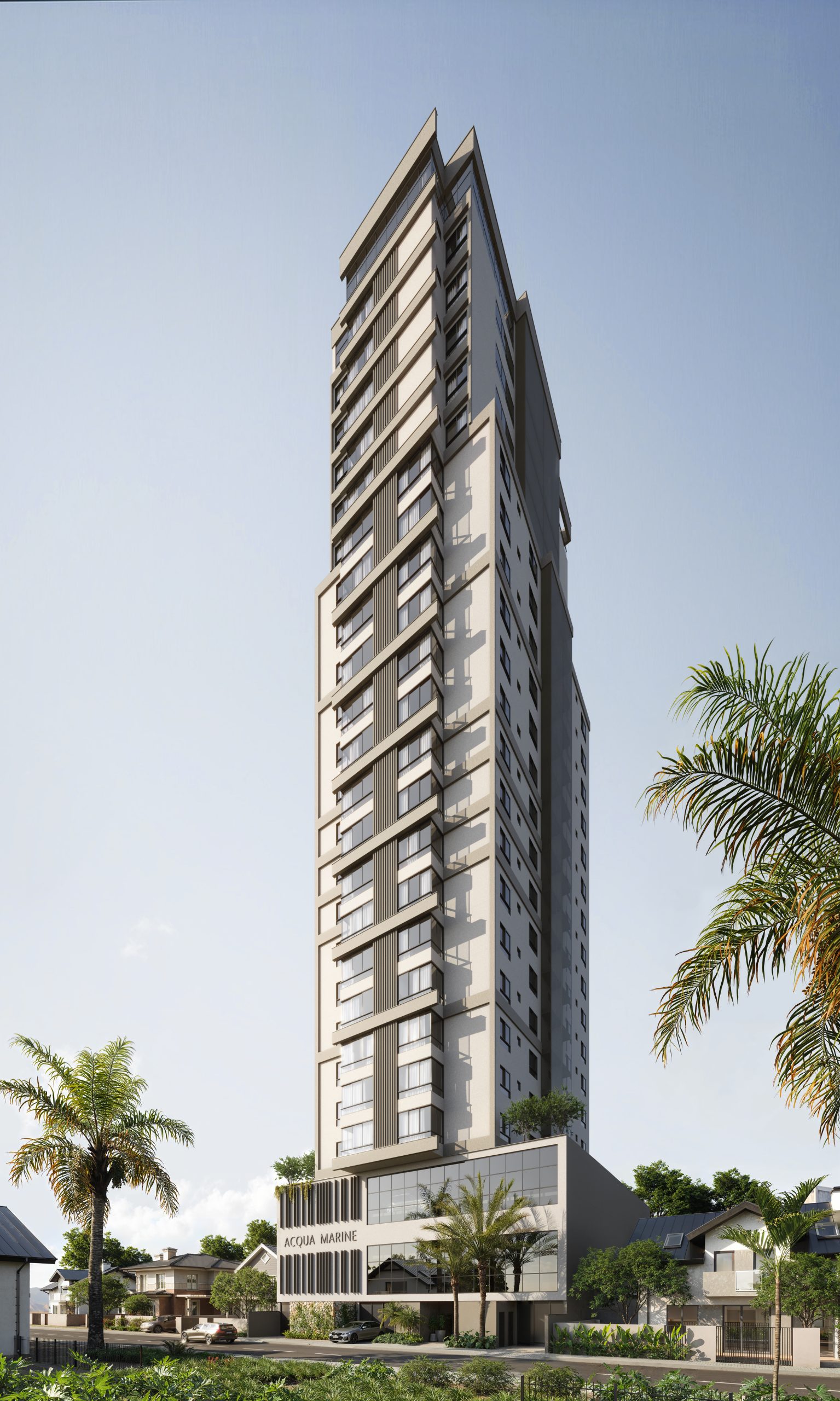
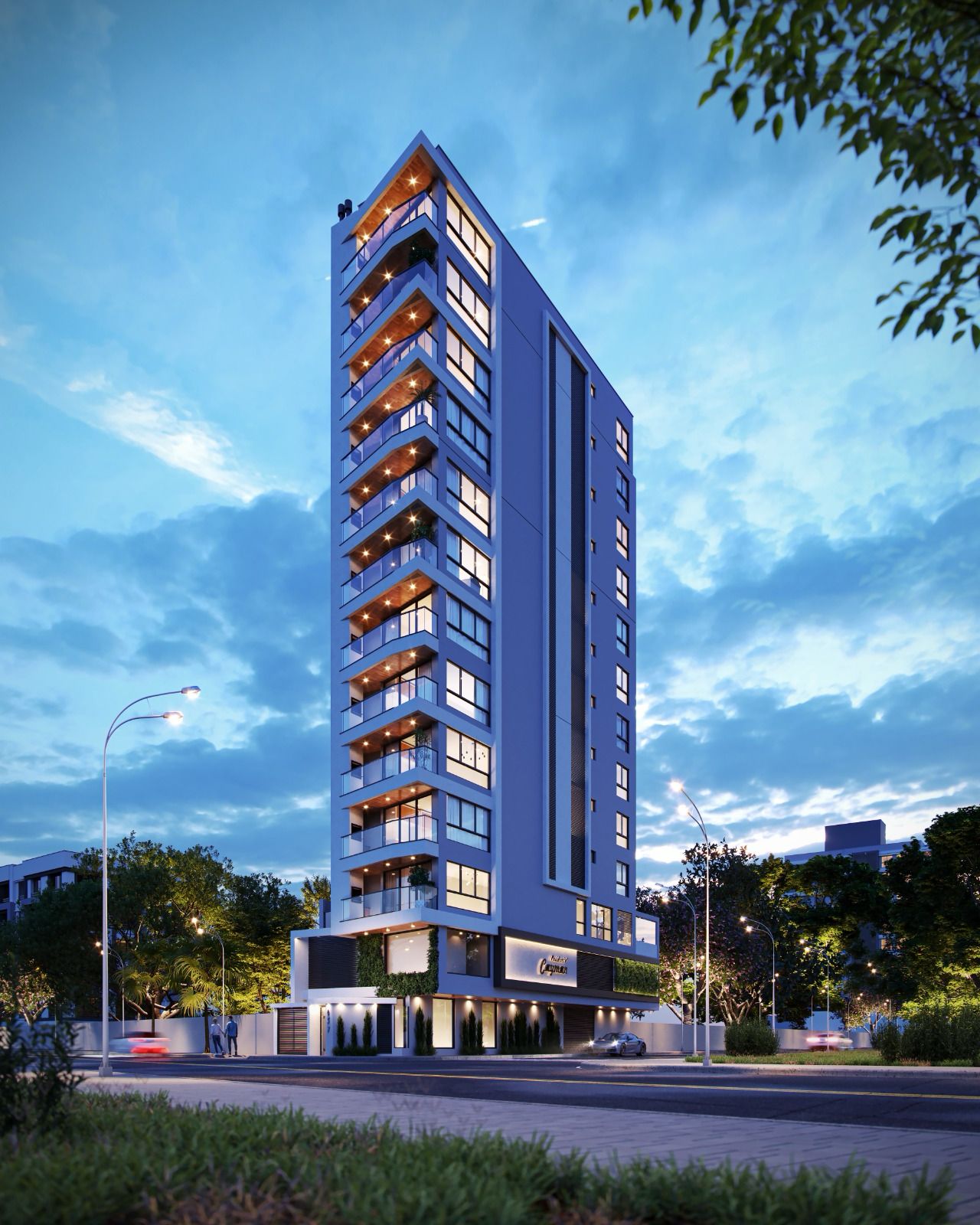
Tall buildings function like large cantilever beams. Therefore, the base of the building experiences significant bending moments. Additionally, wind pressure increases proportionally to the height above the ground. Consequently, the structural design must include efficient bracing systems. Thus, reinforced concrete walls and elevator cores typically absorb these forces. Therefore, the overall rigidity of the structure becomes the determining factor for the success of the project. Conversely, a lack of planning can lead to cracks or discomfort for users.
Static Effects versus Dynamic Effects
The wind exerts direct pressure on the building's facade. Above all, this force generates a horizontal displacement known as 'drift'. Furthermore, variations in wind speed create intermittent pressures. Consequently, the building enters a state of constant vibration. For this reason, engineers differentiate between static wind and dynamic wind effects. On the other hand, the structural response depends on the building's mass and damping. Thus, the lighter the structure, the greater its sensitivity to gusts.
The phenomenon of resonance represents a real danger for vertical constructions. In this context, the building's natural frequency must diverge from the wind excitation frequency. Otherwise, the oscillation amplitudes can grow uncontrollably. Furthermore, atmospheric turbulence adds an extra layer of uncertainty to the calculation. Therefore, the use of finite element software becomes indispensable. Indeed, these tools simulate the real behavior of the tower under various climatic conditions.
Vortices and Aerodynamic Instabilities
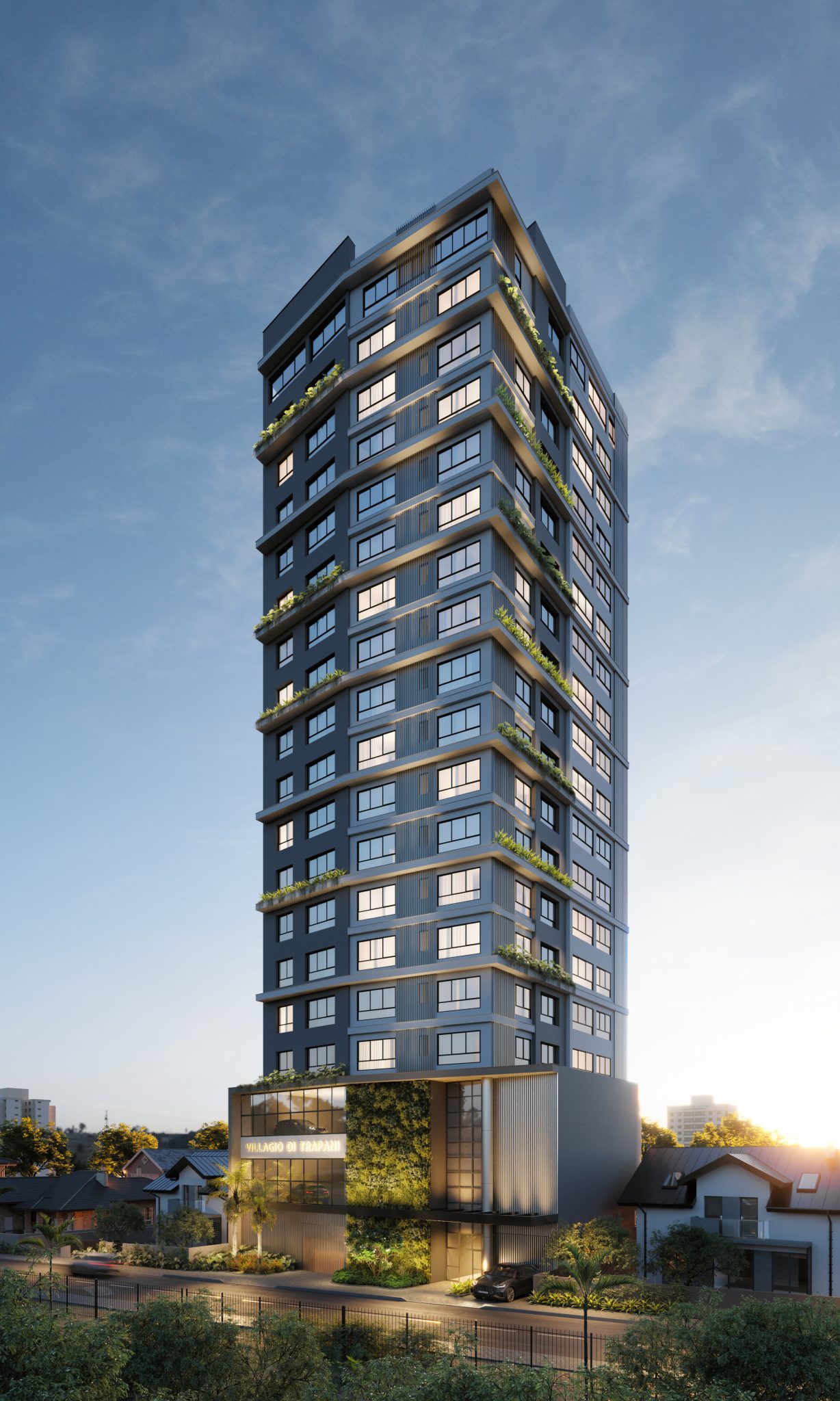
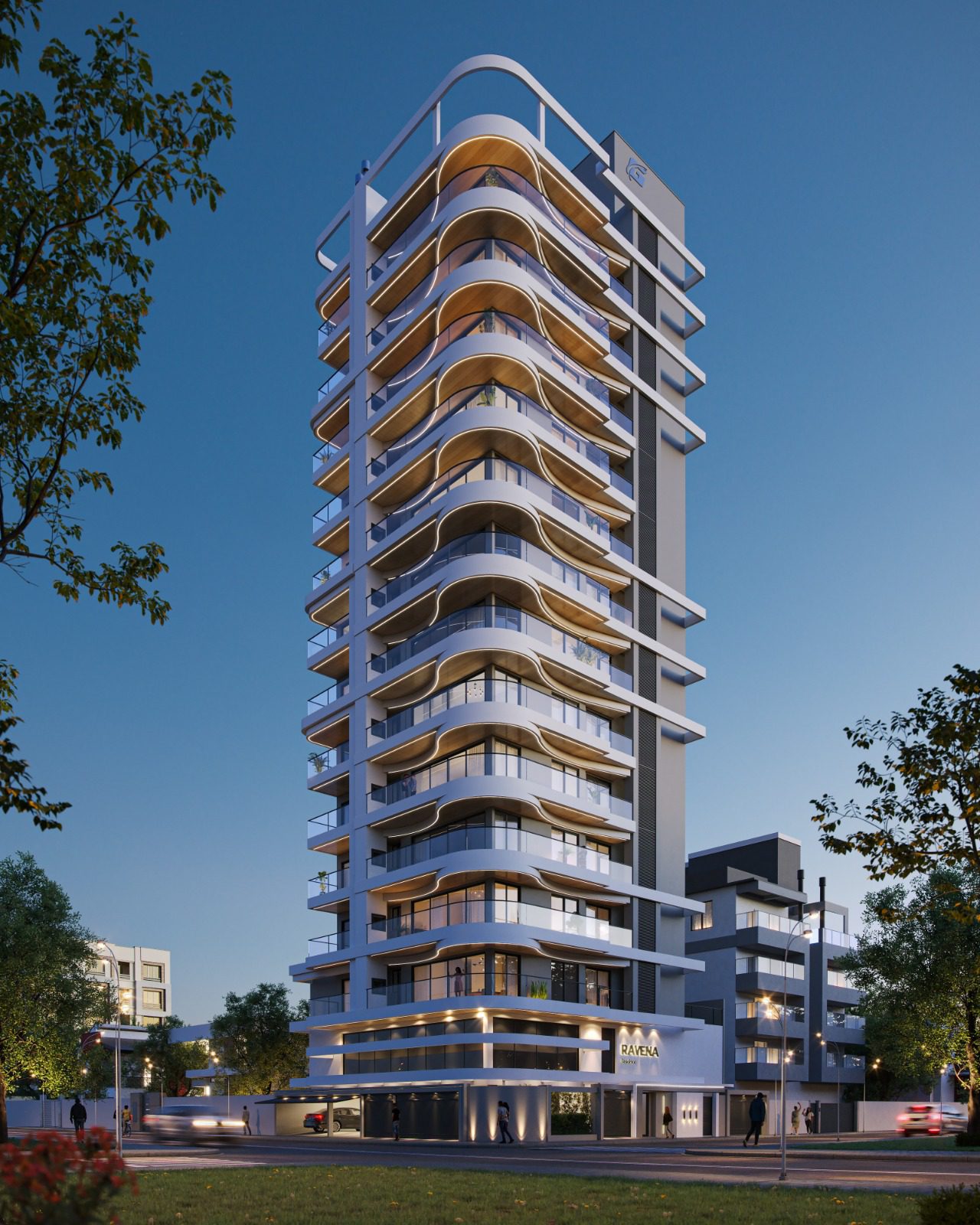
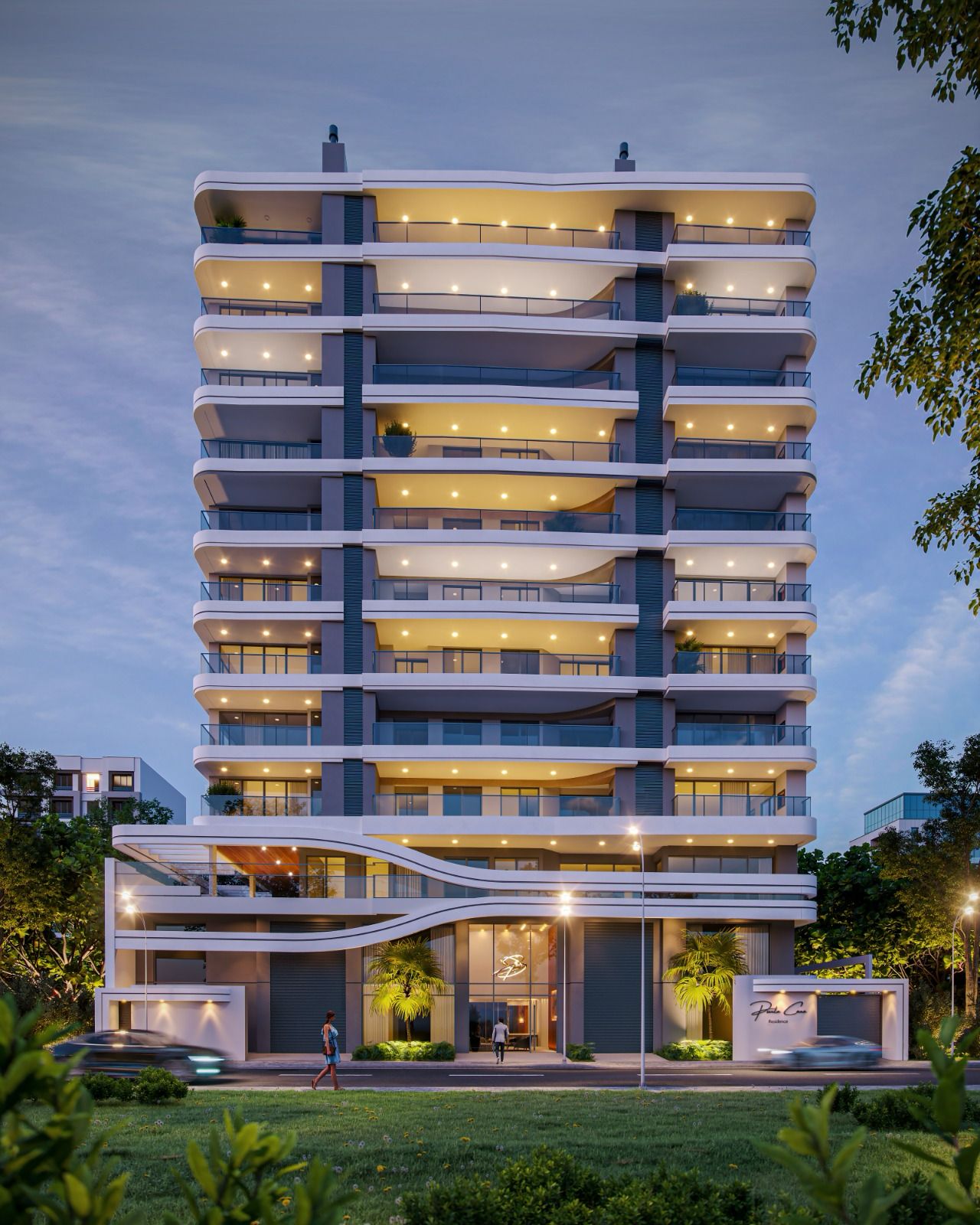
One of the most critical phenomena in wind action It is the release of vortices. For example, when the wind blows around the edges of a building, it creates alternating eddies. In this way, forces arise that are transverse to the main direction of the wind. As a result, the building can sway laterally in a pronounced way. However, adjustments to the architectural geometry can mitigate this effect. For this reason, many architects use rounded or chamfered corners in tall towers. Additionally, openings in the facade help to equalize the pressures between the faces.
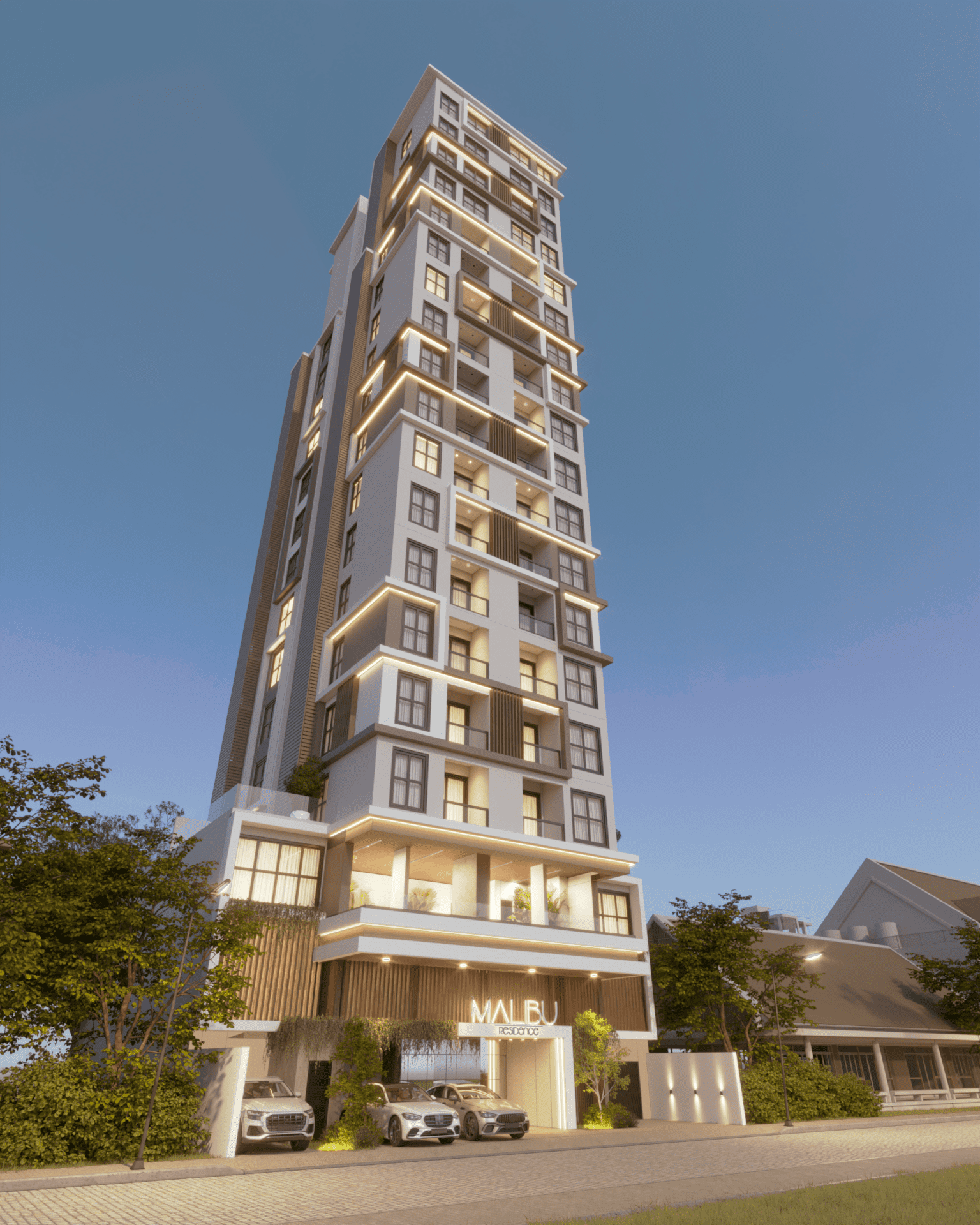
Another relevant point concerns aeroelastic stability. That is, the interaction between the deformation of the structure and the airflow. Consequently, very flexible buildings can suffer from galloping or flutter phenomena. Furthermore, the surrounding environment directly influences the wind flow. For example, neighboring buildings can create a funneling effect, increasing the local wind speed. Therefore, the designer must analyze the entire urban environment. Thus, wind tunnel modeling is recommended for highly complex cases.
Human Comfort and Horizontal Accelerations
Structural safety is not the only design parameter. Furthermore, occupant comfort is fundamental to property value. In this sense, people perceive horizontal accelerations long before the structure is at risk. For example, on windy days, residents may experience nausea or dizziness. Therefore, international standards define strict limits for peak acceleration. To reduce this movement, engineering utilizes passive control devices.
O Tuned Mass Damper (TMD) This is the most common solution in skyscrapers. However, its installation requires precise calculations of mass and frequency. Consequently, this system absorbs kinetic energy and stabilizes the building. Furthermore, the increased structural damping improves the lifespan of facade components. In this way, material fatigue and the emergence of annoying noises are avoided. Thus, the balance between stiffness, mass, and damping defines the quality of the building.
Engineering Solutions and Modern Technologies
Modern engineering has advanced tools to harness the forces of nature. For example, computational fluid dynamics (CFD) allows for highly accurate prediction of air behavior. Additionally, the use of high-strength concrete allows for more slender columns. However, this slenderness increases the need for dynamic verifications. For this reason, the integration between the architect and the... structural engineer This should happen from the design stage. Therefore, every detail of the facade can be optimized to reduce aerodynamic drag.
Structural monitoring with fiber optic sensors is also gaining ground in the market. Therefore, owners can track the building's behavior in real time. Furthermore, this data helps validate the calculation models used in the project. Consequently, technical knowledge evolves and future constructions become even safer. In this sense, investing in a detailed wind analysis is not a cost, but rather asset protection. Thus, we ensure safer cities and more resilient buildings.
If you want to ensure maximum structural safety and acoustic and thermal comfort for your next high-end project, it's essential to have a cutting-edge engineering design. Our team has extensive experience in complex calculations and advanced simulations for great heights. To understand how we can optimize your structure and reduce costs with technical intelligence, access here Discover our customized solutions for your success.