




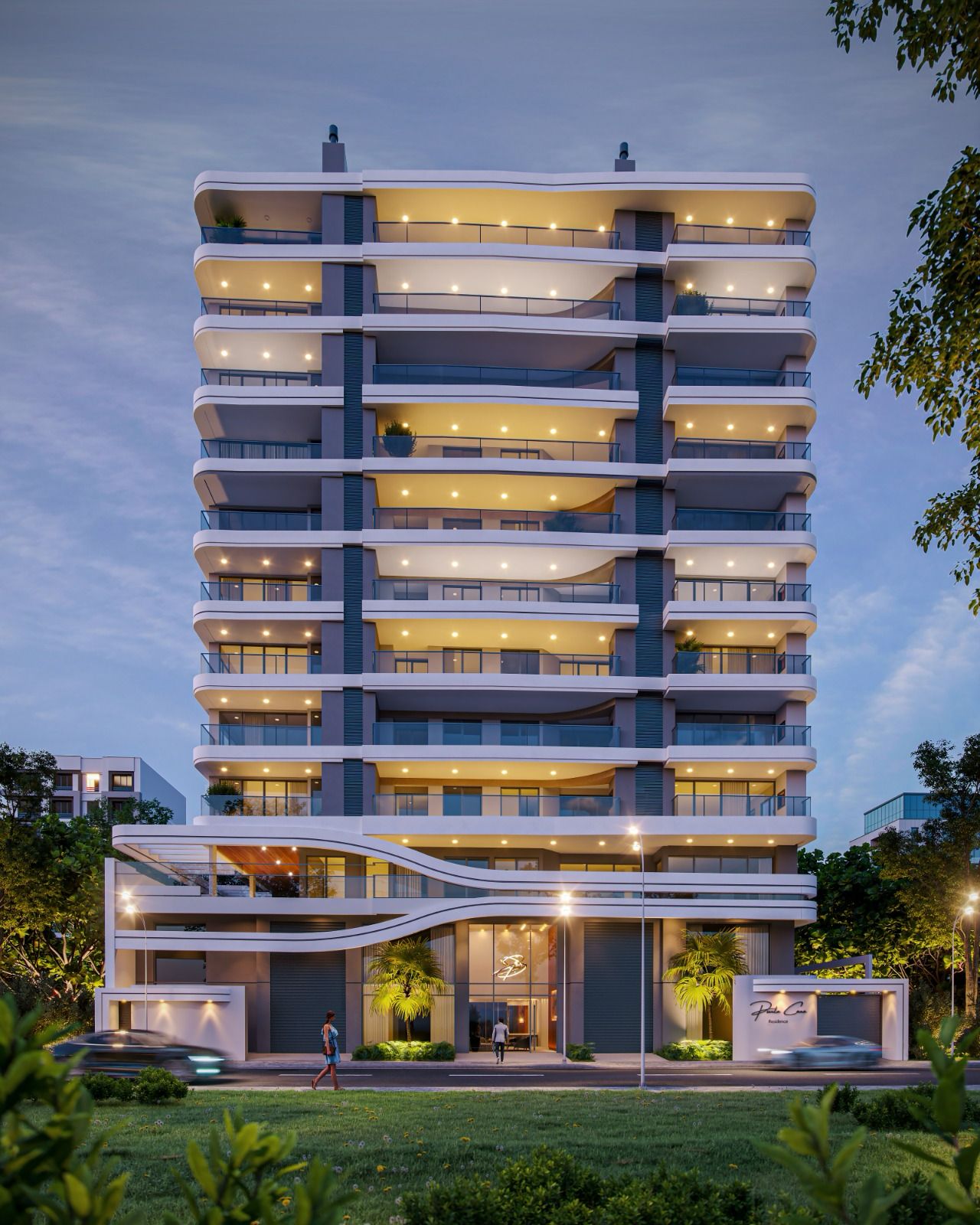

What is global instability in structures?
Global instability occurs when the equilibrium of a building is lost. Therefore, it compromises the safety of the entire structure. Thus, engineers must analyze the behavior of the building as a whole. Furthermore, global failure differs from the local instability of isolated elements. For example, while the buckling of a beam is local, the P-Delta effect reflects global instability.
The importance of voltage discretization
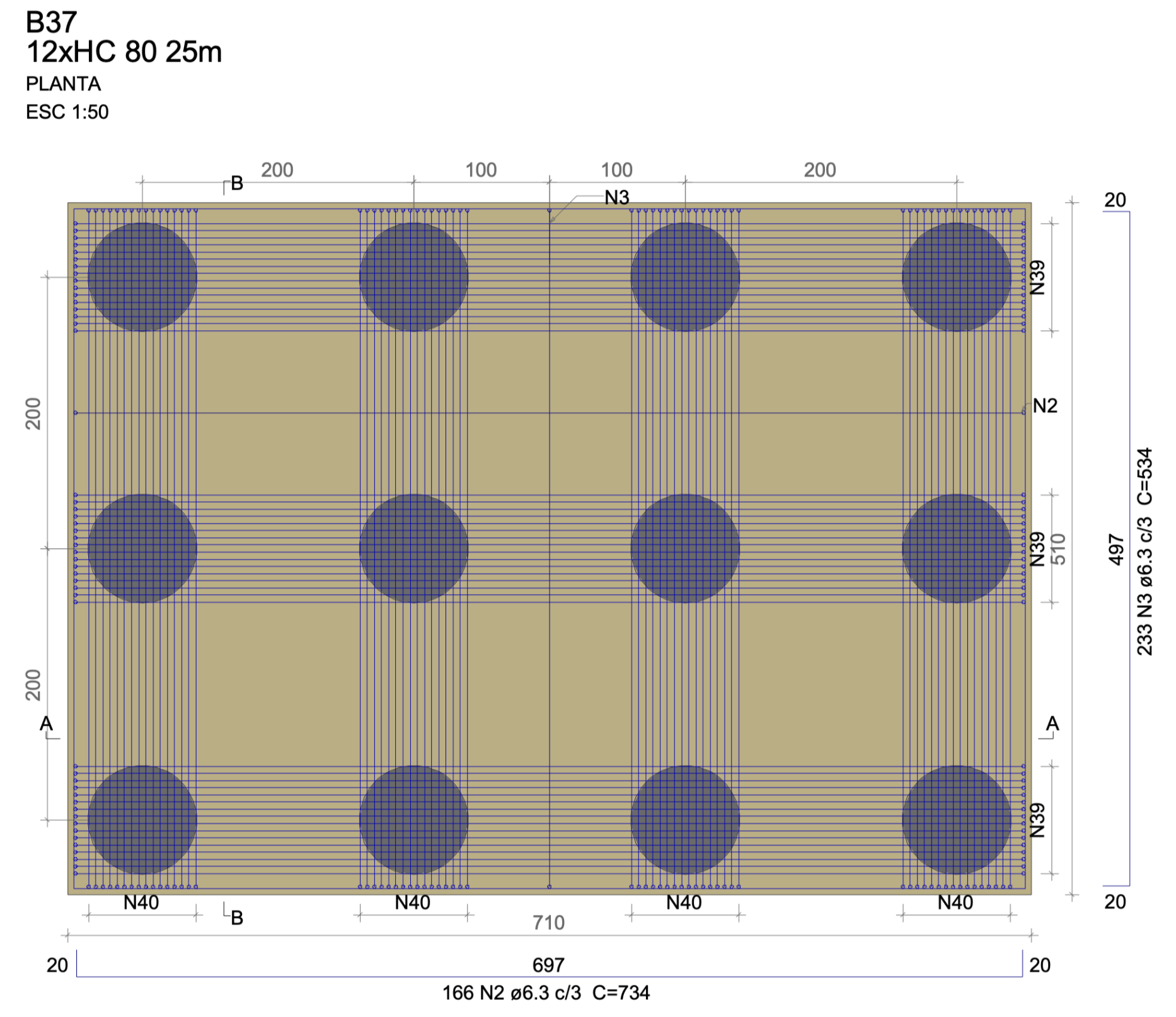
Stress discretization is essential for predicting collapses. To ensure accuracy, we use finite element methods. However, software does not replace the engineer's technical judgment. Consequently, well-discretized models reveal stress concentration points. Furthermore, rigorous analysis prevents excessive deformations from compromising lateral stiffness. Therefore, mathematical rigor becomes the greatest ally of structural safety.
Considerations regarding the P-Delta effect
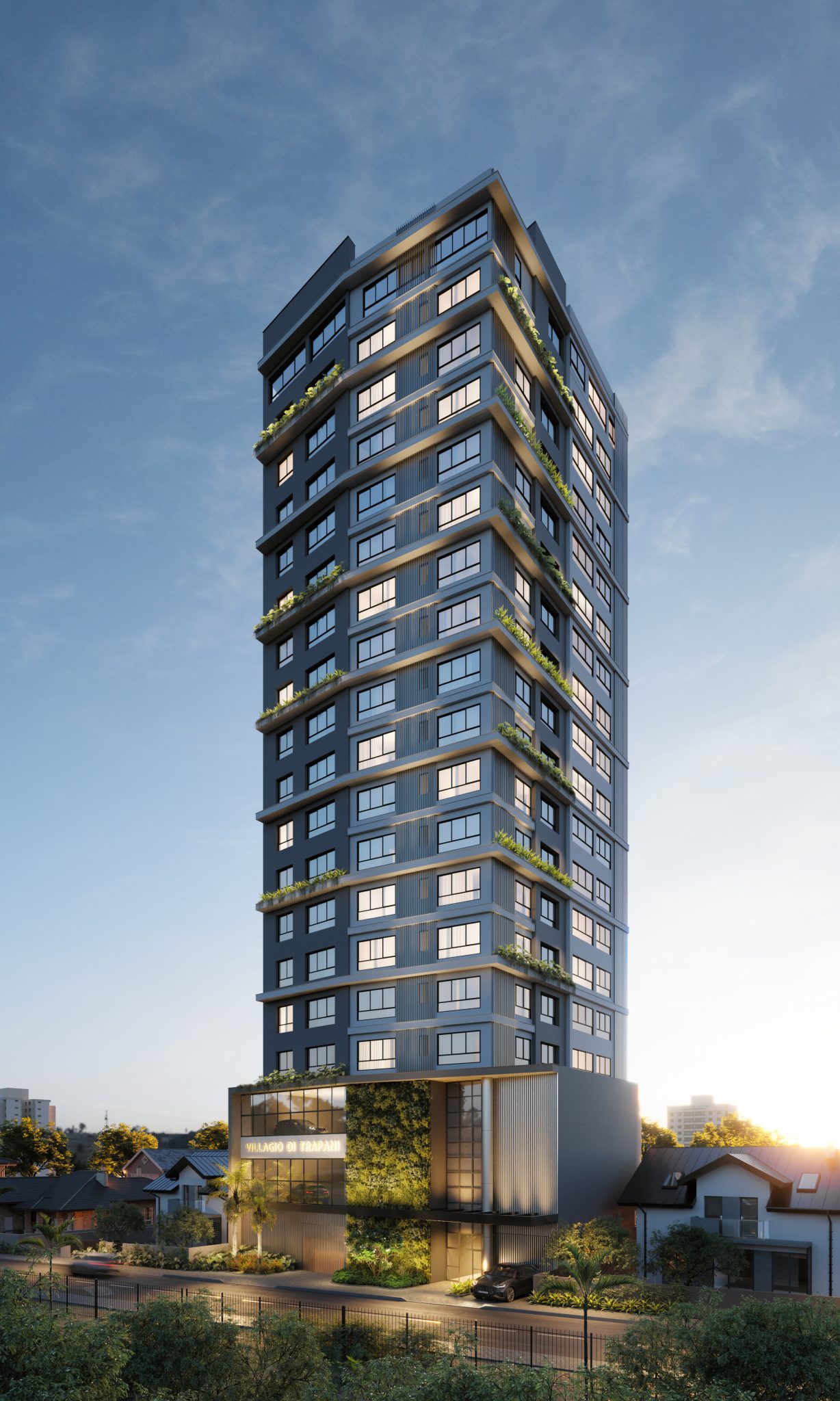
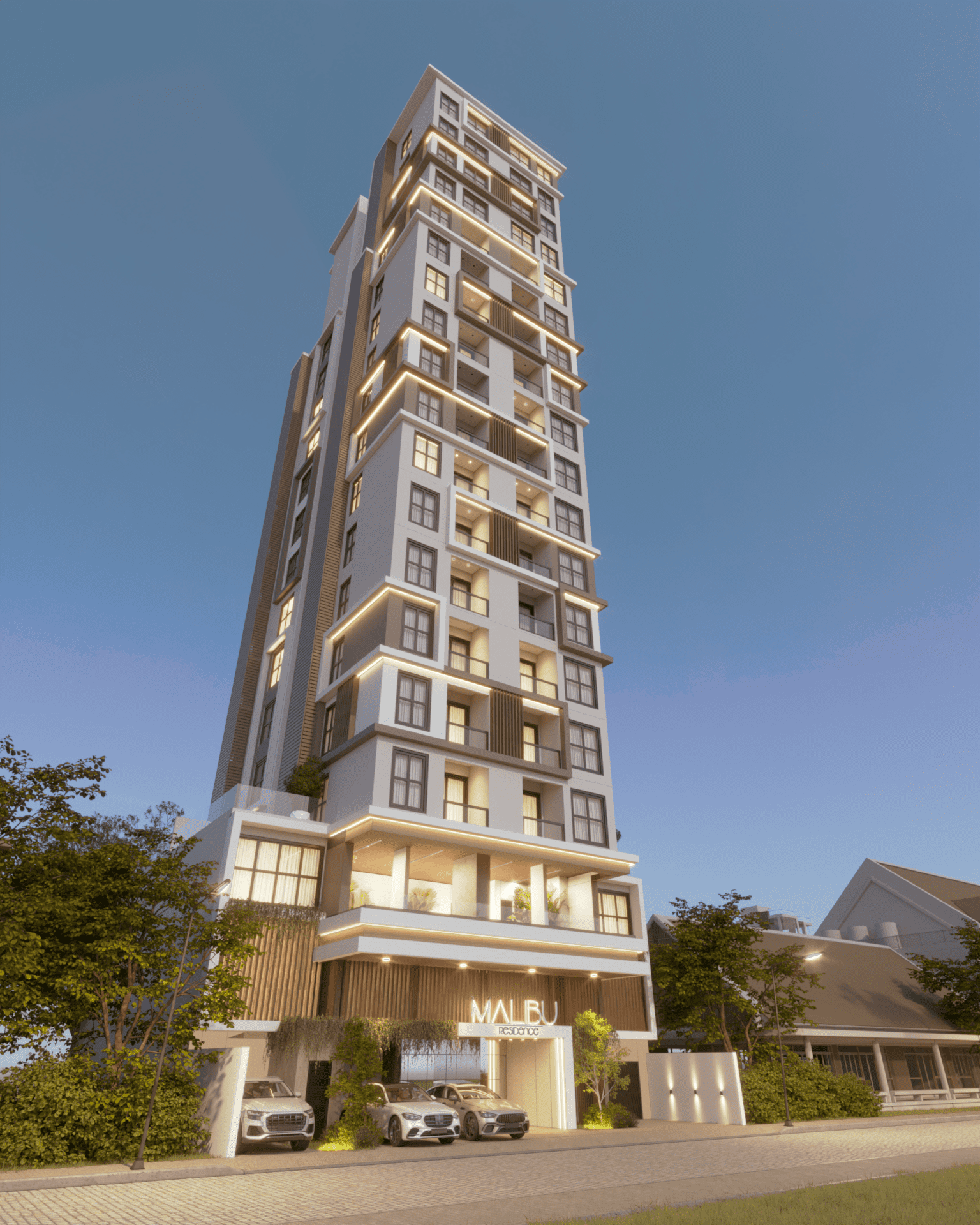
The P-Delta effect arises due to lateral displacements of the structure. Consequently, vertical loads generate significant additional moments. Furthermore, this global instability can lead to overturning if left uncontrolled. For example, in tall buildings, the stiffness of the central core is the determining factor. Therefore, designing efficient bracing is a crucial step. In this way, we can limit horizontal displacements within the normative limits.
Structural analysis in large urban centers
When designing large buildings, we rigorously assess soil variations. For example, a foundation analysis close to Octávio Frias de Oliveira Bridge, In São Paulo, complex calculations are required due to soil-structure interaction. Therefore, each project at WGB Arquitetura e Engenharia receives personalized treatment. Furthermore, we carefully observe the geometry of the structure. In this way, we minimize the risks of global instability in challenging terrains.
How to mitigate the risk of collapse.
First, verify the stiffness of the bracing system. Additionally, use advanced computational models. For example, load case simulations should be exhaustive. Therefore, the gamma-z instability coefficient should always be monitored. In this way, we ensure that the structure remains stable under wind and overload conditions. Furthermore, the correct discretization of the calculation meshes avoids gross stiffness errors. Consequently, the structure maintains its integrity throughout its service life.
Structural completion and safety
The stability of a building depends on precise calculations and modern methods. However, WGB Arquitetura e Engenharia's practical experience guarantees safe solutions for complex projects. Furthermore, our team prioritizes technical rigor at every stage of the discretization process. Therefore, don't take risks with your construction project. If you need specialized consulting or want to better understand how to avoid serious failures, access here To speak with our experts and ensure maximum security for your investment.