
















The Essence of Roman Structure
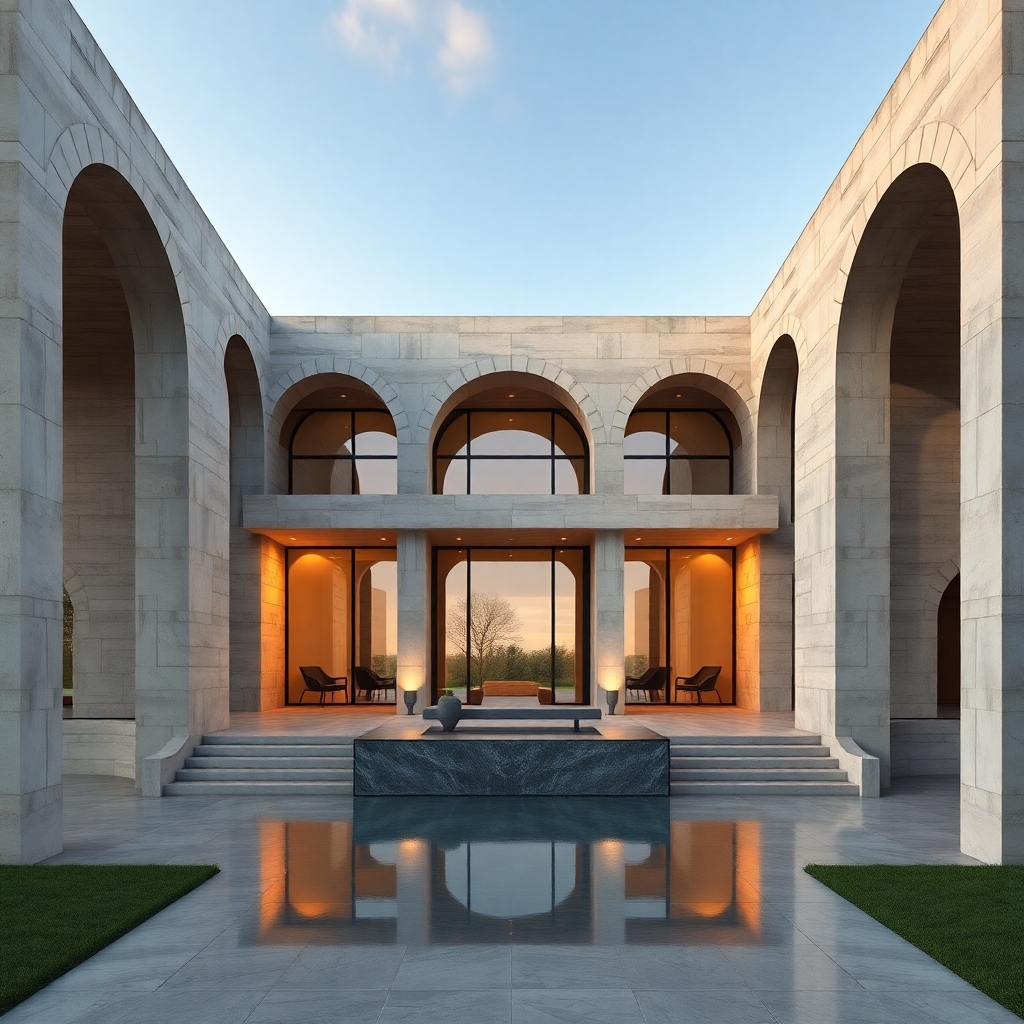
Roman architecture redefined space through technical precision. First, the Romans mastered the use of concrete. In this way, they created unprecedented open spans. Furthermore, engineering focused on extreme durability. Therefore, we observe monuments that have defied time for millennia.
Innovation and Form
The arch and the vault are the pillars of this style. For example, the structure of Pantheon, The architecture of Rome exemplifies the pursuit of geometric perfection. With the goal of distributing stresses, the Romans optimized materials. However, design never sacrificed aesthetics. Consequently, the balance between form and function became the gold standard of construction.
Geometry and Space
Proportion governs every Roman environment. Thus, minimalism is not only visual but also structural. Furthermore, natural light acts as a compositional element. In this way, vast interiors gain depth. For example, the Villa Adriana, The study in Tivoli reveals how the topography dictated the project's layout. Therefore, we understand that the geographical context always guided Roman engineering.
Lessons for Modern Engineering
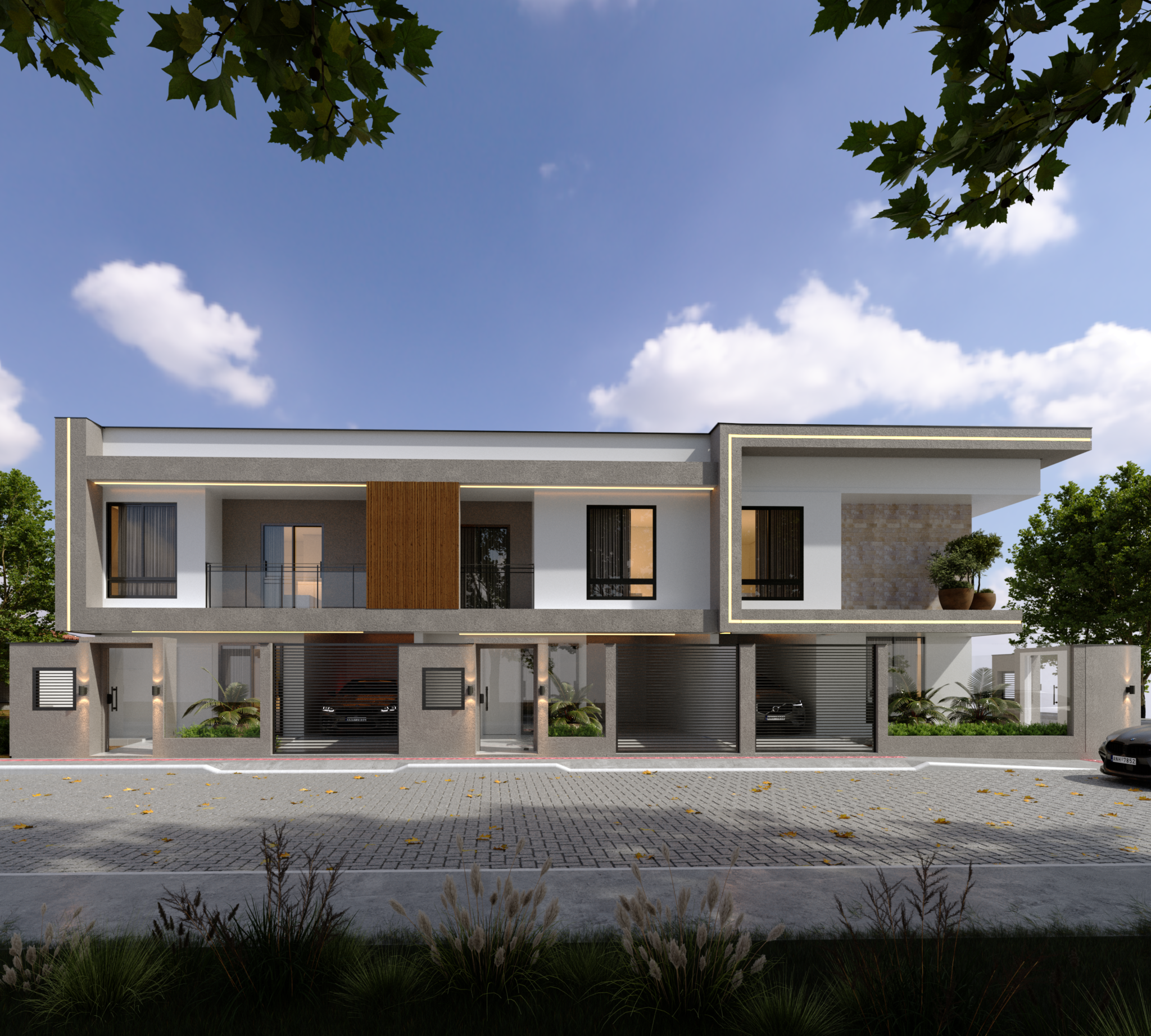
WGB Architecture and Engineering applies these concepts daily. First, we study the stability of each load. Furthermore, we prioritize the integration of high-quality materials and cutting-edge technology. For example, the use of exposed concrete reflects Roman constructive honesty. Therefore, our projects seek timelessness through clean lines. On the other hand, we guarantee technical safety in every detail. Consequently, we deliver spaces that enhance the quality of life. In this way, history inspires our future.
Conclusion
Roman architecture remains a reference point for contemporary design. Therefore, integrating the past with the present requires technical vision. If you seek excellence and original designs, access here Discover our unique methodology at WGB.