












Sustainability is a term that is increasingly linked to Civil Engineering. Seeking to deliver more natural results for the population and reduce environmental impact, this union between construction and precaution proves to be a healthy alternative for improving the quality of life on Earth.
Currently, the challenge of sustainability has become increasingly greater, especially in a world dominated by industrialization and artificial means. Therefore, in this article, learn how Civil Engineering can be responsible for reversing this situation and expanding the concept of sustainability.
Sustainability in civil construction: its importance.
Through sustainability, it is possible to ensure that before, during, and after construction, actions are taken to reduce environmental impacts and, consequently, eliminate environmental problems. Furthermore, this type of project offers the potential to improve the local economy.
The importance of sustainable civil engineering lies precisely in the reuse of resources and in defining alternatives so that natural resources are exploited in a conscious manner. In this way, life on Earth can be prolonged with even greater quality of life for all inhabitants.
With mass awareness across all sectors of society, there is a probability of gradually reversing global warming, in the same way as deforestation. This will give animals and humans more opportunities to realign their daily lives.
Advantages of sustainability in civil construction
Considering the concept of conscious consumption of raw materials, the act of reusing waste and minimizing waste, learn about the main advantages of applying sustainability in the construction industry.
It generates long-term savings.
One of the main advantages of applying sustainability to the construction industry is the generation of long-term savings. After all, by optimizing stages within the construction site itself, the reduction in expenses is noticeable. By containing waste generation and providing intelligent use of resources, costs are drastically reduced.
It improves the company's image.
Another point that should not be ignored is, without a doubt, the improvement in the company's image. After all, by adopting sustainability as a working model, the sales argument becomes more robust. The concept of sustainability has been gaining increasing traction around the world.
Tax incentives are also an important point to highlight, as they have become increasingly common when it comes to sustainability in the construction industry. Through sustainable practices, owners feel more comfortable and ensure that all architectural considerations are properly adopted.
Sustainable technologies are also becoming increasingly cheaper and more accessible, further reducing financial losses for companies. In addition to improving environmental quality and providing a higher quality of life for humans, the visual appeal and comfort they generate attract more customers.
Sustainable construction projects with tax incentives
As previously mentioned, tax incentives have become increasingly common when it comes to sustainability. The Brazilian government is firmly interested in... projects where nature is respected from the very foundation of the plant to the moment of execution.
Germany is a prime example of tax incentives for sustainability, offering citizens a kind of bonus for producing excess photovoltaic energy. In Brazil, we can mention the "Green IPTU," which is a discount offered for projects with eco-efficient systems.
Key sustainable practices in civil construction
Currently, there are several sustainable practices applied in the construction industry. Among the main ones are:
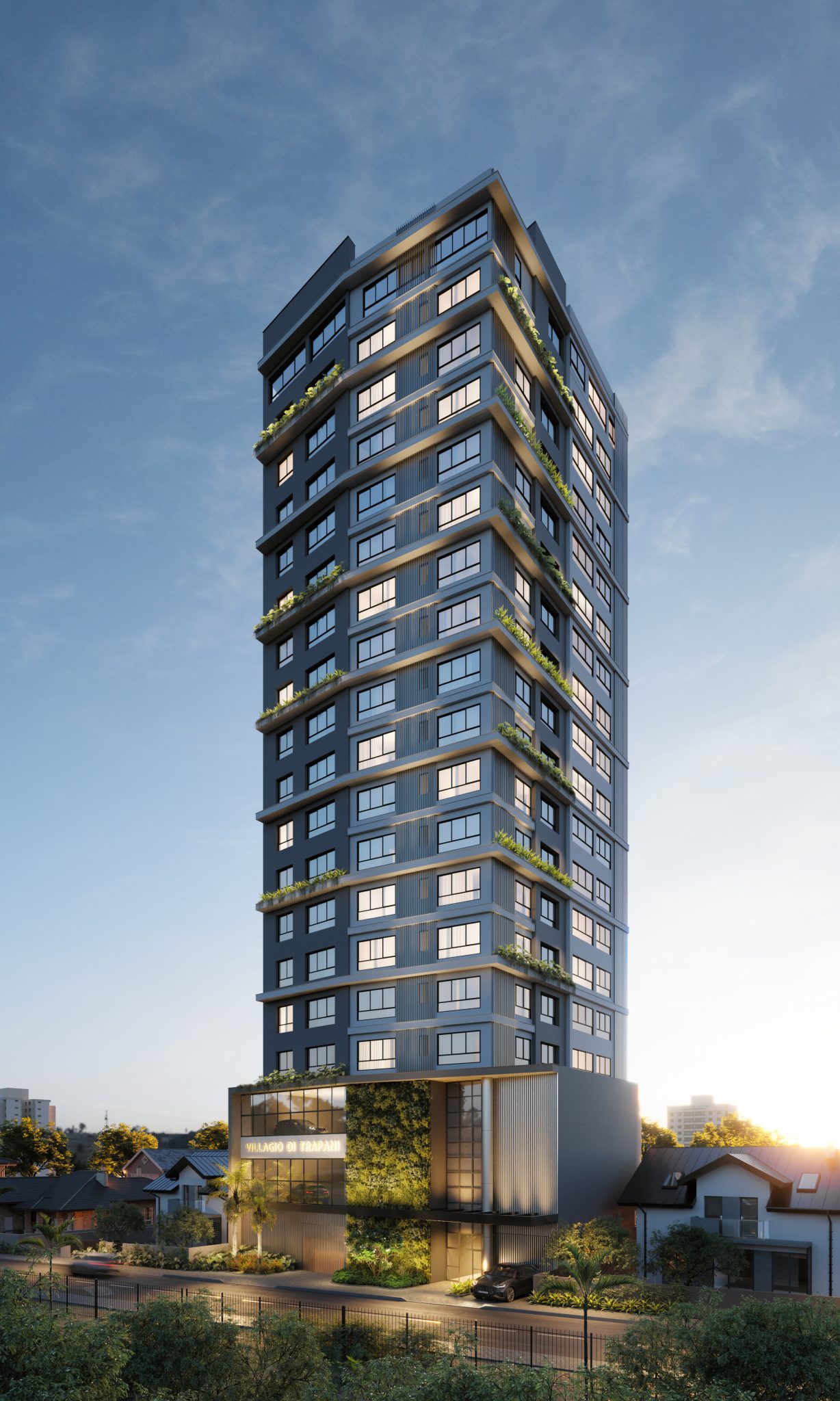
- Green Buildings: an area where natural preservation processes should be prioritized from the moment of conception until a possible demolition;
- Waste managementOne way to manage this is through dumpsters that store solid items that are no longer usable.;
- Reduced energy consumptionReducing electricity consumption is also extremely necessary to apply the concept of sustainability.
Sustainable civil engineering can indeed become a reality. With this constantly growing trend, there is hope for better and more harmonious times ahead.