












The critical role of engineering in gas systems.
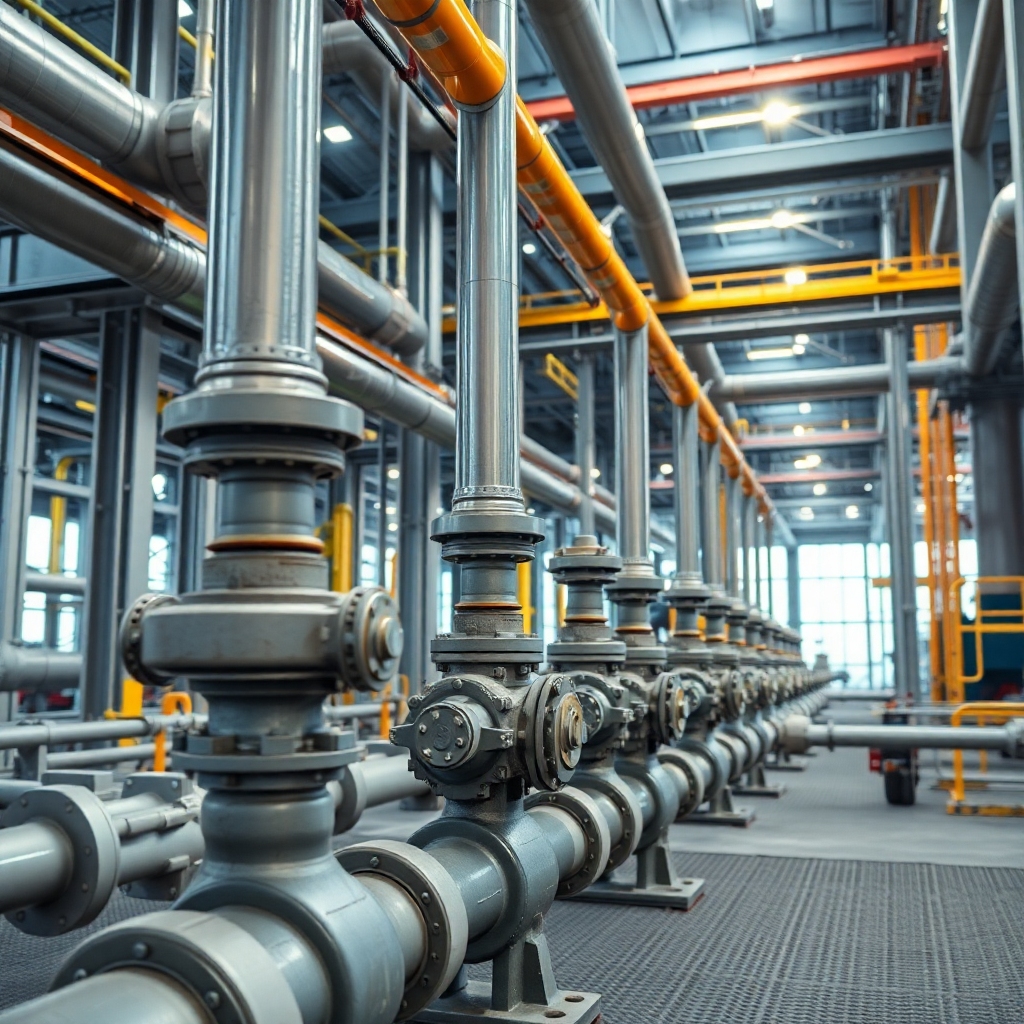
Safety in LPG installations demands absolute technical rigor. The failure in sizing This puts lives at immediate risk. Therefore, each project must follow strict engineering criteria. Furthermore, accuracy in calculating pressure loss ensures the proper functioning of the devices.
Rigorous network sizing
First, we calculate the simultaneous consumption of all appliances. This way, we avoid undersizing the piping. For example, in buildings close to... Hercílio Luz Bridge, We take specific pressure variations into account. Consequently, the network maintains the stability necessary for safe use. However, any miscalculation results in severe pressure drops.
Automatic locking devices
Furthermore, shut-off devices are vital for collective protection. These systems detect leaks quickly, interrupting the gas flow in fractions of a second. To maximize safety, we install automatic shut-off valves at strategic points, mitigating the risk of catastrophic explosions and fires. Moreover, regular maintenance of these items is essential.
Regulatory and legal compliance
As determined by the standard ABNT NBR 13523, The installation of LPG plants follows global safety standards. Therefore, we do not allow improvisation in our projects. Furthermore, all piping must undergo rigorous leak tests. This ensures that the system operates within legal limits. However, many projects neglect these basic parameters.
Risk management in high-end construction projects
In short, modern civil engineering integrates safety and functionality. Furthermore, we use highly corrosion-resistant materials, consequently increasing the lifespan of the condominium's infrastructure. However, the quality of the workmanship during installation is just as important as the design. Therefore, WGB Arquitetura e Engenharia prioritizes excellence in every technical detail. To guarantee the total safety of your condominium, consult a [legal professional/expert]. Civil engineer, Florianópolis to validate its structure and avoid preventable risks.