How to Validate a Land Swap for Buildings in Barra Velha
Understanding Gross Sales Value (GSV) in the Real Estate Context
The Gross Sales Value (GSV) is not just a static number; it's the potential revenue a development generates when sold off-plan. For a landowner in Barra Velha, understanding the GSV is the first step to avoid selling their property for less than market value. When it comes to land swaps, engineering acts as a filter of reality: it deducts direct construction costs (CUB), indirect costs, marketing expenses, taxes, and the developer's profit margin from the GSV. What remains is the so-called 'residual value,' which is the basis for determining how much of the land will be remunerated in units of the building itself.
Technical Criteria for Land Validation
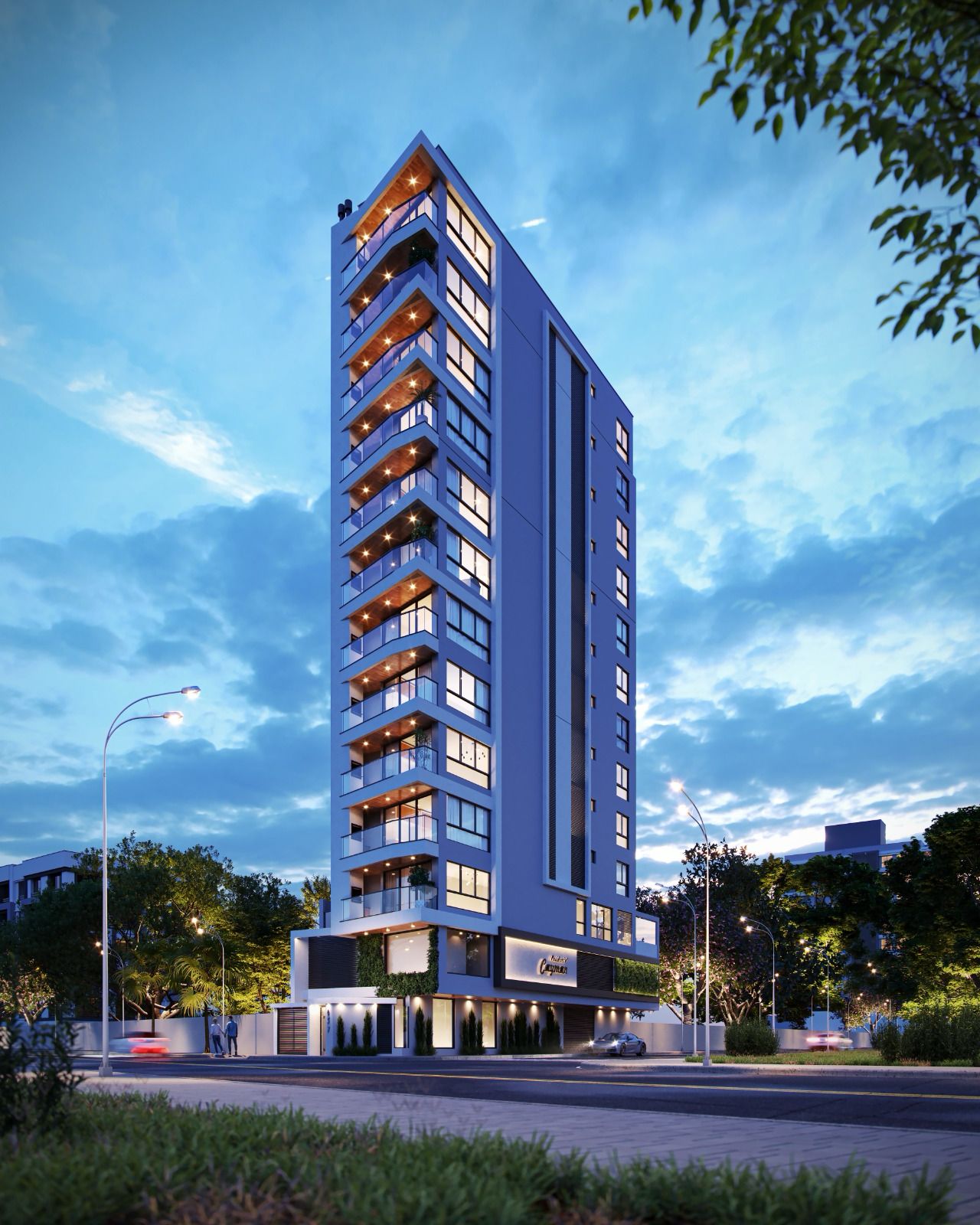
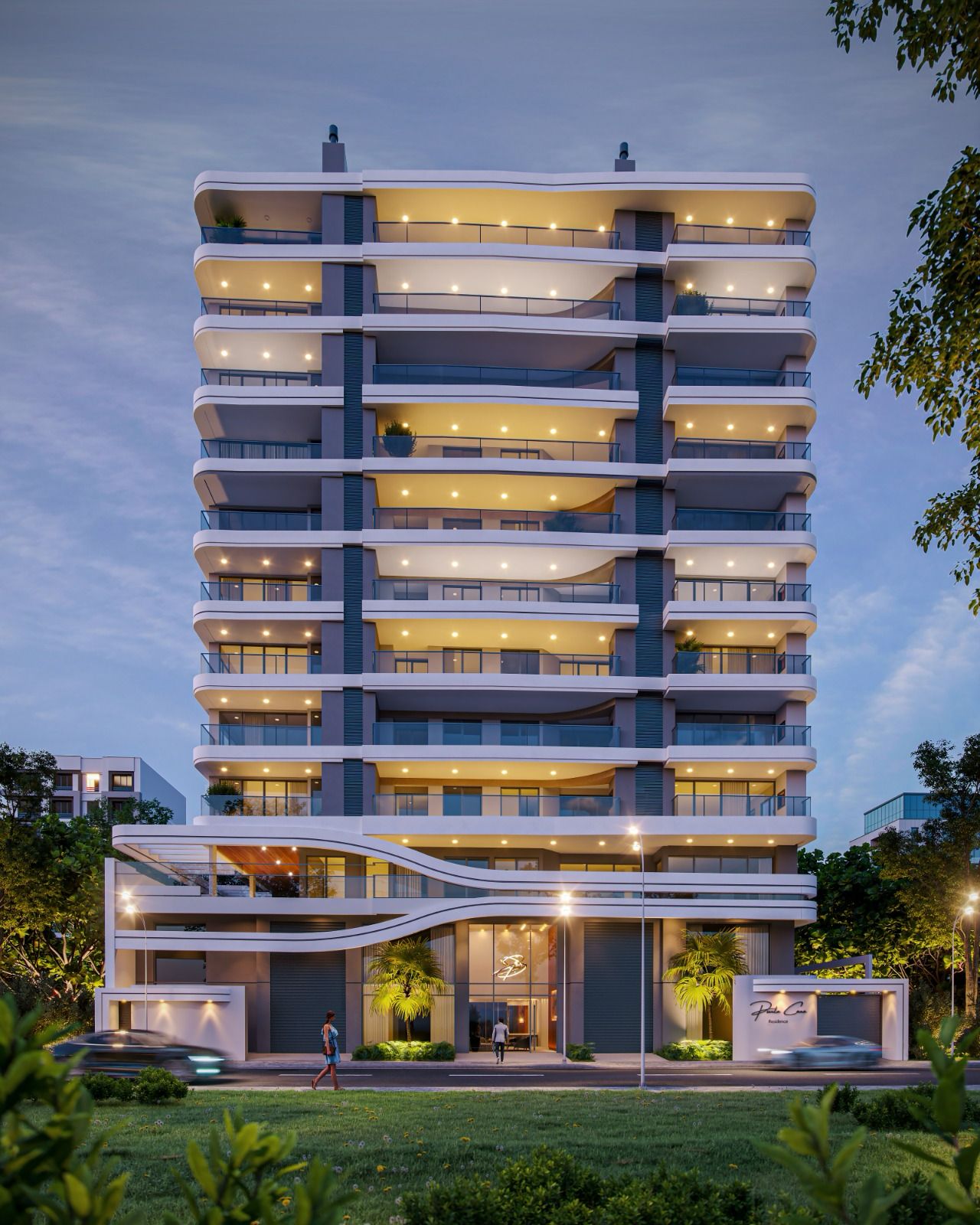
It's not enough to have land in a prime location, such as near the Barra Velha Lagoon, a tourist attraction that enhances the surrounding area. WGB Arquitetura e Engenharia assesses the construction potential based on the municipal Master Plan. The utilization index and occupancy rate define how many private square meters can be built. A plot of land that allows a ten-story building has a radically different Gross Sales Value (GSV) than one that allows only four floors, even if they are on the same street. The technical analysis eliminates guesswork, focusing on the structural and legal viability of land use.
The Fair Percentage in the Exchange
The most common question is: what is a fair percentage for the landowner? In the Santa Catarina market, exchange percentages generally vary between 15% and 30% of the Gross Sales Value (GSV), depending on the location and the risk of the project. However, it is crucial to differentiate between physical exchange (receiving apartments) and financial exchange (receiving money). Physical exchange involves business risk: if construction is delayed or sales stagnate, the owner's return is affected. Financial exchange, on the other hand, transfers part of the risk to the developer. A common mistake is for the owner to demand a percentage based on the market value of the completed unit without considering the updated construction cost curve according to the INCC (National Construction Cost Index).
Regulatory Analysis and Legal Certainty
Any negotiation must comply with Law 4.591/64, which governs condominiums in buildings and real estate developments. This legislation protects the buyer and ensures that the land, when contributed to the development, has impeccable documentation. At WGB, we conduct a prior audit to guarantee that there are no hidden encumbrances, such as liens or environmental debts, that could paralyze the construction site and compromise the entire cash flow. Legal security is, in itself, a factor that increases the financial viability of the project.
Impact of Choice on Final Cost
The choice of construction standard is what defines the success or failure of the project. Opting for high-end finishes on land with a very high acquisition cost (exchange) can make the price per square meter unaffordable for the local public in Barra Velha. On the other hand, an undersized project may not take advantage of the potential market value that the land offers. Cost engineering needs to be balanced: the cost of construction must be compatible with the average sales price. If the exchange percentage is too high, the margin for executing the work decreases, forcing the construction company to reduce the quality of materials, which in turn depreciates the future sales value. It's a cause-and-effect cycle that requires mathematical precision.
Pros and Cons of Physical vs. Financial Barter
Physical land swaps offer the benefit of increased property value: the units received can appreciate in value before the keys are handed over, allowing for extra income beyond the original value of the land. However, this requires patience from the owner, who will only see a return after the completion of construction. Financial land swaps, on the other hand, offer immediate or installment liquidity, reducing the owner's exposure to market risks. For those seeking security, the financial model is preferable. For those seeking profitability, physical land swaps, when well-advised, are usually the best way to multiply the capital invested in the land.
Strategic Planning as a Differentiating Factor
Planning is the dividing line between a profitable project and one that becomes a liability. WGB Arquitetura e Engenharia uses advanced software to simulate sales scenarios, price variations for steel and cement, and execution deadlines. By anticipating risks, we can propose barter structures that meet both the profitability of the construction company and the profit expectations of the owner. The success of a real estate development in Barra Velha depends directly on this triad: correct location, efficient design, and a transparent cost structure from the feasibility phase onwards.
If you seek technical clarity and security to boost your results, use the WGB in Barra Velha to ensure maximum efficiency in every strategic decision of your new real estate project.