

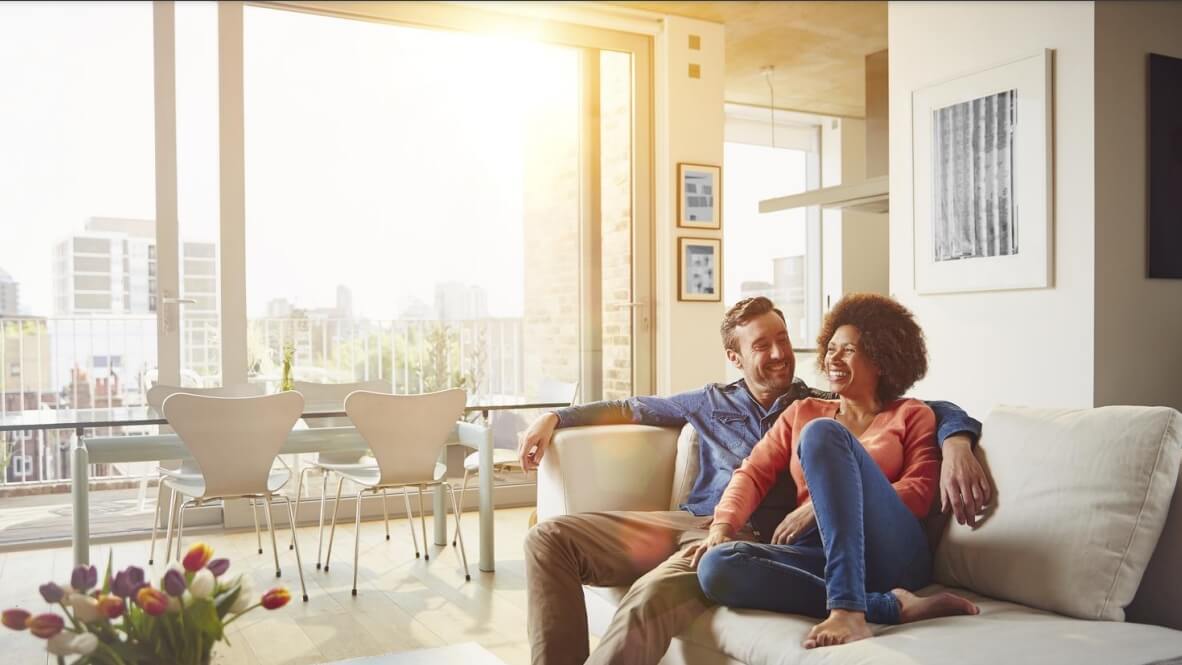
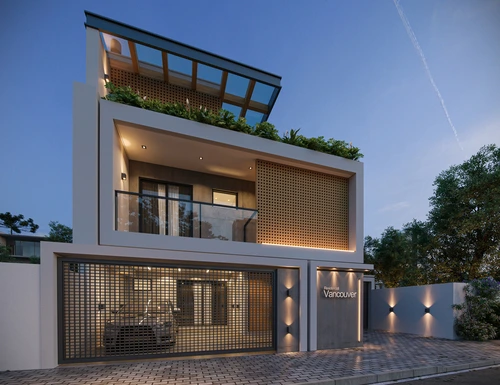
Natural lighting is a way of harnessing sunlight to illuminate interior spaces, reducing electricity consumption and improving the visual and thermal comfort of users. Furthermore, natural lighting can provide health benefits, such as increased vitamin D production and regulation of the circadian rhythm.
To design natural lighting systems, it is necessary to consider several factors, such as solar orientation, building geometry, the type and position of openings, the use of light control and diffusion elements, and the characteristics of the materials and colors used in the spaces.
Solar orientation determines the amount and quality of light that falls on the building throughout the day and year. In general, north-facing facades receive more direct light, while south-facing facades receive more diffused light. East- and west-facing facades receive direct light in the morning and afternoon, respectively, but are also subject to glare and excessive heat gain.
The geometry of a building influences the distribution of natural light in interior spaces. The depth, height, and shape of the spaces determine the reach and uniformity of natural lighting. The deeper the space, the less natural light there will be. The higher the ceiling, the greater the natural light. The more complex the shape of the space, the more difficult it is to predict the behavior of natural light.
The type and position of openings are fundamental to controlling the entry of natural light into interior spaces. Openings can be vertical (windows) or horizontal (skylights), and should be sized and positioned according to solar orientation, the geometry of the space, and the needs of the users. Vertical openings allow for greater visual integration with the exterior, but can also cause glare and heat loss. Horizontal openings allow for greater penetration of natural light into the interior space, but can also cause overheating and condensation.
The characteristics of the materials and colors used in interior spaces also affect the performance of natural lighting. Materials can be classified as opaque or transparent, reflective or absorbent, smooth or rough. Opaque materials block the passage of light, transparent materials allow light to pass through, reflective materials return some of the light they receive, absorbent materials retain some of the light they receive, smooth materials reflect light specularly (like a mirror), and rough materials reflect light diffusely (like a screen). Colors can be classified as light or dark, warm or cool. Light colors reflect more light than dark colors, warm colors convey a feeling of warmth, and cool colors convey a feeling of cold.
Therefore, to design natural lighting systems, it is necessary to take all these factors into account and seek a balance between them, aiming to meet the functional, aesthetic, and environmental needs of the spaces and users.