
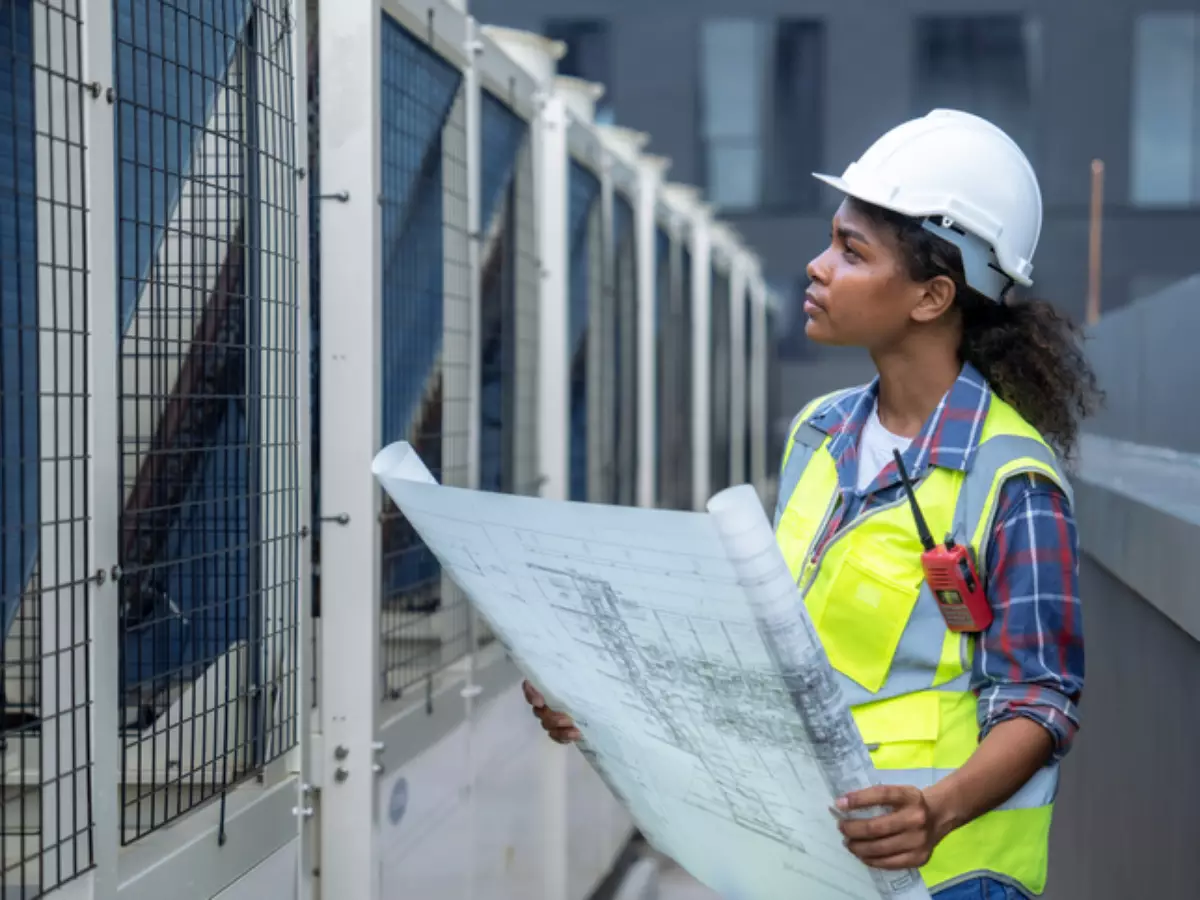
















The use of Personal Protective Equipment (PPE) in construction is extremely important to guarantee the safety and health of workers. Firstly, the correct use of PPE is essential to prevent accidents and minimize risks. Helmets, safety glasses, gloves, boots, and reflective vests are examples of PPE that protect against falls, cuts, impacts, and exposure to harmful substances. Furthermore, the diversity of PPE available on the market allows for specific protection for each type of task, which increases the effectiveness in accident prevention.
Why use PPE?
These devices are also a fundamental barrier against occupational hazards that can cause long-term illnesses, such as exposure to dust, chemicals, and excessive noise. For example, the use of respiratory masks can prevent lung diseases, while the use of ear protectors is crucial to avoid permanent hearing loss. In this way, personal protection helps preserve workers' health over time, ensuring a longer and healthier working life.
Furthermore, the use of PPE (Personal Protective Equipment) is mandatory by law, as regulated by Regulatory Standard NR-6. This reinforces the responsibility of companies to provide and monitor its proper use. Therefore, compliance with this regulation not only avoids fines and penalties, but also demonstrates the company's commitment to the physical integrity of its employees. Companies that neglect this responsibility are subject to serious legal and financial consequences, which can compromise their reputation and sustainability in the market.
Another important point is that the use of PPE contributes to creating a safer and more productive work environment. When workers are properly protected, the occurrence of accidents decreases, resulting in fewer absences and interruptions in activities. This, in turn, raises team morale and increases operational efficiency. Workers who feel safe tend to perform their duties with more confidence and effectiveness, which translates into greater productivity and quality in the work.
Furthermore, awareness of the importance of PPE (Personal Protective Equipment) must be constant. Regular training and educational campaigns are effective strategies to reinforce a safety culture in the workplace. This way, workers better understand the risks and the correct way to use protective equipment, which enhances accident prevention. Awareness programs can also include emergency simulations, lectures, and the distribution of informational materials, which helps to solidify the acquired knowledge.
In conclusion, the use of PPE in construction should not be neglected. Individual protection is an essential investment in the health and safety of workers, in compliance with legal regulations, and in the efficiency and productivity of the sector. Companies that value workplace safety and invest in PPE demonstrate a serious commitment to the well-being of their employees and the quality of their services. Therefore, promoting and ensuring the correct use of PPE is an indispensable measure for any construction project, contributing to the creation of a safer, healthier, and more productive work environment.