

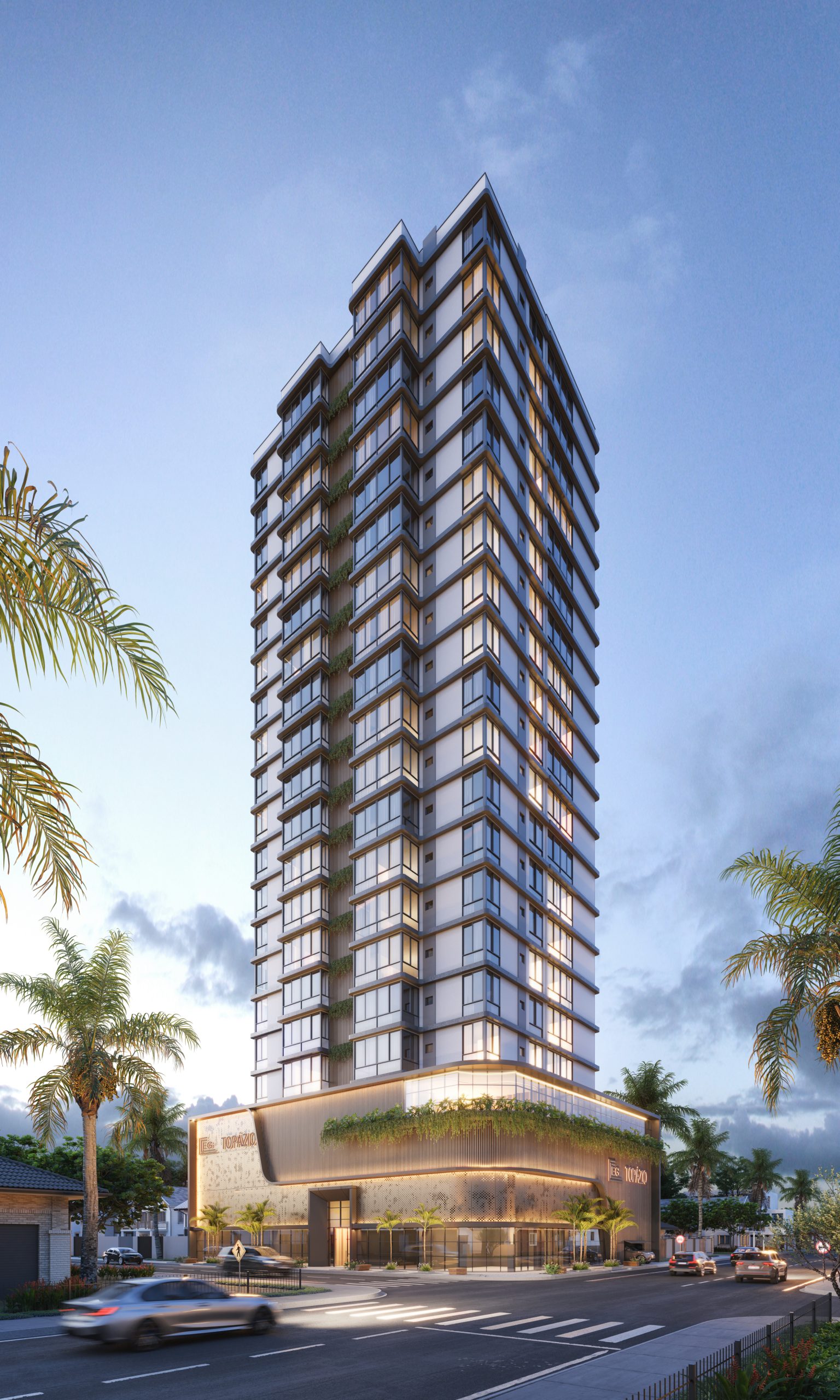
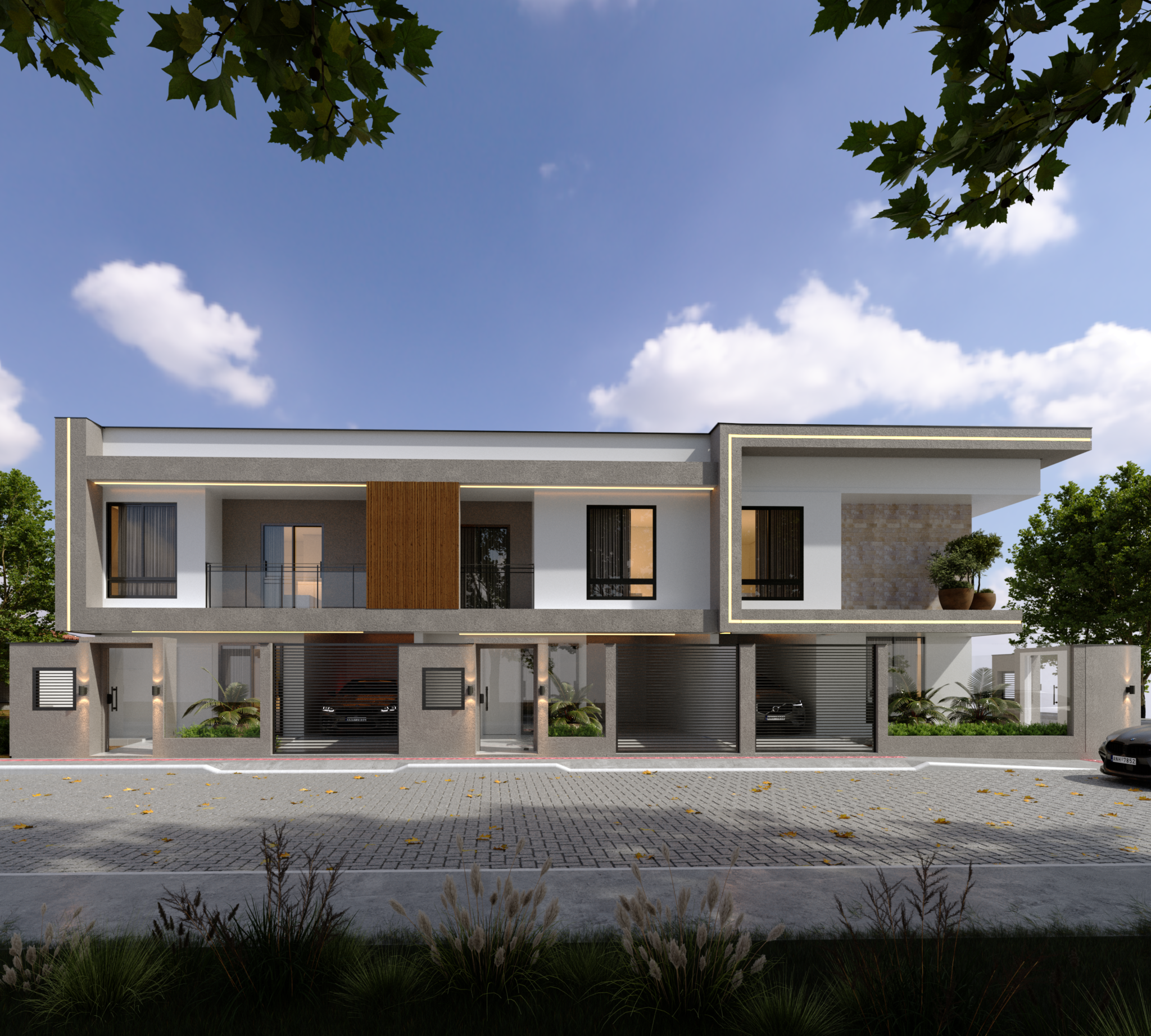
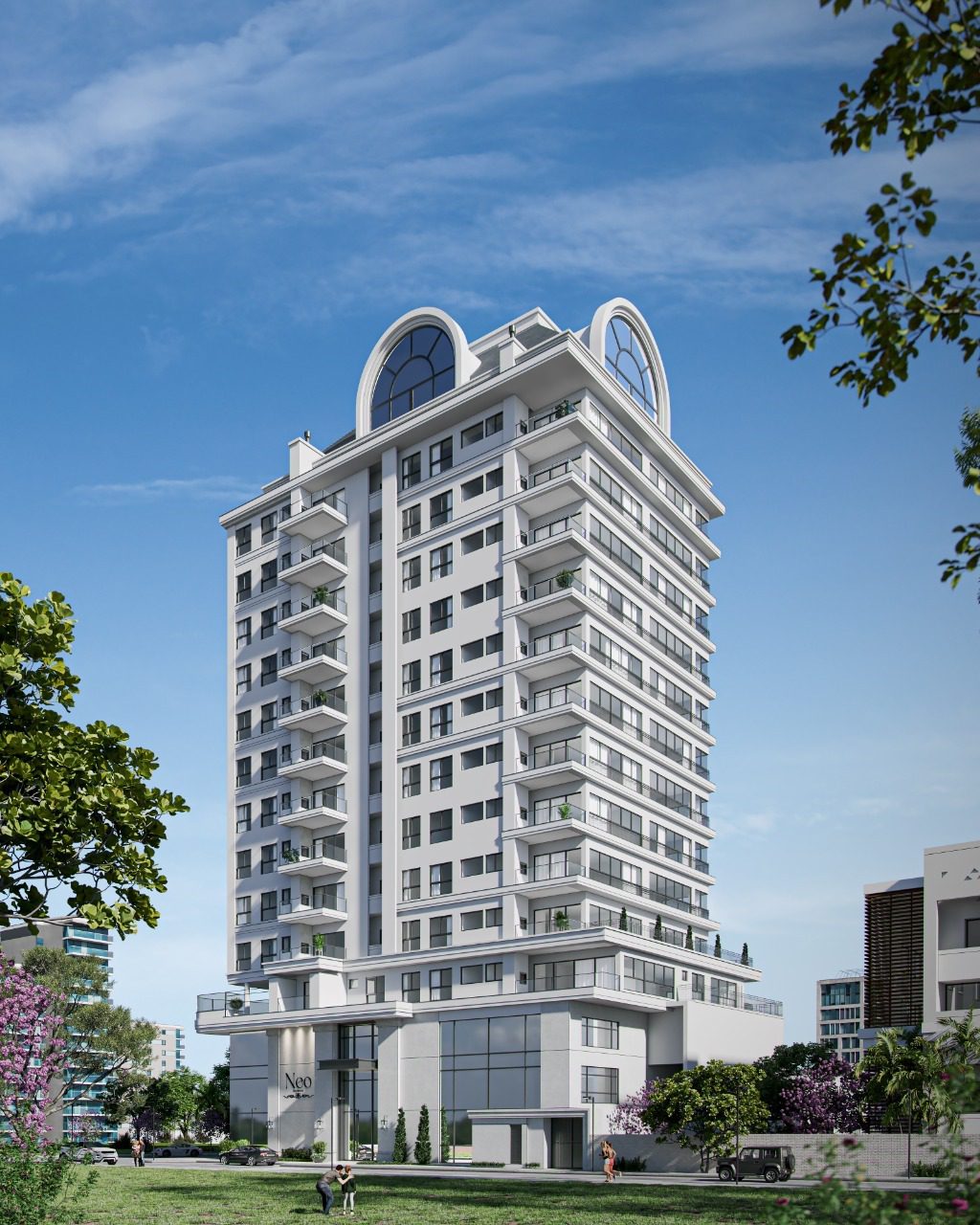
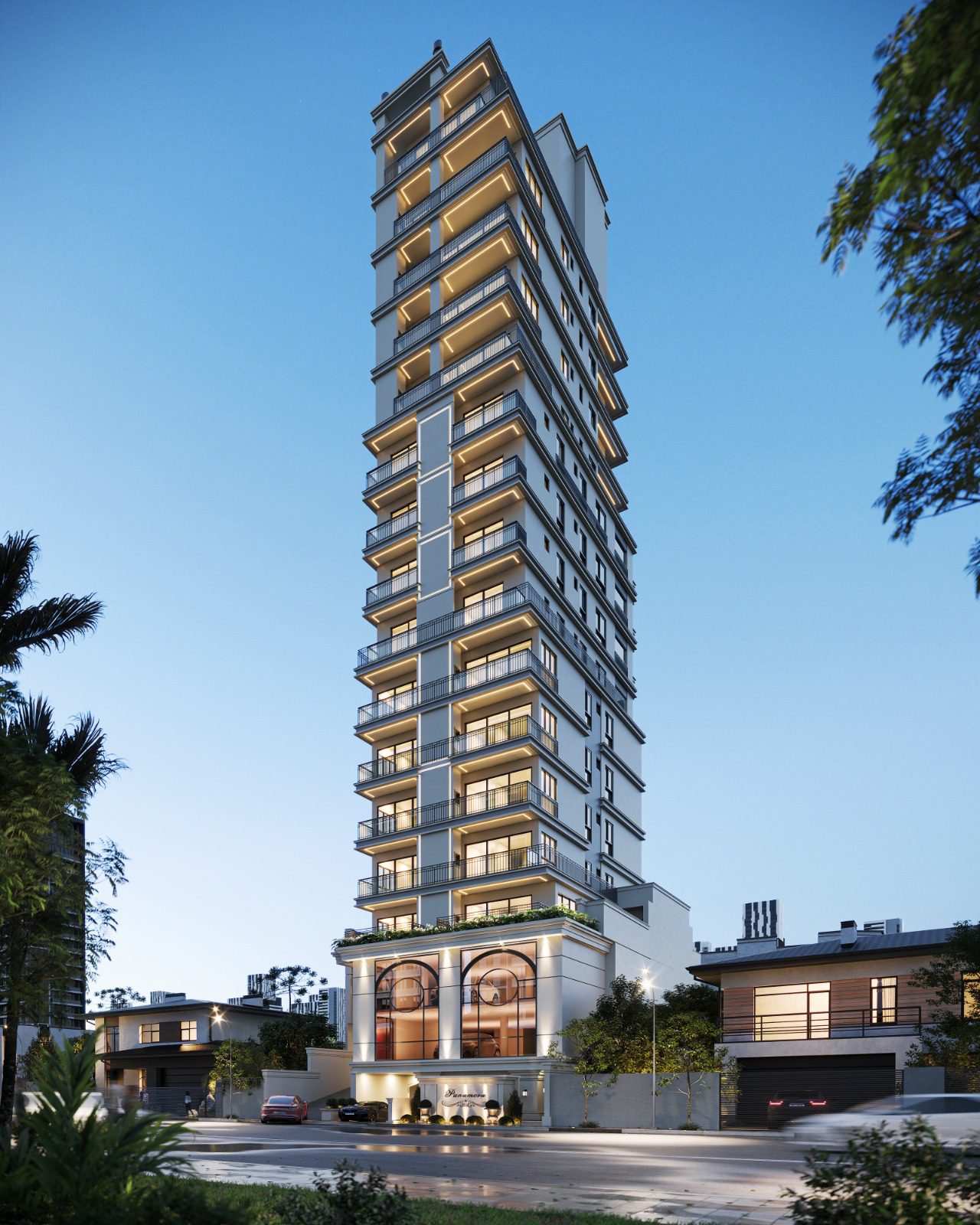
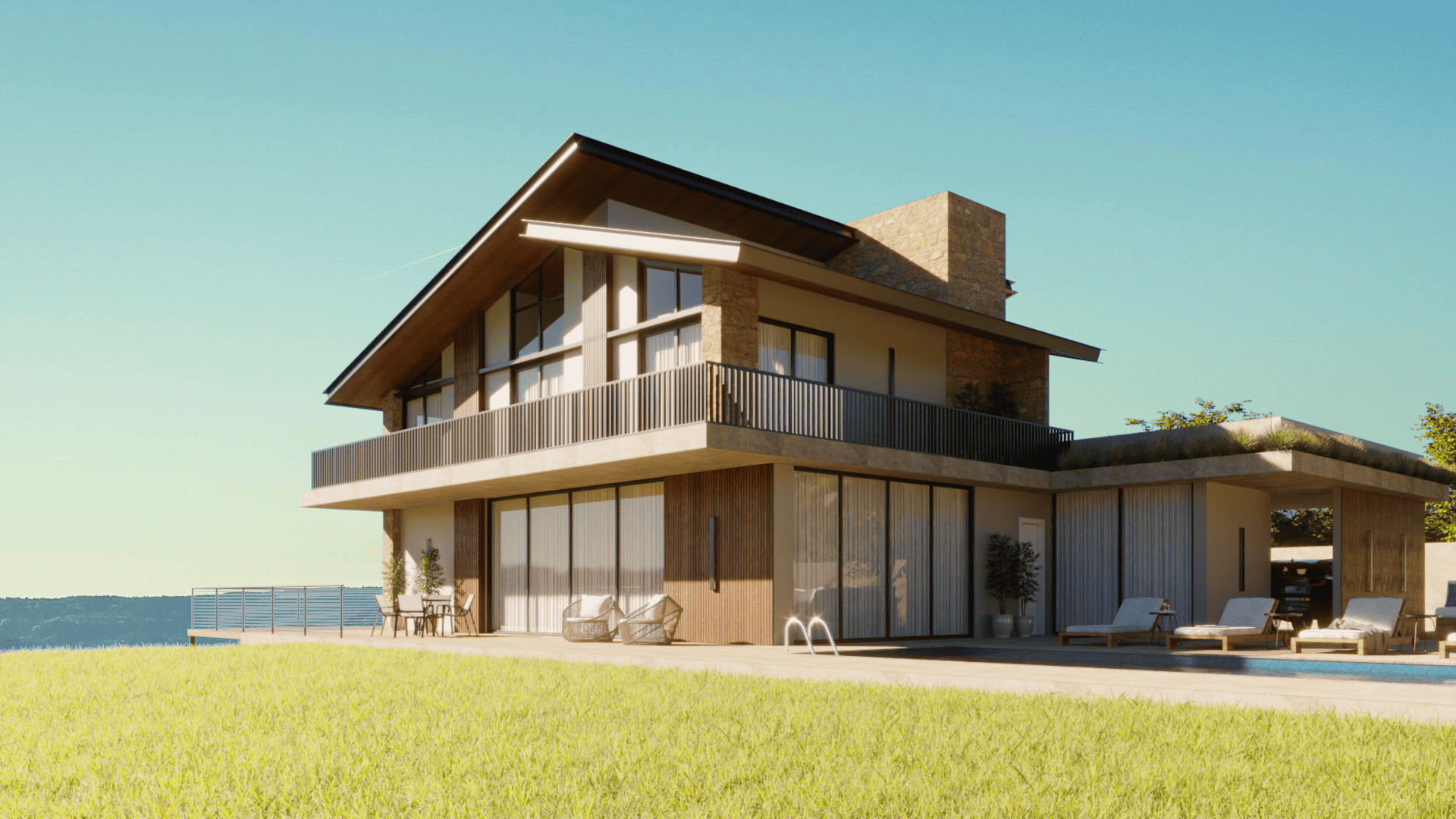
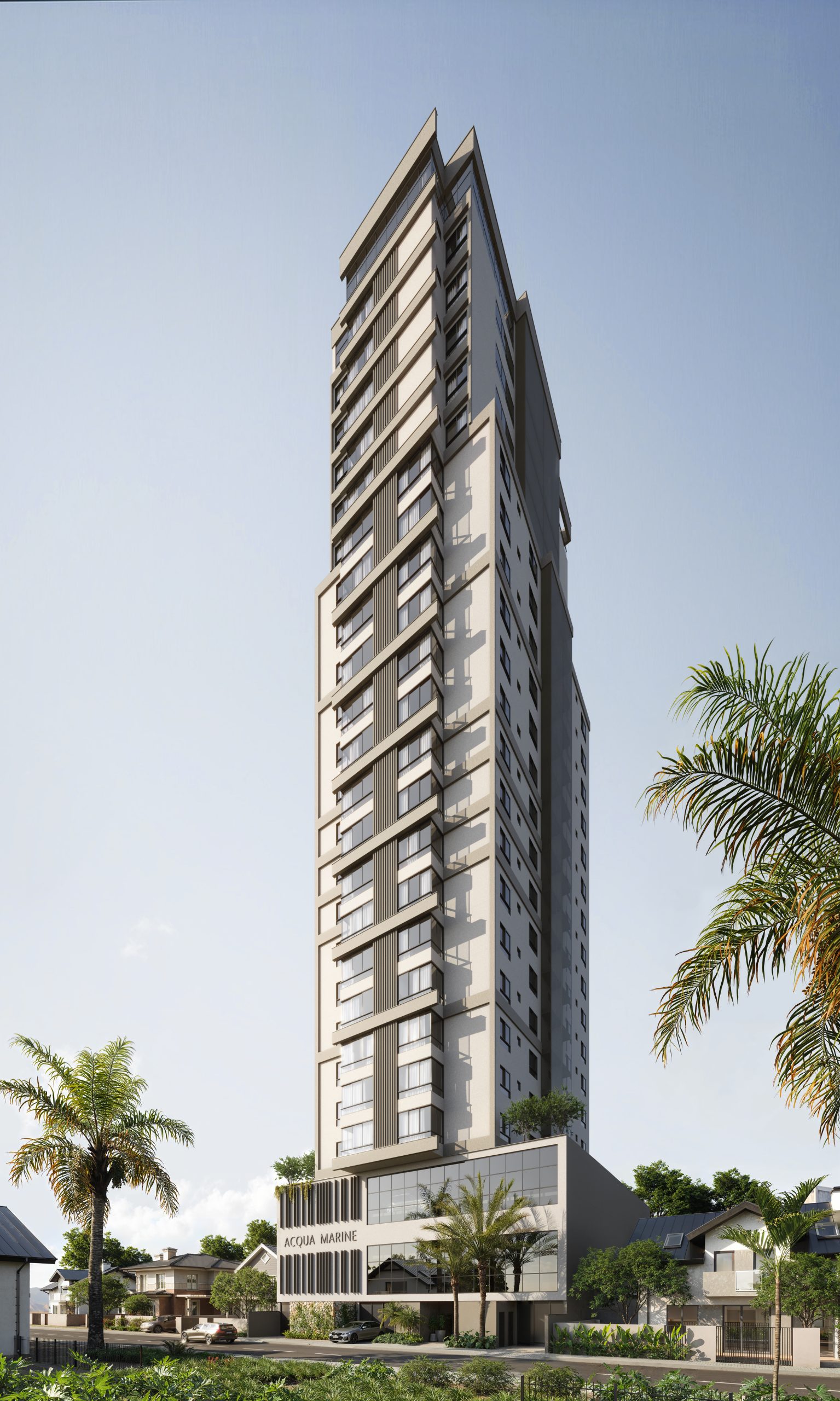
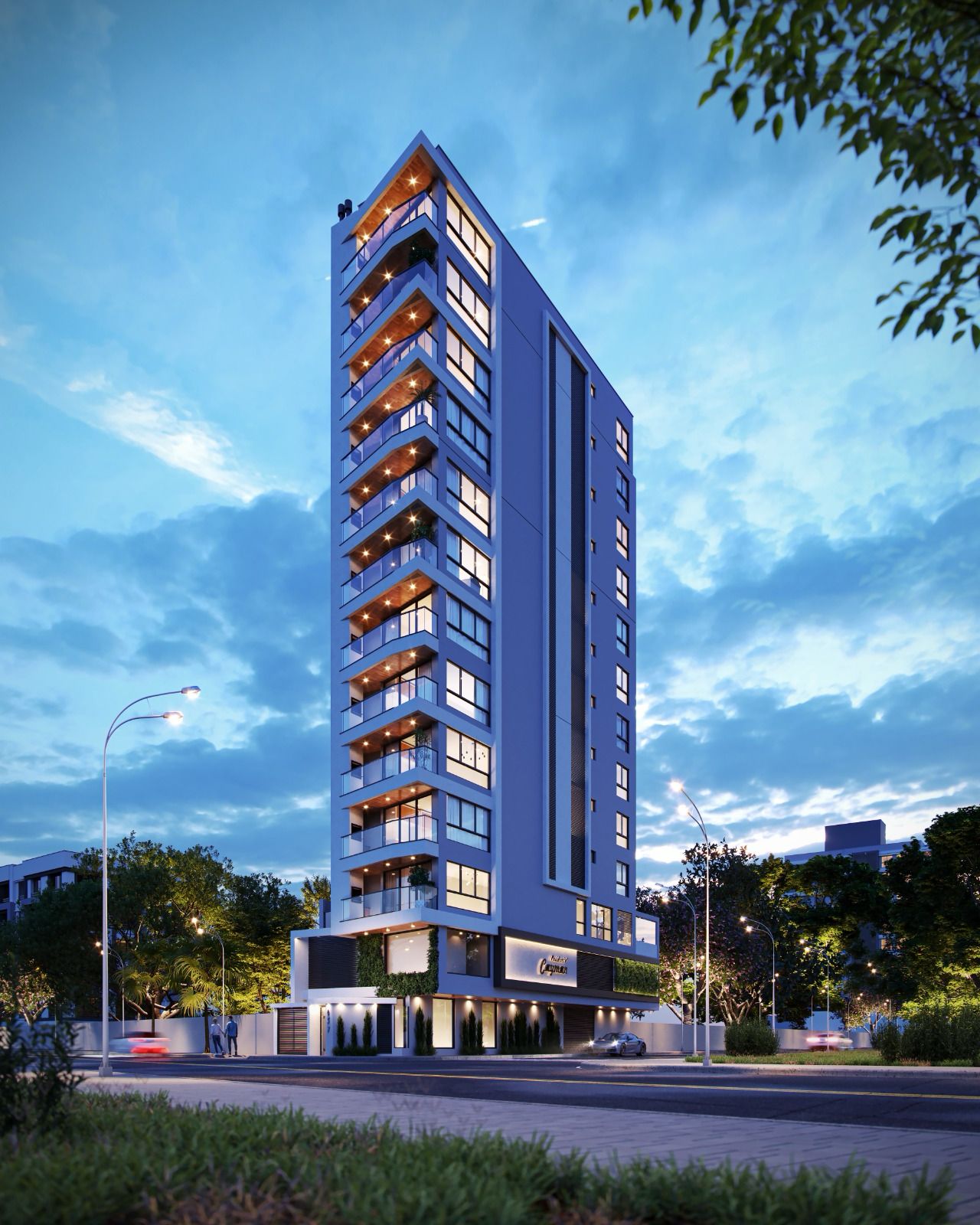
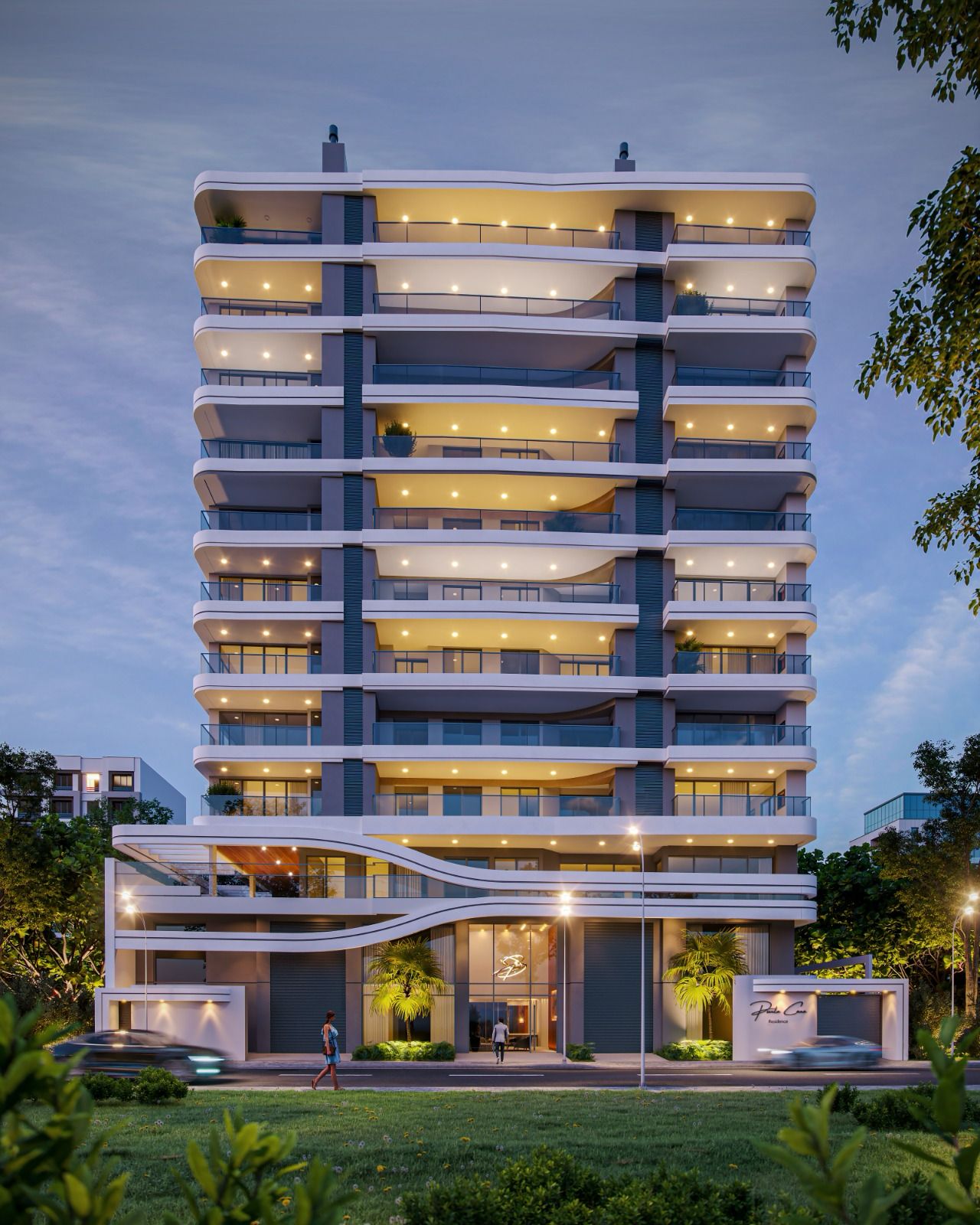
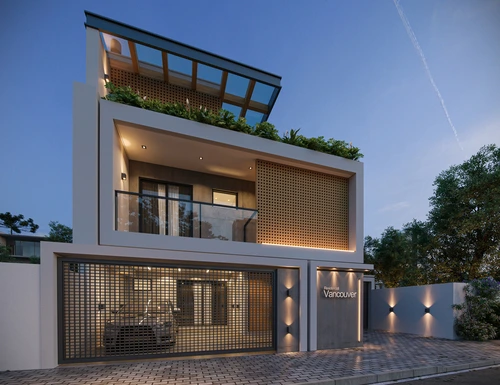
By 2025, more than 601,300 new construction projects will use technology to improve energy efficiency. This shows how innovations in architecture are changing the sector. They are seeking a more sustainable and technological future.
The changes address today's need for sustainable design. This includes increased investment in environmentally friendly materials and processes that help buildings last longer.
The architecture industry is striving to combine human well-being and efficiency. This is achieved through carefully chosen materials and new technologies. Professionals need to stay updated to create solutions that meet needs and promote harmony with the environment.
Predictions for 2025 show that architectural innovations will no longer be confined to large cities. They will reach various locations, making sustainable design and construction technology more accessible.
The following pages will use reports from design and architecture agencies. They will show future trends in forms, structures, and methods. Get ready to see the future of architecture and residential art.
Integrating nature into architectural design.
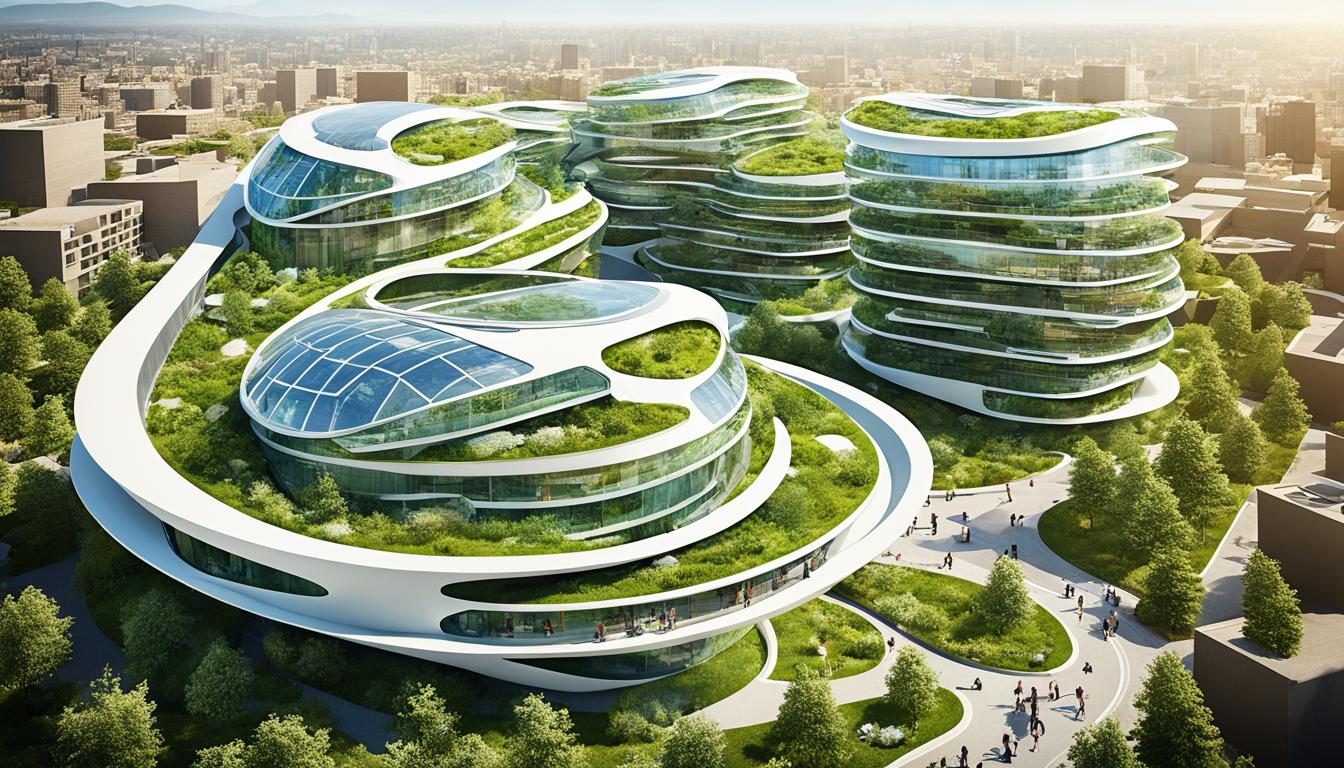
A biophilia It is gaining traction in interior and exterior design. This shows a major shift in green architecture. This change not only addresses the need for healthy spaces, but also demonstrates a commitment to sustainability.
O biophilic design It uses natural elements intelligently. This creates spaces that are true havens in the city.
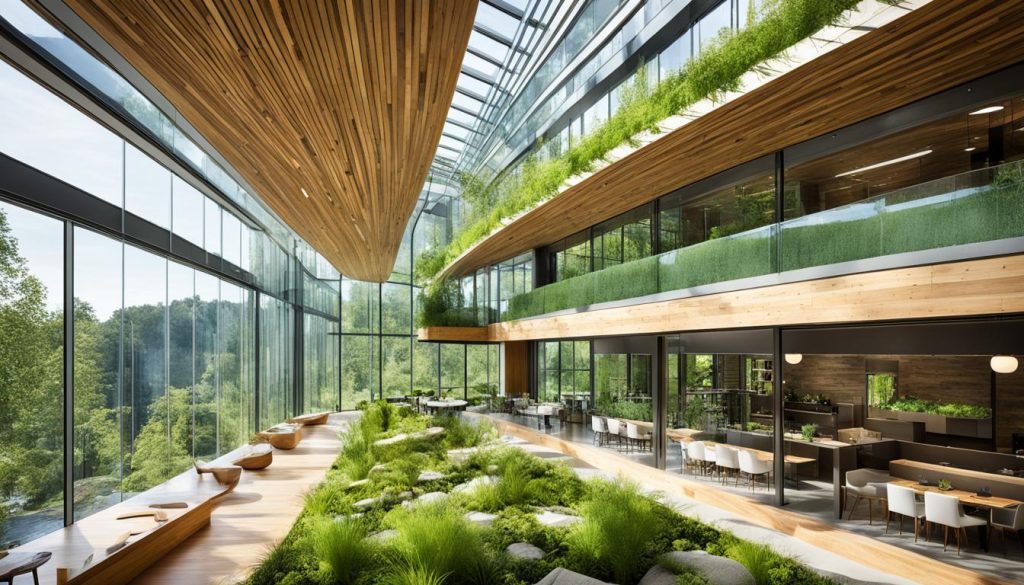
Sustainable designers say that using plants, natural materials, and natural light is essential. These elements improve air quality and people's mental and physical health.
Biophilia is not only beautiful, but it also helps reduce the environmental impact of projects. green architecture It's growing in terms of large-scale projects. This is changing the construction industry for the better.
BIM technology at the forefront of project planning.
BIM technology is changing the construction industry. It displays architectural designs in detail before construction begins. This makes planning more efficient and improves collaboration among all those involved.
Using BIM goes beyond technical drawings. It effectively manages information from the beginning to the completion of a project. This helps to find and solve problems early, saving time and money.
With BIM, communication between engineers, architects, and builders improves significantly. This ensures that everyone has the same expectations, preventing errors and cutting change costs.
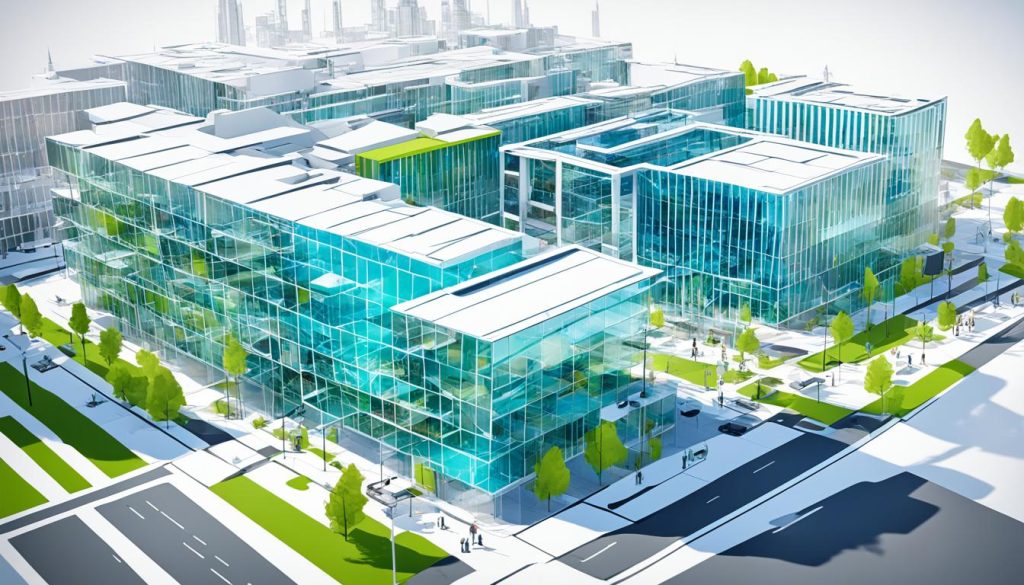
Thus, Building Information Modeling is more than just a tool. It's an essential platform for managing the complexity of construction projects today. The adoption of this technology is growing, demonstrating that efficiency is the focus.
Sustainable materials and renovation in civil construction.
A sustainable construction It is increasingly important nowadays. The search for ecological materials It's growing rapidly. These materials are good for the environment and meet the market's need for buildings that are less harmful to the planet.
The news in materials They are bringing better and less harmful solutions to the environment. For example, recycled concrete and bricks made from industrial waste show that we can use what was previously discarded. This reduces the need for new materials and reduces waste.
Renovating the construction industry means combining environmental responsibility and energy efficiency. Using solar panels and rainwater harvesting systems makes buildings examples of sustainability. They combine functionality with care for the environment.
The future of construction will be better with these new materials and techniques. They promote healthy environments and cost savings for homeowners. Spreading these innovations is crucial for sustainable development.
The impact of artificial intelligence on modern architecture.
AI is changing the world of architecture. It's bringing about a revolution in design and construction. With artificial intelligence, architectural projects become more dynamic and personalized.
From start to finish, AI improves the accuracy of projects. It simulates environments and analyzes data with great precision. This makes construction more efficient and innovative.
With AI, architects can test and adapt ideas quickly. This helps achieve better results. Artificial intelligence is transforming architecture, making it more sustainable and accessible.
Multifunctional spaces and adaptation to new lifestyles.
Trends show an increase in demand for flexible architecture. This is vital for dealing with lifestyle changes nowadays. With work and home merging, the adaptable spaces They are essential in interior and exterior design.
O functional design It improves the lives of residents. It makes good use of space and meets various needs. For example, a bedroom can become an art studio or a living room.
This shift is prompting architecture professionals to consider new forms of design. They are using furniture that serves multiple purposes and creating environments that can be modified. This demonstrates how architecture is evolving with technology and new social expectations.
In conclusion, the flexible architecture, you adaptable spaces and the functional design They are more than just current solutions. They anticipate the future of urban and domestic life. They create a new era in architecture, where functionality and beauty unite perfectly.
The concept of tiny houses and efficient maximalism.
Tiny houses blend space optimization and maximalism in an incredible way. They challenge what we know about living in small spaces. Every inch is designed to be functional and stylish.
These houses are perfect for those who want to live simply and reduce their environmental impact. They show that it's possible to be efficient and maximalist at the same time.
To optimize space, tiny houses use retractable furniture, vertical spaces, and smart technologies. This allows residents to make better use of what they have.
Tiny houses are not just a response to the high cost of real estate. They represent a new way of looking at maximalism in architecture. 'Less is more' becomes 'small is grand'.
The popularity of tiny houses reflects a cultural shift towards conscious minimalism. This combines with a love for detailed and personalized design. Thus, maximalism in architecture takes on a new meaning.
This movement redefines what we think about space and ownership. It shows a shift in social priorities towards more sustainable and personalized lifestyles.
In conclusion, the interest in tiny houses and efficient maximalism reveals a new form of architecture. This trend caters to those seeking economical and ecological living. It also raises the standard of design, bringing luxury, personalization, and maximalism to small spaces.
Inclusive design and accessibility as a principle for future projects.
A inclusive architecture and the accessibility They are more than rules. They are an ethical and innovative principle. They support the universal projects. In a diverse world, it is crucial that spaces accommodate all users.
Designing with inclusion and accessibility in mind brings many benefits. It goes beyond simply following the law. It expands the use of space, promotes equality, and improves the lives of users. Considering these aspects from the outset means innovating and being socially responsible.
Inclusive architecture demonstrates conscious and strategic planning. It benefits society as a whole. Companies and professionals who adopt these principles improve the market. They establish new standards of quality and functionality in their constructions. Thus, accessibility becomes essential to creating more humanized and universal spaces.
The power of data and customization in architecture.
A integrating big data into the architecture This is changing how spaces are planned. This is transforming the architectural customization In a profound way, architects use large volumes of data to predict and adapt designs to user needs.
This results in buildings that exceed expectations by being both functional and aesthetically customized.
O data-driven design It brings a scientific and precise approach to project development. Every design decision can now be based on concrete evidence. This makes the final result more suited to today's demands.
Information regarding the use of spaces, materials, and climatic conditions is analyzed. This helps to improve the performance of buildings.
Renovations and restructurings also benefit from the use of data. With the big data in architecture, It is possible to transform old buildings into modern spaces. This maintains or increases their market value and cultural relevance.
A architectural customization The efficiency achieved through these techniques improves. It also creates a unique connection between the space and those who use it.
The discussion about data-driven design This is crucial for the future of architecture. Professionals who adopt these practices don't just follow trends; they contribute to an innovative built environment that meets human needs.
The importance of integrating data analytics into architecture is growing. This paves the way for future, more customized and efficient projects.
Modular architecture and prefabricated constructions
To the modular constructions e prefabricated They are changing the way we build. They make construction more efficient, improve quality control, and reduce waste.
A modular construction It assembles prefabricated components quickly. This makes the process faster and more flexible, and it can be done in any climate. Furthermore, it's easy to adapt or expand the design.
You prefabricated They are made in a controlled environment. This helps to avoid delays and problems on the construction site. The precision in manufacturing ensures a perfect assembly with superior finishes.
These innovations not only change the way spaces are made, but they are also good for the environment. They reduce waste and use less energy, following sustainability principles.
To use modular architecture e prefabricated It's about being at the forefront of technology. This not only speeds up the process but also makes construction smarter and more sustainable.
Conclusion
A A future vision of architecture is linked to innovations in design and technology. The trends point to a sustainable, flexible, and inclusive future. They promise to change how we build and live, meeting the needs of society.
Nature and the city are coming together better. We use ecological materials and efficient techniques. Artificial intelligence and strategic data are showing the future of architecture, bringing about global changes.
Accessibility and inclusive design are important fundamentals. They ensure that designs are for everyone. The combination of design and technology It prepares the future to be sustainable and adaptable. This demonstrates a commitment to the evolution and well-being of all.