

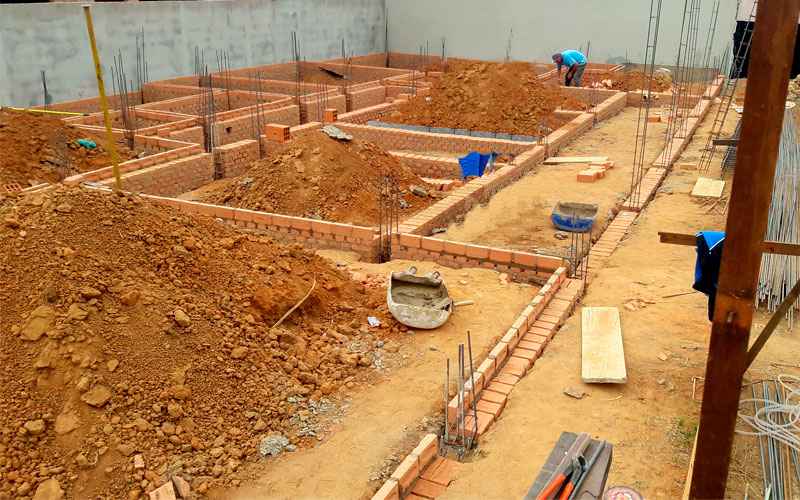
















In the world of civil construction, structural planning is one of the most crucial and decisive steps for the success of any project. Whether it's a house, a commercial building, or a large infrastructure project, the structure is the backbone that supports the entire construction. A well-executed plan not only guarantees the stability and safety of the building but also provides resource savings, time optimization, and longevity to the project.
In this article, we will explore in more depth why structural planning is fundamental and how it can directly impact the success and durability of a construction project.
Defining Structural Planning
First of all, it's important to understand what structural planning is. It's the phase in which calculations, projections, and technical definitions are made to determine the best way to construct the foundation and supporting structures of a building. This involves choosing the appropriate materials, construction techniques, and the most efficient methods to ensure that the structure will withstand the loads imposed on it throughout its lifespan.
Essentially, structural planning aims to guarantee three fundamental aspects:
- ResistanceThe structure must withstand all stresses and loads without compromising its integrity.
- StabilityThe structure must maintain static and dynamic equilibrium, resisting movements such as strong winds and earthquakes.
- DurabilityThe building should be designed to withstand time and weather with minimal maintenance required.
Cost Control and Reduction
One of the great benefits of structural planning is the cost savings it provides throughout the project. When the structure is well planned, it is possible to accurately predict the necessary materials, avoiding excesses or shortages of resources. Each material has its specific function, and correct dimensioning prevents waste, ensuring that each element fulfills its function in the most efficient way possible.
Furthermore, by avoiding improvisation or adjustments during construction, which often generate more expenses than anticipated, structural planning allows financial resources to be applied more strategically and effectively. Unforeseen problems during the construction phase almost always result in cost increases and delays, which can be avoided with a well-planned and detailed structural design.
Another point to consider is the reduction in the need for rework. Calculation errors or flaws in the execution of the structure can lead to the need for corrections which, in addition to being costly, can compromise the construction schedule. With proper structural planning, these problems are anticipated and avoided.
Time and Execution Optimization
When it comes to civil construction, time is one of the most critical factors. Delayed projects often result in increased costs and negative impacts for investors and the reputation of the company involved.
With detailed structural planning, all stages of the project are precisely scheduled, allowing the timeline to be followed without unforeseen events. A clear definition of each construction phase helps to coordinate the efficient use of resources. This includes both materials and labor. By knowing exactly what will be done at each stage, the construction team can work in a more cohesive and organized manner, reducing the risk of interruptions.
Furthermore, good coordination between the different professionals involved—civil engineers, architects, electricians, plumbers, among others—is essential to avoid overlapping tasks or delays due to lack of synchronization. With good structural planning, this communication is facilitated, allowing everyone involved to know their responsibilities and deadlines.
Safety: The Most Important Factor
Without a doubt, the most important factor in any engineering project is safety. Inadequate structural planning can lead to catastrophic failures, compromising the integrity of the building and, consequently, the lives of the people who use it. Tragedies such as building collapses and cave-ins, which unfortunately still occur, are often the result of structural failures stemming from poor planning or inadequate execution.
Safety begins with the structural design, requiring precise calculations of loads and safety factors, taking into account all possible variables: permanent loads (such as the weight of the structure itself), accidental loads (such as people and furniture), and environmental loads (wind, snow, rain, earthquakes, etc.). The design must ensure that the structure is capable of withstanding all these conditions without any compromise over time.
In addition to calculations, planning also involves choosing appropriate materials. Low-quality or poorly dimensioned materials can compromise the entire construction. Therefore, during structural planning, the engineer needs to ensure that the specified materials are not only suitable but also meet technical standards and safety regulations.
Longevity and Reduced Maintenance
Another advantage of good structural planning is the guarantee of the building's longevity. Well-planned structures tend to require less maintenance over time, which translates into long-term savings. Poorly planned buildings, on the other hand, frequently present problems that require constant intervention, such as cracks, leaks, unevenness, among others.
By considering factors such as thermal expansion, vibrations, stresses, and deformations, engineers can design structures that not only withstand the test of time but also minimize maintenance costs. This is especially important in large infrastructure projects, such as bridges and viaducts, where natural wear and tear is a constant concern.
Examples of Structural Failures and Their Consequences
Several real-world examples illustrate the serious consequences of structural planning failures. One of the best-known cases was the collapse of the Tacoma Narrows Bridge in the United States in 1940. The bridge collapsed due to a flaw in the structural design, which did not take into account the resonance effects caused by strong winds. Another example was the collapse of part of the Wilton Paes de Almeida building in São Paulo in 2018, which revealed structural weaknesses that were not detected in time.
These cases, although extreme, demonstrate how structural planning is fundamental to the safety and durability of buildings. Errors in design can result in human tragedies and immeasurable financial losses.
Conclusion
In short, structural planning is the solid foundation upon which the success of any construction project is built. Through it, it is possible to guarantee not only the safety and stability of the building, but also the optimization of resources, cost reduction, and time savings.
Investing in proper structural planning, with qualified and experienced professionals, is not just good practice; it's a requirement for any builder or client seeking quality, durability, and efficiency in their projects. Ultimately, what is achieved is more than just a successful construction project—it's the peace of mind of knowing that everything was done with maximum safety and precision, ensuring everyone's well-being.