

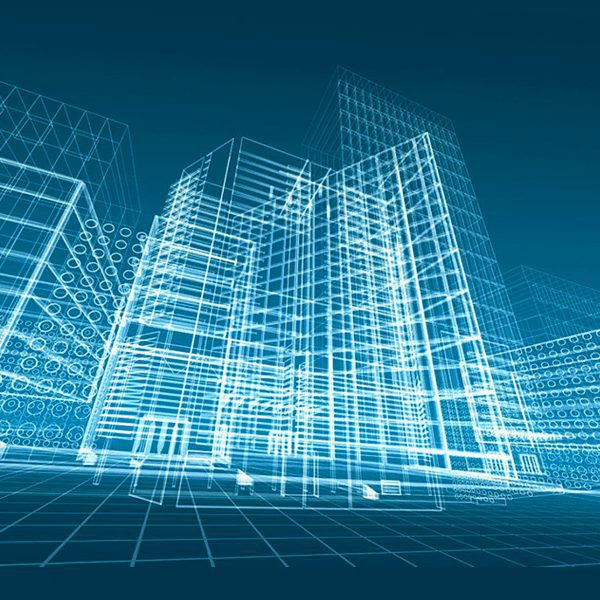




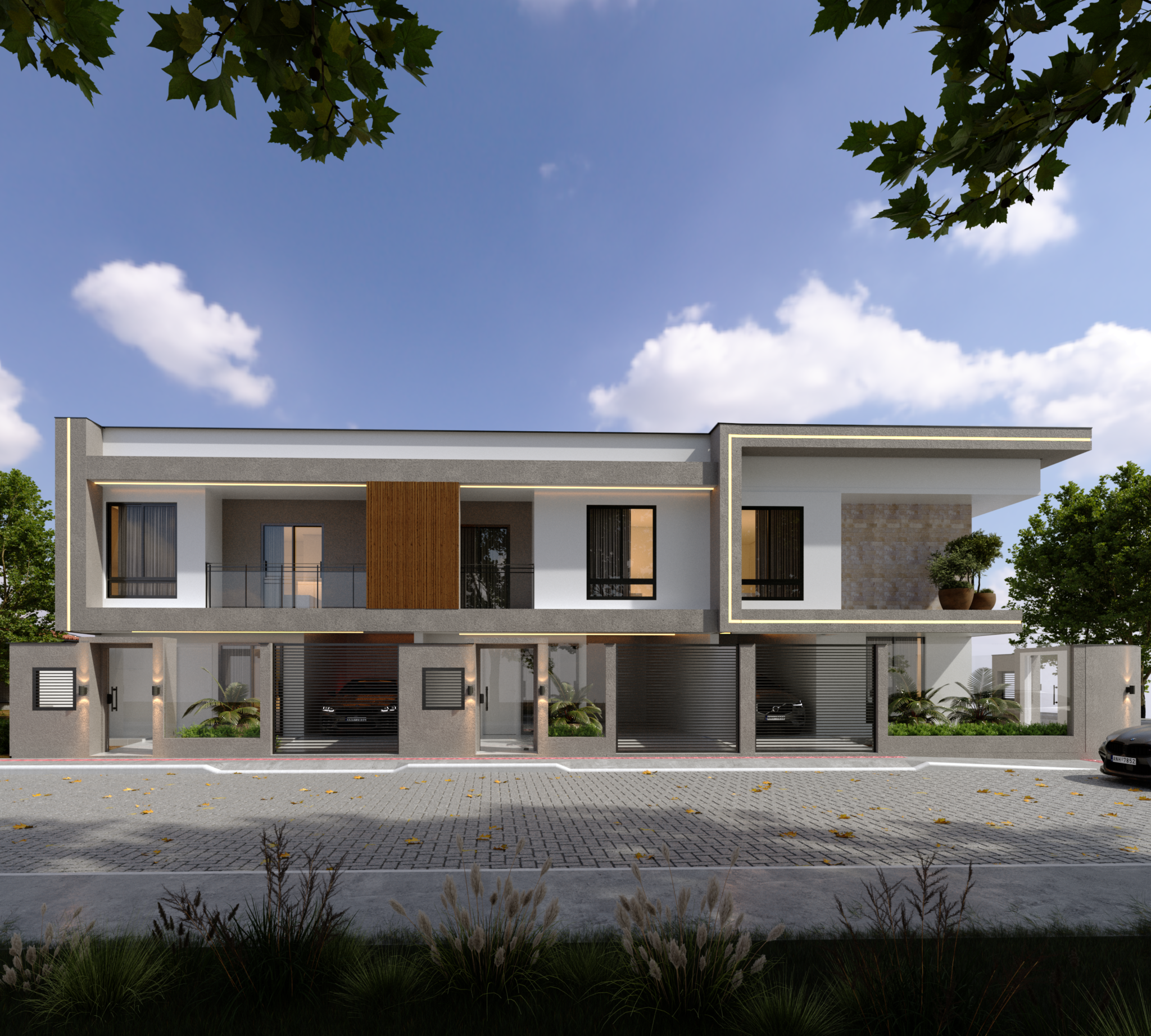











Building Information Modeling (BIM) technology is revolutionizing the way the construction industry designs, plans, and executes its projects. Much more than just software, BIM is a methodology that integrates detailed information about all aspects of a construction project, from initial design to demolition, allowing for greater precision, collaboration, and efficiency.
In this article, we will explore how this innovative tool is transforming the sector and bringing numerous benefits to engineers, architects, builders, and, of course, end customers.
1. Full Integration of Project Stages
One of the major transformations brought about by BIM technology is the complete integration of all stages of a project. From the moment the architect draws the plan to the final execution phase, all professionals involved can access the same digital model in real time.
This means that engineers, electricians, plumbers, construction managers, and suppliers can collaborate in a synchronized manner, eliminating communication errors and optimizing workflow.
Furthermore, BIM allows changes to the project to be viewed instantly by everyone. For example, if a change to the floor plan impacts the plumbing system, the engineer responsible for that part is automatically notified and can adjust their part of the work without having to wait.
2. Increased Precision and Detail
Another major benefit of BIM is the extremely high level of detail it offers. Unlike traditional methods, which often rely on 2D plans or incomplete descriptions, BIM allows for the creation of precise 3D models that include not only the geometry of the building, but also detailed specifications on materials, energy systems, lighting, ventilation, and much more.
This precision drastically reduces the chance of errors during construction. Because the BIM model includes all project details, from the smallest screw to the positioning of electrical systems, it's possible to identify inconsistencies or flaws even before construction begins.
3. Cost and Delay Reduction
With BIM, construction costs can be better controlled. This is because detailed planning and simulations allow for more accurate prediction of the quantity of materials, the time required for each stage, and the human resources involved.
By anticipating problems and proposing solutions during the design phase, BIM drastically reduces rework, which is often responsible for delays and additional costs. For example, it is possible to simulate different construction scenarios and choose the one that offers the best cost-benefit ratio without compromising quality.
Furthermore, since all changes are made directly to the digital model, there are considerable savings on design revisions and modifications that, using other methods, would require time and money to correct.
4. Sustainability and Energy Efficiency
Sustainability in civil construction is one of the most discussed topics today, and BIM plays a fundamental role in this context. Through energy and environmental simulations, BIM allows professionals to optimize the energy efficiency of a project even before putting it into practice.
For example, it is possible to test different configurations of natural lighting, ventilation, and heating to ensure that the building has the least possible environmental impact. Furthermore, BIM assists in the selection of sustainable materials and in the planning of water and energy reuse systems.
Therefore, in addition to providing more efficient construction, BIM helps reduce the ecological footprint, something that is increasingly valued by consumers and the market in general.
5. Improved Building Lifecycle Management
The transformation provided by BIM technology is not limited to the construction period. It extends throughout the entire life cycle of the building. From the moment the project begins until the end of the building's useful life, all information remains available in the BIM model.
Conclusion
BIM technology is transforming the construction industry by providing greater integration, precision, and sustainability. With it, it's possible to reduce errors, control costs, and optimize deadlines, ensuring that all professionals involved are always aligned with the project. Furthermore, BIM offers a level of detail that goes beyond construction, facilitating management and maintenance throughout the entire lifecycle of the building.
By adopting BIM, engineers, architects, and builders ensure not only more efficient and economical projects, but also more durable and sustainable buildings. In an increasingly competitive and demanding market, BIM technology stands out as an essential tool for those seeking innovation and quality in construction.