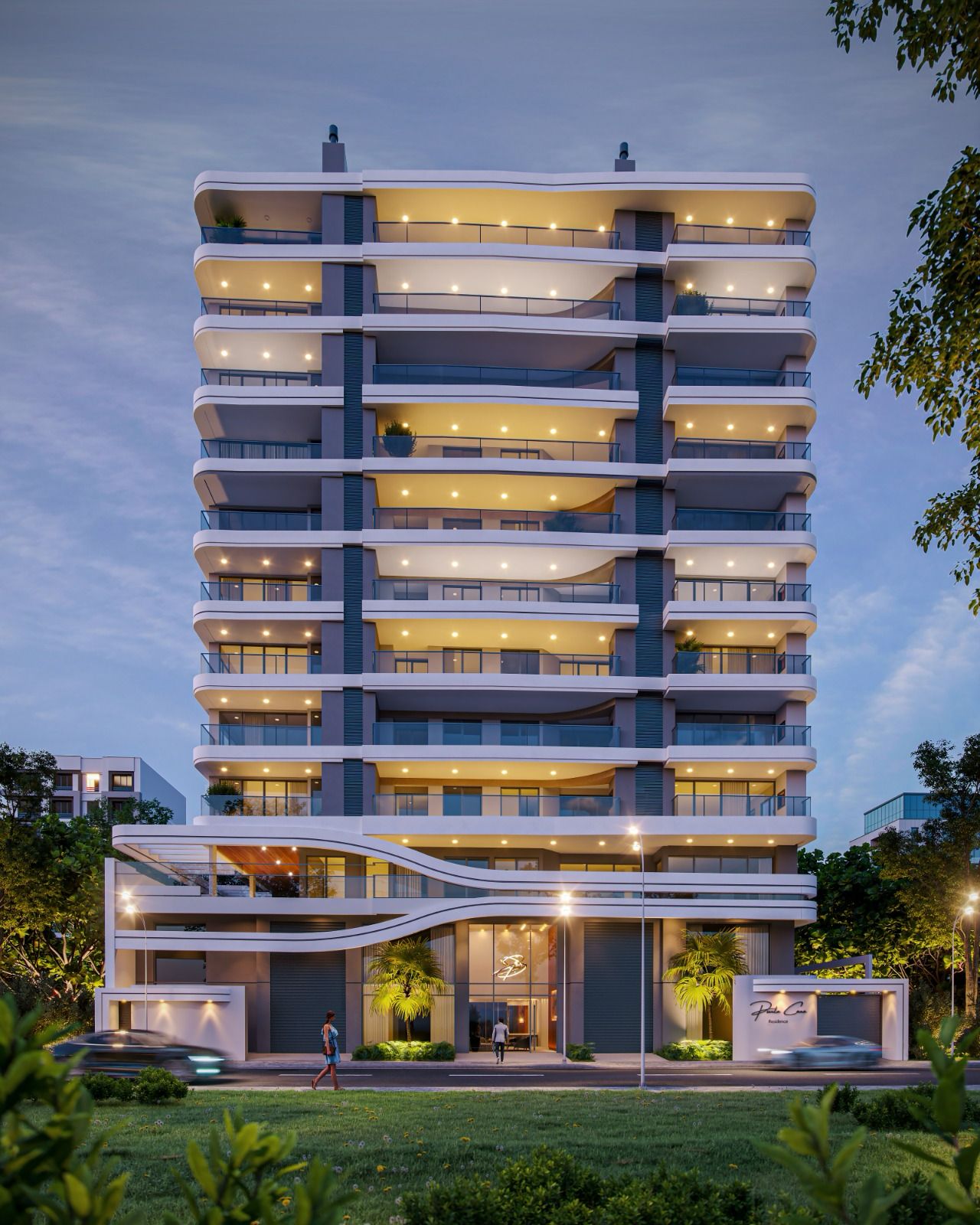
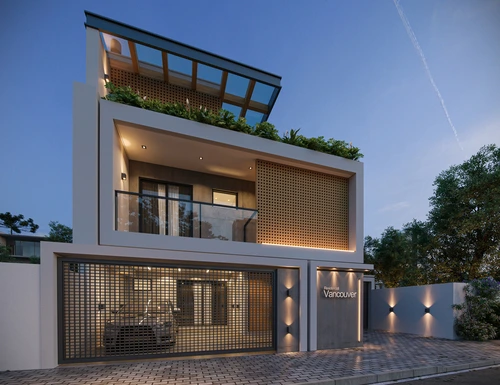
The success of a work It goes far beyond good ideas.. It depends, above all, on integration between architecture and engineering.
In cities like Piçarras Beach, Penha and Barra Velha, where urban growth is constant e The cost per square meter increases every year., this union becomes essential to ensure efficiency, economy and quality.
The architecture plans, creates and inspires. Engineering, on the other hand, It materializes and ensures the technical execution..
When both work together from the beginning, The results become more predictable, secure, and sustainable..
Furthermore, This partnership reduces errors, avoids rework, and improves construction performance..
Why Architecture and Engineering Need to Go Hand in Hand
For a long time, Architects and engineers worked separately..
The architect focused on design and aesthetics, while the engineer took care of the structure and feasibility.
Nonetheless, with the advancement of civil construction and new technologies, It became clear that The two areas complement each other..
Like this, Collaboration has become indispensable for delivering more functional, safe, and economical projects..
When work is integrated, The benefits appear in all phases of the project.. For example:
- Precise compatibility including structural, electrical and hydraulic projects;
- Saving time and materials, resulting in faster execution;
- Greater technical safety and legal compliance., in accordance with current regulations;
- Improved environmental performance and thermal comfort., with the rational use of resources.
Furthermore, Each city presents specific challenges that require joint solutions..
In Piçarras, for example, the sea winds and the narrow terrain they ask integration between the architect and the structural engineer.
Meanwhile, in Penha, sandy soils and natural slopes require Technical detailing from the initial design phase.
Already Barra Velha, the expansion of horizontal condominiums reinforces the need for harmony between architecture, drainage and road infrastructure.
Therefore, Constant communication between disciplines is the foundation of a successful project..
Compatibility: The Link to Efficiency
A project compatibility It is the process that ensures technical integration between all disciplines involved..
With her, It is possible to identify interferences before execution., like ducts running through beams or poorly positioned outlets.
Thus, Compatibility avoids rework, reduces costs, and improves the schedule..
In WGB Engineering, this step It is conducted collaboratively and internally., what ensures accuracy and speed in delivery..
As a result, the gains are substantial:
- Reduction of up to 30% in rework. during execution;
- Savings of 5% to 10% in the total cost of the project.;
- More predictable timelines and on-time deliveries.;
- Reduced risk of discrepancies between design and execution..
Furthermore, This practice reinforces the quality standard that the northern coast of Santa Catarina demands., combining technical efficiency and aesthetic value.
The Integrated Method of WGB Engineering
In WGB Engineering, The integration between architecture and engineering begins from the very first line..
Architects and structural, electrical, and plumbing engineers work simultaneously.
As a result, Decisions are made based on real and up-to-date data., what It reduces errors and optimizes the process..
Furthermore, WGB's methodology improves communication with the client and reduces review costs..
To ensure maximum efficiency, The company uses advanced technologies., such as:
- 3D BIM modeling (Building Information Modeling), that detects conflicts automatically;
- Realistic renderings, that They allow you to validate the layout before execution.;
- Automated cost spreadsheets, that They guarantee financial predictability..
That way, Each project is born complete, coherent, and ready to be executed..
Like this, Technology becomes an ally of creativity, transforming planning into results..
Intelligent Architecture: Aesthetics and Functionality
A contemporary architecture needs to balance beauty, functionality and technical efficiency.
In WGB Engineering, Every aesthetic decision is evaluated from an engineering standpoint., guaranteeing viable and elegant solutions.
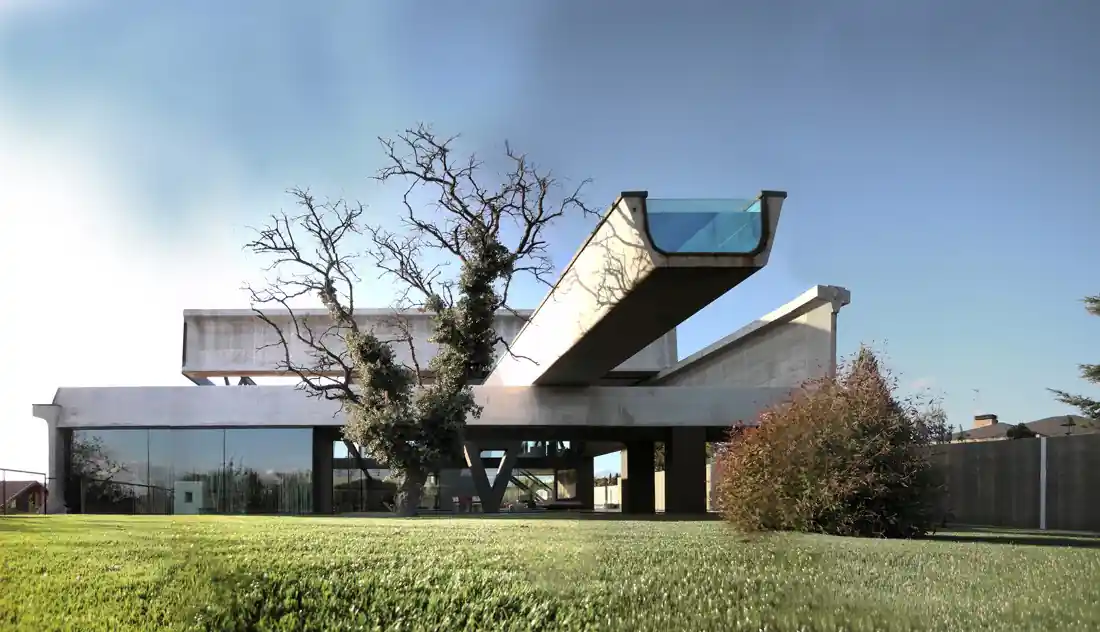
For example, in Piçarras, facades with large openings and wide windows they need precise structural design.
Without this analysis, Water infiltration, deformation, and overloading can occur in the slabs..
That's why, WGB professionals jointly define the materials and the position of each element., since from the openings to the construction details.
Consequently, Aesthetics become functional, and engineering ensures durability and safety..
Precision Engineering Applied to Architecture
A precision engineering It is the technical foundation of architecture.
In WGB Engineering, Each decision is based on detailed calculations and simulations., what ensures reliability and efficiency..
Among the analyses performed, the following stand out:
- Thermal and acoustic performance, that It provides comfort and savings.;
- Optimized structural design, that reduces costs and waste;
- Electrical and hydraulic planning, that avoids overloads;
- Natural ventilation analysis, that improves energy efficiency.
With this approach, Each work achieves the ideal balance between technique, aesthetics, and cost..
Furthermore, Technical precision ensures safety and reduces future maintenance..
Sustainability and Efficiency on the Coast of Santa Catarina
The integration between architecture and engineering It also strengthens sustainability..
With stricter environmental requirements e greater market awareness, Projects need to be efficient and responsible..
In WGB Engineering, sustainability It is considered from the initial phase..
Among the main strategies are:
- Taking advantage of solar orientation, to reduce energy consumption;
- Rainwater harvesting and reuse, essential in coastal regions;
- Use of recyclable materials and local suppliers., that They reduce the environmental impact..
These practices They promote long-term savings, thermal comfort, and increased property value..
Like this, WGB Engenharia combines technology, efficiency, and environmental responsibility. in each project.
Real-World Examples of Successful Integration
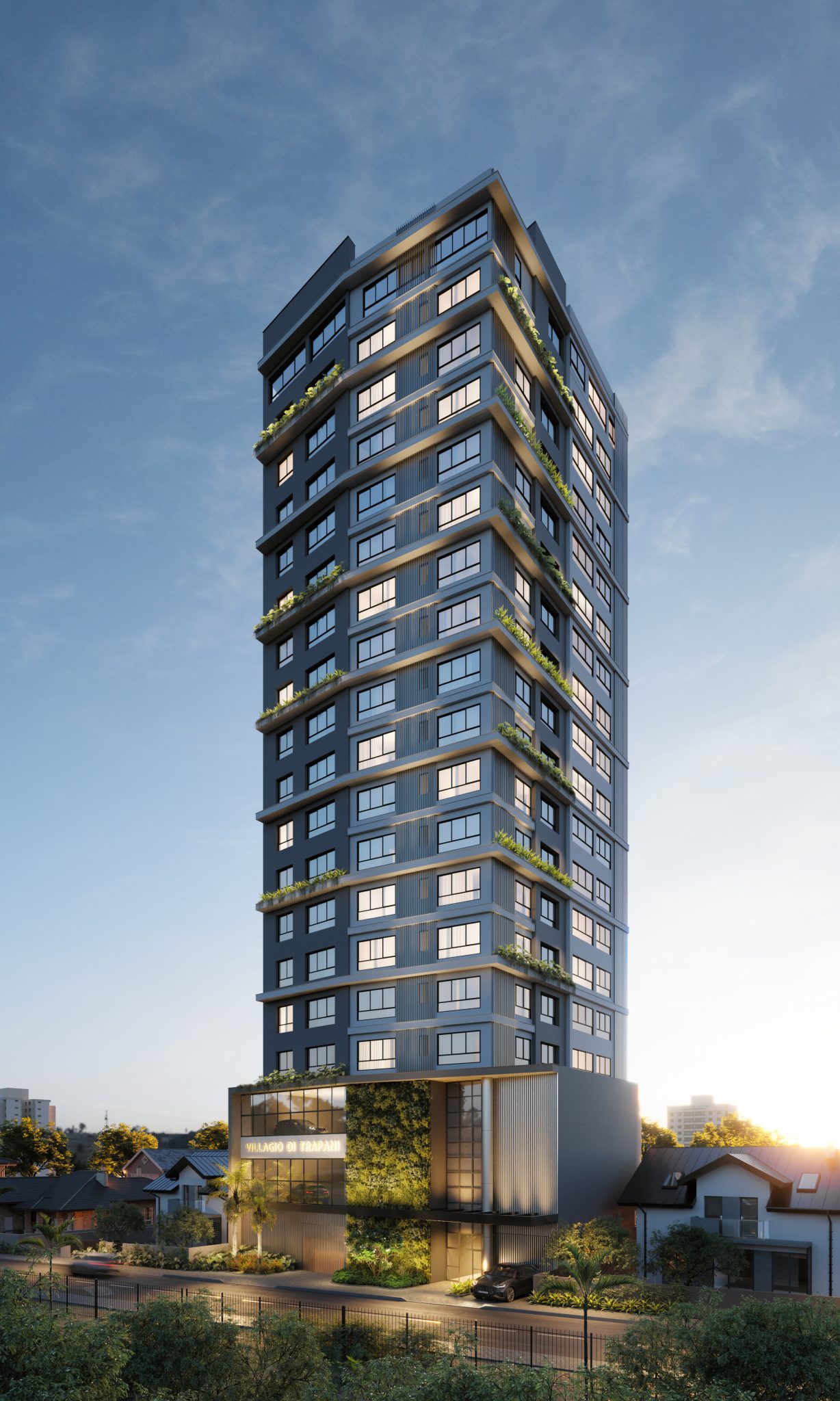
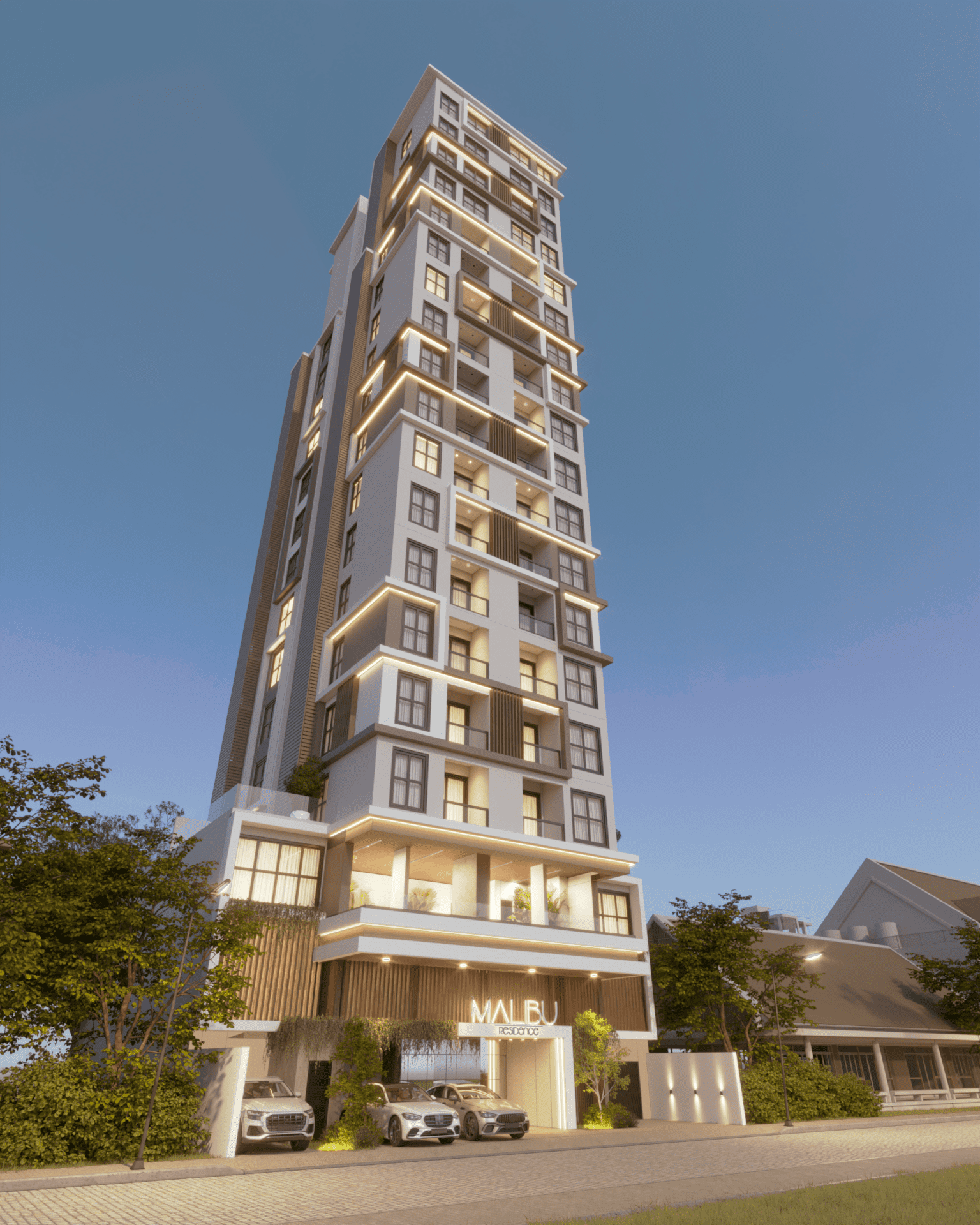
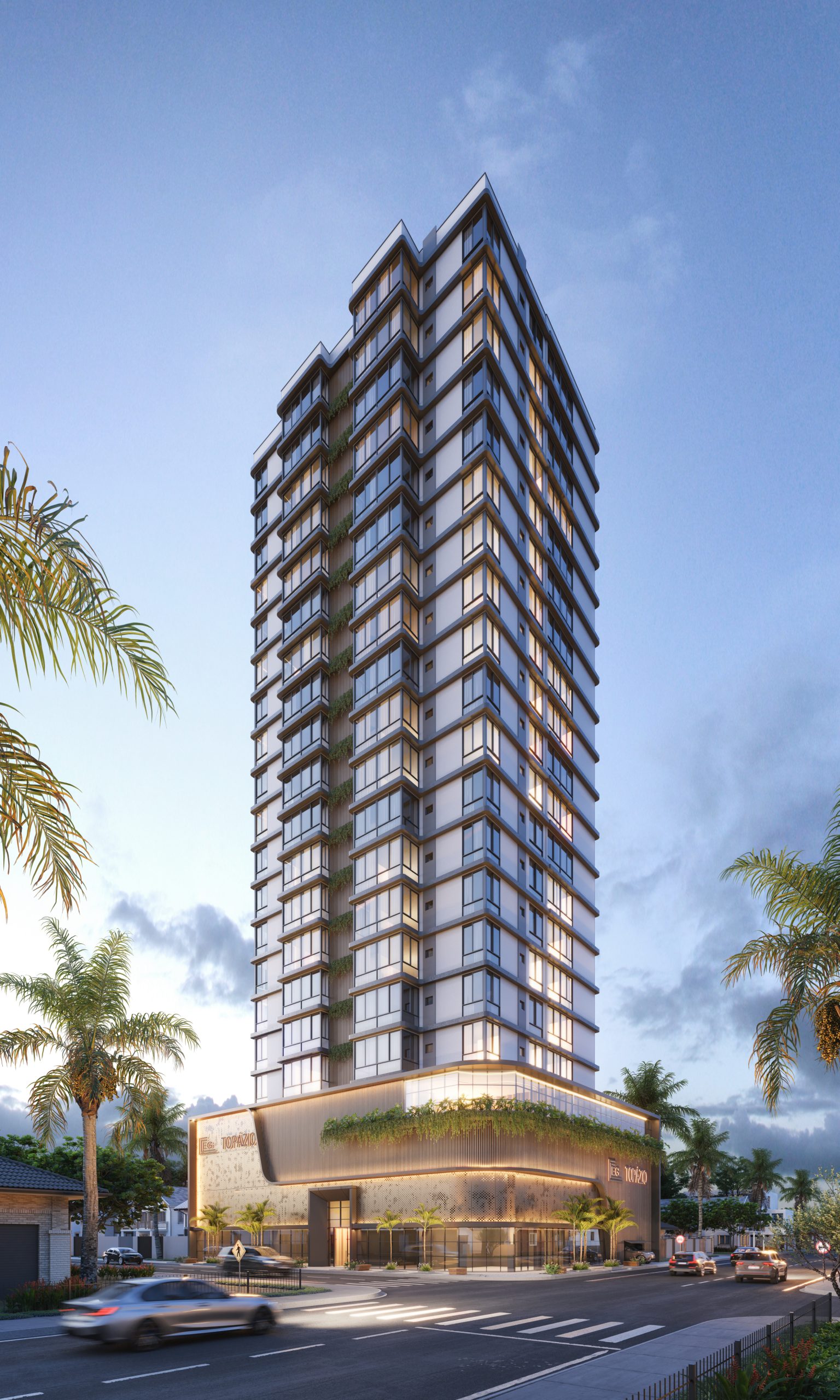
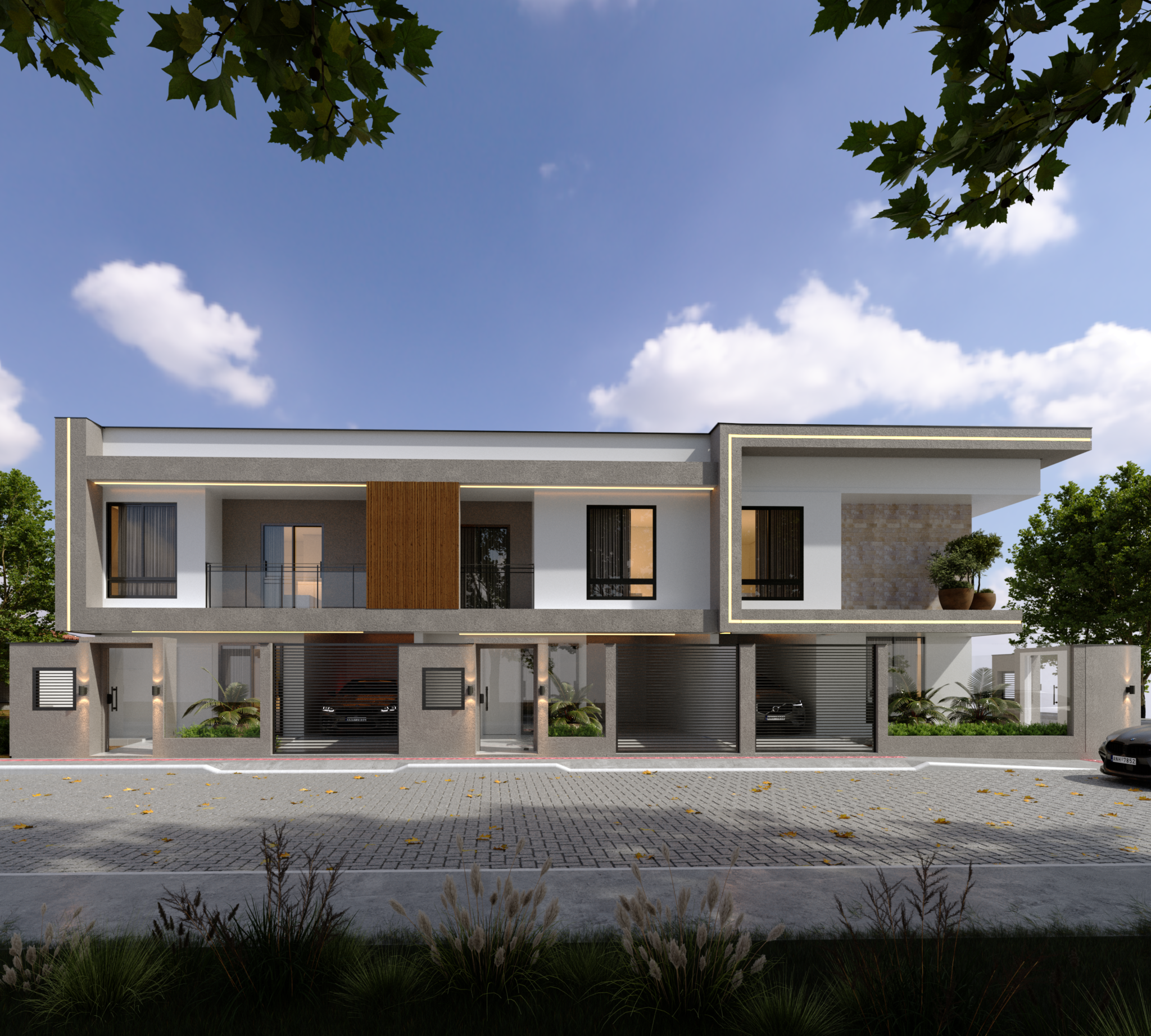
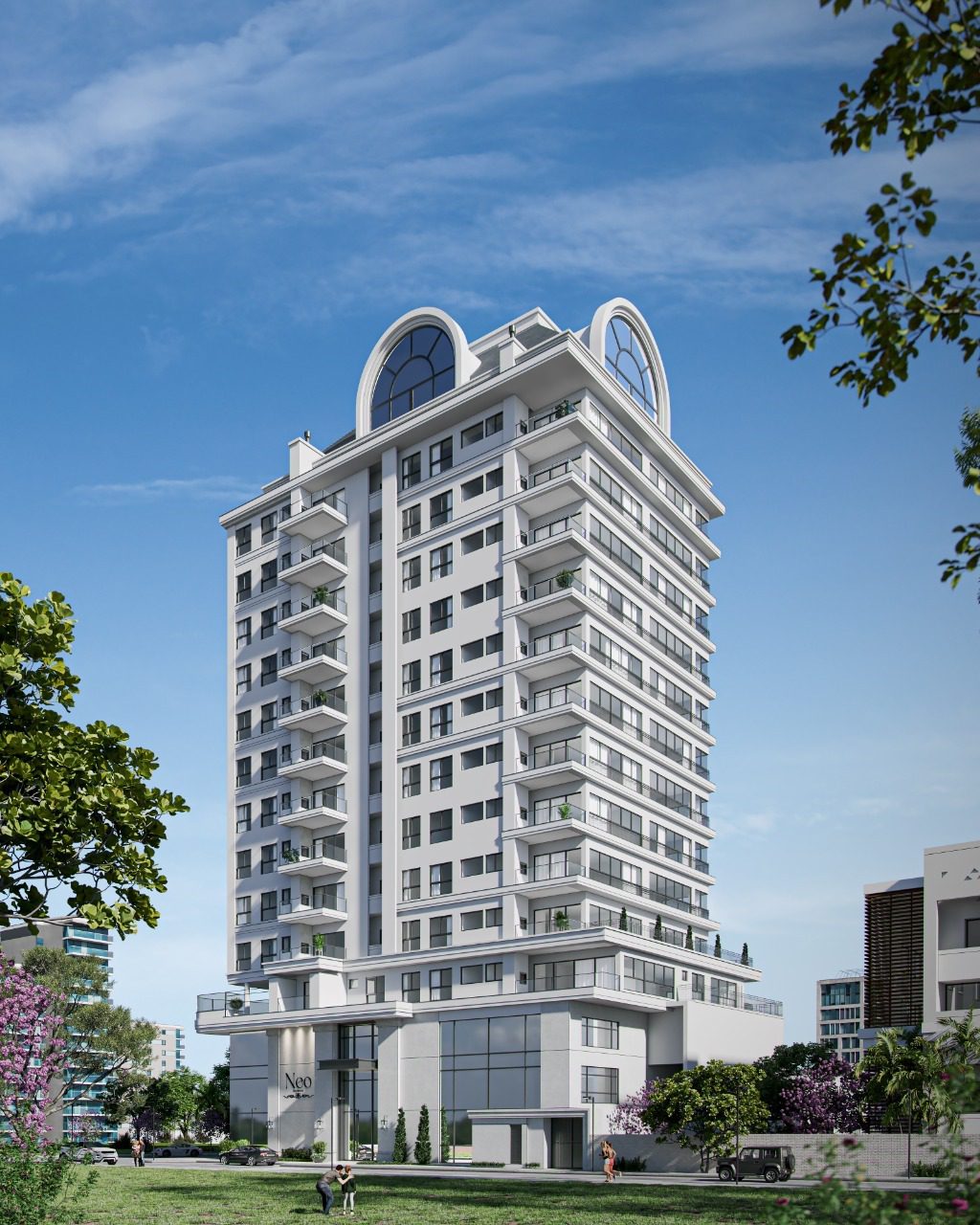
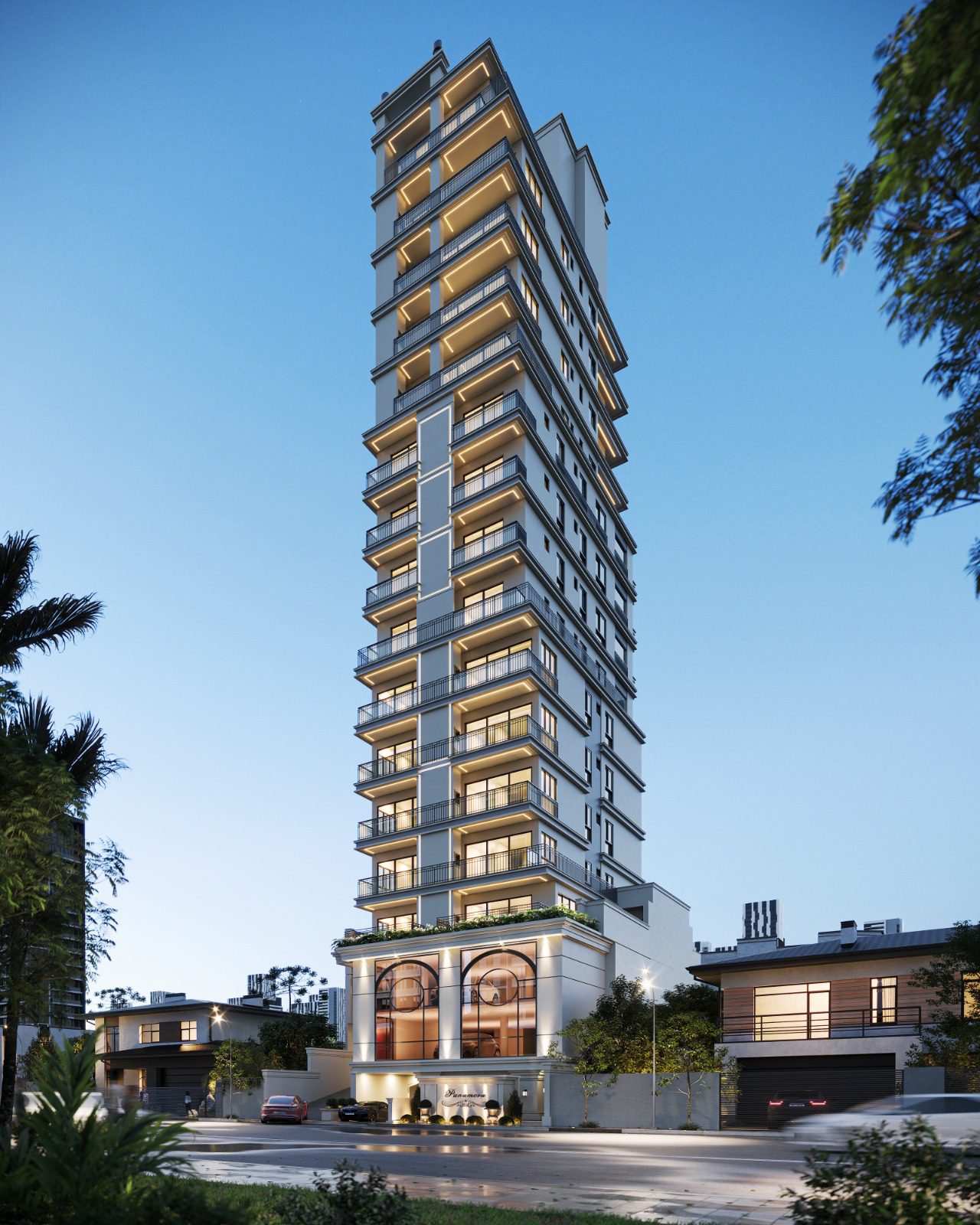
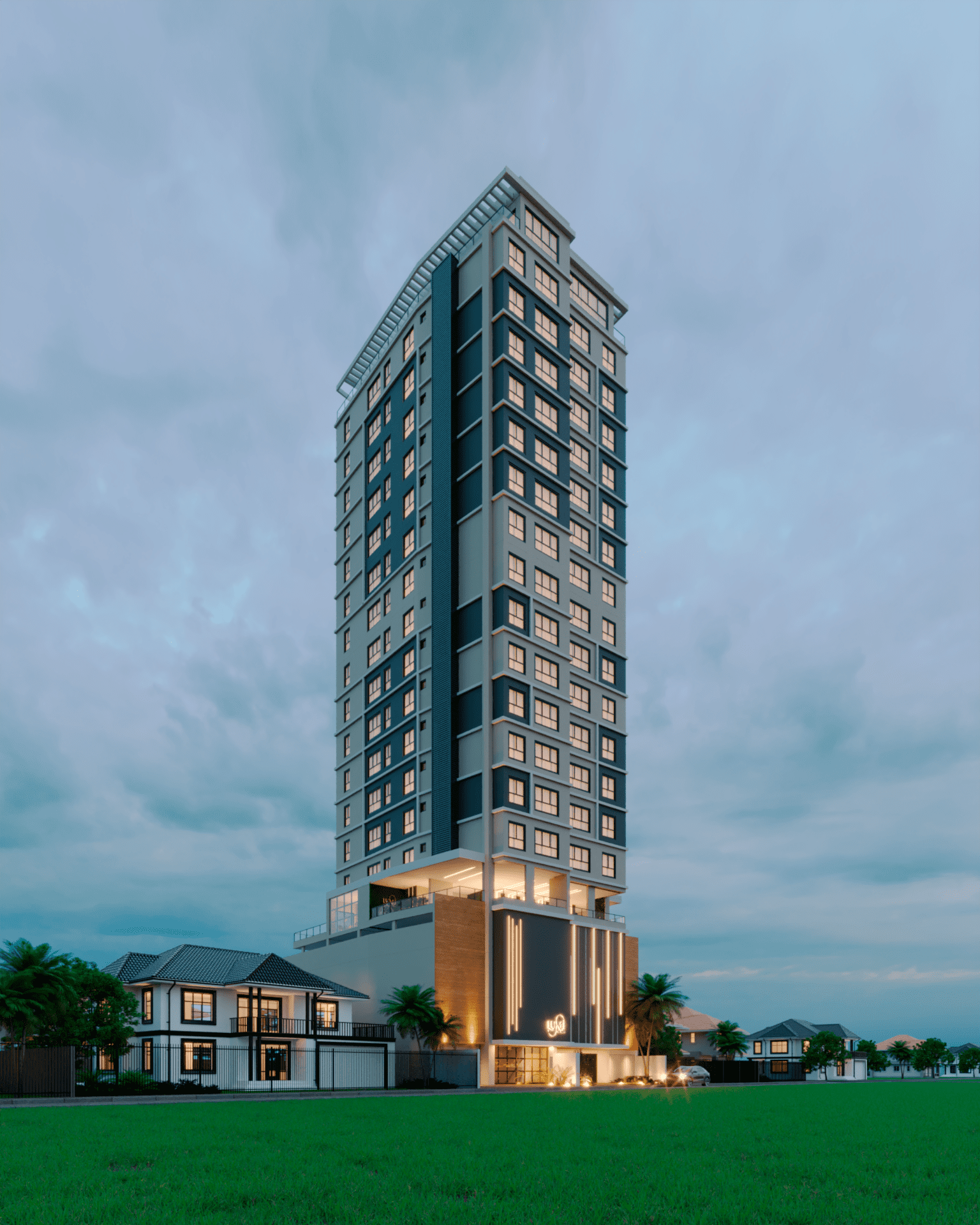
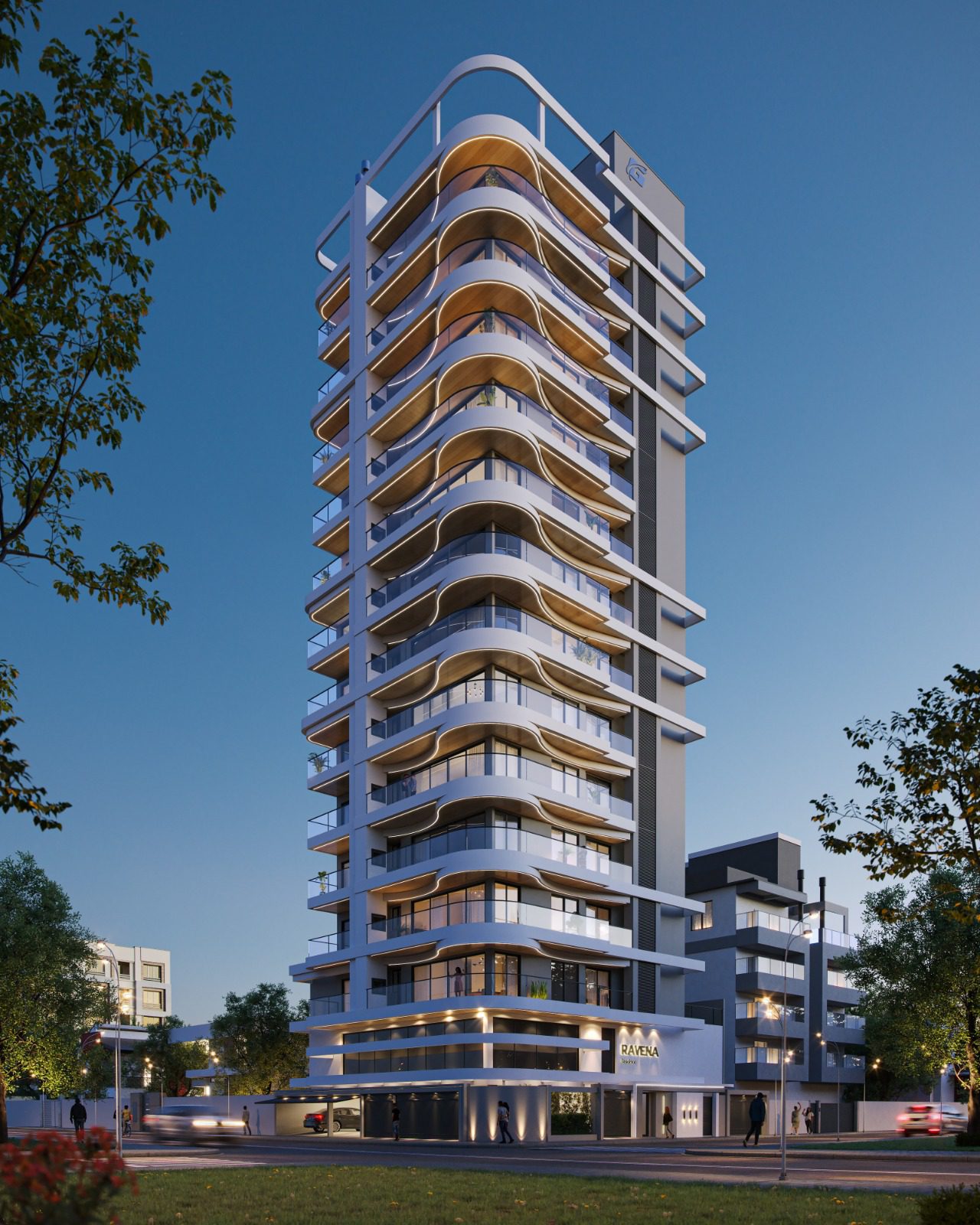
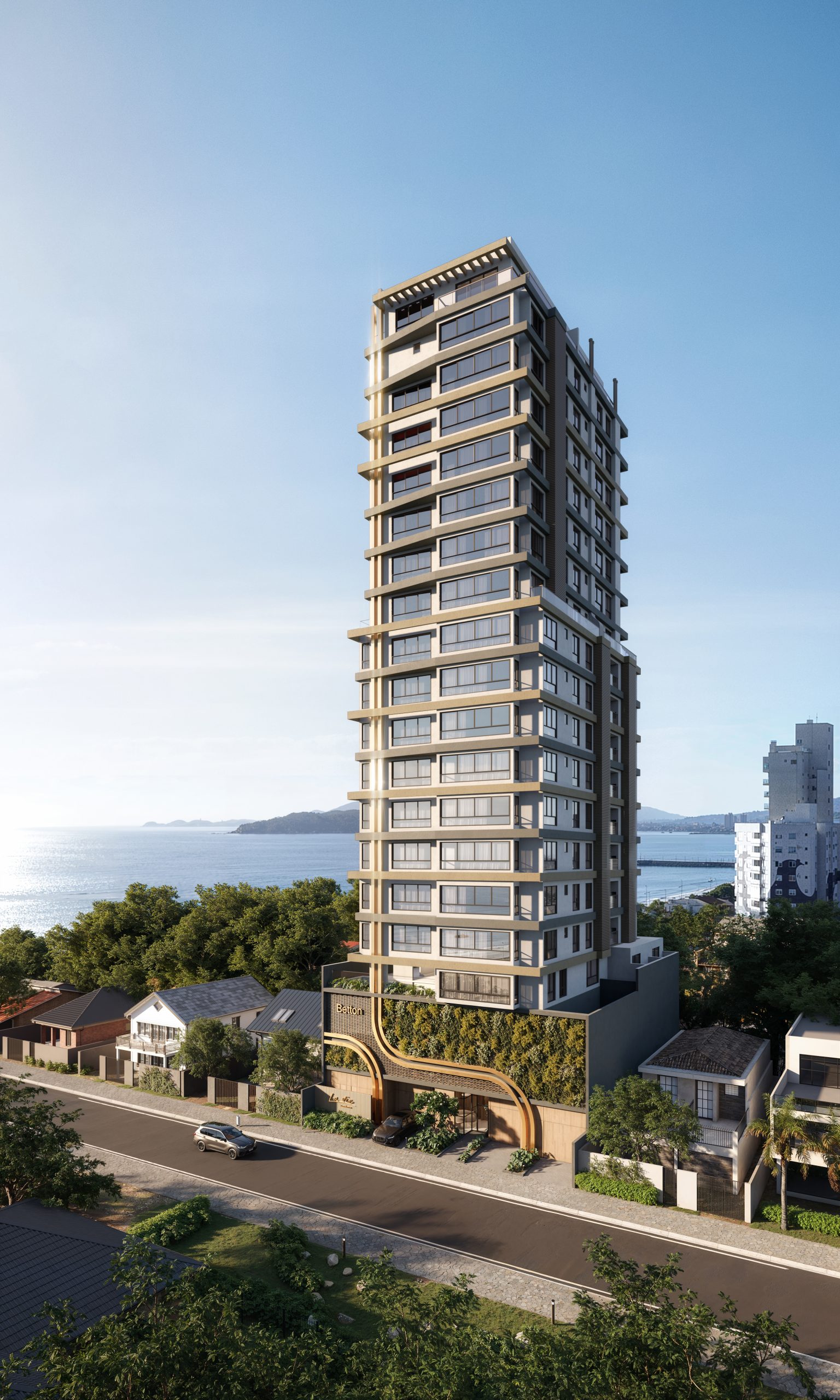
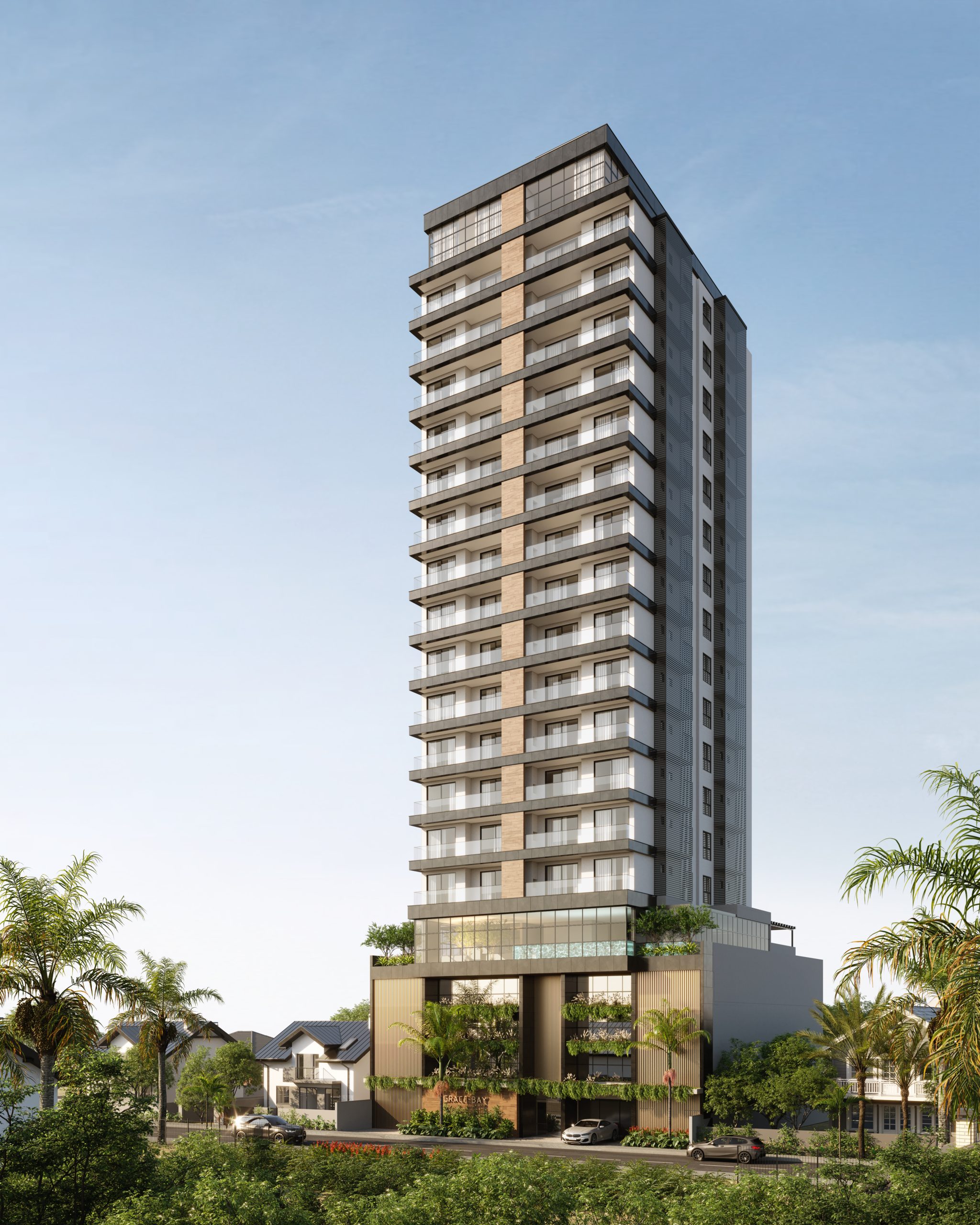
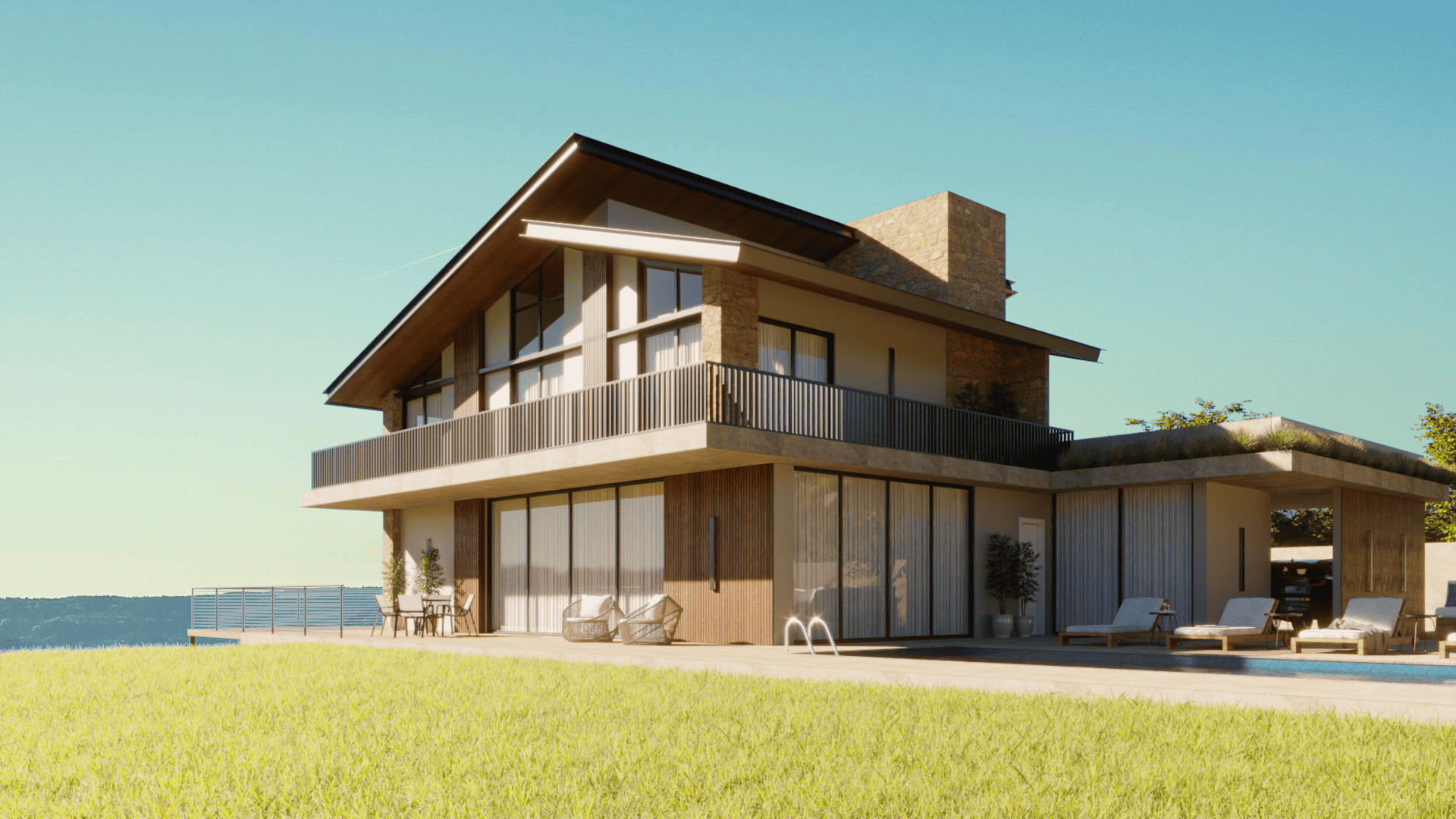
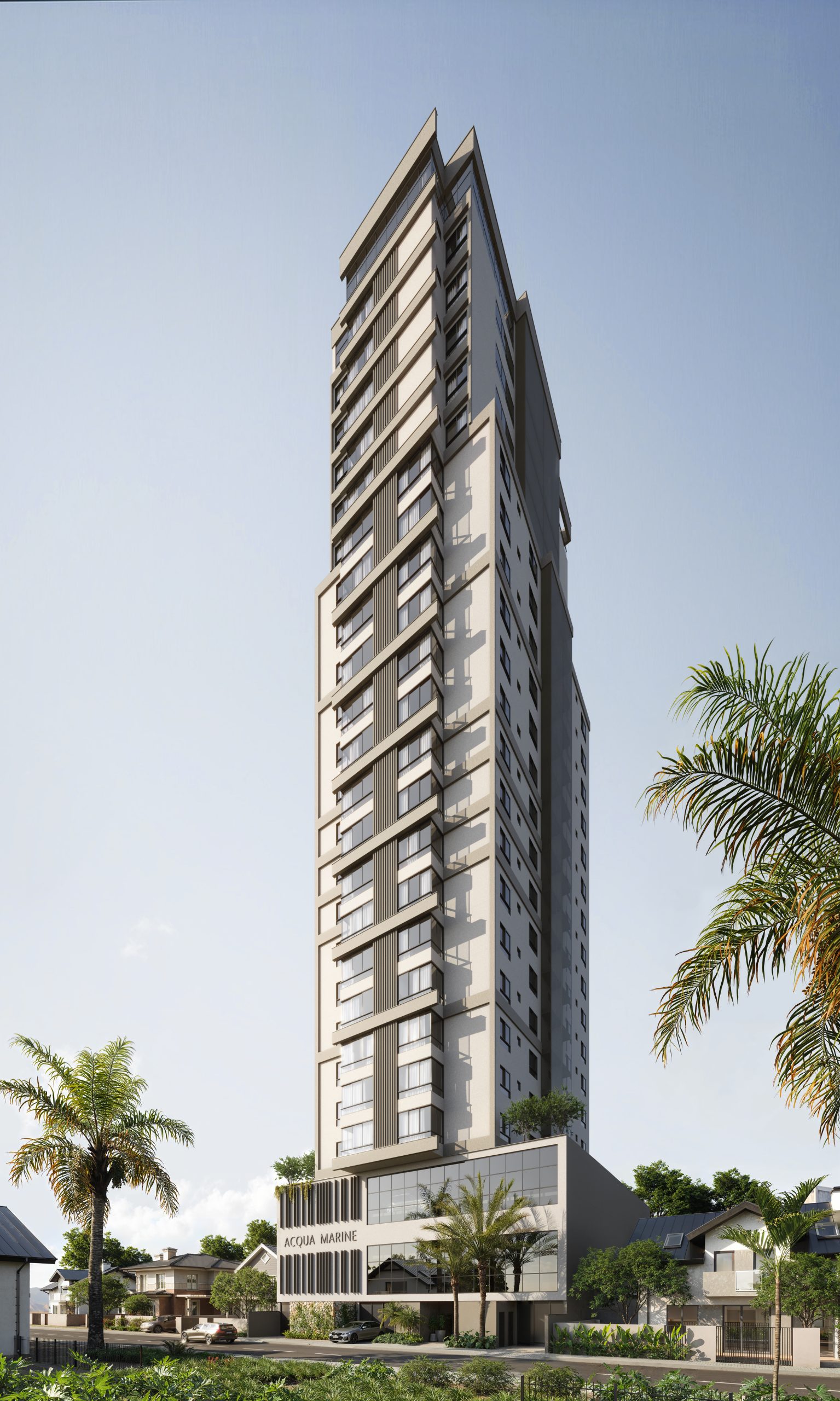
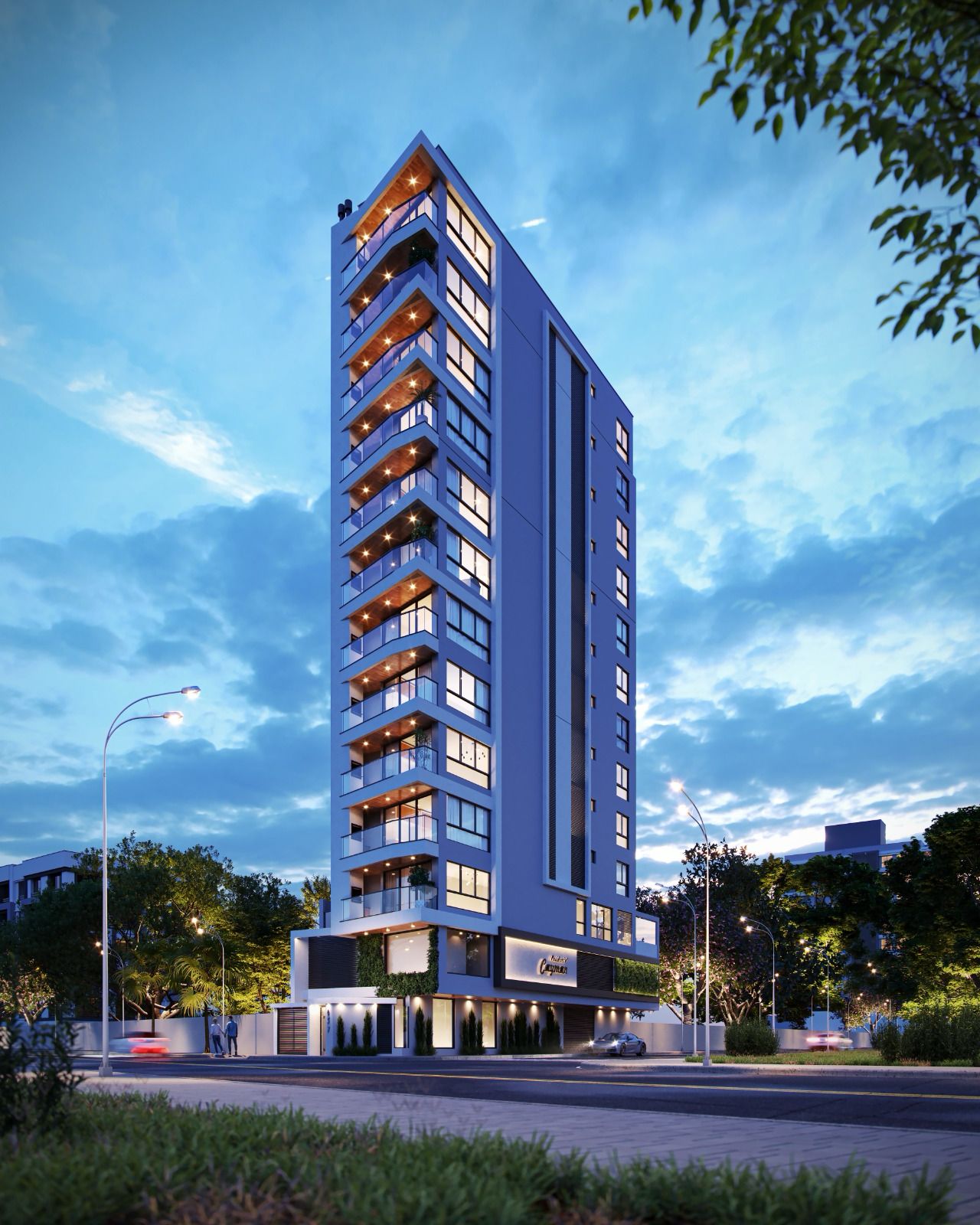
In recent years, Projects developed by WGB Engenharia in Piçarras and the surrounding region. they proved the importance of compatibility.
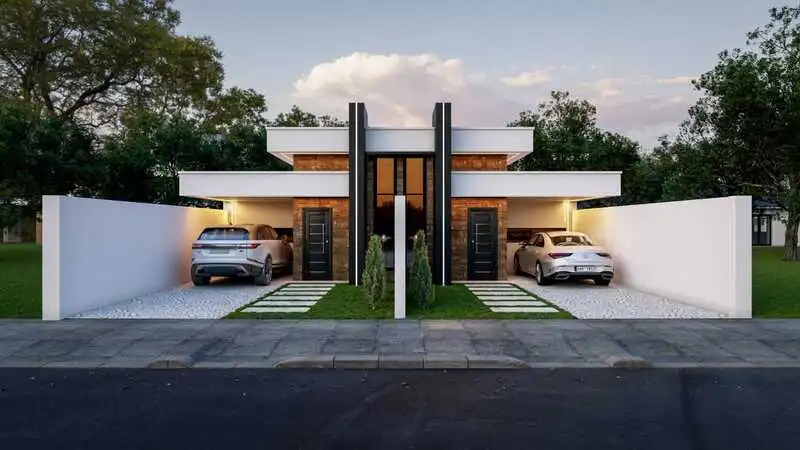
Optimized residential developments They reduced the structural cost by up to 15%., without sacrificing aesthetic quality.
In the same way, Commercial buildings with flexible layout they conquered Better ventilation and use of available space..
These results They demonstrate that the integration between disciplines is a competitive advantage..
Conclusion
The success of a work it starts in the project, with architecture and engineering working side by side.
This union It combines creativity and precision., resulting in safe, sustainable and high-performance construction projects.
In Piçarras Beach, Penha and Barra Velha, This integration is essential to combine beauty, cost, and efficiency..
In WGB Engineering, This practice is part of the company's essence., guaranteeing Quality, innovation, and on-time delivery..
In summary, Architecture transforms ideas into spaces., while Engineering transforms these spaces into solid and durable structures..
Together, They build the future with purpose, technique, and excellence..