


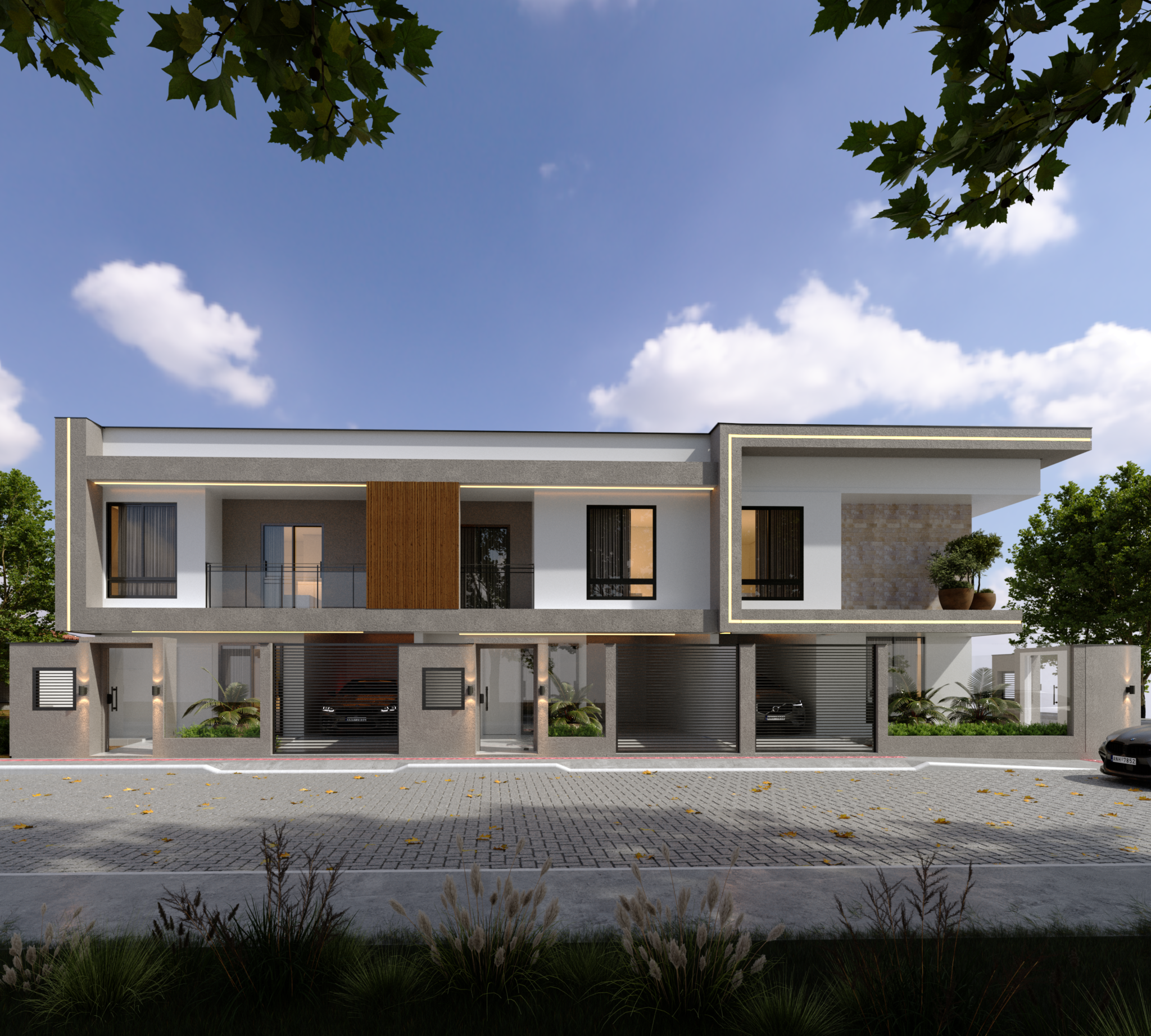

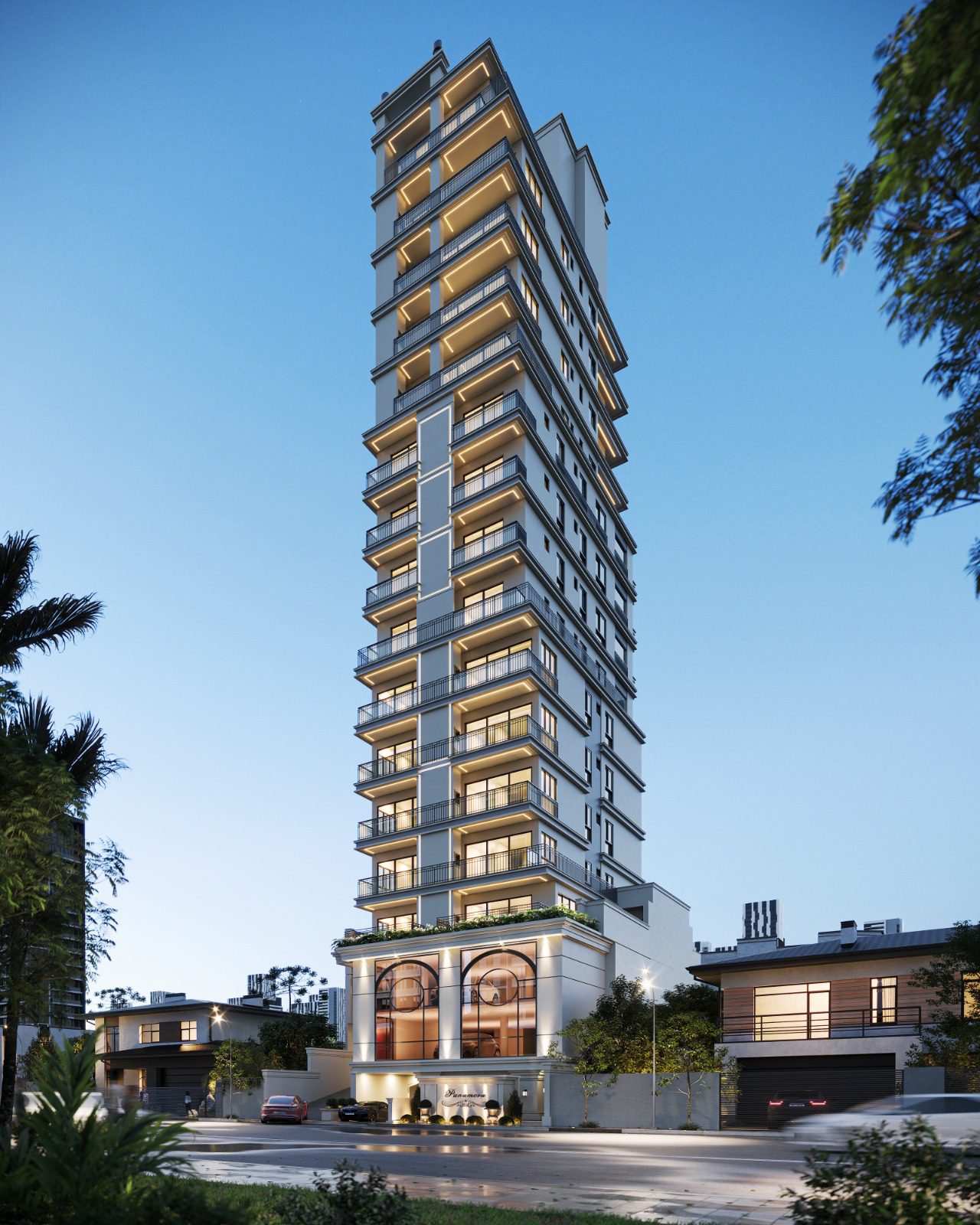
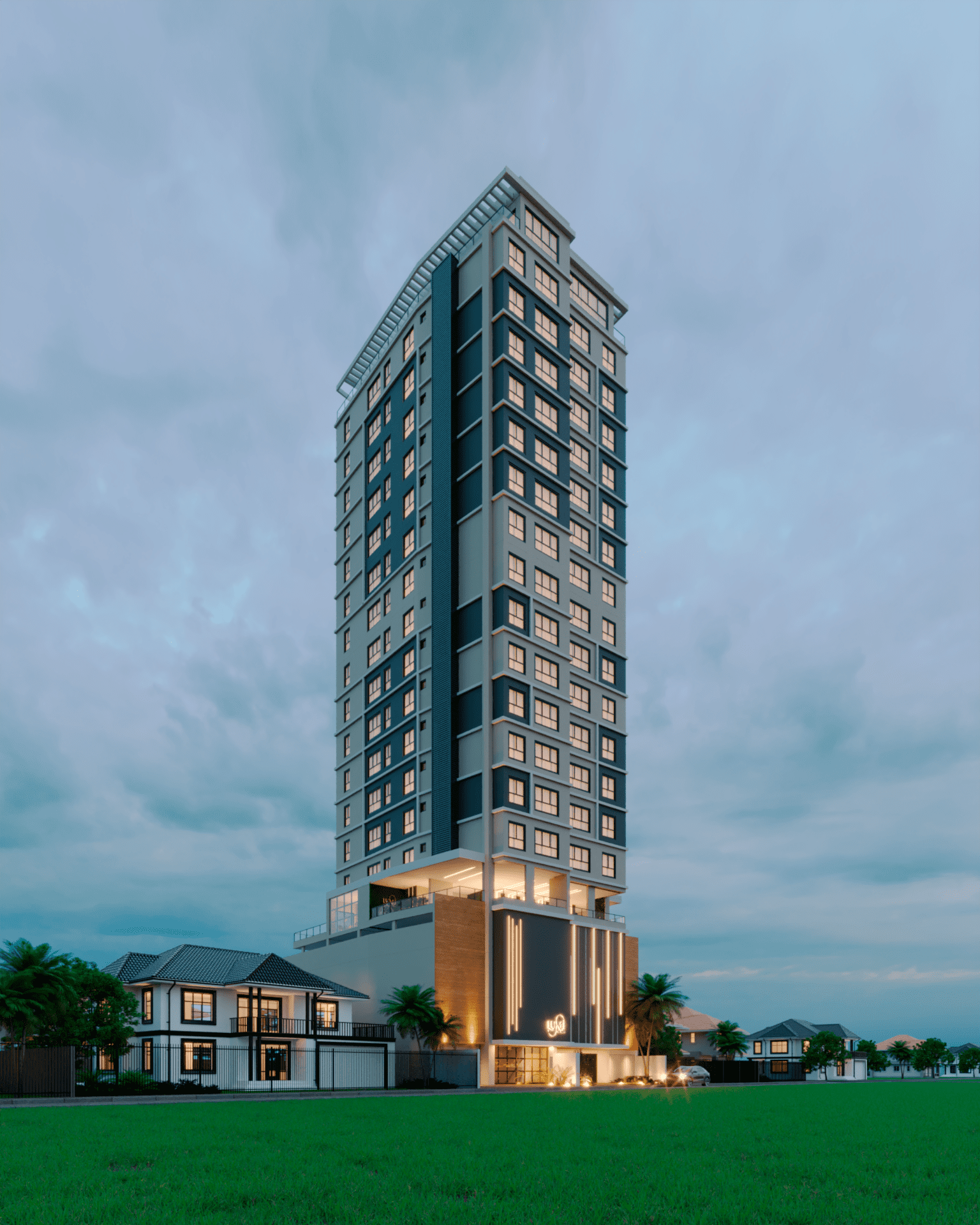
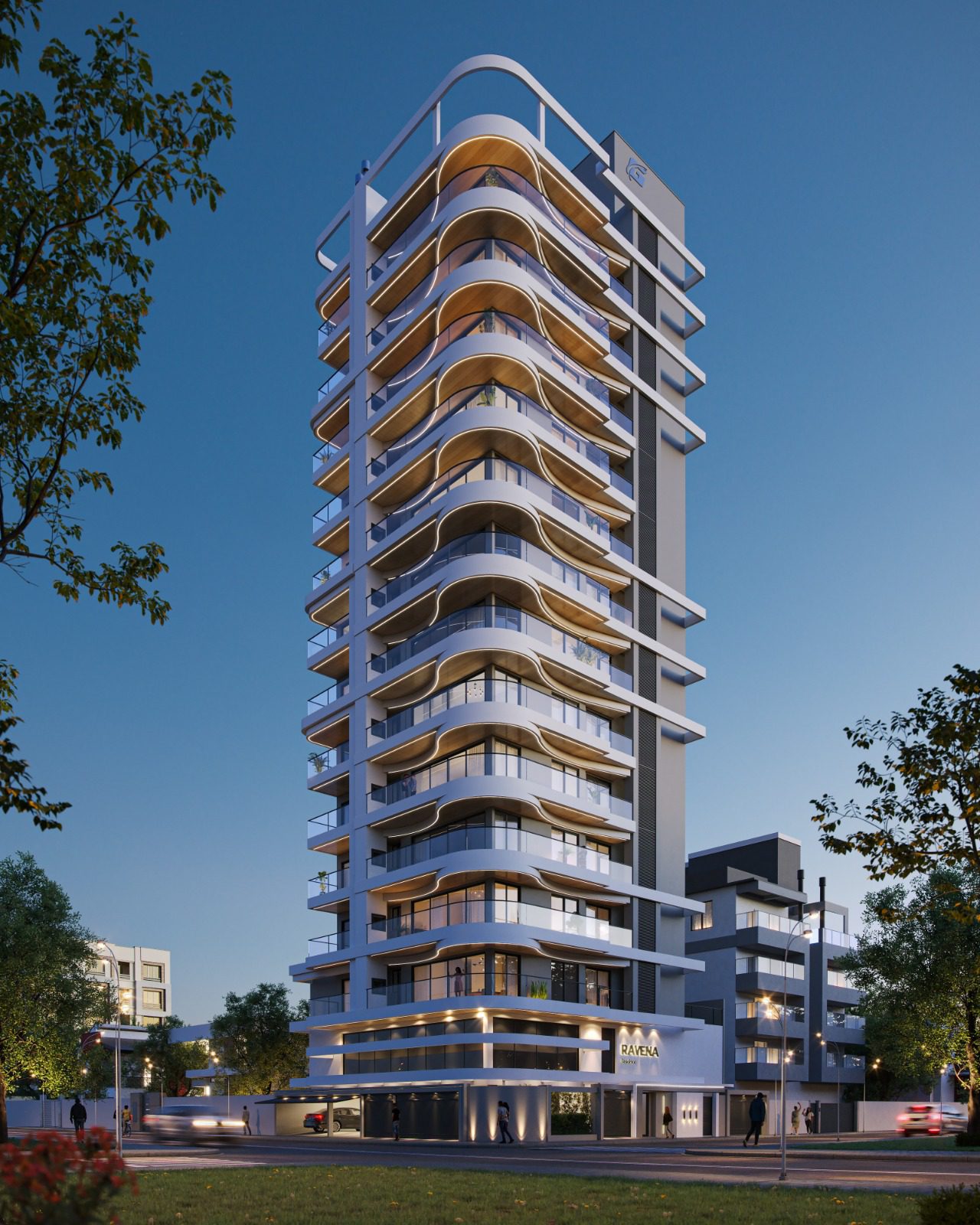
Engineering, strategy, and results from the very first stroke.
In engineering, Every great project begins before the design phase..
A feasibility analysis determines whether a project It is technically, economically, and commercially feasible..
More than a preliminary study, the feasibility represents a strategic decision. At that time, Engineering, architecture, and the market come together. to transform every square meter into results.
Thus, the project is born with purpose, rationality, and efficiency.
What is the viability of a business venture?
A feasibility analyzes physical, legal, economic and technical conditions of a plot of land.
Your goal is Balancing construction potential, execution costs, and market value. of the final product.
To do this, the study considers several factors, such as:
- Topography and dimensions of the land
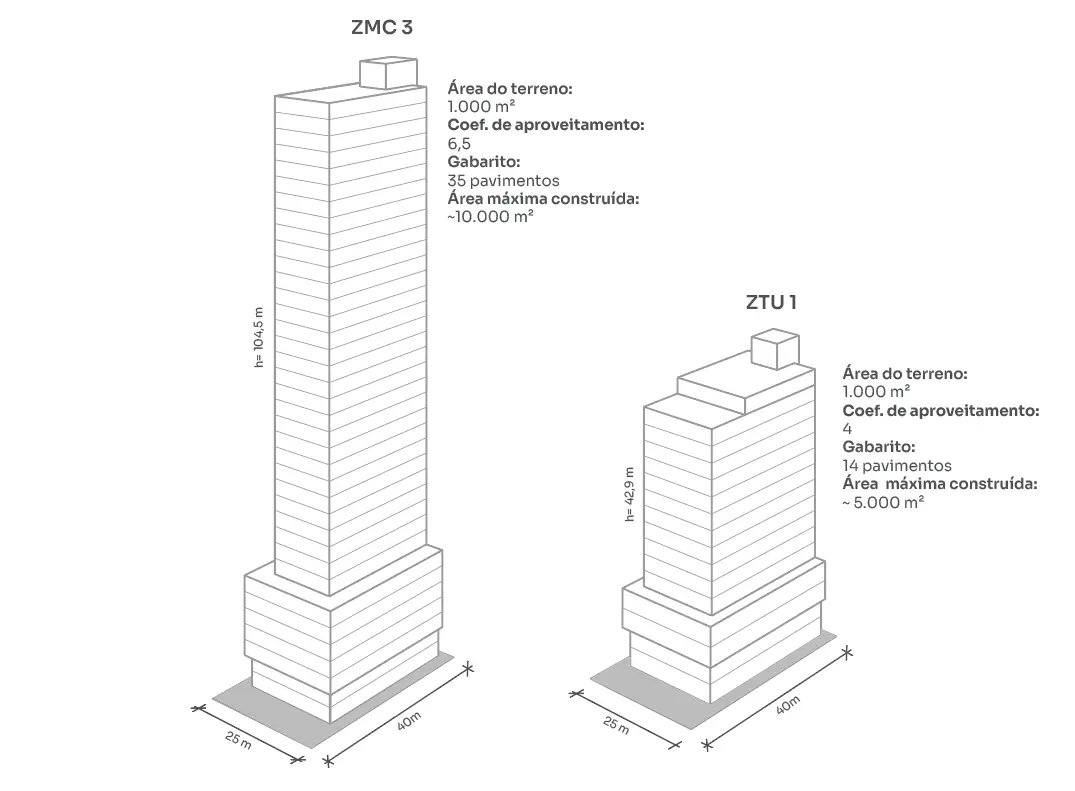
- Urban planning indices (CA, TO, setbacks and maximum height)
- Modulation and structural utilization
- Foundation and structural costs
- Execution logistics and access
- Real estate liquidity and return on investment
Furthermore, each item is evaluated as a whole, which It promotes a technical and comprehensive reading. of the project.
Thus, engineering anticipates challenges and identifies opportunities. still in the initial phase.
Consequently, the project becomes more efficient and economical.
The direct impact on cost and execution.
When the project does not go through a detailed feasibility analysis, the risks increase.
This leads to rework, increased costs, and project delays.
On the other hand, a project that is properly implemented guarantees predictability and security..
Therefore, the execution occurs with greater fluidity and control.
Among the main benefits are:
✅ Rational and continuous structure
✅ Predictable and controlled costs
✅ Better construction utilization
✅ Faster and more organized construction execution
Furthermore, the feasibility generates significant savings.
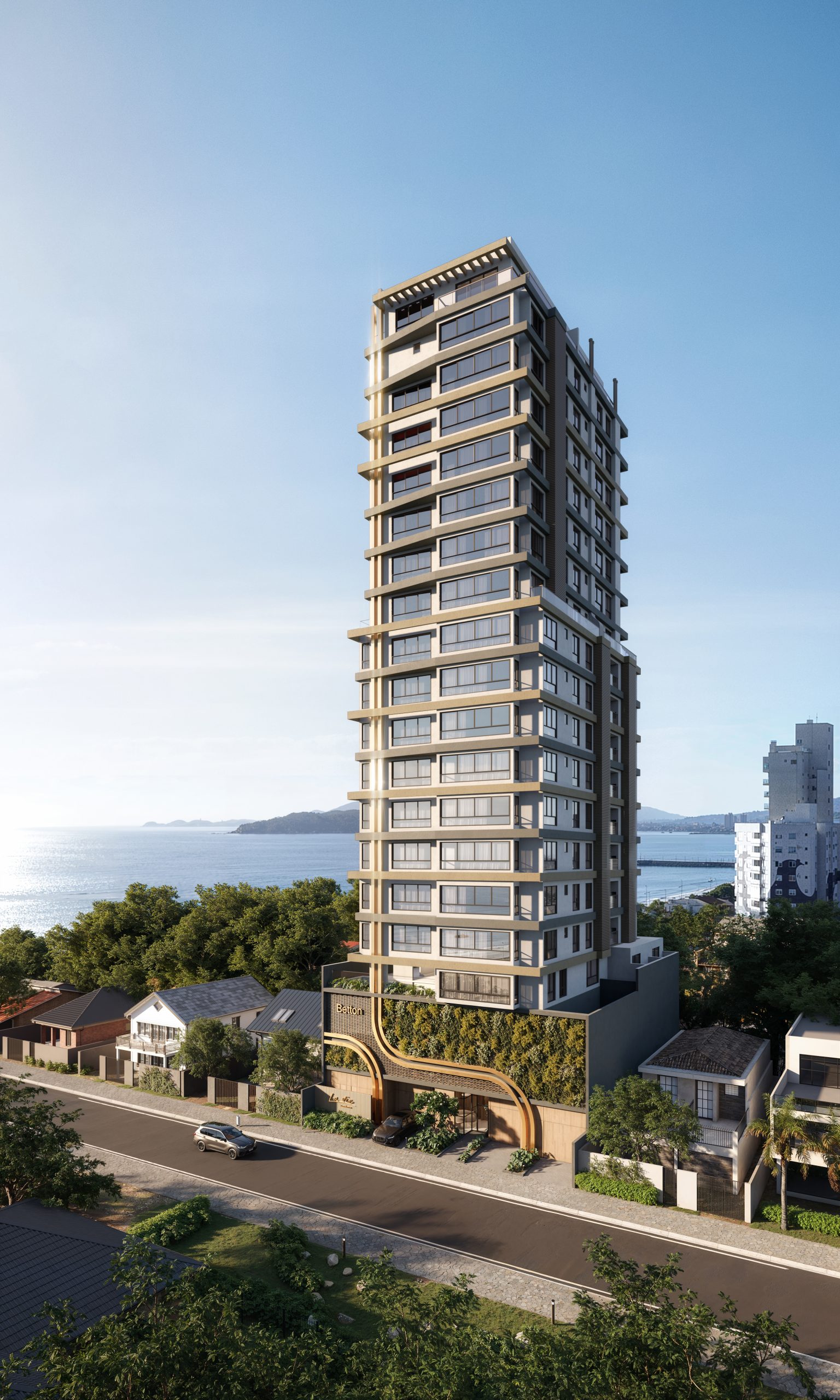
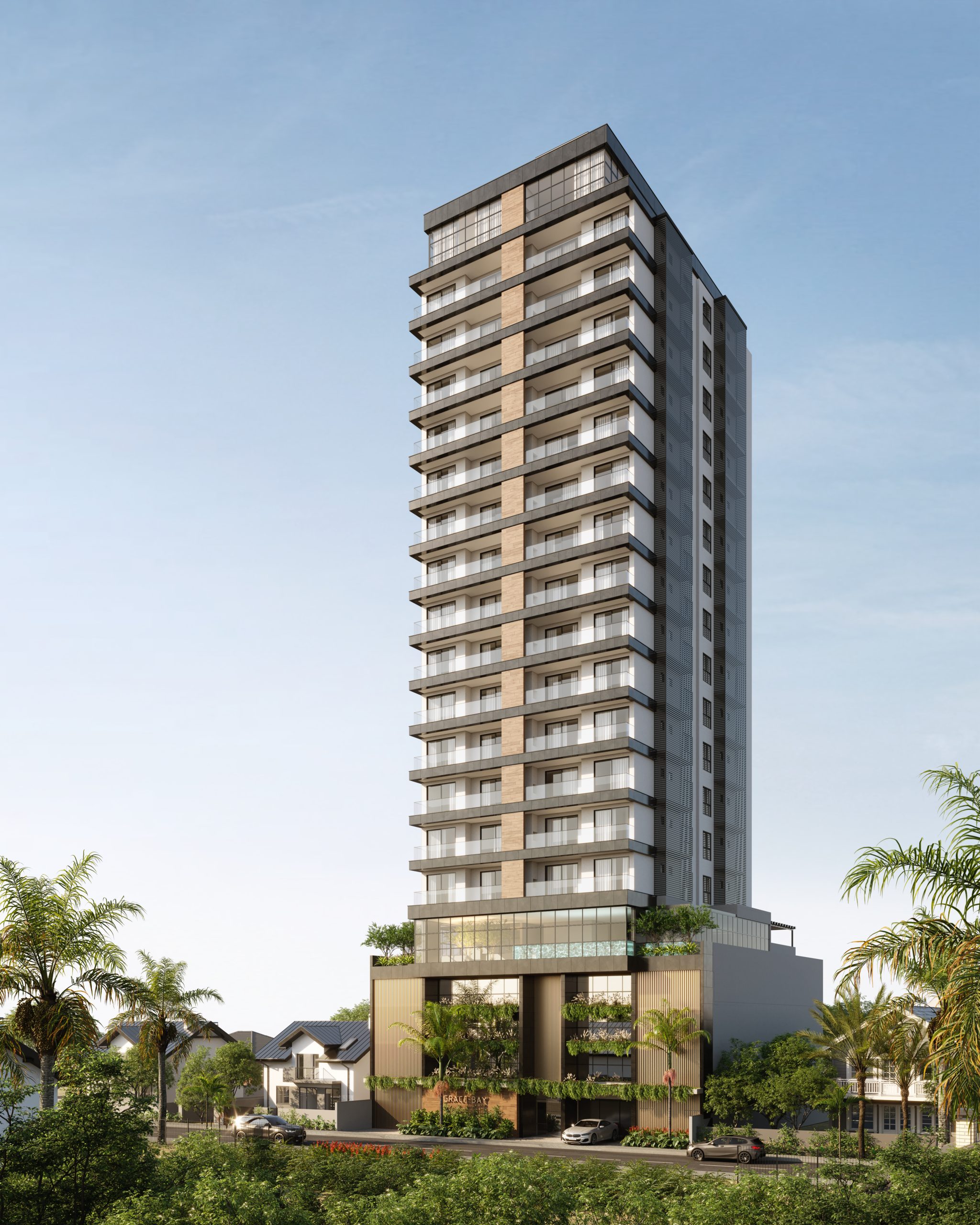
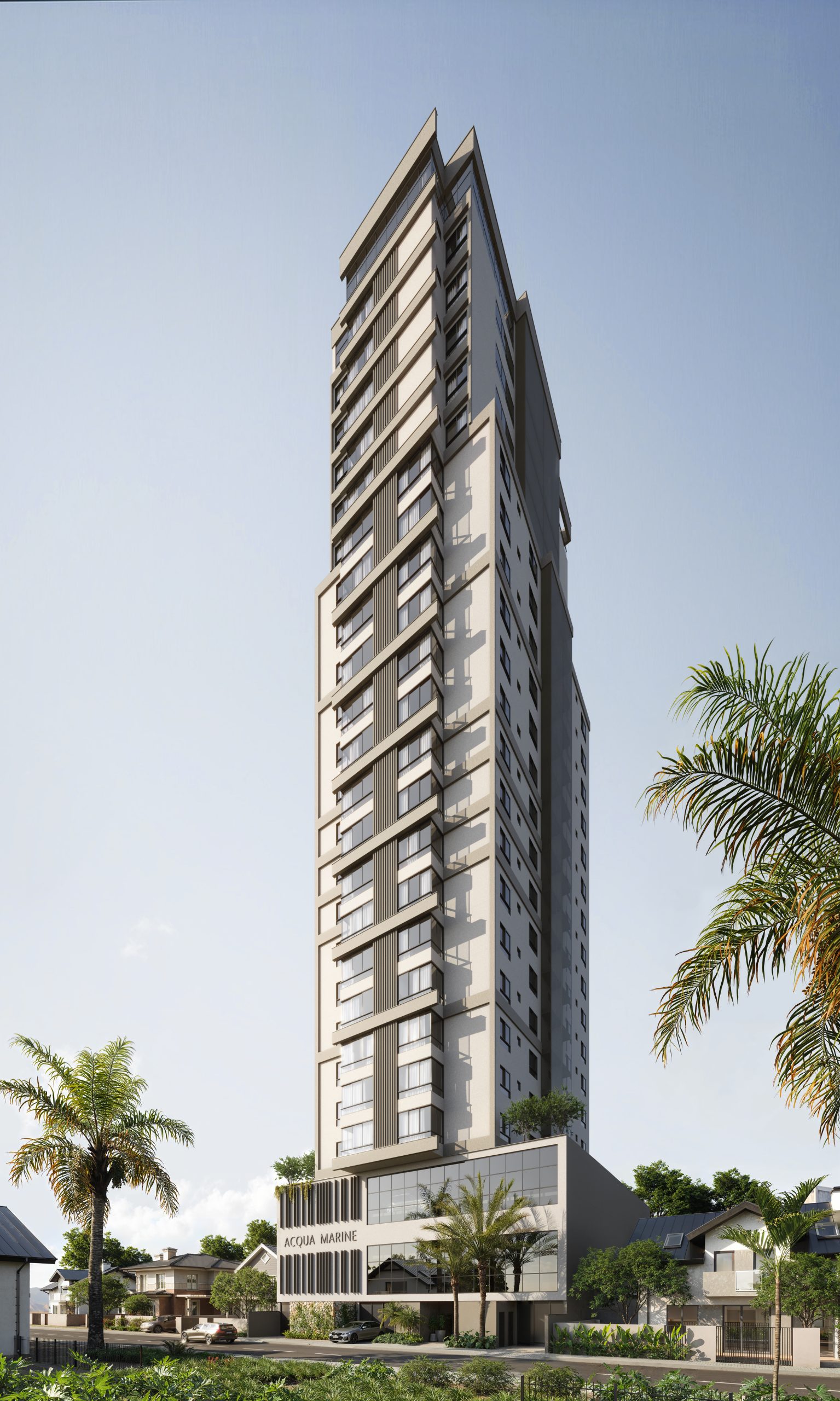
In the projects of WGB Engineering, For example, a well-planned structure resulted in reduction of up to R$ 1.5 million in direct costs.
Therefore, investing time in this step It means saving resources and avoiding future surprises..
Feasibility is not an expense, it's an investment.
Treating viability as something optional It means giving up on planning..
She separates viable projects from problematic projects. e guides decisions based on concrete data..
During this stage, the technical team answers crucial questions:
- Which typology is most suitable for the terrain?
- Does the planned structure adapt to the geotechnical conditions?
- Is the cost in line with the expected return?
Therefore, make these decisions before the design guarantees predictability, security and financial efficiency.
Furthermore, the sooner the study is carried out, The greater the potential for optimization.
Thus, the viability It becomes the first smart investment of the project..
The WGB Engineering approach
In WGB Engineering, the feasibility analysis It integrates structural engineering, architecture, and market analysis. in a single process.
This union allows us to understand the project in all its dimensions.
Each study is based on four pillars:
📊 Construction efficiency
🏗️ Structural potential
💰 Cost per square meter
🏢 Real Estate Profitability and Liquidity
In addition, the team uses technical comparisons, modeling, and financial simulations to to measure the real impact of each decision.
Consequently, the project is born. rational, balanced and competitive.
Thus, WGB delivers solutions that They combine technique, economy, and results. From the beginning.
Conclusion
Before drawing, It is essential to make it feasible..
That is the difference between building with uncertainties e build with strategy.
In WGB Engineering, every decision has Technical foundation, clear purpose, and focus on results..
Therefore, projects evolve in a safe, efficient, and predictable manner.
In summary, Intelligent engineering begins with planning. — and it is this mindset that transforms ideas into successful ventures.