

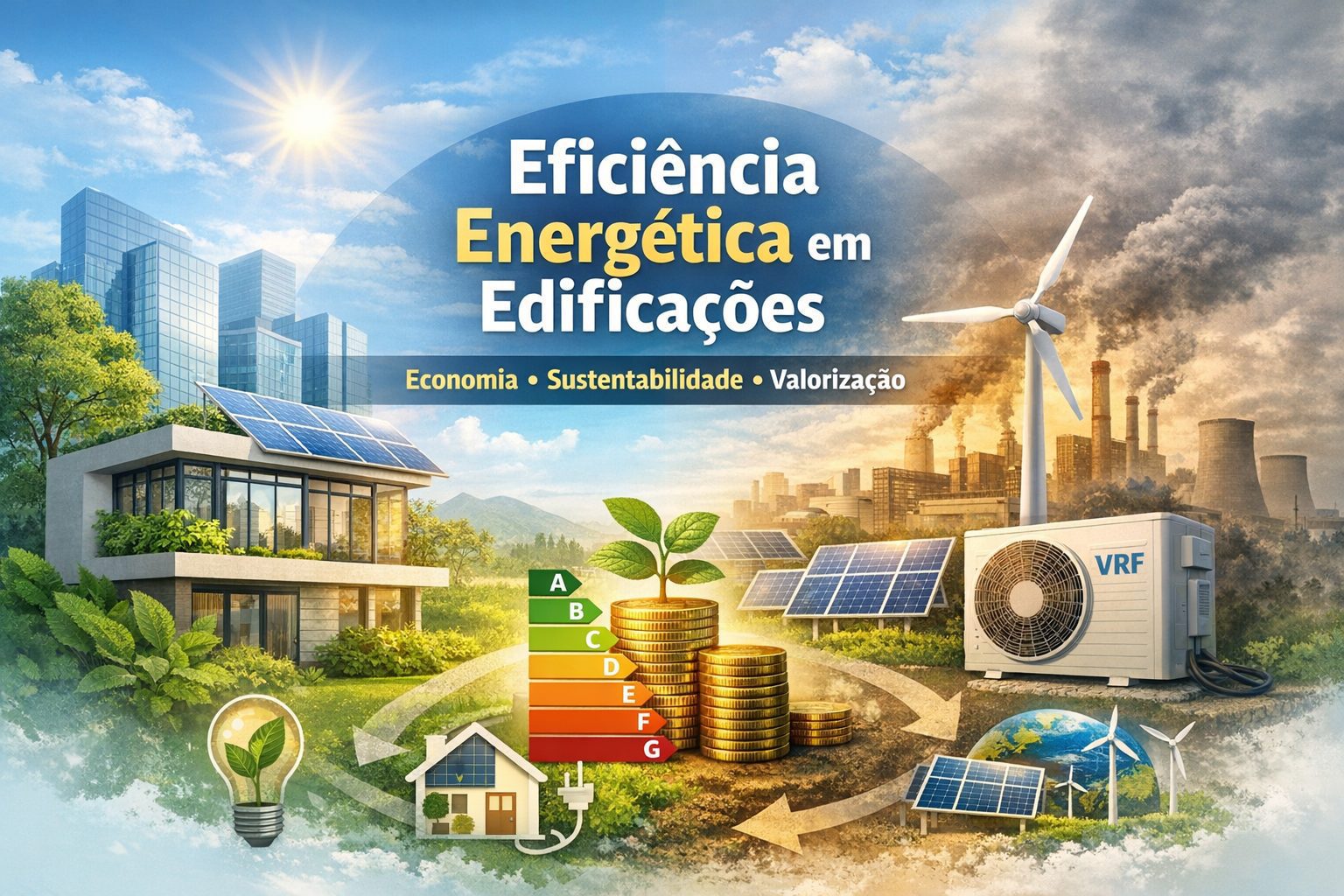
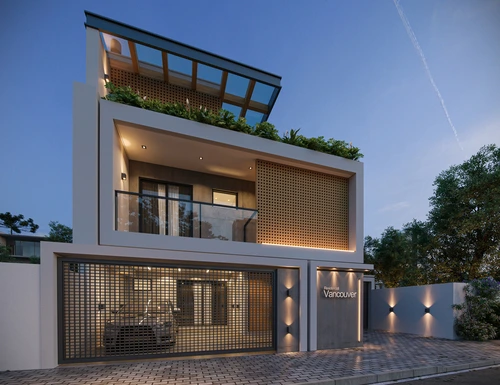
Energy efficiency is currently one of the most important pillars of modern construction. More than a trend, it represents a... strategic investment, ...capable of generating consistent financial returns while simultaneously reducing environmental impacts. Therefore, efficient buildings consume significantly less energy, decreasing operating costs and carbon emissions at the same time.
Furthermore, it is crucial to highlight that buildings are responsible for approximately 30% to 40% of global energy consumption. Therefore, improving the energy efficiency of buildings is no longer optional but a necessity for the planet's sustainability.
In this comprehensive guide, we will explore, in a practical way, energy efficiency strategies, Sustainable materials, environmental certifications, and above all, how to maximize savings using modern technologies.
What is energy efficiency in buildings?
Energy efficiency is the ability of a building to use less energy To ensure thermal comfort, adequate lighting, efficient air conditioning, and optimized system operation. Unlike simple economy, which reduces consumption at the expense of comfort, efficiency allows achieving both objectives simultaneously.
Furthermore, an efficient building is conceived from the design stage considering factors such as thermal insulation, Solar orientation, intelligent systems, the right choice of materials, and the use of clean technologies are all crucial. Therefore, energy efficiency is not an afterthought, but rather a strategic decision made during the project's design phase.
Main objectives of energy efficiency:
- Reduce electricity consumption by up to 50%
- Reduce greenhouse gas emissions
- Continuously reduce operational costs.
- Increase indoor environmental comfort.
- Increase the value of real estate assets.
- Contributing to environmental sustainability
- Complying with increasingly stringent environmental regulations.
- To improve the quality of life of the occupants.
Thermal Insulation: The Basis of Efficiency
Before any advanced technology, thermal insulation is undoubtedly the most fundamental and effective strategy for energy efficiency. When correctly applied, it can reduce costs by up to... 50% energy consumption for air conditioning.
How Thermal Insulation Works
Thermal insulation acts as a barrier that reduces heat exchange between the internal and external environments. In this way, heat is retained inside the building during winter, while external heat is blocked during summer. Consequently, heating and cooling systems operate for shorter periods and consume less energy.
In practical terms, a building without insulation functions like a "glass house," constantly adjusting to the outside temperature. On the other hand, a well-insulated building maintains a much more stable internal temperature.
Critical Locations for Isolation
In general, the points with the greatest impact are:
- External walls (30–35% of thermal losses)
- Roof and covering (25–30%)
- Windows and glass (15–20%)
- Floor over ground (10–15%)
- Doors and frames (5–10%)
Sustainable Insulation Materials
Currently, there is a wide variety of materials available, allowing you to choose the most suitable solution for each application.
Traditional materials:
- Fiberglass
- Mineral wool
- Expanded polystyrene (EPS)
- Expanded polyurethane (PUR)
Sustainable materials:
- Cellulose fiber (recycled paper)
- Natural cork
- Sheep's wool
- Hemp fiber
- Aerogel (high performance)
In addition to thermal efficiency, sustainable materials offer... smaller carbon footprint, contributing significantly to more environmentally responsible buildings.
Efficient Air Conditioning Systems
Air conditioning usually represents 40% to 50% of energy consumption of a building. Therefore, choosing the right system directly impacts operating costs.
VRF (Variable Refrigerant Flow) systems
VRF systems automatically adjust the amount of refrigerant according to the needs of each environment. This prevents waste and increases efficiency.
Main advantages:
- Independent control by zone
- Reduction in consumption from 20% to 30%
- Solar power compatibility
- Centralized intelligent control
Furthermore, when combined with solar energy, these systems can reduce costs by up to... 80% electricity consumption.
Heat Pumps
Heat pumps utilize natural sources (air, soil, or water), delivering up to 4 units of heat for every unit of electrical energy consumed.. In this way, they become extremely efficient.
Solar Photovoltaic Energy
Solar energy is currently one of the most economically viable solutions for efficient buildings.
For example, a 12,000 BTU air conditioner consumes about 1 to 1.5 kW. Therefore, with 4 to 5 well-sized photovoltaic panels, it is possible to supply a large part of this consumption.
Consequently, the monthly savings can vary between 40% and 80%, with an average payback period between 6 and 8 years old. After this period, the energy generated becomes virtually free for more than 20 years.
Efficient Natural and Artificial Lighting
Lighting accounts for approximately 15% to 20% of energy consumption of a building.
Natural lighting strategies:
- Well-oriented windows
- Skylights and sheds
- Solar louvers
- Light colors in the rooms
Efficient artificial lighting:
- LED (up to 85% less consumption)
- Presence sensors
- Intensity control
- Automated systems
Thus, simply replacing lighting with LEDs can reduce energy consumption by up to [percentage missing]. 50%.
Environmental Certifications
Certifications objectively demonstrate the energy performance of a building.
- LEEDInternational certification focused on energy efficiency and sustainability.
- AQUABrazilian system with on-site audits
- PBE Edificanational energy efficiency label
- EDGECertification focused on a minimum reduction of 20% in consumption.
In addition to operational savings, certified buildings offer... significant property appreciation.
Conclusion: Energy Efficiency is a Strategic Decision
In short, energy efficiency should not be seen as a cost, but rather as a... highly rational investment. In addition to reducing expenses over the building's lifespan, it increases the property's value and reduces environmental impact.
Therefore, designing efficiently from the start is always cheaper, more effective, and smarter. Conversely, trying to correct inefficiencies after the work is completed generates high costs and limited results.
In summary: Those who invest in energy efficiency today will save for decades..