



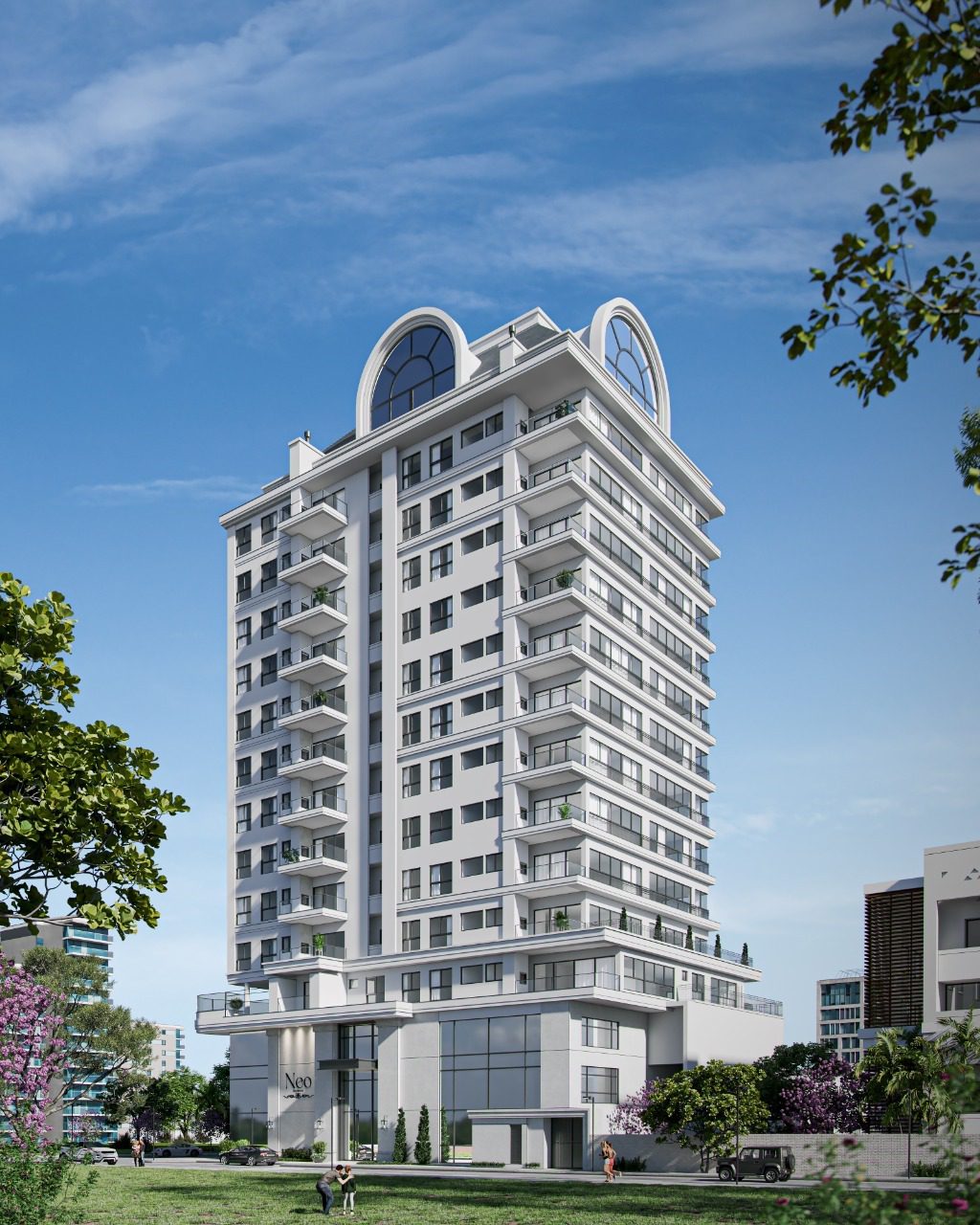
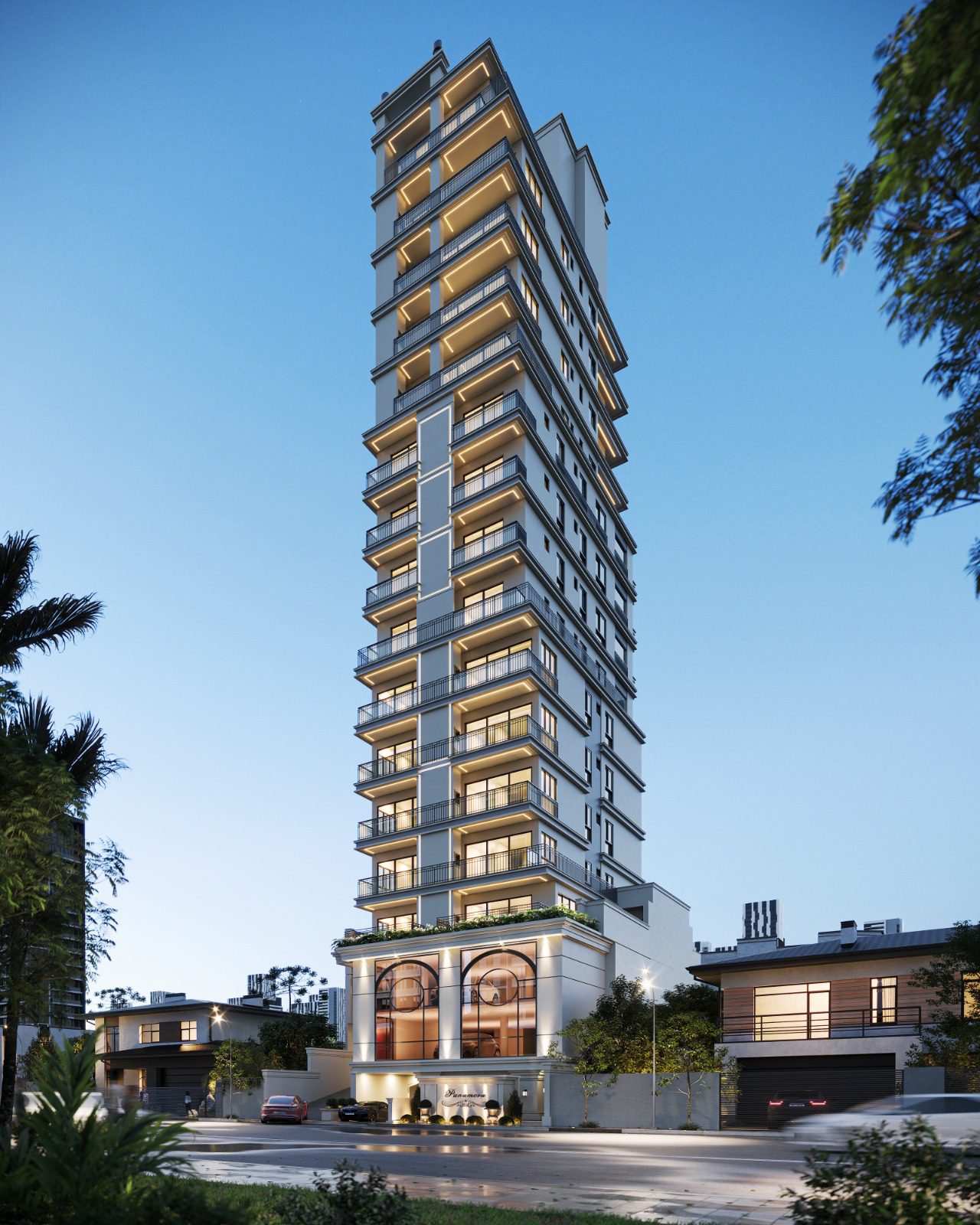
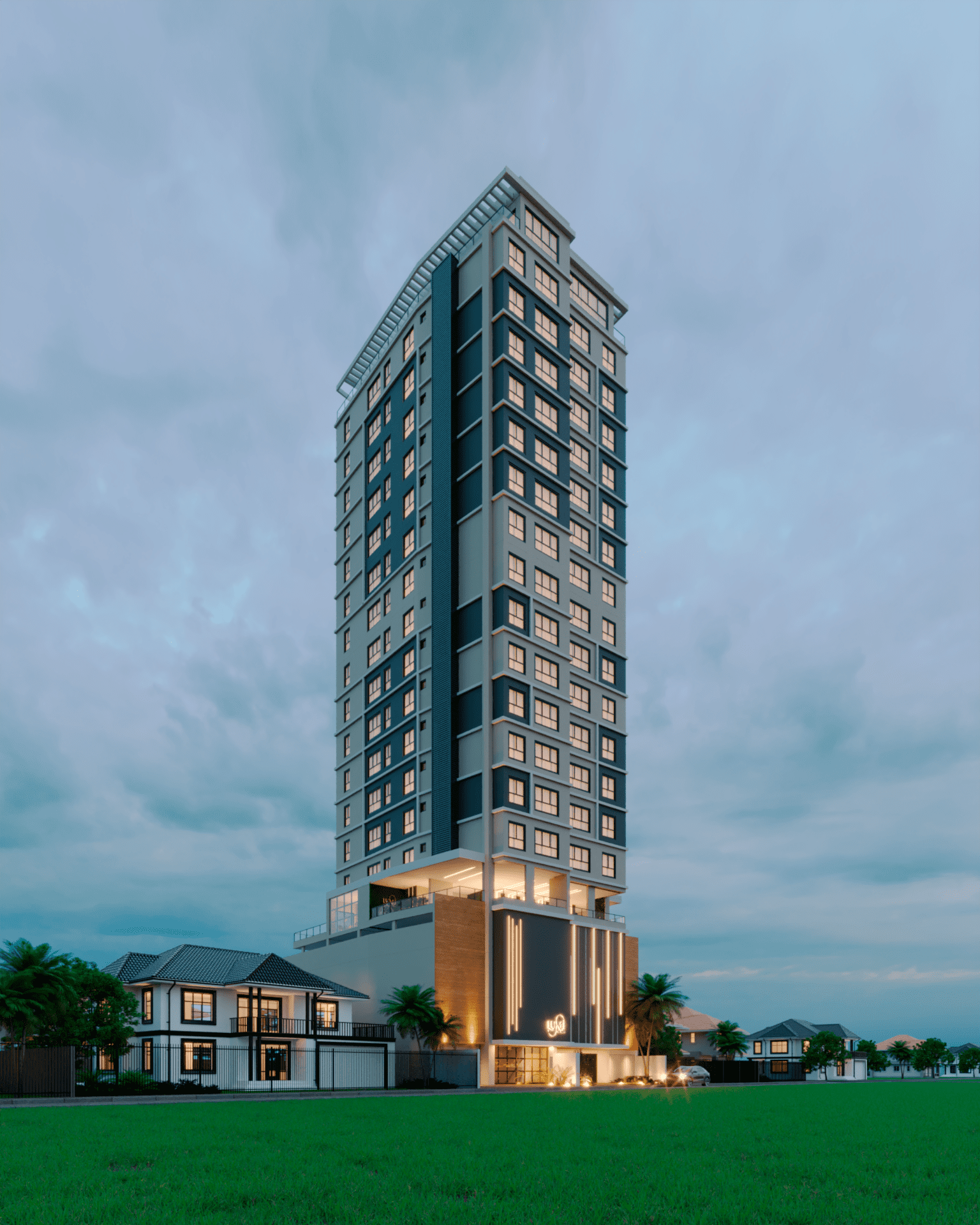
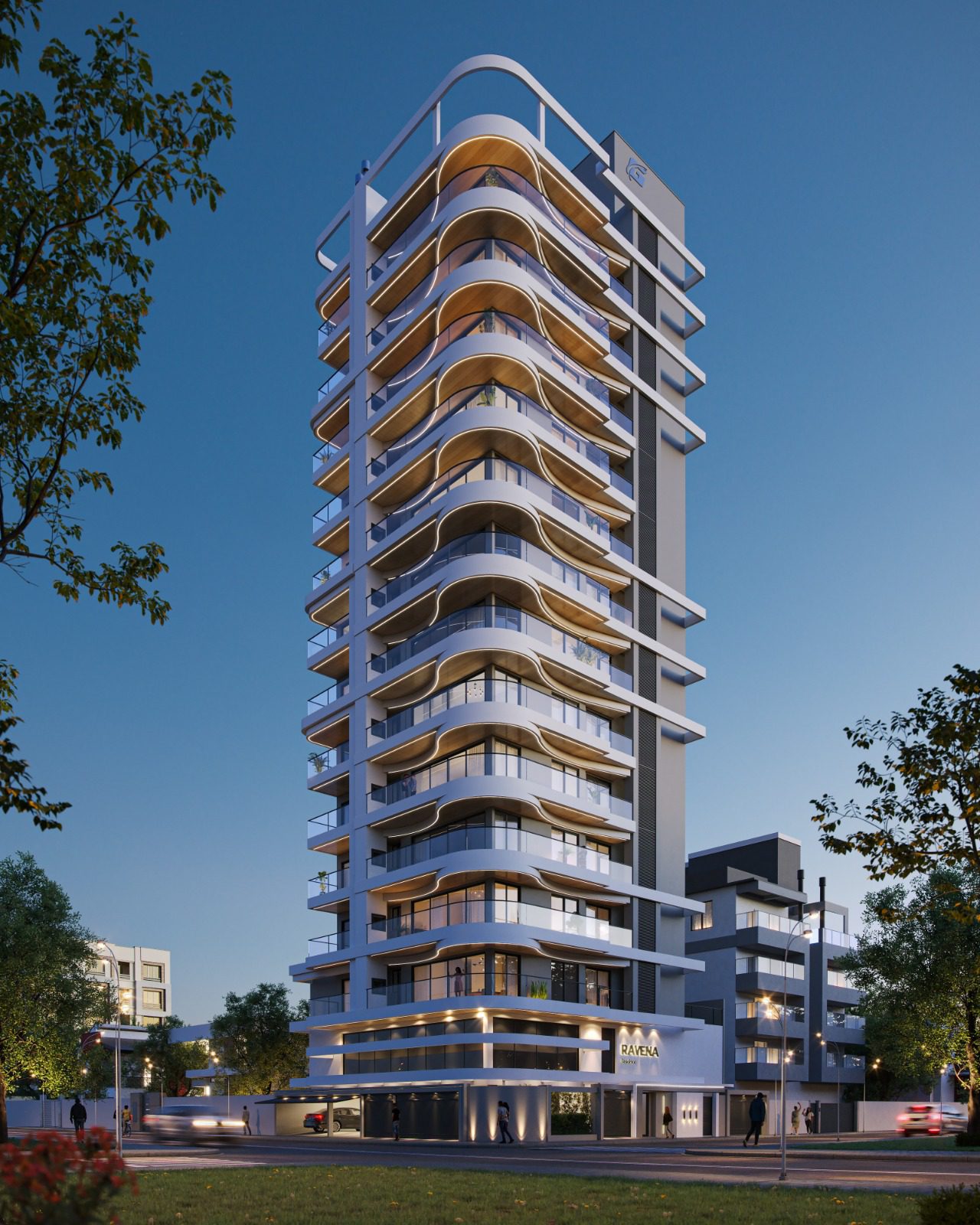

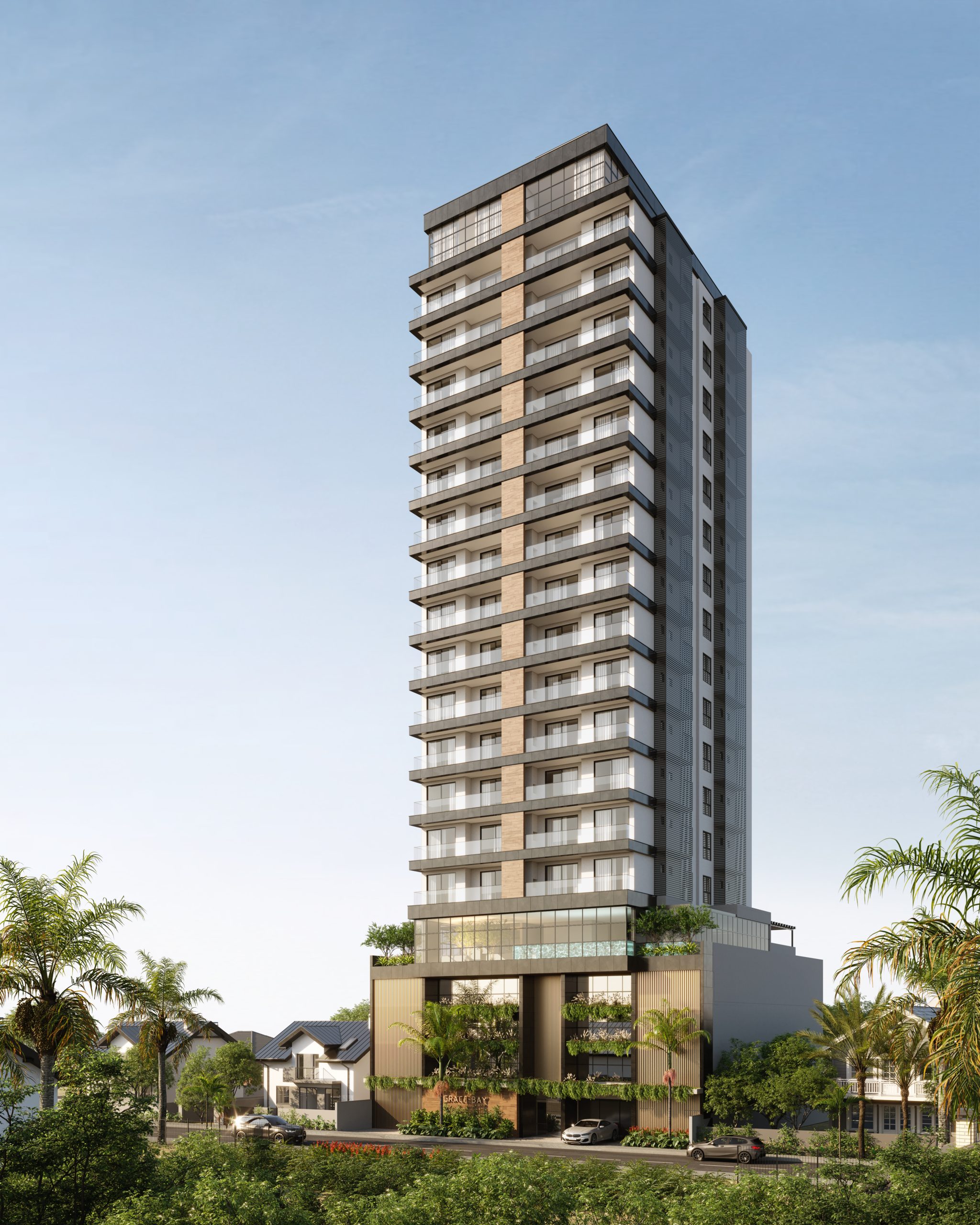
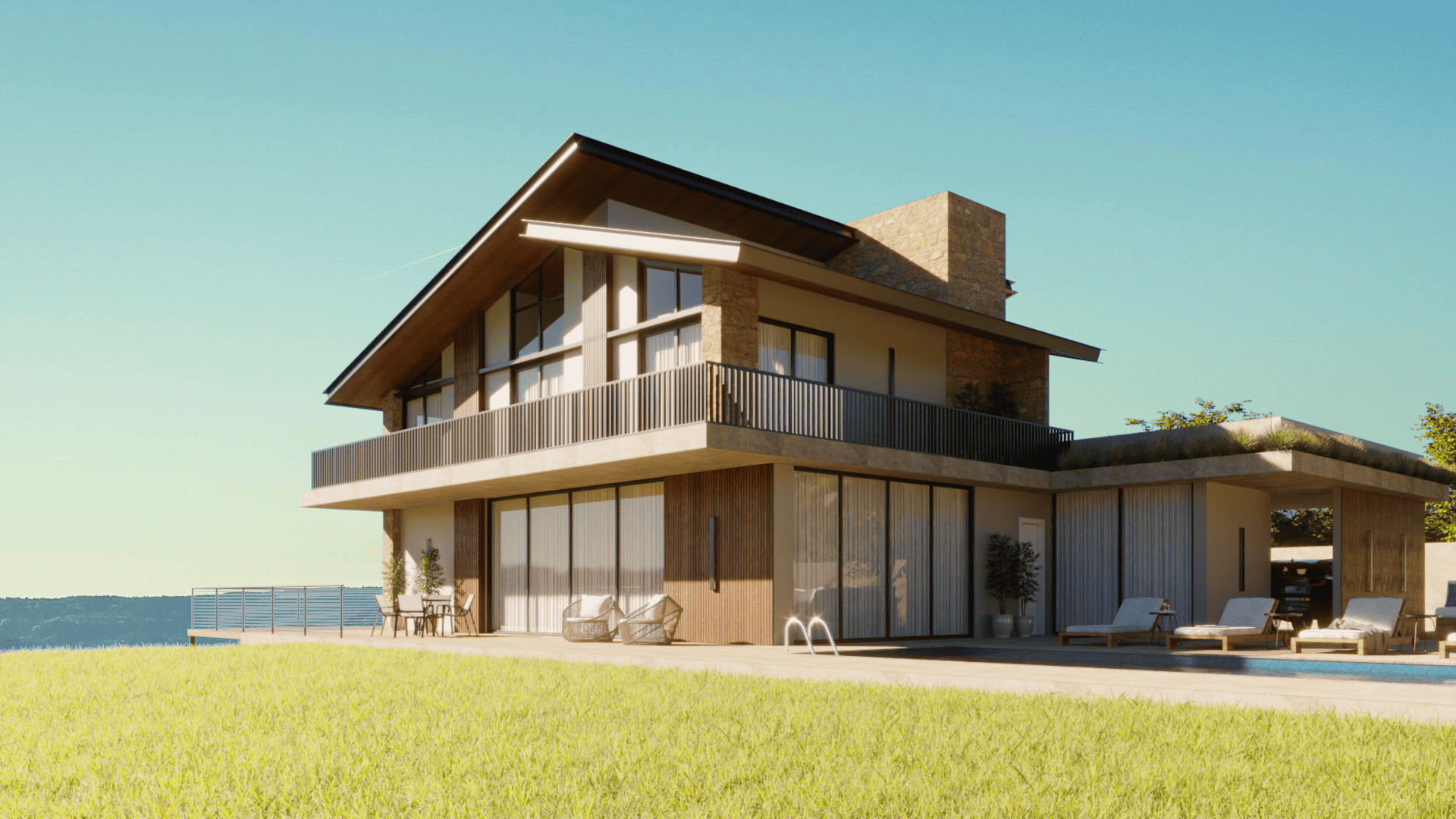

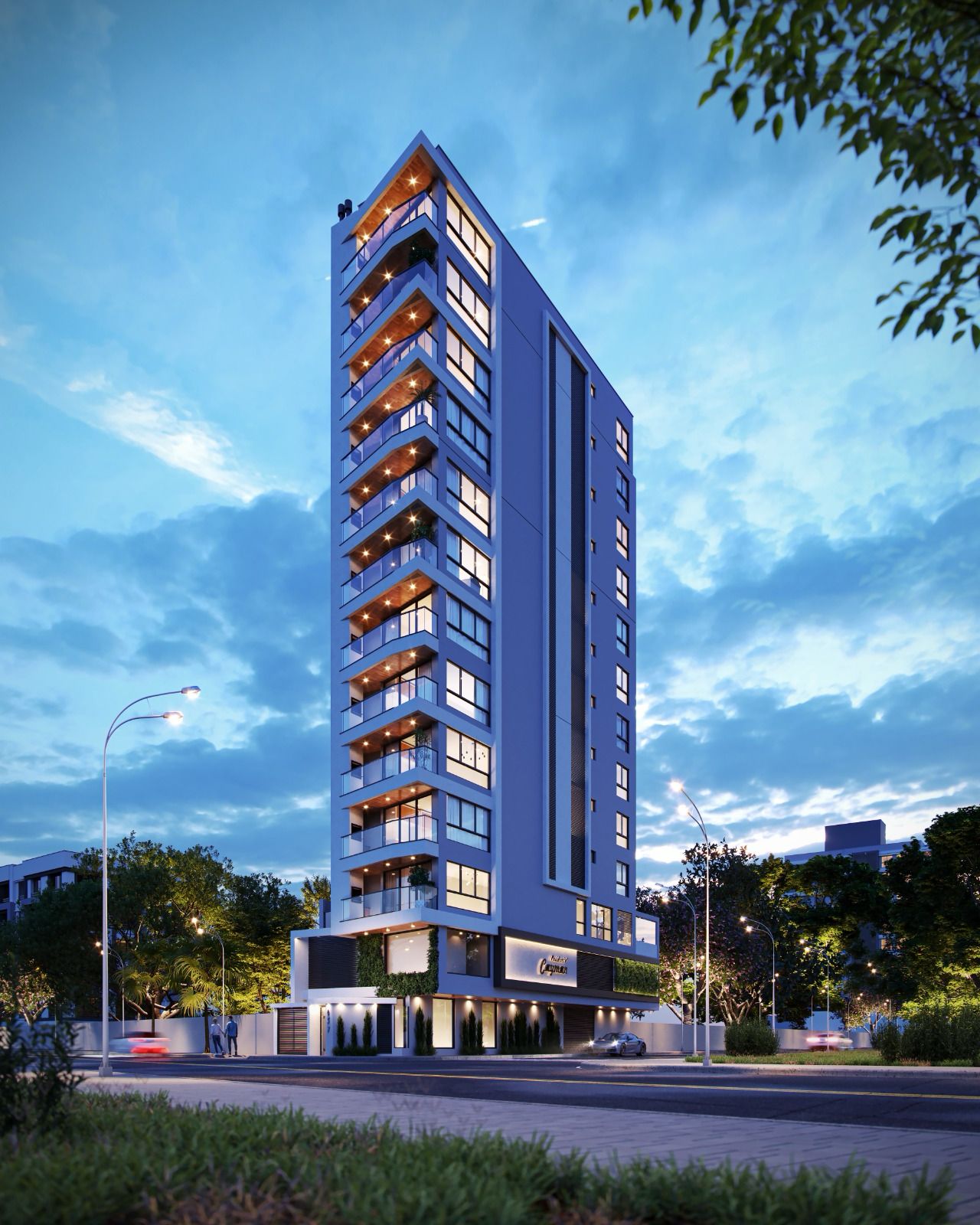


An architect is much more than just a professional who designs buildings or spaces. She is responsible. by creating environments that meet human needs, combining functionality, aesthetics, and sustainability.
Furthermore, Architecture, as an expression of society, reflects the culture, history, and demands of each era. When designing, The architect contributes to transforming cities, always integrating innovation, technique, and respect for the environment.
That way, His work goes far beyond construction: it's a balancing act between art, science, and purpose.
Training and Knowledge
Becoming an architect requires years of study and practice. During this process, She learns to balance technique and creativity, developing skills that range from mastering physics and the resistance of materials to aesthetic and artistic sensitivity.
That's why, Being an architect requires both logical reasoning and sensitivity to understand human behavior within spaces.
Furthermore, Keeping up-to-date on technological trends and innovations is essential, especially in areas such as new materials, modeling software, and sustainable solutions.
Like this, Learning is continuous and keeps pace with the evolution of society and technology.
Areas of Expertise
An architect's work goes far beyond residences and commercial buildings. In truth, She can work in urban planning, landscaping, interior design, and even in the preservation of historical heritage.
In all these areas, Their role is to ensure that spaces are comfortable, accessible, safe, and appropriate to the legal and environmental context.
Consequently, Their actions directly impact people's quality of life and the development of cities.
On the other hand, Each area presents its own challenges, requiring sensitivity to understand the particularities of each project.
Contemporary Challenges
Today, the architect faces the challenge of reconciling aesthetics with sustainability. This means To think about projects that value the conscious use of natural resources, reduce environmental impacts, and incorporate green technologies.
Furthermore, It is necessary to address social, urban, and economic issues that influence how we build and live.
In this way, Their role is not limited to building, but also to proposing solutions that help create a more balanced and responsible future.
Therefore, The architect's role is also that of an agent of transformation, uniting technique and ethics in pursuit of a more sustainable world.
Conclusion
The architect is, at the same time, an artist, a technician, and an innovator. More than transforming spaces, It transforms the lives of the people who occupy them.
By integrating Combining beauty, functionality, and environmental awareness, the architect contributes to urban development and the construction of a more humane, sustainable, and inspiring society.
Like this, Each project becomes an opportunity to generate a positive impact, demonstrating that architecture is, above all, an instrument of transformation and purpose.