
Introduction
The construction industry, a cornerstone of urban development, has undergone significant transformations over the years. Historically, concrete has stood out as one of the most widely used materials, offering durability and flexibility. However, As environmental issues and the search for sustainable solutions have gained importance, the construction sector has begun a crucial transition to sustainable concrete. Consequently, Understanding this evolution is essential to realizing the impact and benefits of this change.
Conventional Concrete: A Pillar of Construction
Initially, In the past, conventional concrete dominated construction due to its robust and adaptable properties. Made from a mixture of cement, water, and aggregates such as sand and stone, concrete offers impressive strength and remarkable versatility. Consequently, It has become the material of choice for buildings, bridges, and roads.
However, The production of cement, the main component of concrete, is responsible for a significant amount of CO₂ emissions. Therefore, As environmental concerns began to emerge, they led to a growing demand for more environmentally friendly alternatives.
The Emergence of Sustainable Concrete
As As environmental awareness increased, researchers and engineers began exploring ways to reduce the environmental impact of concrete. That way, The concept of sustainable concrete began to gain prominence. Sustainable concrete incorporates several innovations, ranging from the partial replacement of cement with recycled materials to the use of advanced technologies to reduce emissions during production.
One of the approaches One of the most common methods is the incorporation of additives such as fly ash, slag, and microsilica. For example, Fly ash, a byproduct of coal combustion, can replace some of the cement in concrete. Furthermore, These additives not only reduce the need for cement, but also improve the strength and durability of the concrete. Consequently, The carbon footprint associated with concrete production is significantly reduced.
The Use of Advanced Technologies
Another aspect A crucial aspect of sustainable concrete is the use of advanced technologies. For example, The development of low-carbon concrete and the use of improved curing techniques have contributed to reducing emissions and improving material properties. Furthermore, The application of monitoring and control techniques during the production process ensures that sustainable concrete meets the desired quality and efficiency standards.
Integration with Sustainable Design
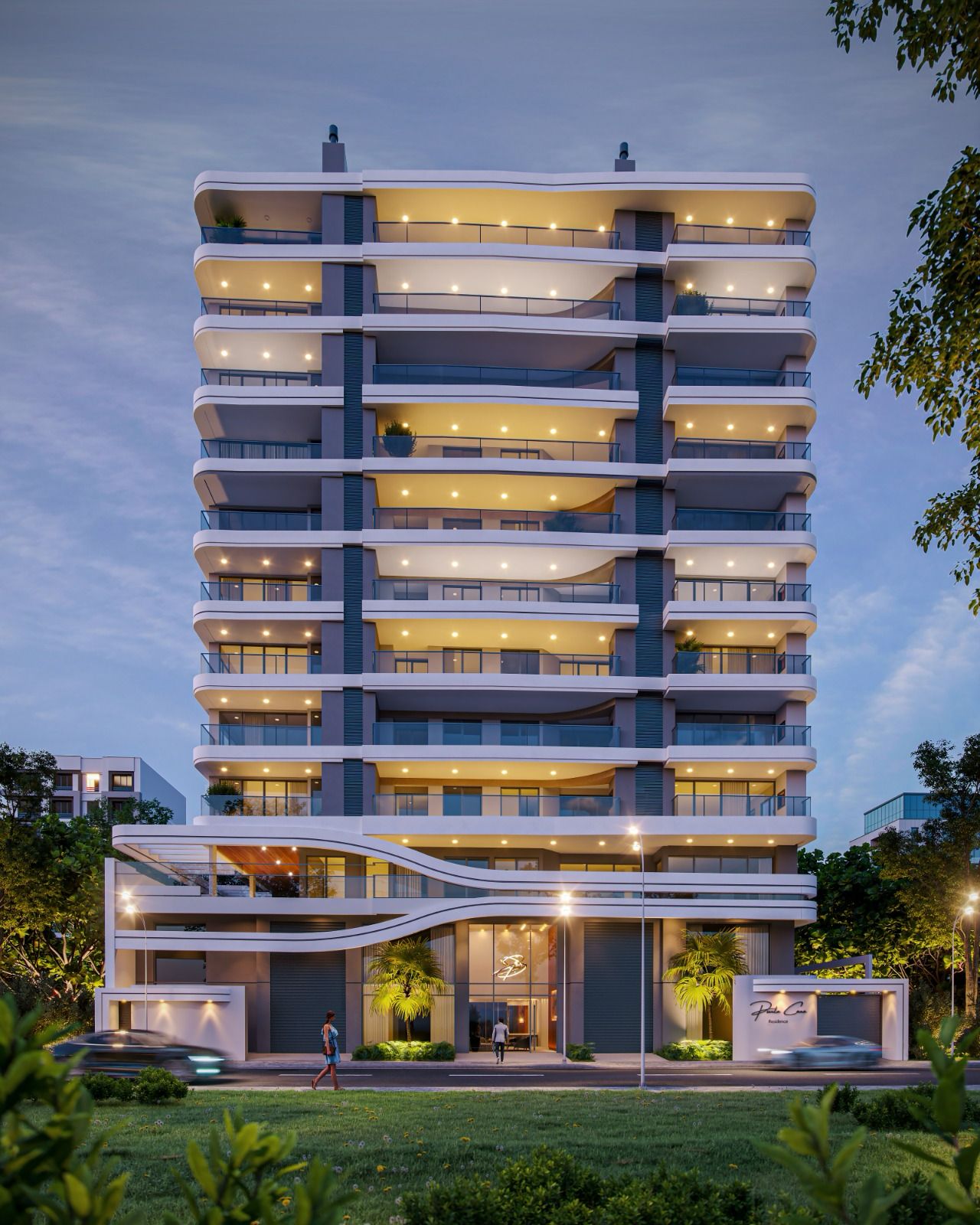
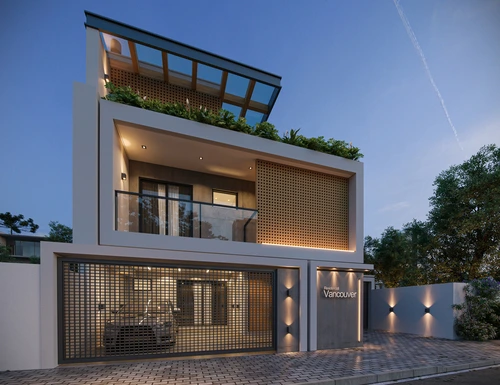
In addition to the advances Technically, sustainable concrete also integrates meaningfully with sustainable design. For example, Currently, architects and engineers are adopting practices that maximize the energy efficiency of buildings, using concrete not only as a structural material, but also as an element that contributes to thermal efficiency and occupant comfort. That way, Sustainable concrete not only reduces environmental impact but also improves the quality of built environments.
Challenges and Future Perspectives
Although sustainable concrete While it offers numerous advantages, its adoption is not without challenges. For example, However, the initial cost of some additives and advanced technologies can be high, which may represent a barrier to their widespread implementation. Furthermore, The need for training and adaptation of construction practices also represents a significant challenge. However, As the demand for greener practices grows, these challenges are expected to be overcome through continuous innovation and economies of scale.
Conclusion
In summary, The transition from conventional concrete to sustainable concrete represents a significant advancement in civil construction. Therefore, The evolution of building materials reflects a necessary shift towards more sustainable and environmentally conscious practices. Therefore, The construction industry not only meets current demands but also contributes to a greener and more sustainable future. As As we continue to face environmental challenges, innovation in the construction sector will be crucial to achieving a balance between development and environmental preservation.