

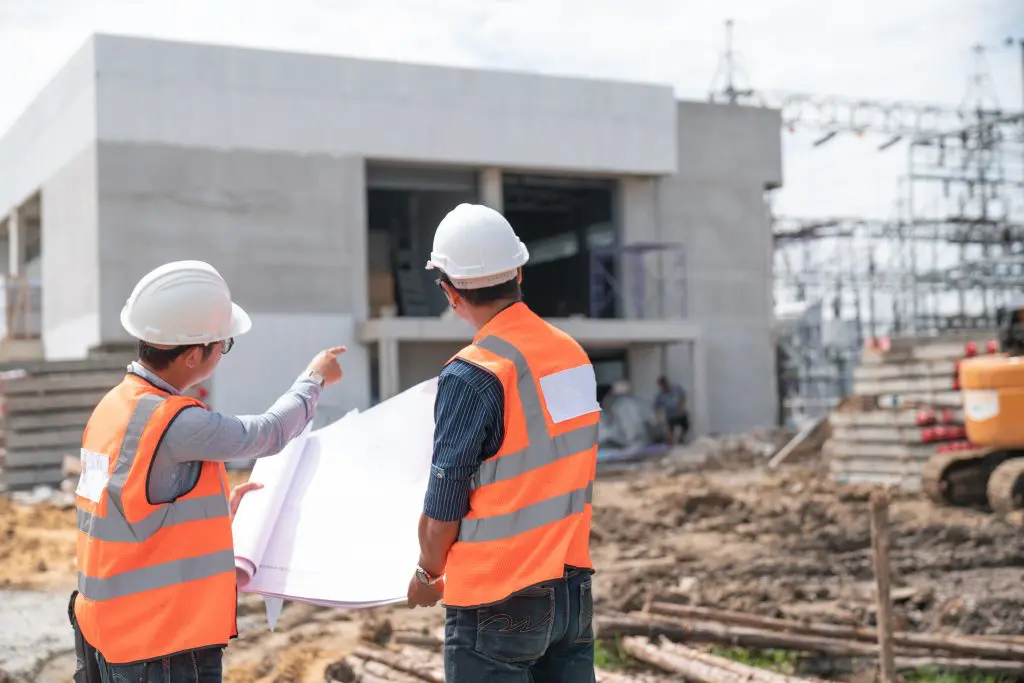
















The construction schedule emerges as a crucial tool for the success of any construction project. It consists of a detailed plan of the activities to be carried out, their durations and interdependencies, serving as a decisive guide for the efficient execution of the project. Its relevance goes beyond listing tasks; it directly influences the quality, cost, and timeline of the work.
Meticulous Planning and Time Management
Creating a construction schedule begins with meticulous planning. This step allows managers to visualize all phases of the project, from foundation to finishing. By clearly defining the estimated time for each task, the schedule helps ensure that all aspects of the work are completed on schedule. Effective time management avoids delays, which can lead to additional costs and financial losses, ensuring a continuous and efficient workflow.
Coordination and Resource Allocation
A well-structured schedule facilitates coordination between the various teams and professionals involved in construction. It establishes when each task should begin and end, allowing for the efficient allocation of resources such as labor, materials, and equipment. Precise coordination reduces waste and ensures that all parts of the project work in harmony, minimizing the risk of conflicts and interruptions. Consequently, it promotes a smoother and more organized execution.
Risk Management
Furthermore, the construction schedule plays a fundamental role in risk management. By identifying and planning critical activities, it allows for anticipating potential problems and developing strategies to mitigate them. The flexibility incorporated into the schedule enables quick adjustments in the face of unforeseen events, helping to keep the project on track, even in challenging situations. Thus, the schedule acts as a safeguard against uncertainty.
Monitoring and Evaluation
During construction, the schedule becomes a monitoring and evaluation tool. It allows managers to track actual progress compared to the plan, identify deviations, and make corrective decisions when necessary. This practice not only ensures deadlines are met but also improves the overall efficiency of the project, promoting a more productive and organized work environment. As a result, the project progresses according to plan, minimizing the impact of any setbacks.
Clear Communication
Beyond its technical functions, the construction schedule serves as a clear communication link between all parties involved. It provides a common point of reference for architects, engineers, contractors, and clients, facilitating mutual understanding of deadlines and expectations. Effective communication is essential for aligning objectives and collaboratively solving problems, ensuring everyone is on the same page.
Conclusion
In short, a construction schedule is a key element for the success of any construction project. Detailed planning, combined with the ability to coordinate resources, manage risks, and monitor progress, is fundamental to ensuring that the project is completed on time, within budget, and to the expected quality. Therefore, investing in WGB Engenharia is essential. Our expertise and commitment guarantee professionalism and care for your project. Contact us and request your detailed schedule.