

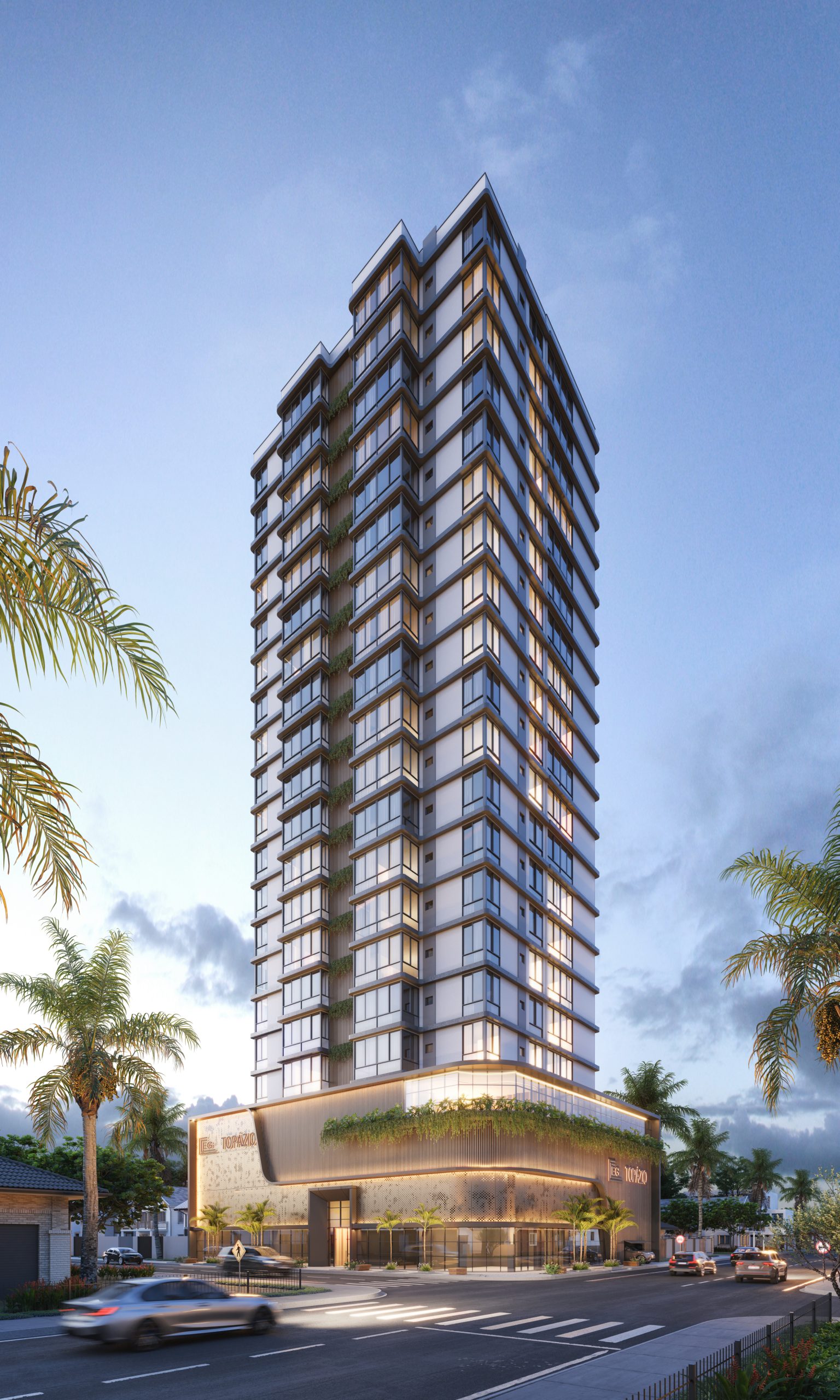
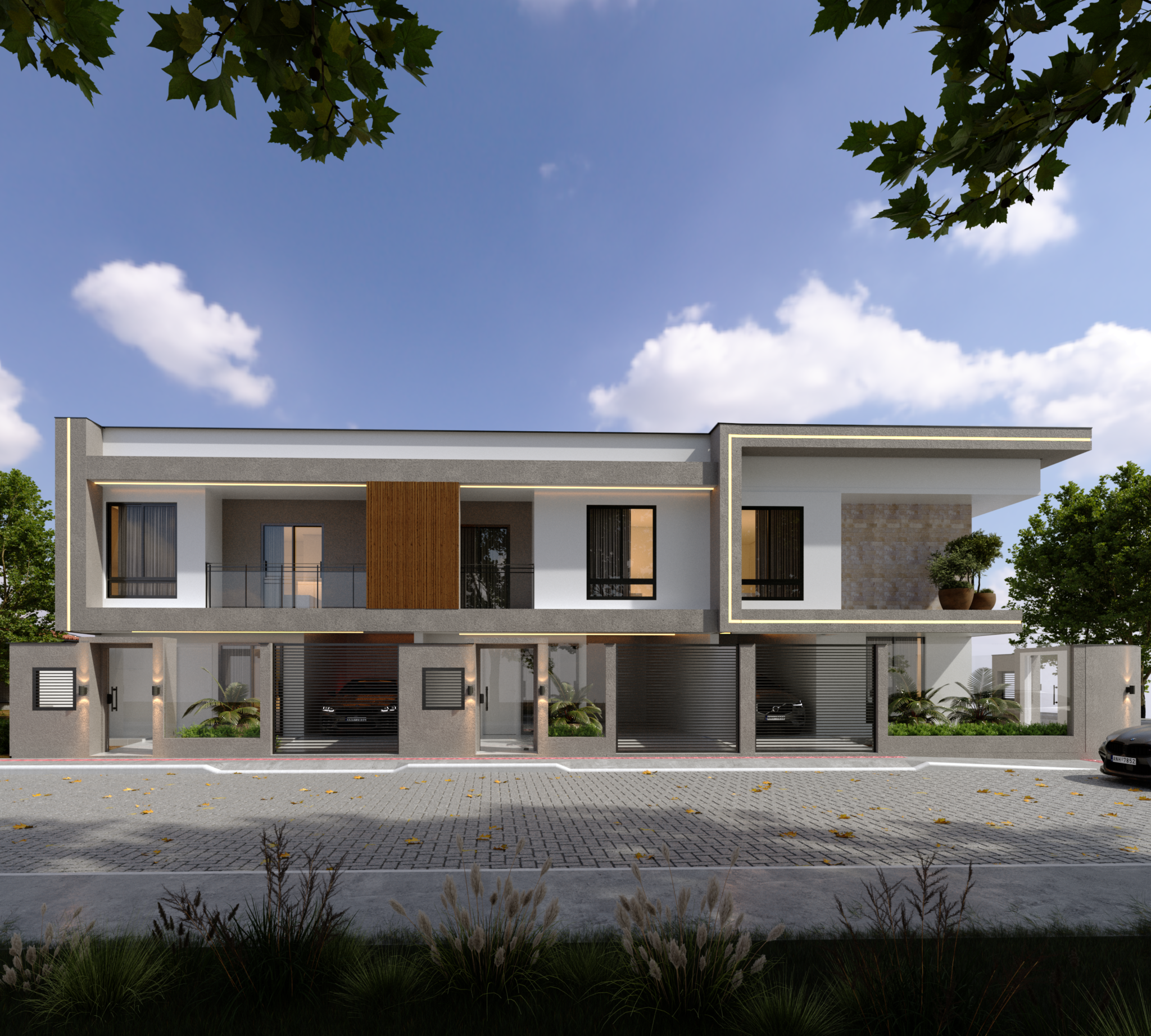
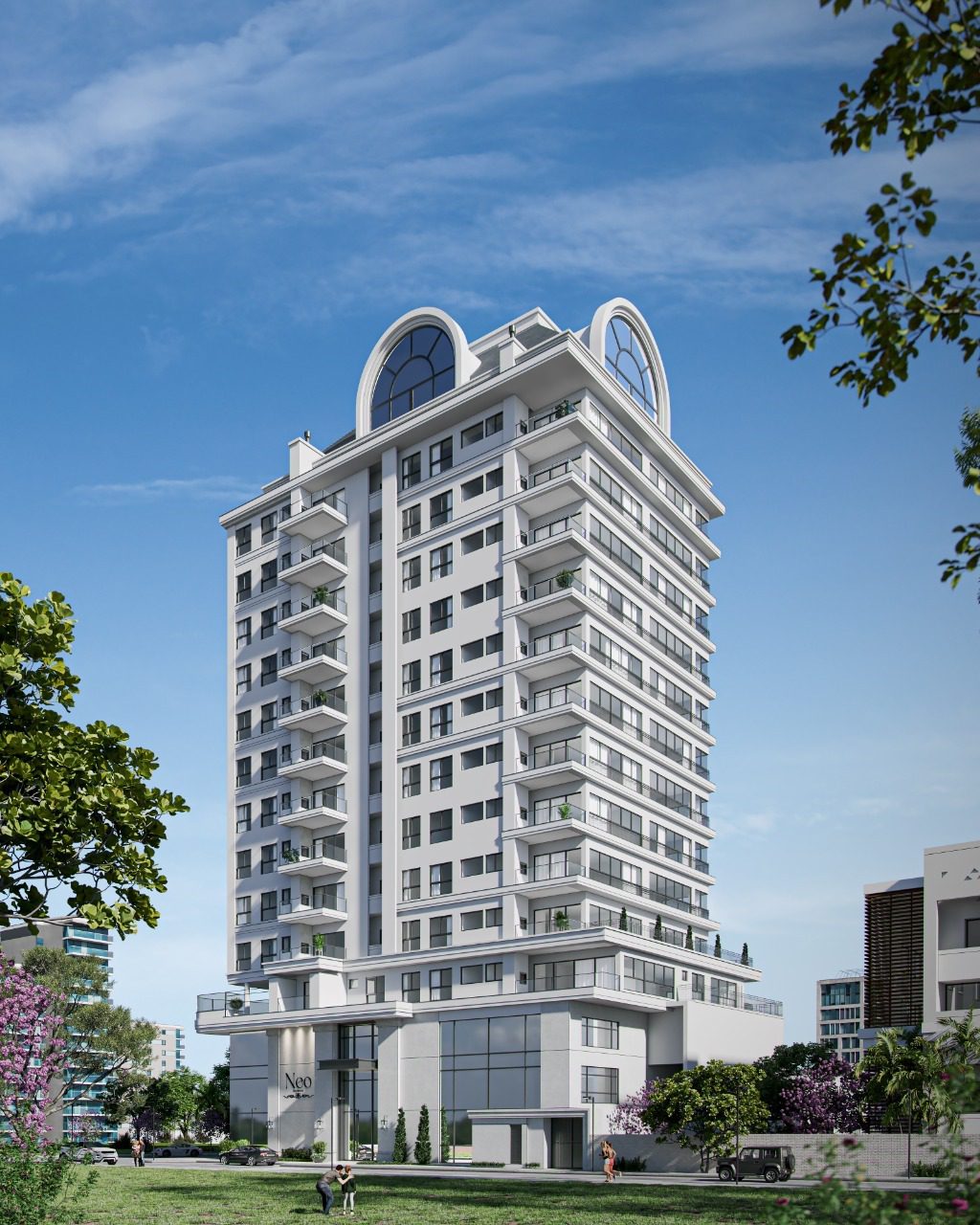
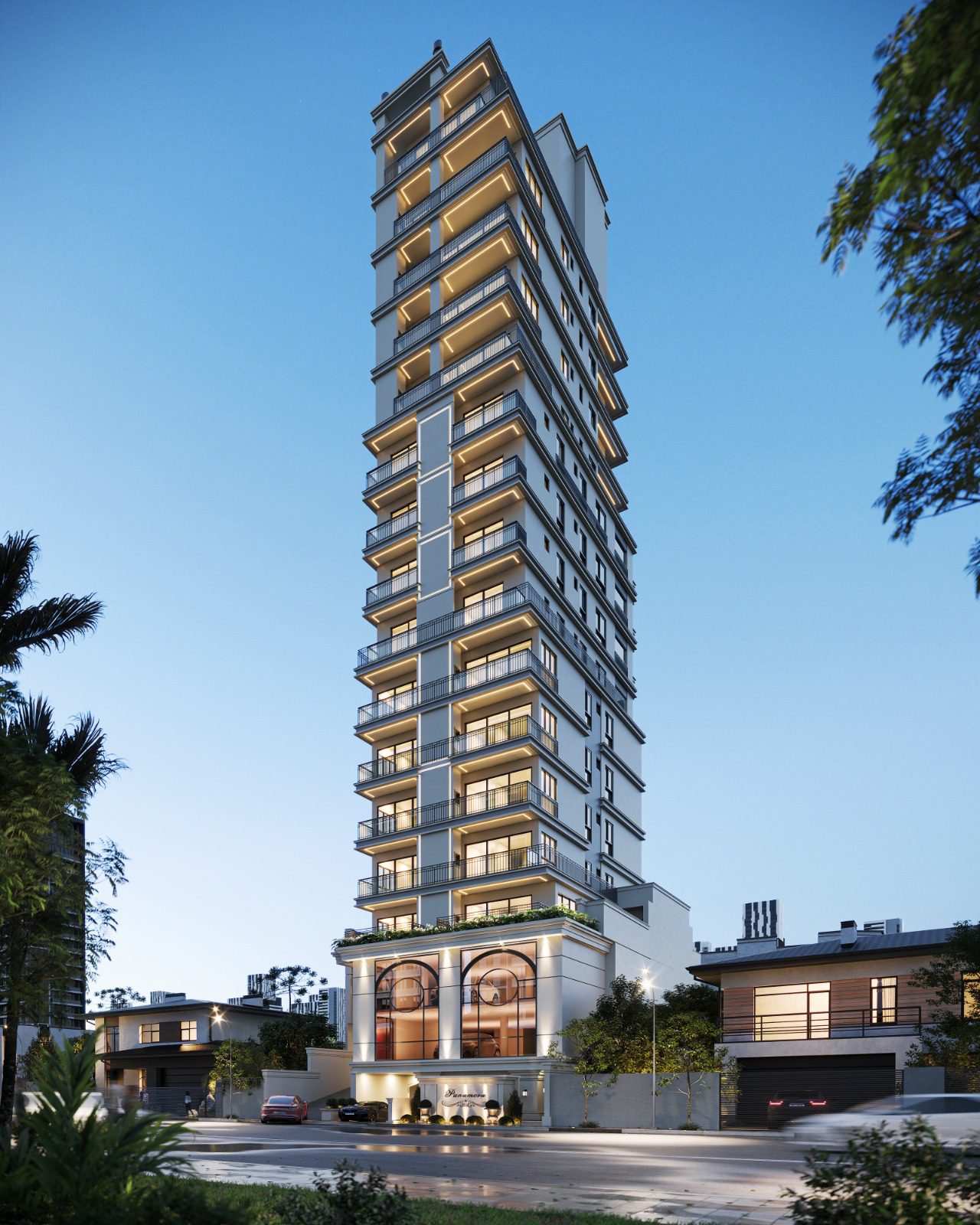
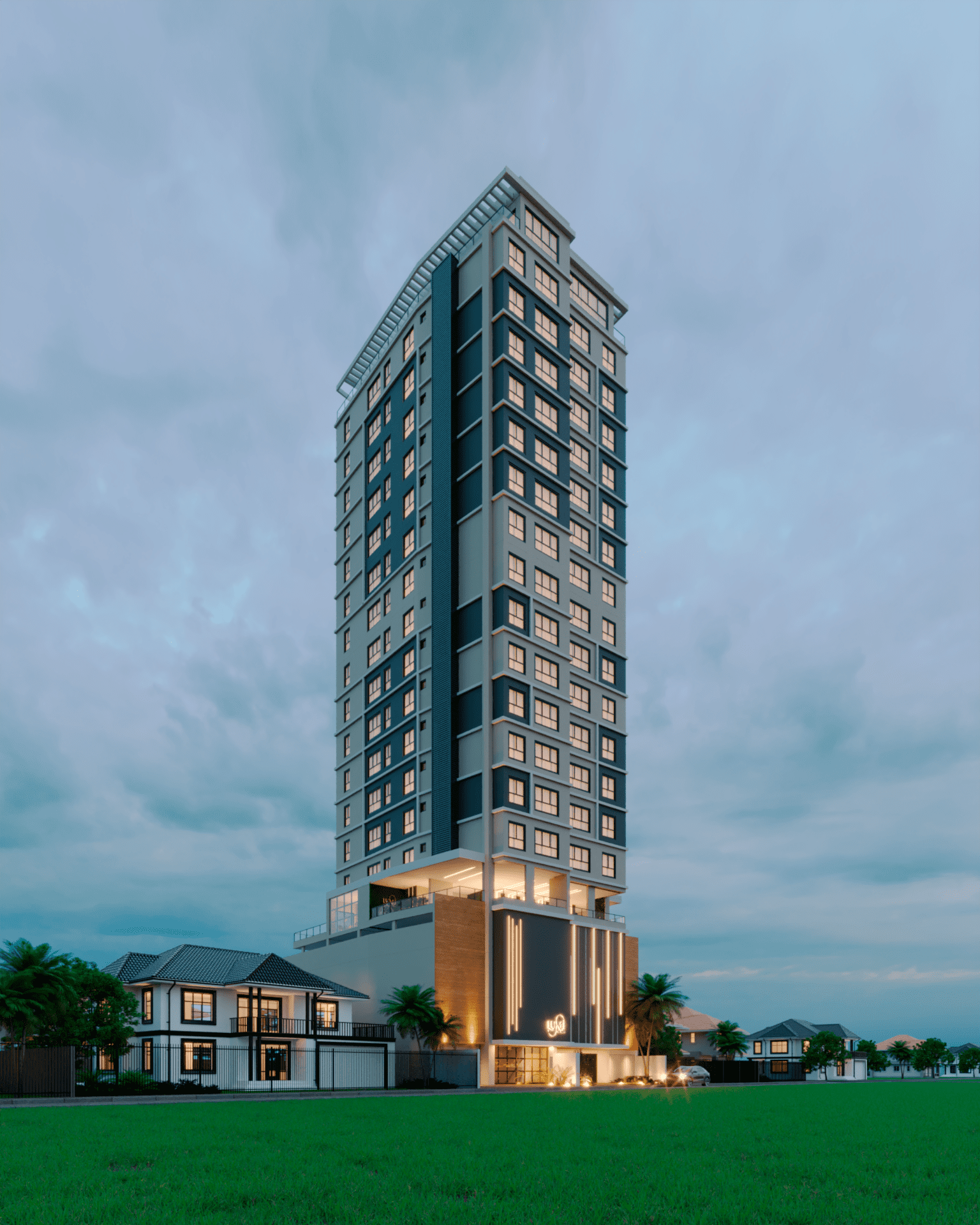
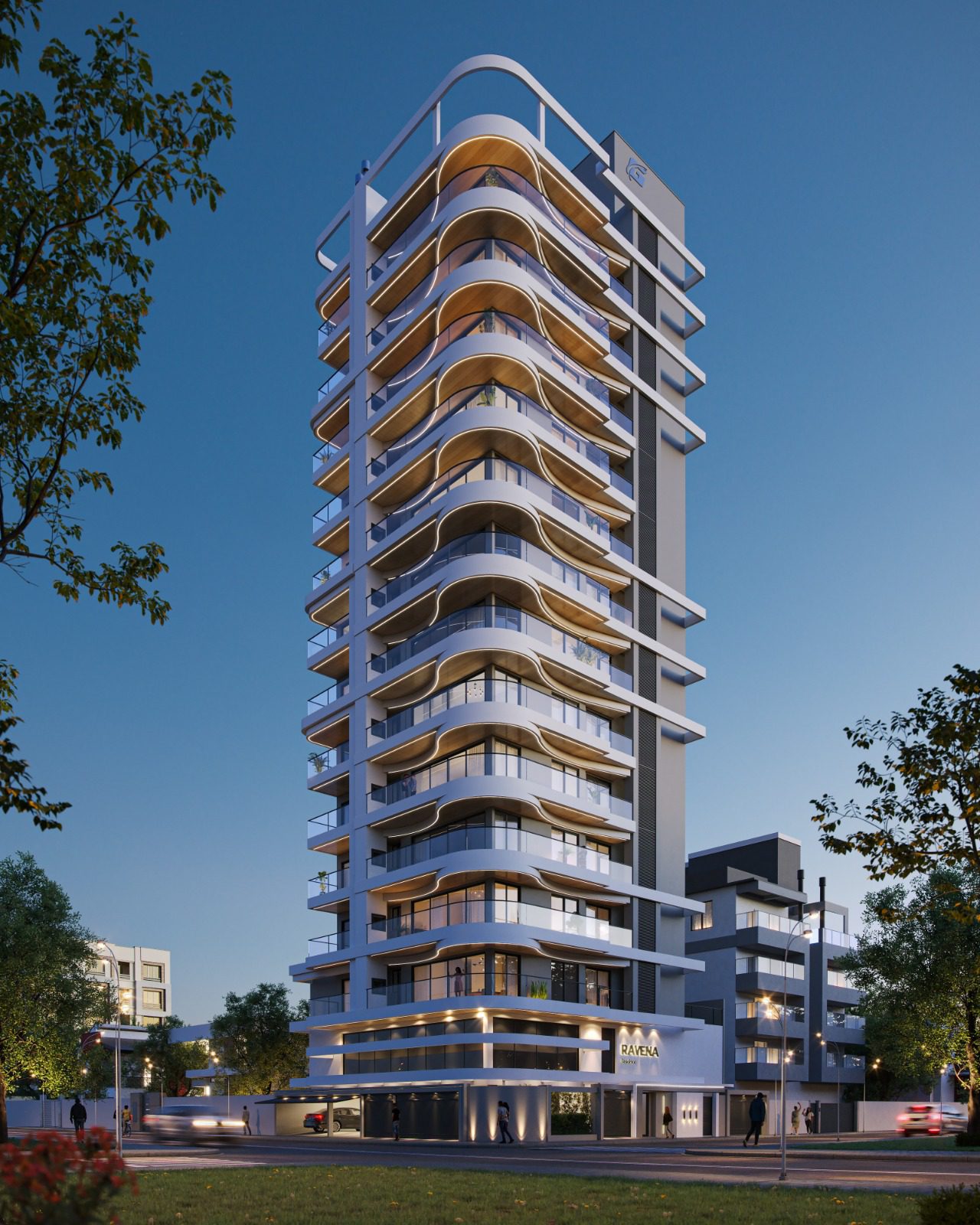
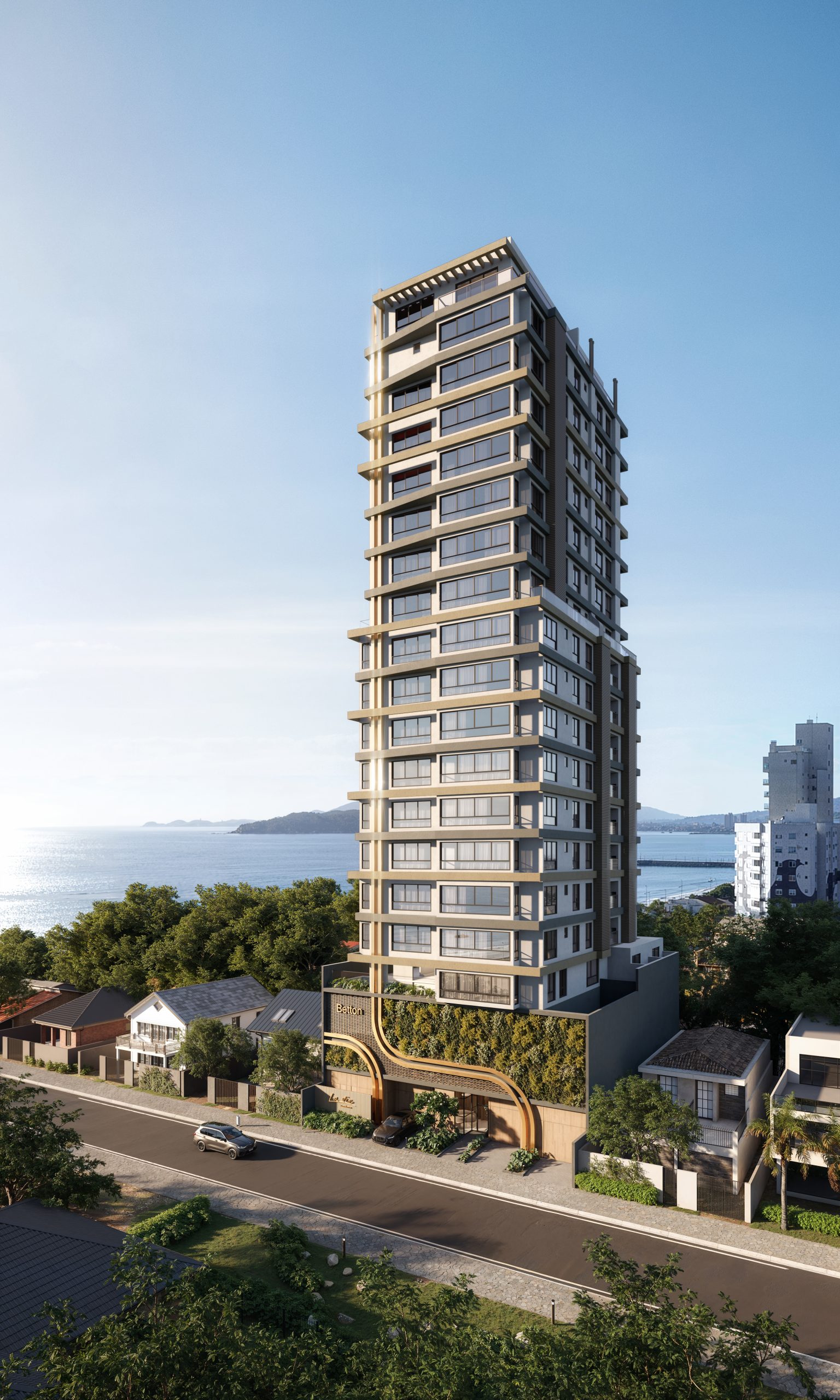
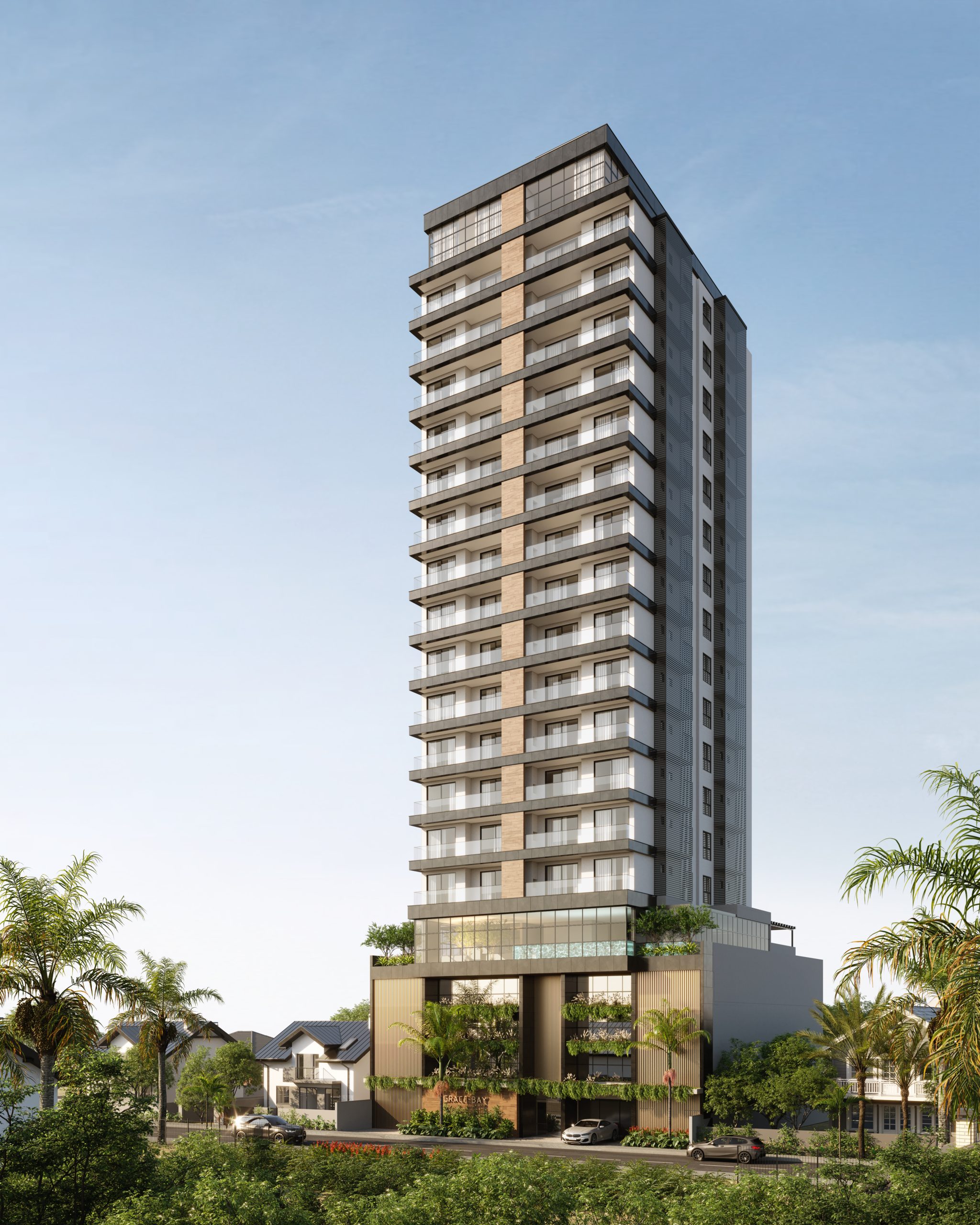
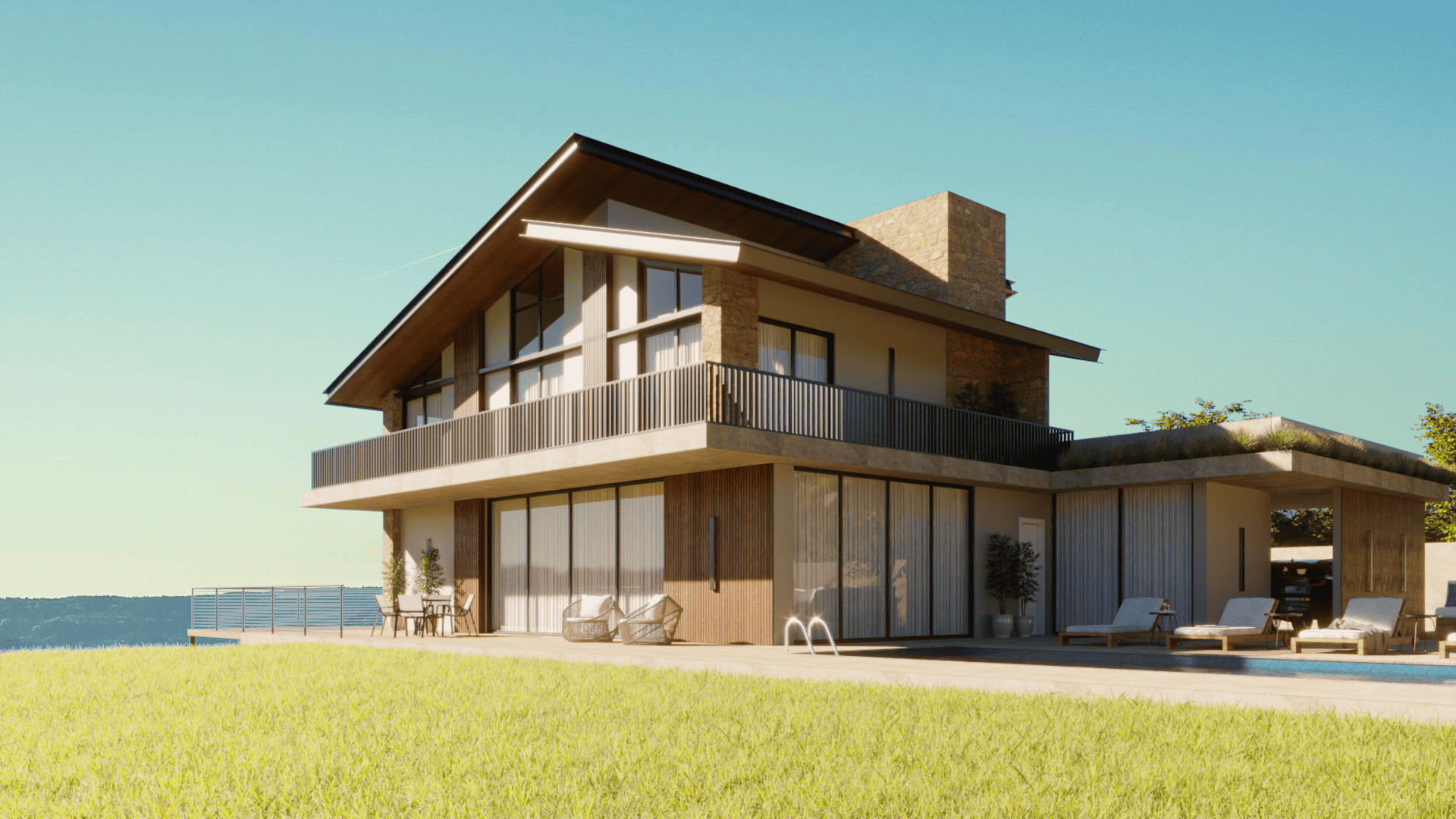
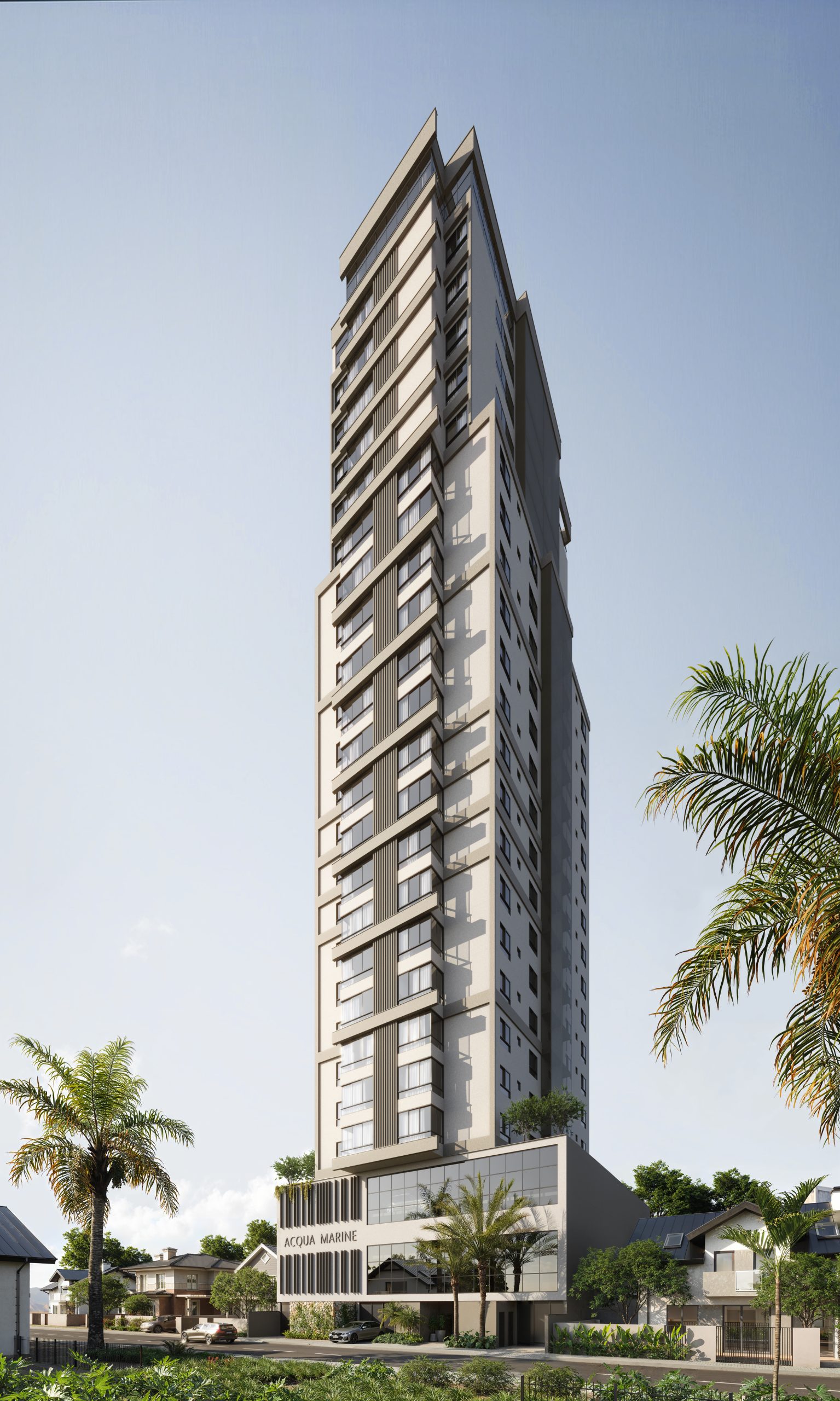
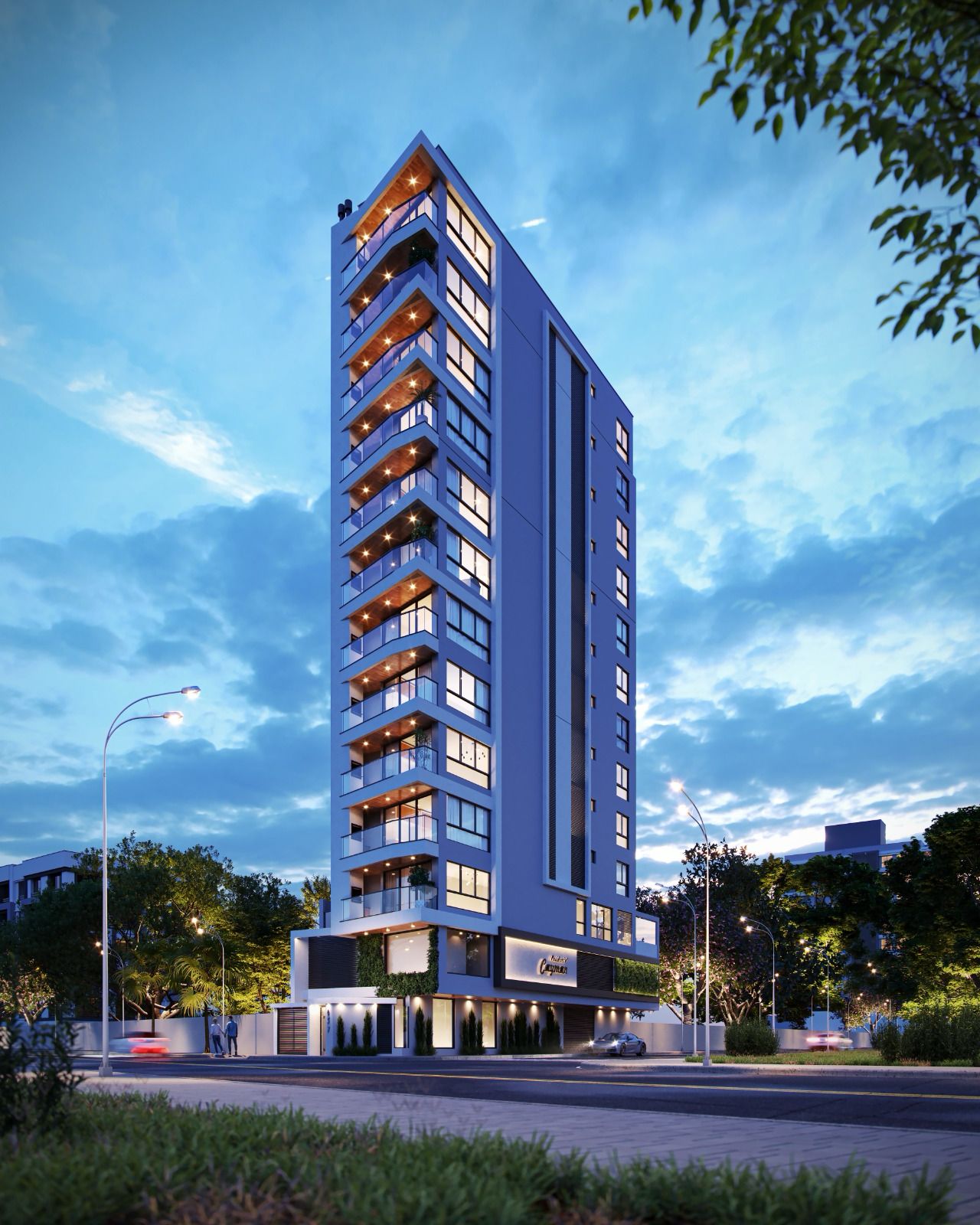
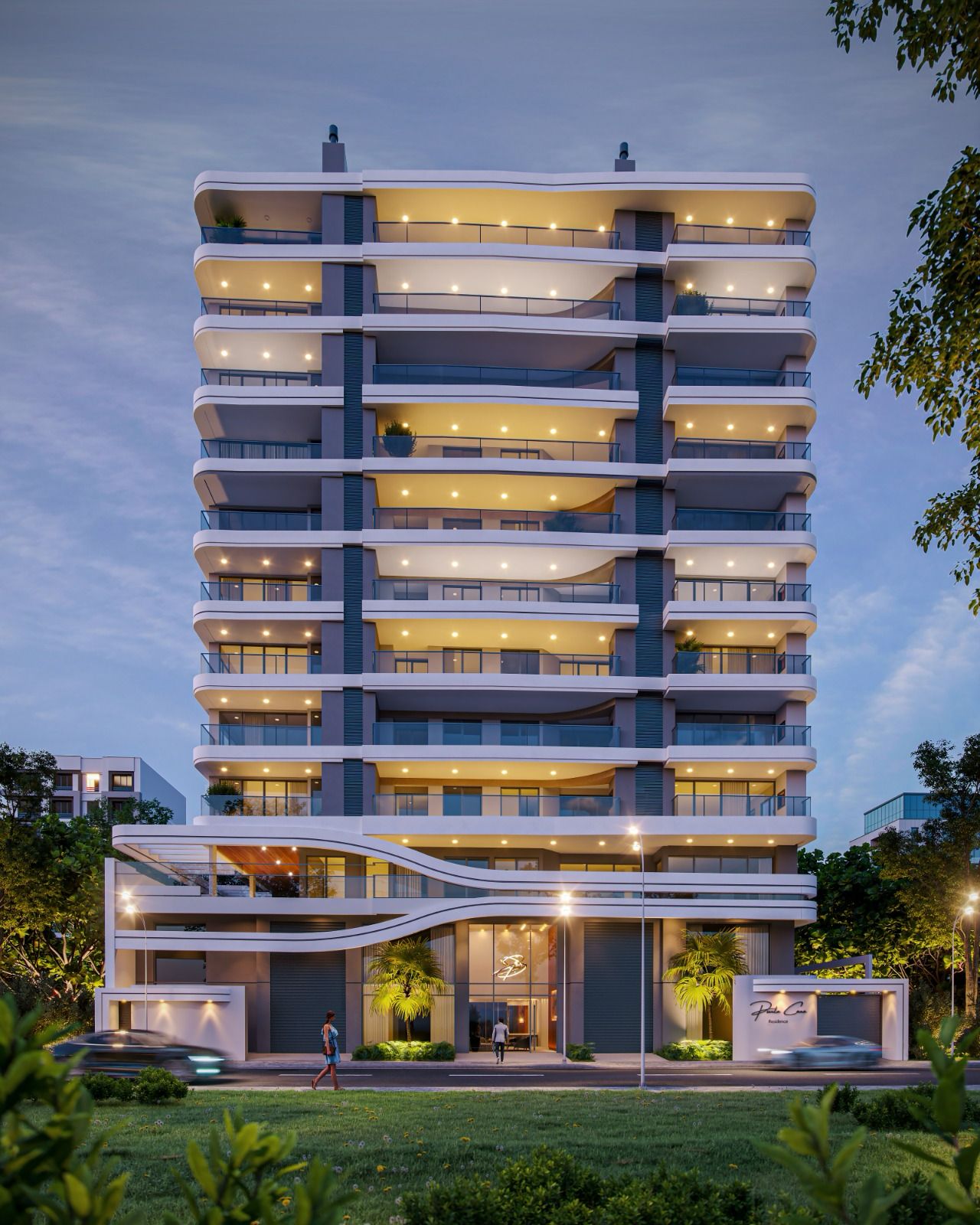
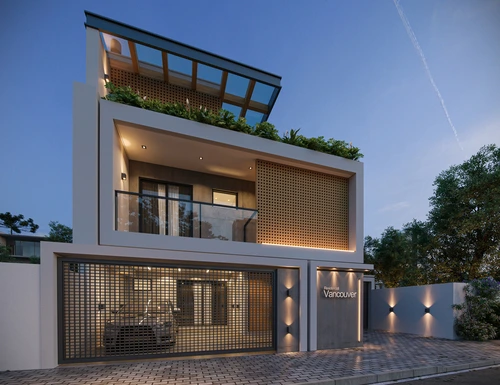
Almost 40% of global carbon emissions come from construction and its energy use. architecture in Brazil is changing that, focusing on tendencies e innovations in construction. This change not only advances technology but also demonstrates social responsibility.
These new ways of building go beyond the visual aspect and the use of spaces. They aim to protect the planet and guarantee a promising future for all. Brazil stands out globally for its ecological constructions, highlighting the importance of modern and sustainable architecture for the world.

The Growing Importance of Sustainable Architecture
Sustainable architecture is gaining increasing prominence in the construction industry. It stands out for its innovations and significant contributions to environmental protection. The practices adopted effectively address debates about sustainability and environmental impact.
In Brazilian architecture, Here, we see something special. She uses nature a lot in her creations. This shows how Brazil stands out in the world. Here, we make great use of what nature gives us. The climate and local materials are very important to architects.
Famous projects here focus on economy. They use few natural resources. They prefer to use lightweight materials, such as wood and bamboo. This shows a concern for the planet.
–Design trends They value well-used spaces and natural breezes.
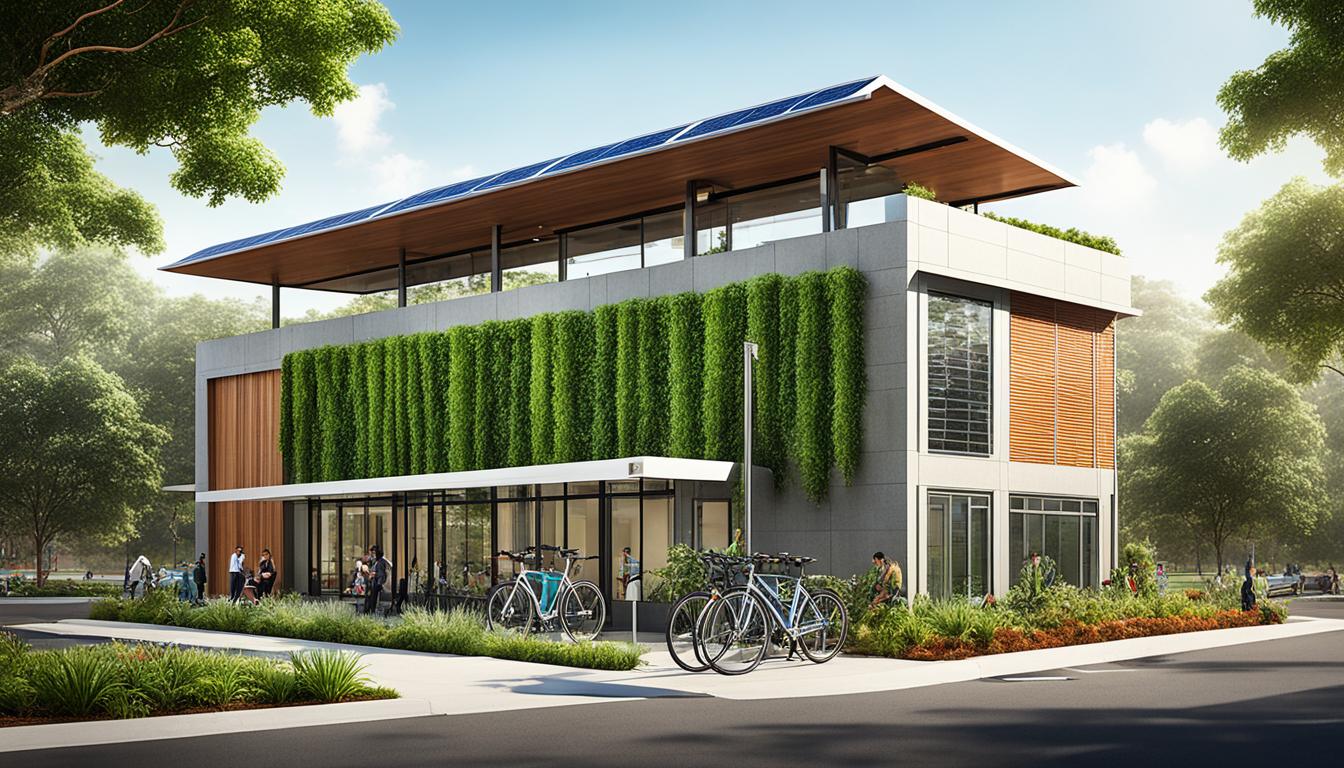
The focus is on conserving resources, such as collecting rainwater and using solar energy.
Revitalizing old techniques makes it possible to Brazilian architecture to be green and culturally rich.
These design approaches are unique to Brazil and the world. Understanding them is key for anyone working in architecture who wants to be sustainable. It's about learning from nature instead of fighting it.
Main characteristics of Sustainable Architecture in Brazil
Sustainable architecture in Brazil uses local materials and techniques that save resources. It protects the environment and values what our region has best to offer. This includes rescuing and modernizing the vernacular architecture.
This architecture prioritizes materials that cause little harm to nature and last a long time. By choosing these materials, the buildings require fewer repairs. This also reduces the waste they produce.
– Use of building materials from responsible and sustainable sources.
– Integrating traditional techniques adapted to contemporary needs to reduce energy consumption.
– Implementing strategies that foster healthy and economical internal environments.
The construction method clearly demonstrates a commitment to saving materials and avoiding waste. From the very beginning, energy efficiency is a major consideration. This makes the buildings both user-friendly and environmentally friendly.
Reusing old construction techniques highlights how architecture adapts to the local climate. This helps to live comfortably and in a nature-friendly way.
Places with good ventilation and sunlight make great use of sustainable architecture. They are also more pleasant to be in. These buildings are good for the people who live in them. In addition, they are good for the future of the planet. After all, they teach future generations to care for the environment.
Therefore, having more sustainable buildings is a smart choice. It meets what the world demands today: constructions that respect people and the environment.
Modern architecture, sustainability and the environment
In Brazil, modern architecture values sustainable practices. It seeks solutions for the present without compromising the future. This includes the use of sustainable design in buildings, making them environmentally friendly.
Sustainable design doesn't just focus on the beauty and function of a place. It also chooses technologies and materials that have less impact on nature. In this way, the entire life cycle of a building is considered, aiming to be sustainable at every stage.
The role of sustainable design in the current scenario.
Today, sustainable design is more than a trend; it's a necessity. In urban areas, architects are working to create spaces that improve people's lives without harming the planet. Efforts are being made to save energy and reduce waste, promoting a greener and healthier city.
Conclusion
In this way, by adopting sustainable construction practices, we are protecting our planet and ensuring a better future for the next generations. Brazil, with its ecological buildings, is a global example of how modern architecture can and should be sustainable.