

The Essentials of Romanesque Architecture
Romanesque architecture dominated Europe between the 11th and 12th centuries. Furthermore, it established the technical foundations for the construction of large religious buildings. For example, the robustness of the structures defines its unmistakable aesthetic. In this way, we understand how the engineering of the time prioritized durability. However, artistic beauty remains the central focus of this style.
Thick Walls and Robustness
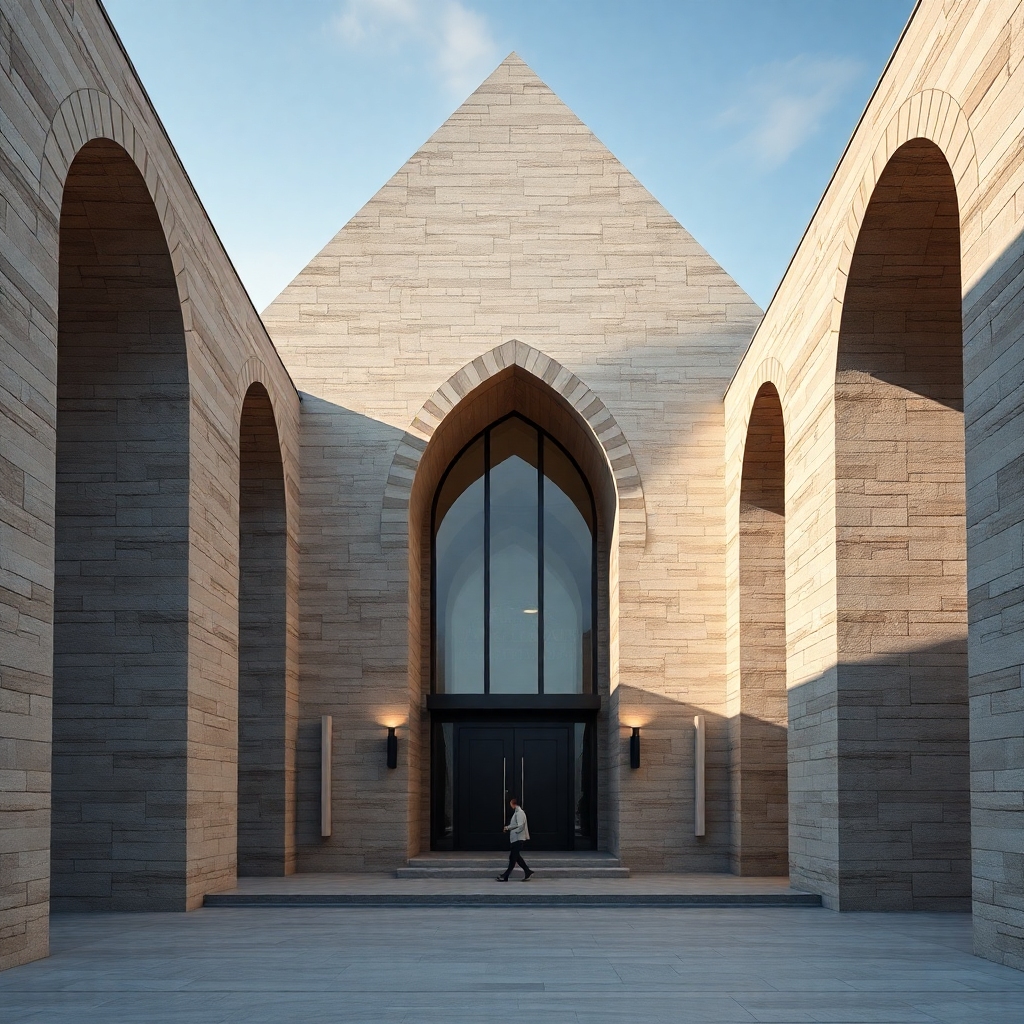
Romanesque buildings feature massive stone walls. Consequently, the weight of the roof requires this extra support. On the other hand, windows are small and infrequent. Therefore, the interior of the churches maintains a contemplative dimness. In addition, the thickness of the walls offers impressive natural thermal insulation.
Perfect Back Arches
The perfect semicircular arch is the hallmark of the style. Builders used this geometric shape to better distribute weight. In this way, barrel vaults ensure structural stability. For example, the Basilica of Saint-Sernin, The church, located in Toulouse, perfectly exemplifies the grandeur of these arches and the spatial organization typical of this historical period. Therefore, technical precision was fundamental to avoid the collapse of the large ships.
The Importance of Vaults
The architects of the time sought to surpass the use of wooden ceilings. Therefore, they implemented complex stone vaults. Furthermore, the groin vault allowed for greater design flexibility. However, the technical challenge of erecting these structures required highly skilled engineers. In this way, human endeavor transformed stone into transcendental art.
Decorative Elements and Symmetry
Romanesque decoration integrates perfectly with the building's structural elements. For example, the sculpted capitals depict complex biblical scenes. Furthermore, symmetry governs the entire floor plan. In this way, the building conveys a sense of divine order and absolute peace. Therefore, Romanesque design harmonizes brute strength and aesthetic sensibility.
The Influence on Modern Engineering
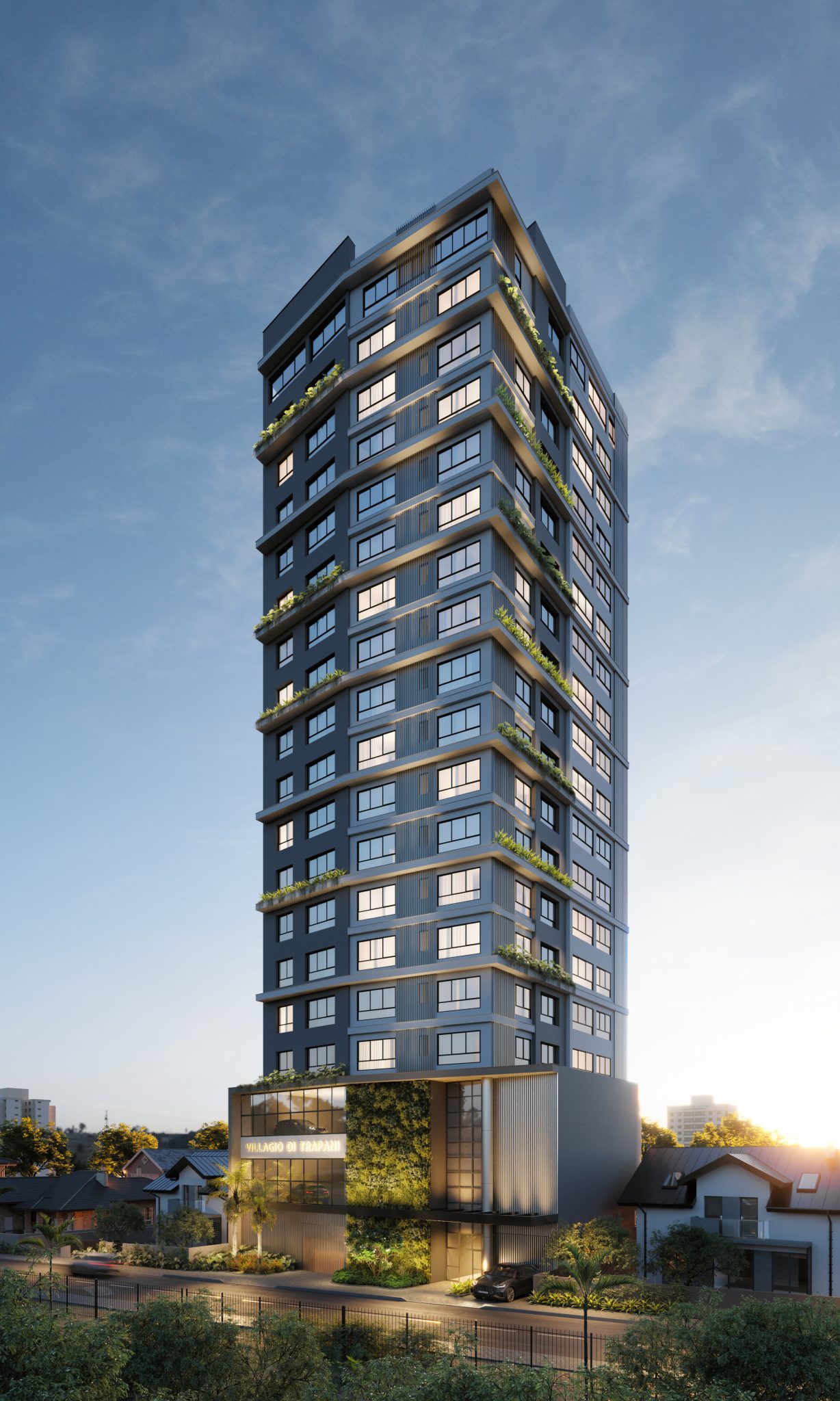
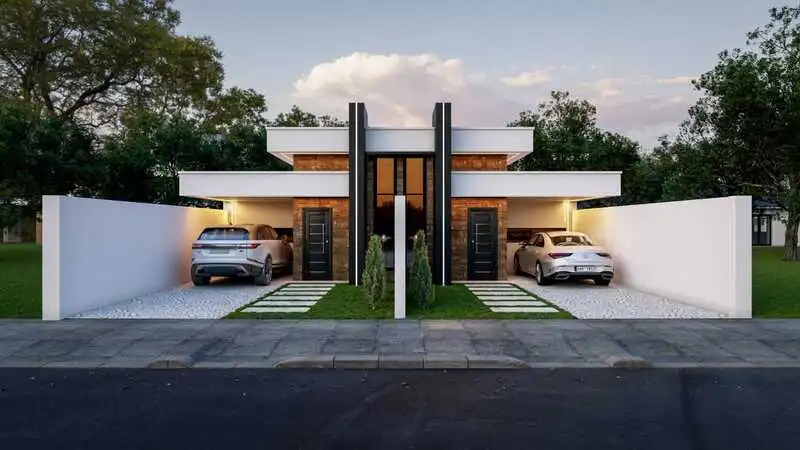
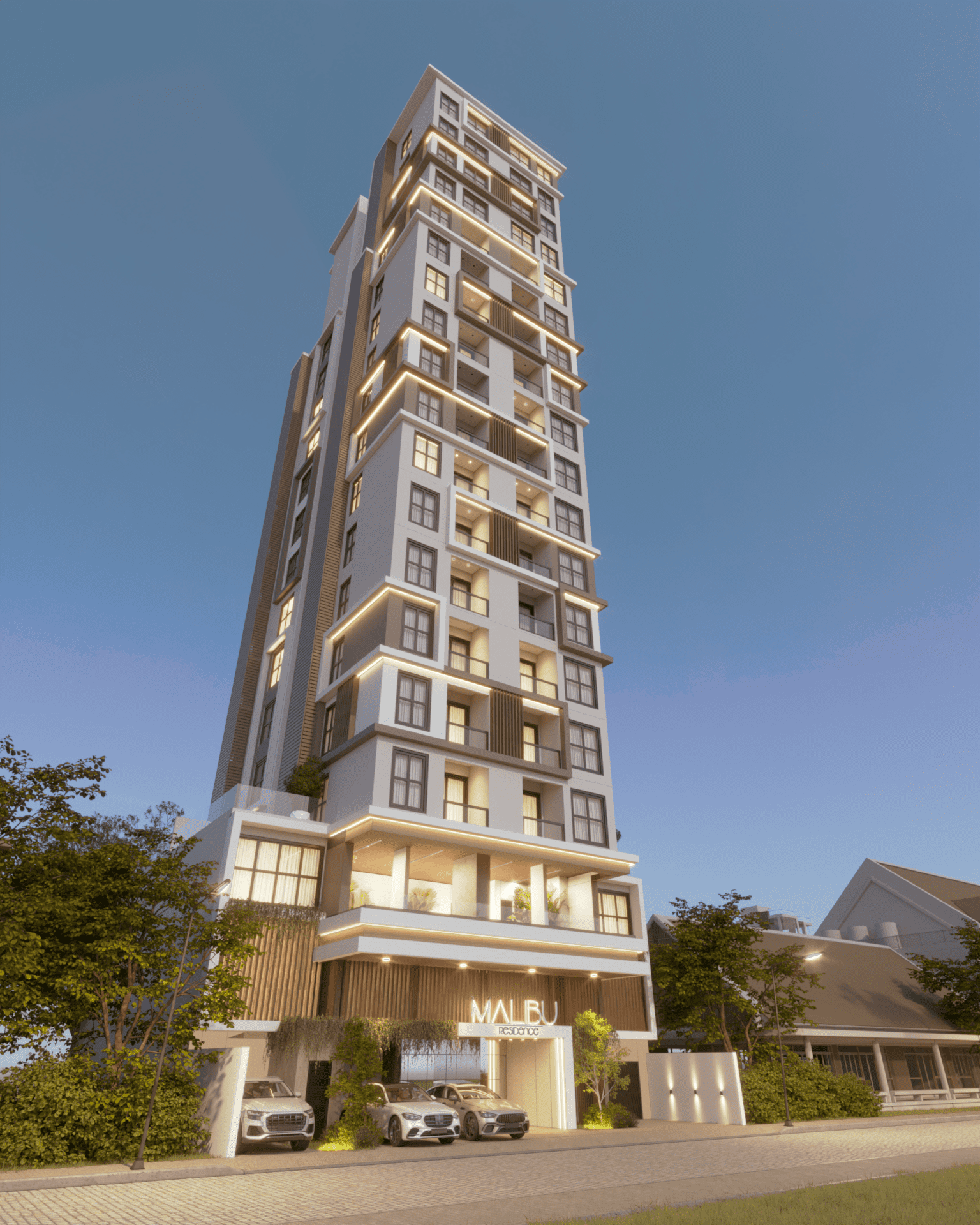
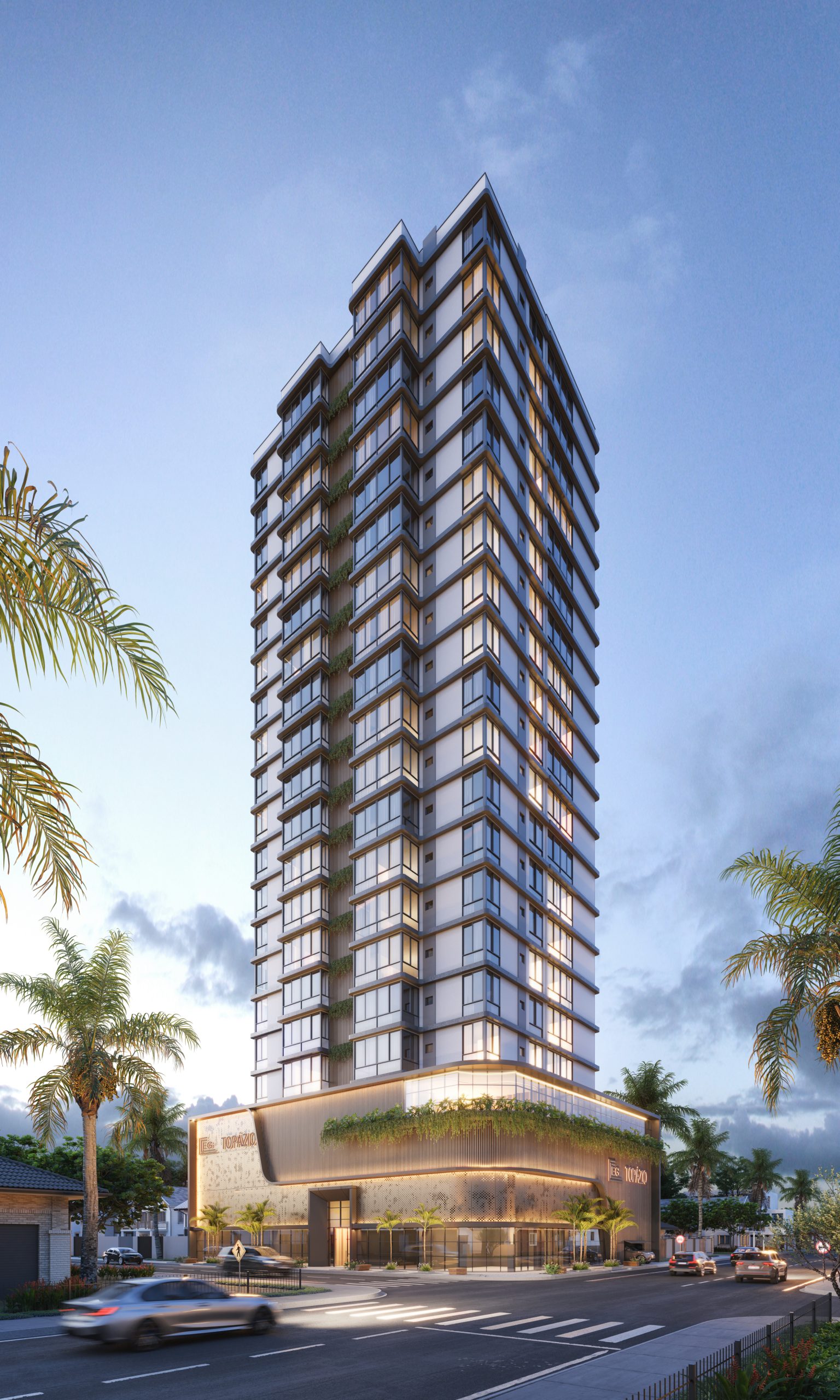
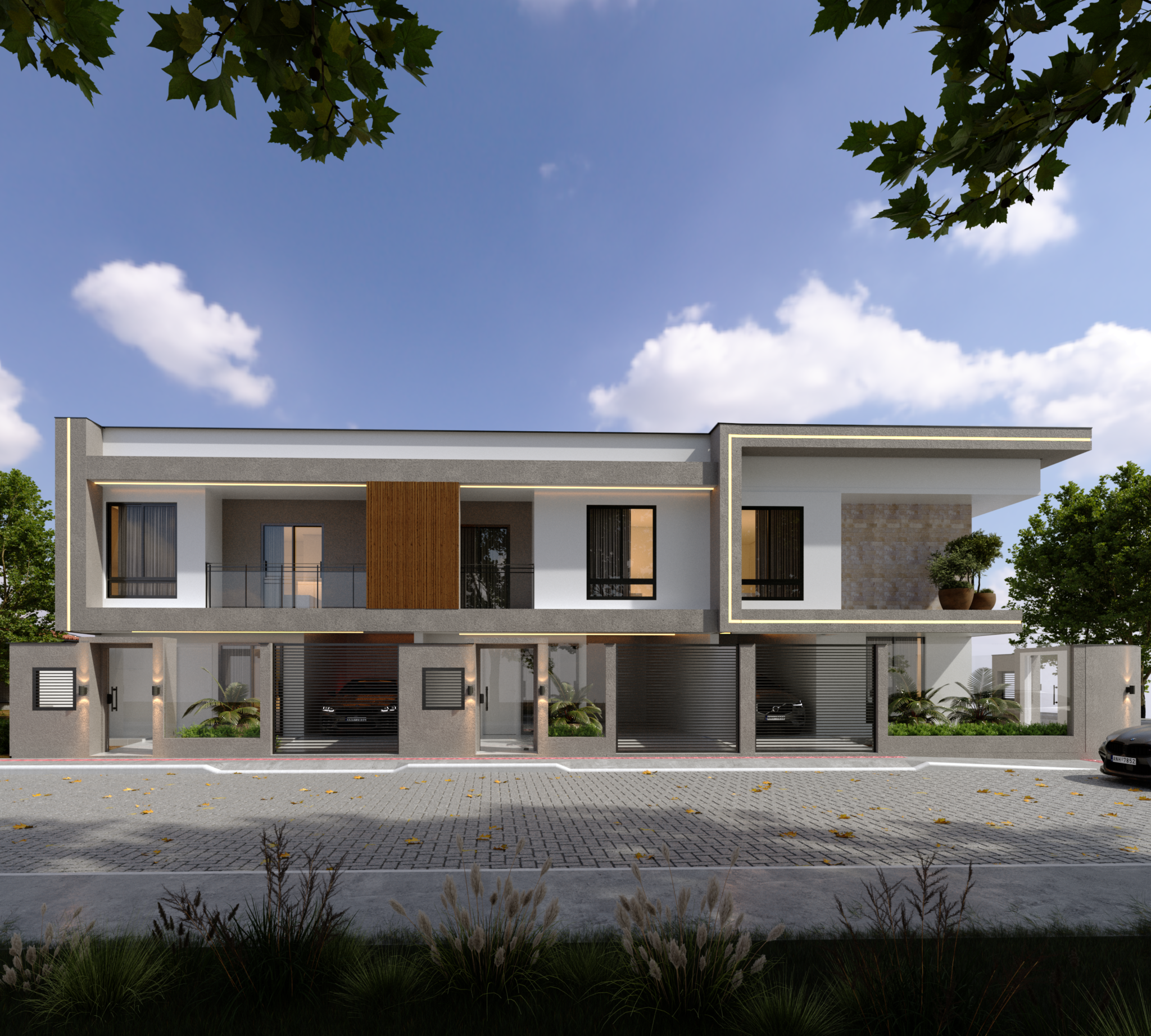
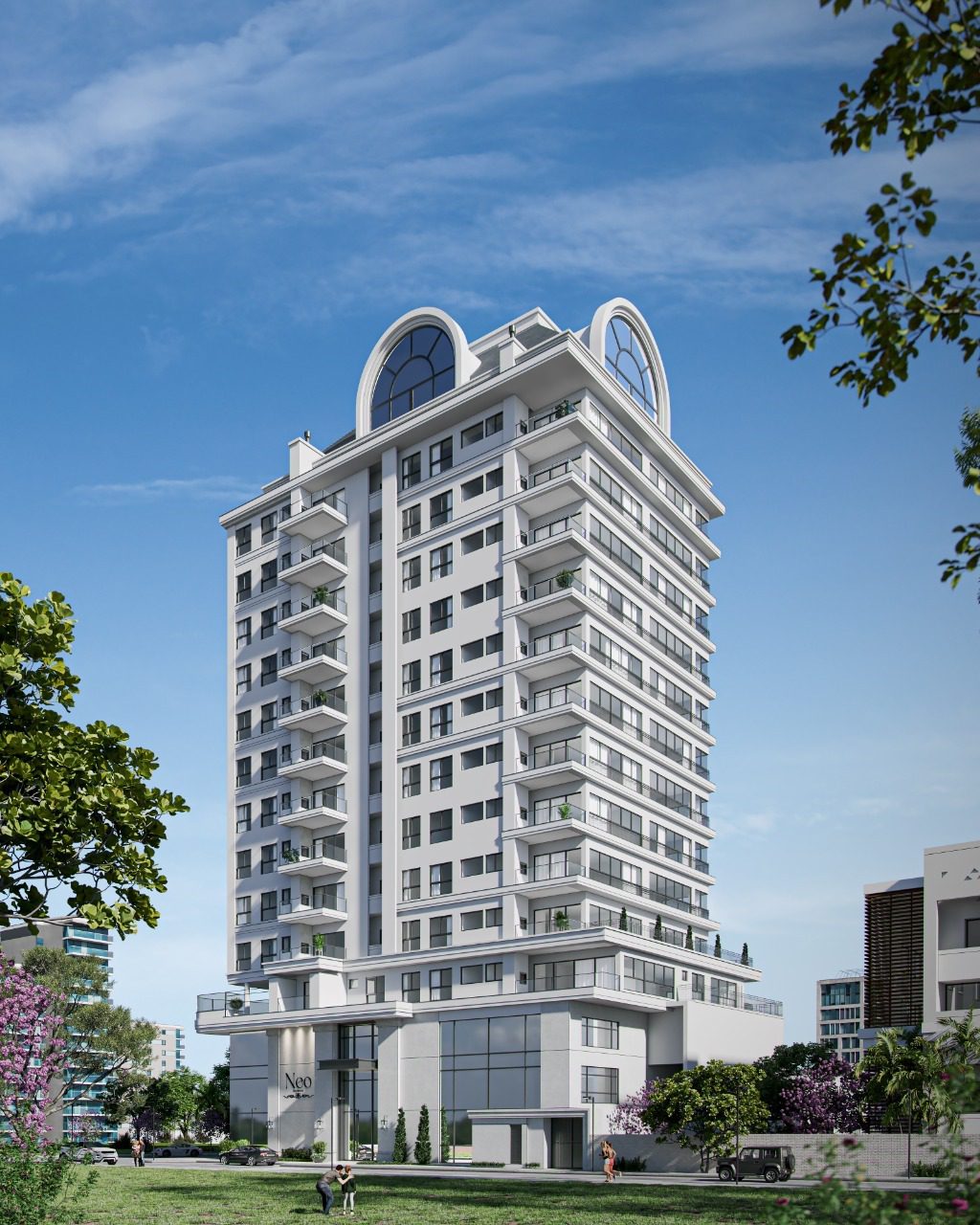
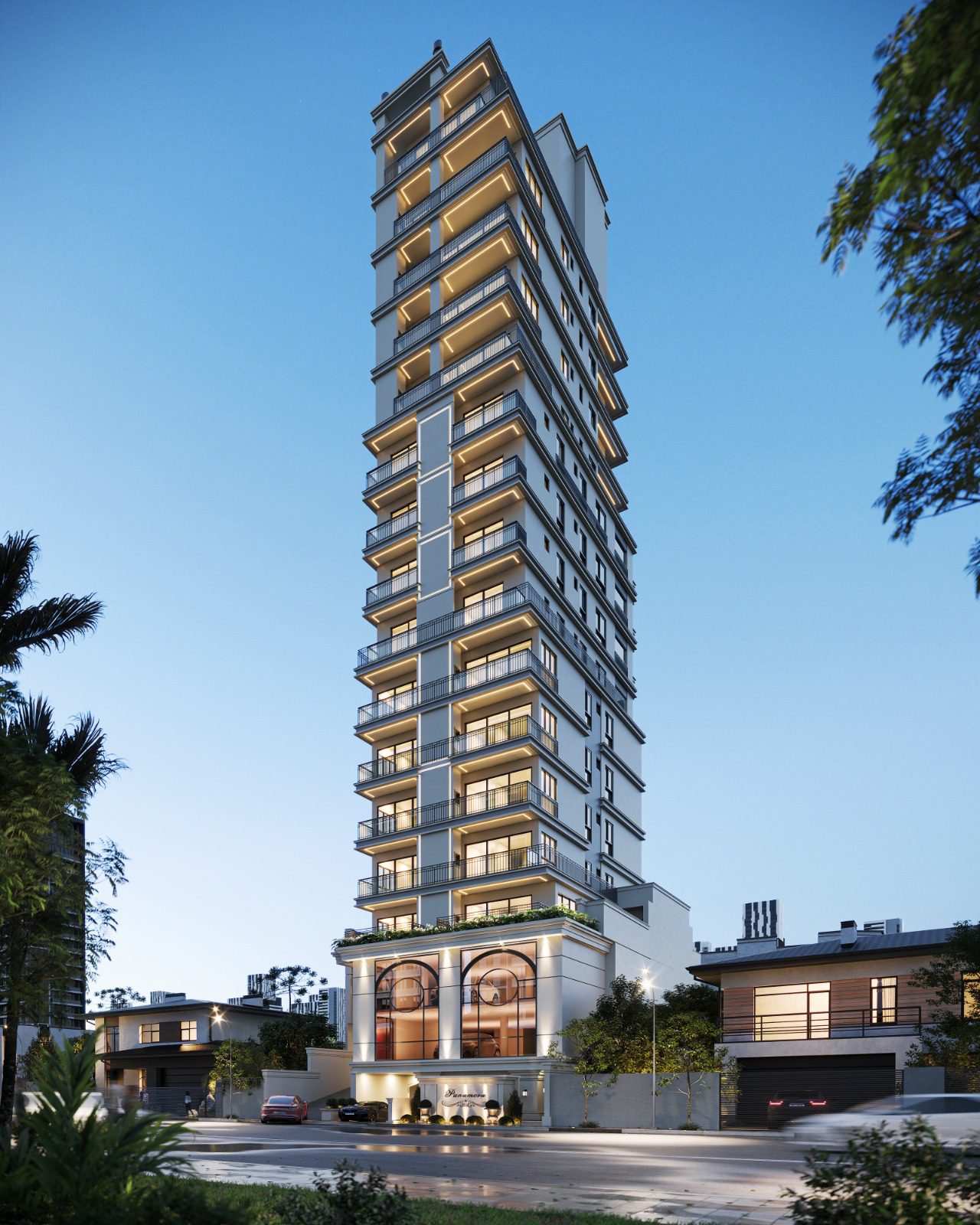
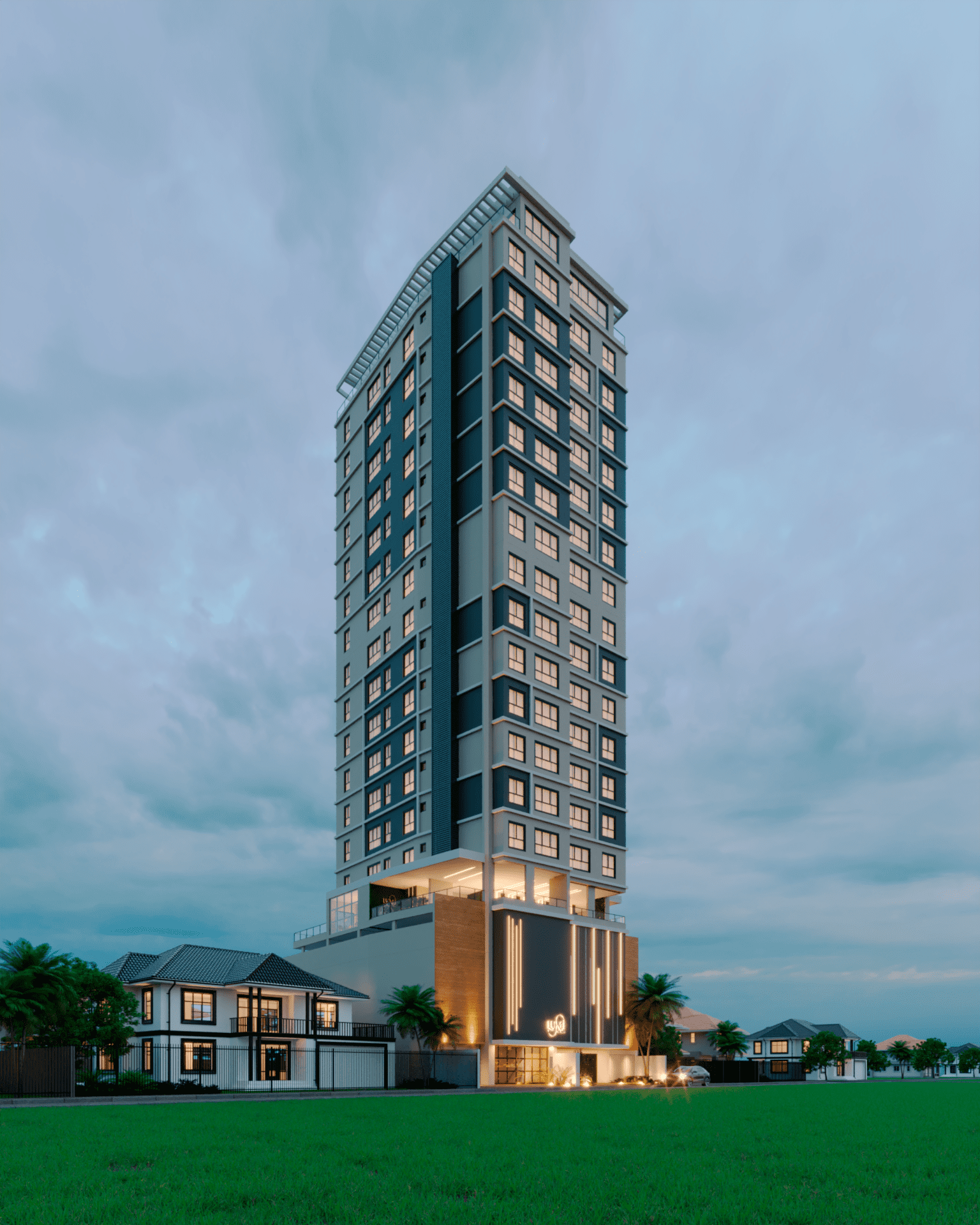
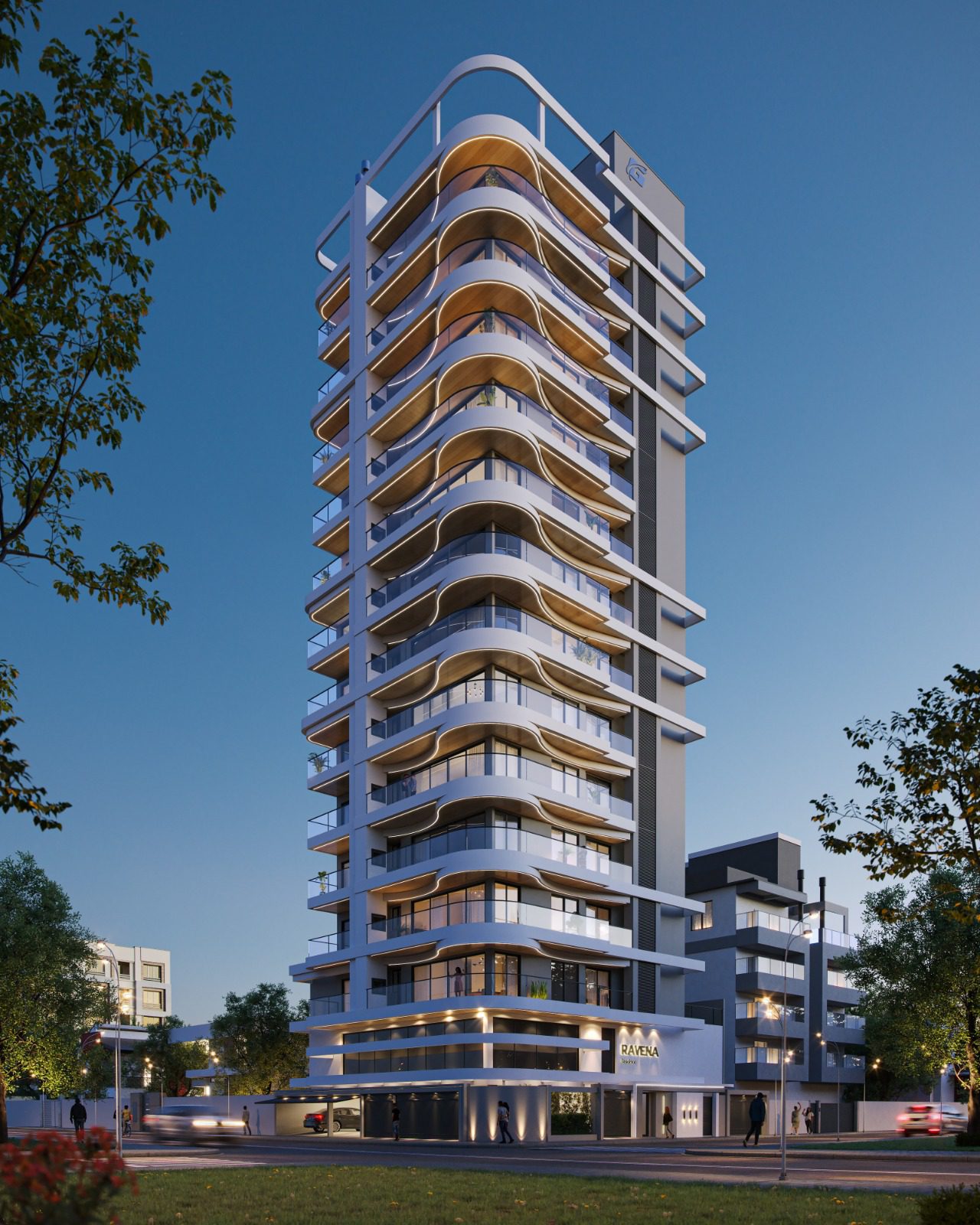
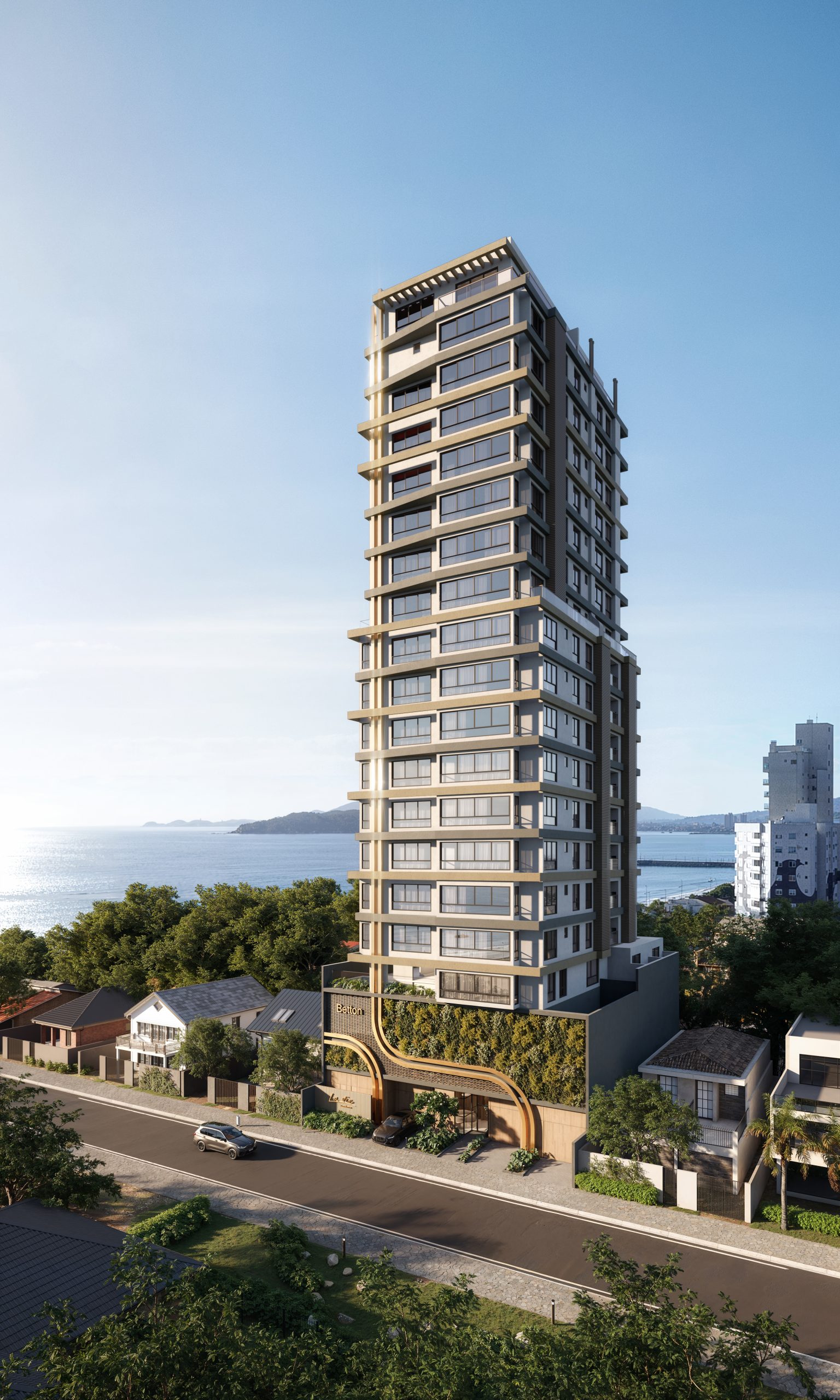
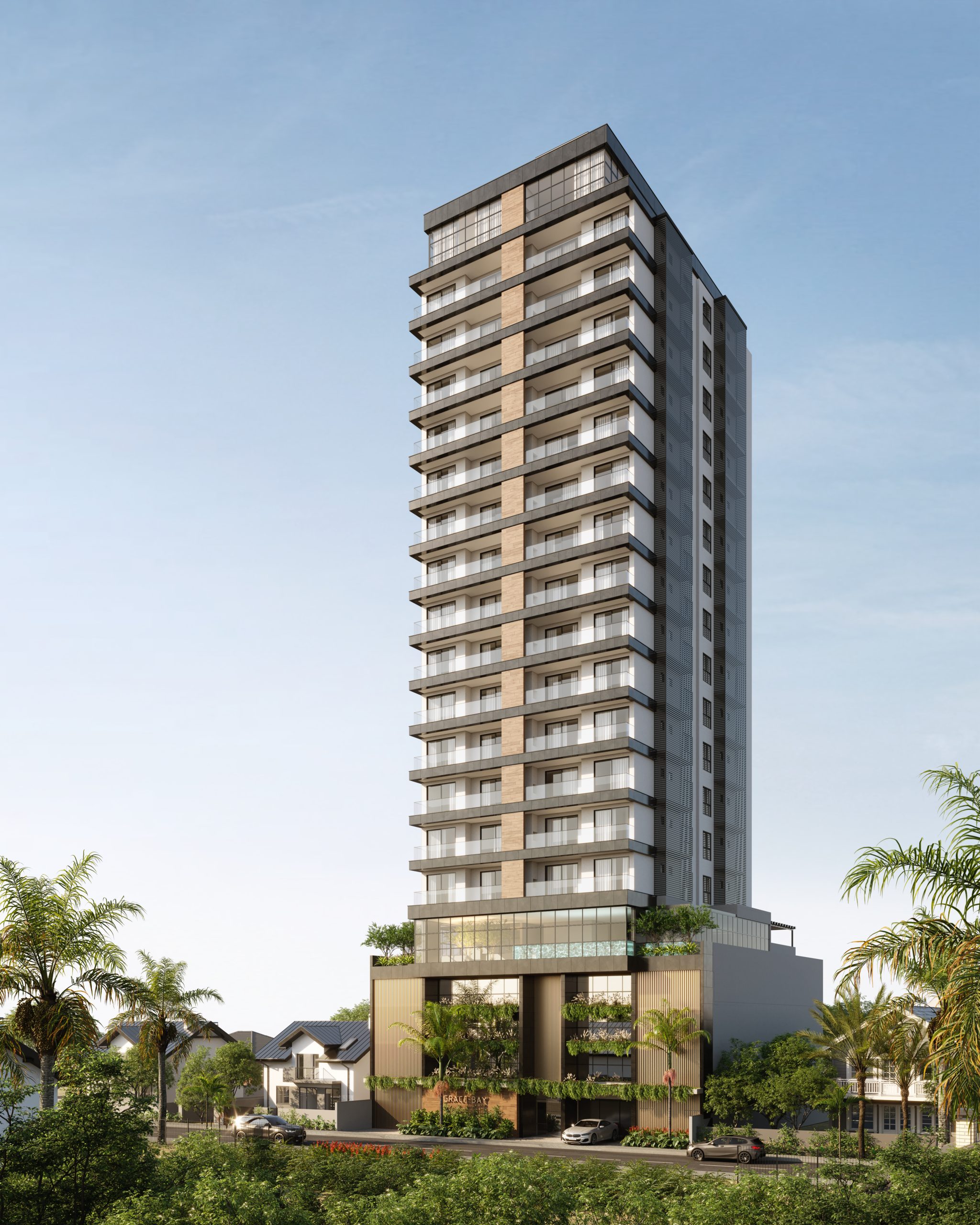
Currently, we study Romanesque architecture to understand structural stability. With the goal of applying classical concepts, WGB Arquitetura e Engenharia values solidity in its projects. Furthermore, we adapt monumental aesthetics to a contemporary context. However, our technology ensures maximum efficiency. Therefore, we seek the perfect balance between the past and the future of construction.
Conclusion: The Enduring Legacy
In short, Romanesque architecture remains a monument to human ingenuity. For example, the strategic use of noble materials defines its longevity. In this way, WGB draws inspiration from this tradition to create unique spaces. If you wish to transform your project with technique and mastery, access here to discover how our team can bring your ideas to life with the technical excellence your project deserves.