


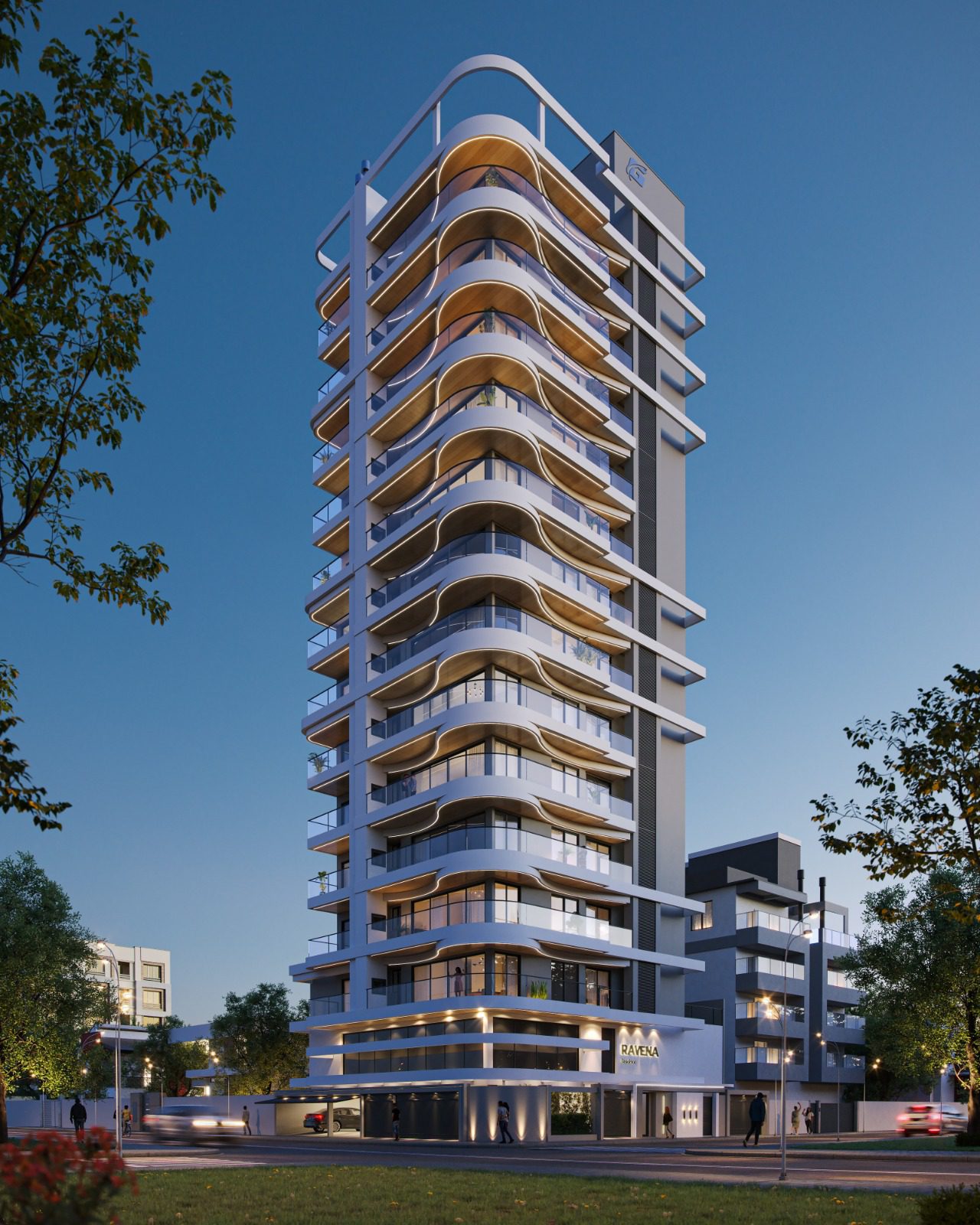
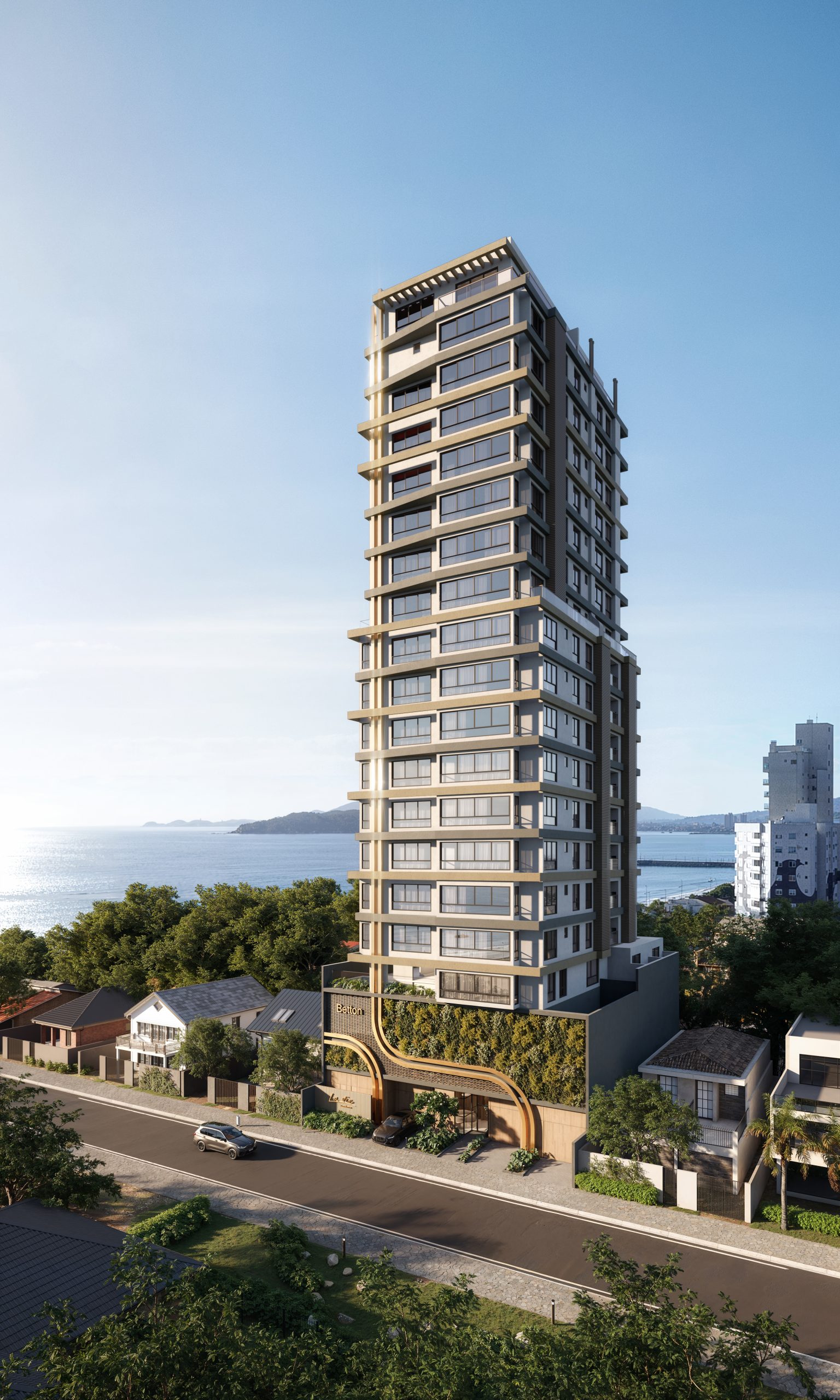
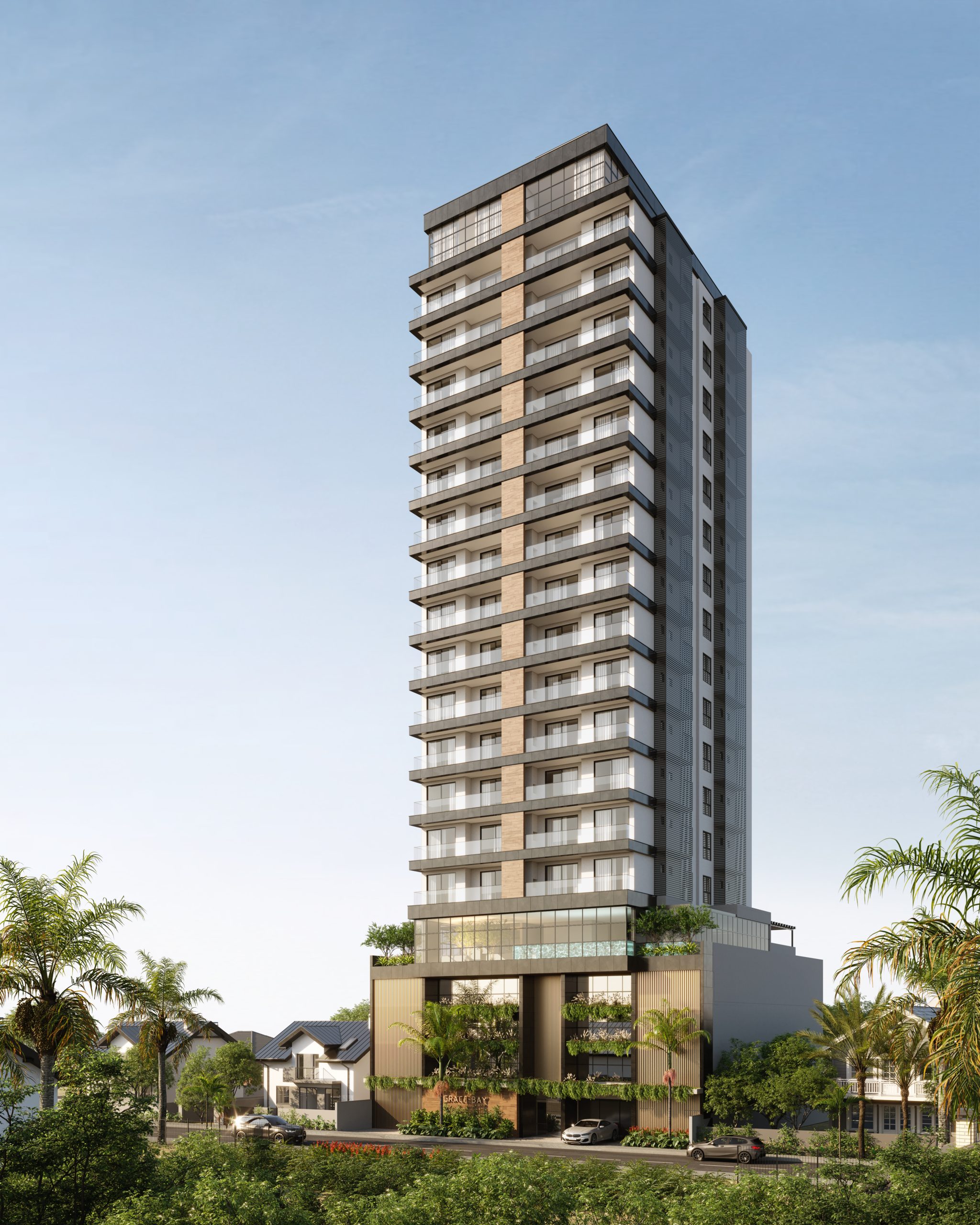
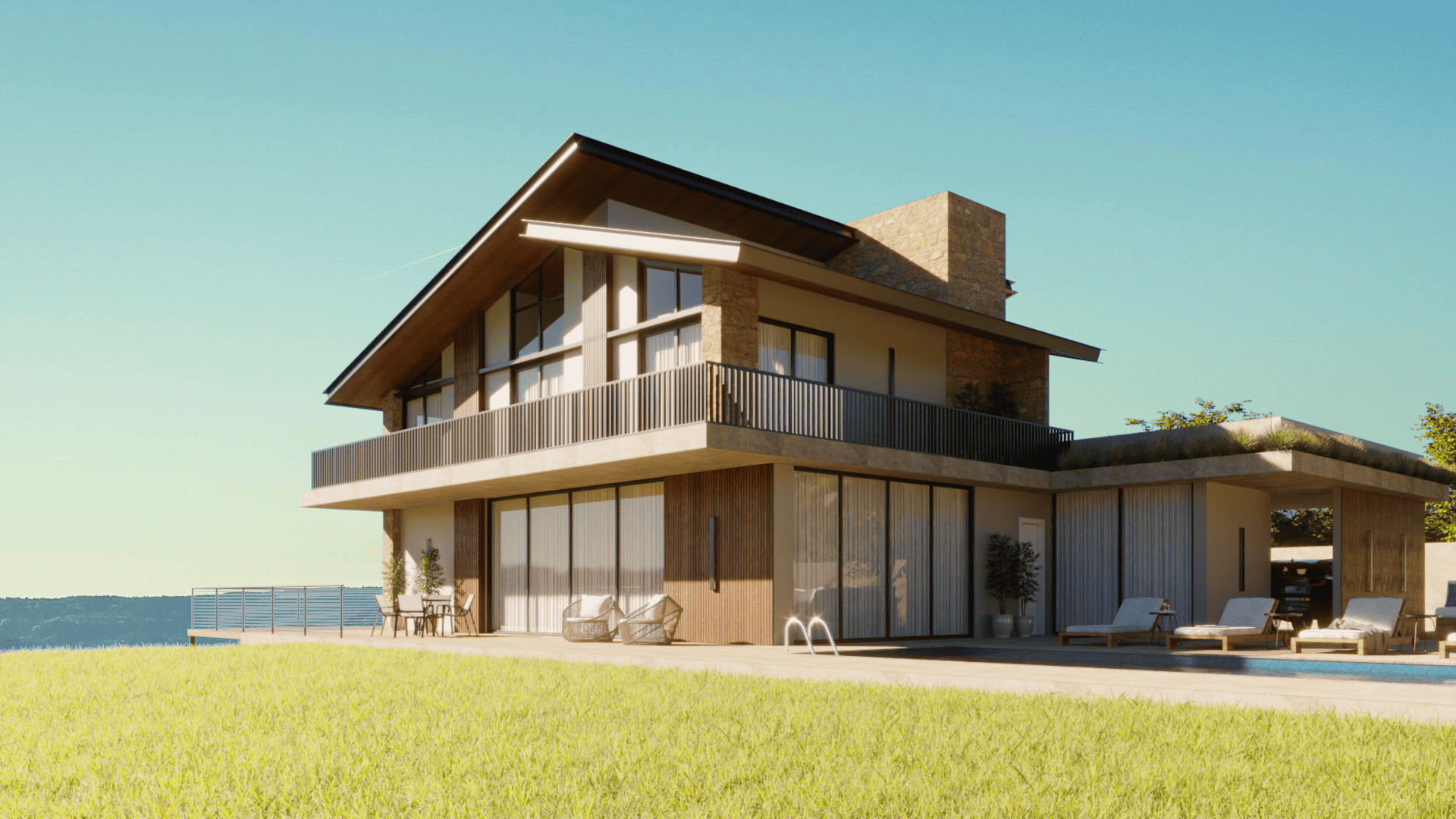
The importance of structural calculations in coastal areas.
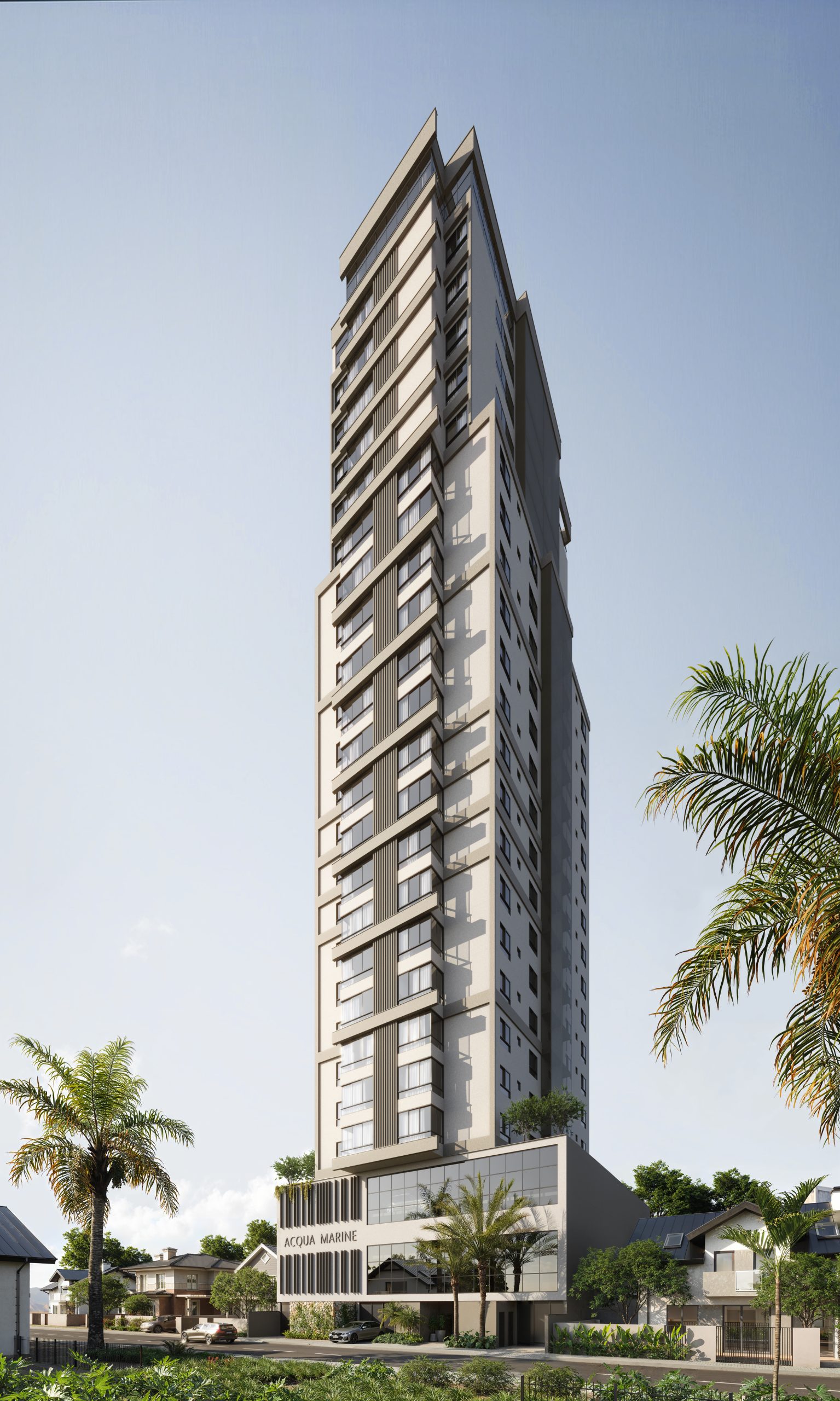
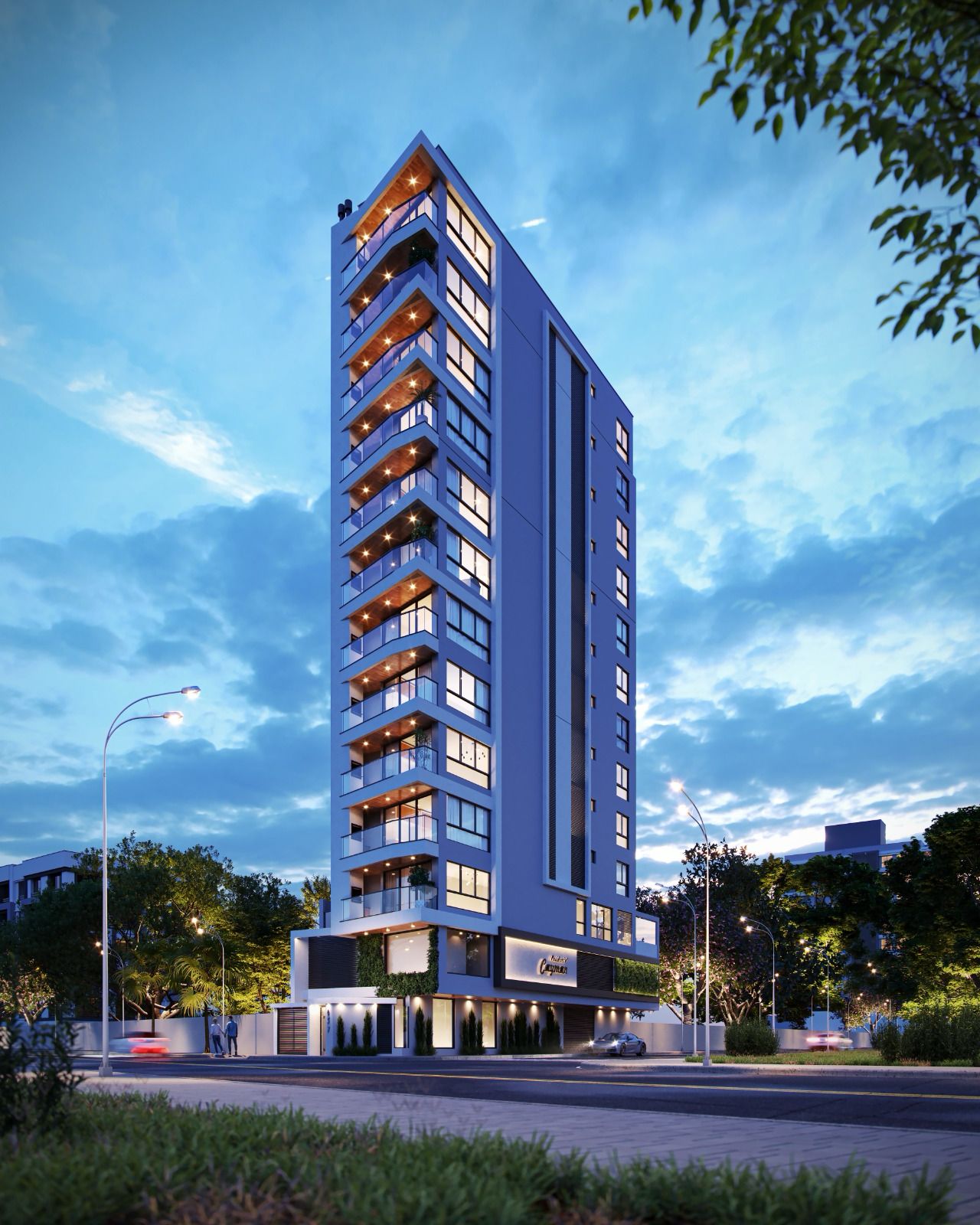
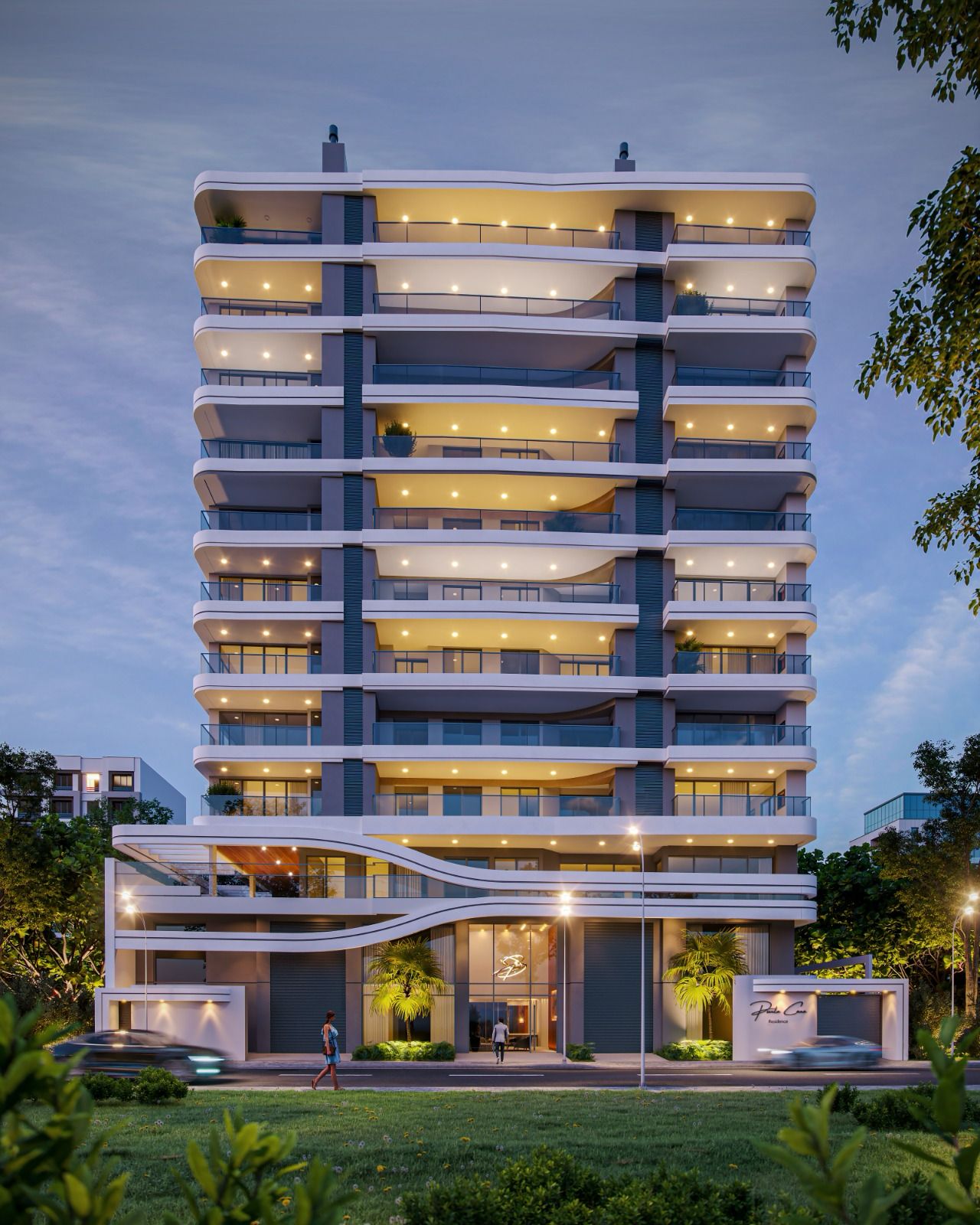
Designing buildings in coastal regions requires a high level of technical rigor. Structural calculations for buildings on the coast. Structural engineering faces severe challenges due to harsh environmental conditions. For example, salt spray aggressively accelerates the degradation of building materials. Furthermore, the constant presence of chlorides in the air compromises the integrity of steel reinforcement. Therefore, structural engineers must consider specific climatic variables to ensure the longevity of the structure. In this sense, WGB Engenharia focuses on solutions that combine safety and durability. To mitigate risks, we conduct detailed analyses of the structure's exposure.
Environmental aggressiveness classes and NBR 6118
Brazilian standard NBR 6118 defines rigorous criteria for concrete structures. In coastal areas, we generally classify the environment as Environmental Aggressiveness Class IV. Consequently, the requirements for steel cover become much greater than in common urban areas. On the other hand, the permeability of the concrete needs to be extremely low to prevent saline infiltration. Therefore, we specify a concrete with a reduced water/cement ratio to increase the density of the element. Above all, the structural calculation must account for this additional protective layer without compromising the self-weight of the building.
Furthermore, the choice of cement type plays a fundamental role in the design. Cements with added slag or pozzolans offer greater resistance to chemical attack. For example, these materials reduce the capillary porosity of hardened concrete. Therefore, the physical barrier against chloride ions becomes much more efficient and safe. However, the designer must calculate the stresses considering these specific mechanical properties. Conversely, neglecting these standards can result in serious pathologies within a few years of use.
Wind action and global stability
Buildings on the coast experience significantly stronger wind gusts than those inland. For this reason, the structural calculations for buildings on the coast Special attention is paid to NBR 6123. Sea winds encounter no significant natural barriers before reaching the facade. Therefore, the dynamic pressure on the structure increases exponentially as the building's height grows. To combat this stress, we used robust bracing systems and rigid concrete cores. Additionally, we performed computer simulations to verify thermal comfort and oscillations at the top.
Subsequently, we analyze global stability using coefficients such as Gamma-Z or the Alpha parameter. These indicators ensure that the structure does not suffer excessive deformation under wind load. Furthermore, the foundations must be designed to withstand the bending moments generated by these lateral forces. For example, in sandy soils typical of beaches, the use of deep piles is usually the most viable solution. However, analysis of the saline water table is mandatory to prevent premature corrosion of the foundations. In this way, we integrate the infrastructure calculation with local geotechnical challenges.
Protection of reinforcement bars and high-performance concreting.
Corrosion protection is undoubtedly the central pillar of coastal engineering. To prevent carbonation, we increase the nominal cover thickness. Furthermore, we can recommend the use of corrosion inhibitors added directly to the concrete mix. Consequently, the lifespan of the project increases considerably, reducing future maintenance costs. However, quality control during construction must be impeccable to validate the calculations. After all, a failure in the concreting process can irreversibly expose the steel to sea air.
Equally important is specifying the appropriate fck (characteristic compressive strength of concrete). Generally, coastal projects require fck greater than 30 or 40 MPa to guarantee the necessary watertightness. Therefore, the structural engineer adjusts the sections of the columns and beams to optimize material consumption. For example, more slender sections are possible with high-strength concrete, provided the calculation is precise. Thus, materials technology goes hand in hand with mathematical formulas in structural design. In this way, we ensure that the architectural aesthetics are not compromised by technical requirements.
Preventive maintenance and structural monitoring
A well-planned project must also provide for ease of subsequent inspection. On the coast, maintenance is not an option, but an absolute strategic necessity. For this reason, we provide clear guidelines in the building's maintenance plan. For example, periodic washing of the facades helps remove accumulated salts from the surface. In addition, monitoring cracks allows for quick interventions before corrosion spreads. However, the foundation of a durable structure always begins in the specialized engineering office.
In short, structural calculations for coastal buildings require a holistic and multidisciplinary approach. It's not just about supporting vertical loads, but about overcoming the test of time and the harsh environment. Consequently, investing in a qualified engineering project is the best insurance for any real estate investor. After all, the safety of residents and the appreciation of property value depend directly on the solidity of the constructed structure. Finally, technical expertise makes all the difference in preventing complex structural pathologies.
If you want to ensure maximum safety and durability for your construction in coastal areas, rely on specialists who understand the current technical standards. WGB Arquitetura e Engenharia has the necessary knowledge to develop robust and optimized projects for cities like Balneário Piçarras and the surrounding region. To speak with our team of specialists and ensure the success of your project, access here.