

















Technology has transformed various sectors in recent years, and civil engineering is no exception. Technological advancements are changing the way civil engineers work, allowing for greater efficiency and precision in their tasks. In this article, we will explore some of the ways in which technology is transforming the work of civil engineers.
Building Information Modeling (BIM)
Building Information Modeling (BIM) is a technology that is transforming the way civil engineers design and construct buildings. BIM allows engineers to create a detailed virtual model of a building, including all the information necessary for construction, such as dimensions, materials, and equipment. This allows civil engineers to visualize the project in 3D and identify potential problems even before construction begins, saving time and money.
Drones
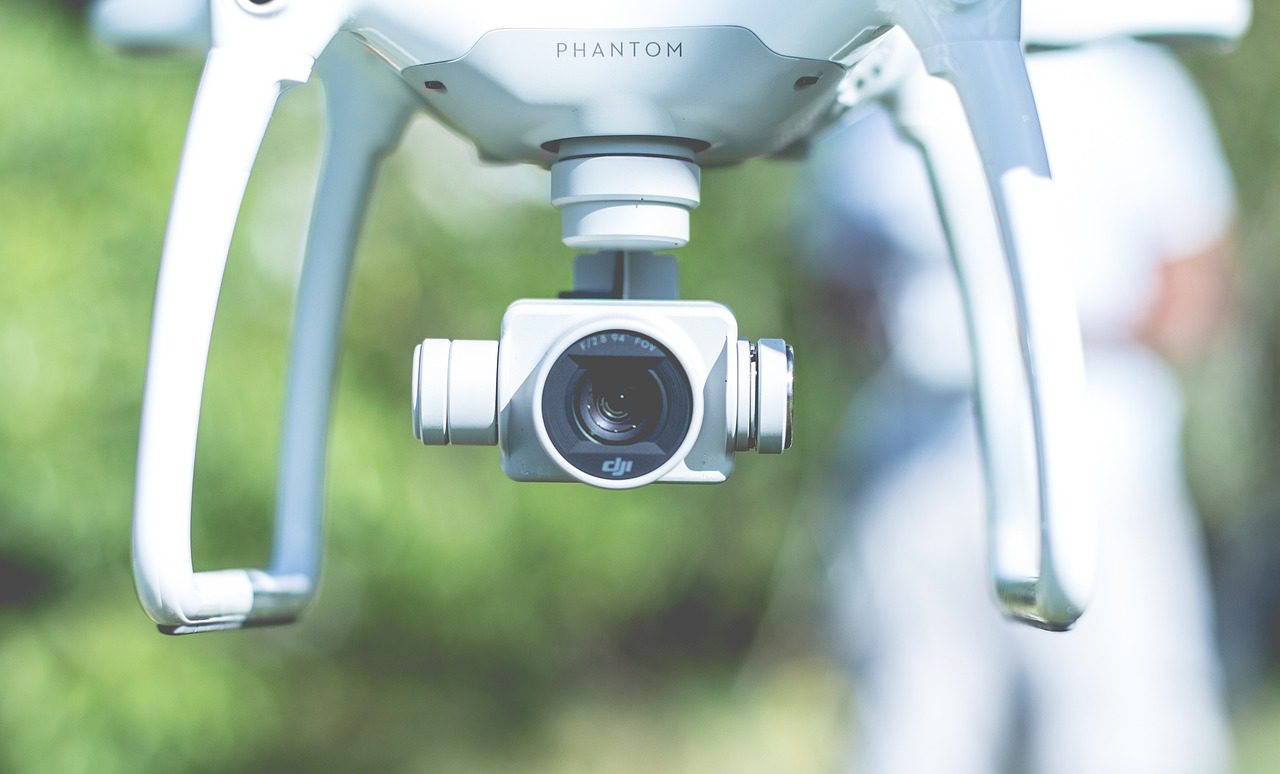
Drones are becoming increasingly popular in civil engineering. They can be used to collect data in hard-to-reach or dangerous areas, such as construction sites or locations affected by natural disasters. Civil engineers can use drones to inspect bridges, viaducts, and other structures, detecting safety problems before they become serious.
Virtual and augmented reality
Virtual and augmented reality is also transforming... engineering Civil engineers can use virtual reality to visualize a project in 3D and explore different construction scenarios. Augmented reality allows engineers to view additional project information, such as piping or wiring, directly on a construction site.
3D printers
3D printers are becoming increasingly common in civil engineering. Civil engineers can use 3D printers to produce scale models of a project, test different materials, and create prototypes before construction begins. This can help reduce construction time and cost.
Project management software
Project management software is becoming essential for civil engineering. Civil engineers can use this software to manage the schedule, budget, and work teams on a construction project. This helps ensure that the project is completed on time and within budget.
One of the great challenges of modern civil engineering has been finding ways to control CO2 emissions.
One option is to use materials with a high recycled content in all stages of construction, such as steel, concrete, and plastic. This way, it's possible to reduce greenhouse gas emissions and minimize the environmental impact caused by the extraction of natural resources.
Another alternative is the use of green cement, which is produced from less polluting materials and has lower CO2 emissions. Furthermore, reduced fuel consumption can be achieved by choosing suppliers closer to the construction site, using renewable energy sources such as solar panels, and adopting energy efficiency measures in equipment and machinery.
It is important to highlight that these strategies should be implemented at all stages of the project, from planning to execution, to ensure the effectiveness of the measures and the preservation of the environment.
Frequently Asked Questions:
How is technology affecting the construction industry?
Technology is enabling civil engineers to work more efficiently and accurately, reducing costs and time in the construction of buildings and other structures. Furthermore, technology is allowing civil engineers to perform tasks that would be dangerous or impossible without the aid of advanced equipment, such as drones.
Are technological advances replacing civil engineers?
A: No, technological advances are not replacing civil engineers. On the contrary, technology is enabling civil engineers to work more efficiently and accurately, performing tasks that would be impossible without the aid of advanced equipment. Civil engineers are still fundamental in the design and construction of buildings and other structures, and technology is allowing them to perform their work more efficiently and accurately.