

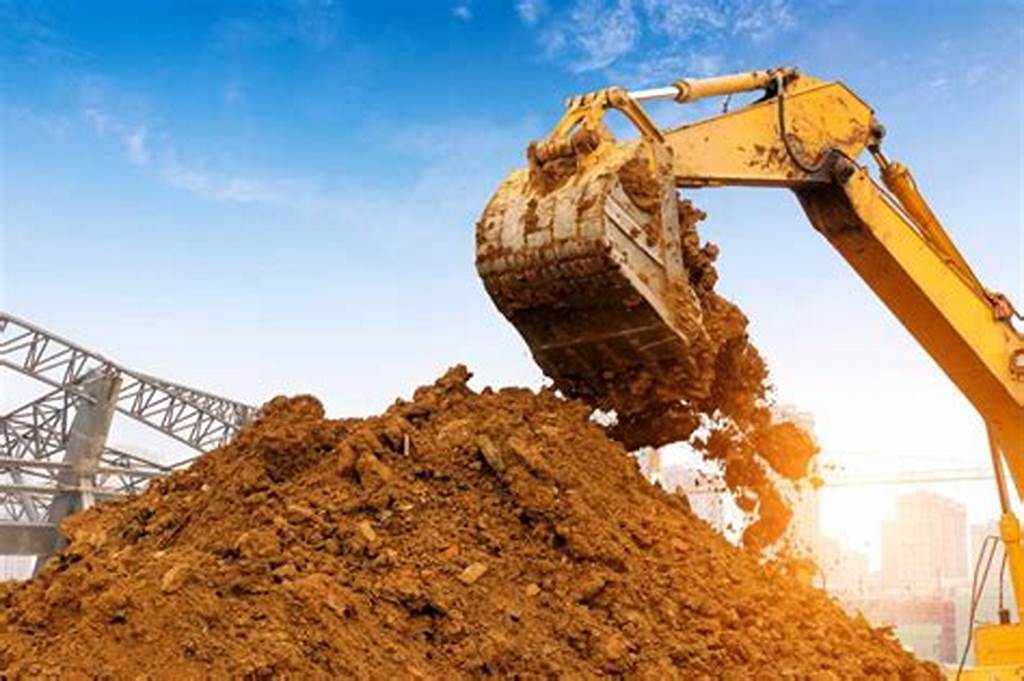
















In civil construction, earthmoving plays a crucial role in preparing the land before construction. This technique is essential to ensure that the ground is level and ready to receive the construction, avoiding unevenness problems that could compromise the structure. Using equipment such as backhoes, compactors, and tractors, earthmoving is the fundamental basis for any civil engineering project, being the first stage carried out on a construction site. It is also a fundamental stage in civil construction, especially in projects involving the preparation of land for the construction of buildings, roads, airports, dams, and other developments. Here is an overview of how the earthmoving process works:
Topographic Study: Before starting the earthmoving work, it is essential to carry out a topographic survey of the land to understand its geometry, soil characteristics, and drainage.
Planning: Based on the topographic survey, a land leveling plan is developed that defines the operations necessary to achieve the desired terrain profile. This may include soil removal or addition, the creation of access ramps, the implementation of drainage systems, among other aspects.
Land Preparation: Before starting excavation and backfilling operations, it is common practice to clear the site of vegetation, loose rocks, and other obstacles that could interfere with the process.
Excavation: If the land needs to be leveled or shaped according to the project, excavation operations are carried out to remove excess soil in elevated areas and fill depressions.
Grounding: After excavation, the soil is redistributed and compacted as needed to achieve the desired profile. Equipment such as tractors, graders, and compactors are used for this purpose.
Quality control: Throughout the earthmoving process, tests are carried out to verify the quality of the soil, ensuring that it meets the compaction and strength requirements specified in the project.
Drainage: In many cases, it is necessary to install drainage systems to prevent water from accumulating on the ground, which can compromise the stability of structures built later.
Finish: After the earthmoving operations are completed, the land is leveled and finished according to the project specifications, preparing it for the next stage of construction.
In summary, earthmoving in civil construction involves a series of carefully planned and executed operations to prepare the land for the construction of various infrastructures. It is a crucial process that directly influences the safety, stability, and durability of the structures built.