










Construction planning is one of the most important stages in civil construction. It ensures that the project is executed on time, within budget, and with quality. In this context, the BIM (Building Information Modeling) It emerges as an essential tool because integrates all the information about the project into a single digital model..
With BIM, it is possible to plan, visualize, and manage the entire project lifecycle., From conception to maintenance, this methodology is transforming the way architects, engineers, and builders work.
What is BIM?
O BIM It's not just software, but rather a process that brings together technologies and methodologies for construction management.
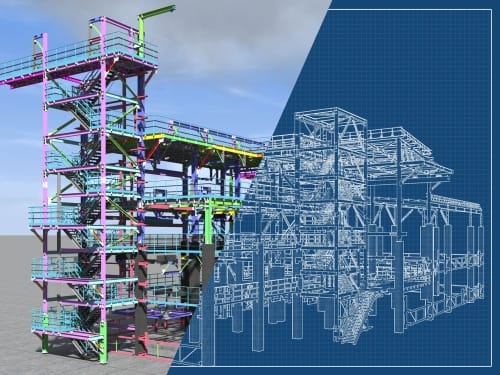
He creates a smart 3D digital model which contains all the project information: structure, facilities, materials, schedules and costs.
Unlike traditional 2D drawings, BIM It allows for the integrated simulation of the work.. Like this, Each discipline views and updates the information in real time., avoiding errors and inconsistencies.
In other words, BIM It centralizes data and increases planning efficiency..
Integrated and Collaborative Planning
One of the biggest advantages of BIM is that team integration.
Architects, engineers and managers They work simultaneously on the same model., This improves communication and reduces errors.
Furthermore, BIM It allows you to simulate all phases of construction., From design to execution. In this way, Planning becomes more precise., and Unexpected events are minimized..
For example, when the engineer adjusts a beam in the model, The system automatically updates the rest of the structure., ensuring consistency between the elements. This automation saves time and avoids rework..
Timeline and Schedule Control (BIM 4D)
O BIM 4D adds the factor time to the 3D model.
With this, it is possible link each stage of the work to a realistic schedule., visualizing the physical progress of the project in virtual time.
This function improves deadline control e It facilitates the impact analysis of potential changes..
For example, if a foundation is delayed, the BIM It automatically recalculates the effect on the rest of the schedule..
Consequently, The project manager gains more predictability and can adjust the plan before actual delays occur..
Cost and Resource Control (BIM 5D)
O BIM 5D introduces control of costs and budgets.
With him, Each element of the project is associated with its specific cost, volume, and material..
Thus, the system It generates automatic and up-to-date quotes in real time..
Furthermore, any alteration to the model, such as changing the type of slab or cladding, instantly updates the total cost of the project..
This level of detail avoids financial surprises e improves decision-making during the planning phase.
Therefore, BIM It reduces waste and increases the efficiency of resource use., both human and material.
Conflict Identification and Resolution
Another great benefit of BIM is... Automatic detection of conflicts between subjects..
The system identifies incompatibilities between structural, electrical and hydraulic systems before the start of construction.
For example, BIM can to warn that a pipe passes through a beam, allowing for corrections even in the design phase.
That It avoids costly rework and schedule delays., ensuring a cleaner and more organized work site.
Therefore, The compatibility between architecture and engineering becomes faster and more efficient., reducing costs and increasing the final quality.
Visualization and Communication with the Customer
BIM also improves communication with the customer..
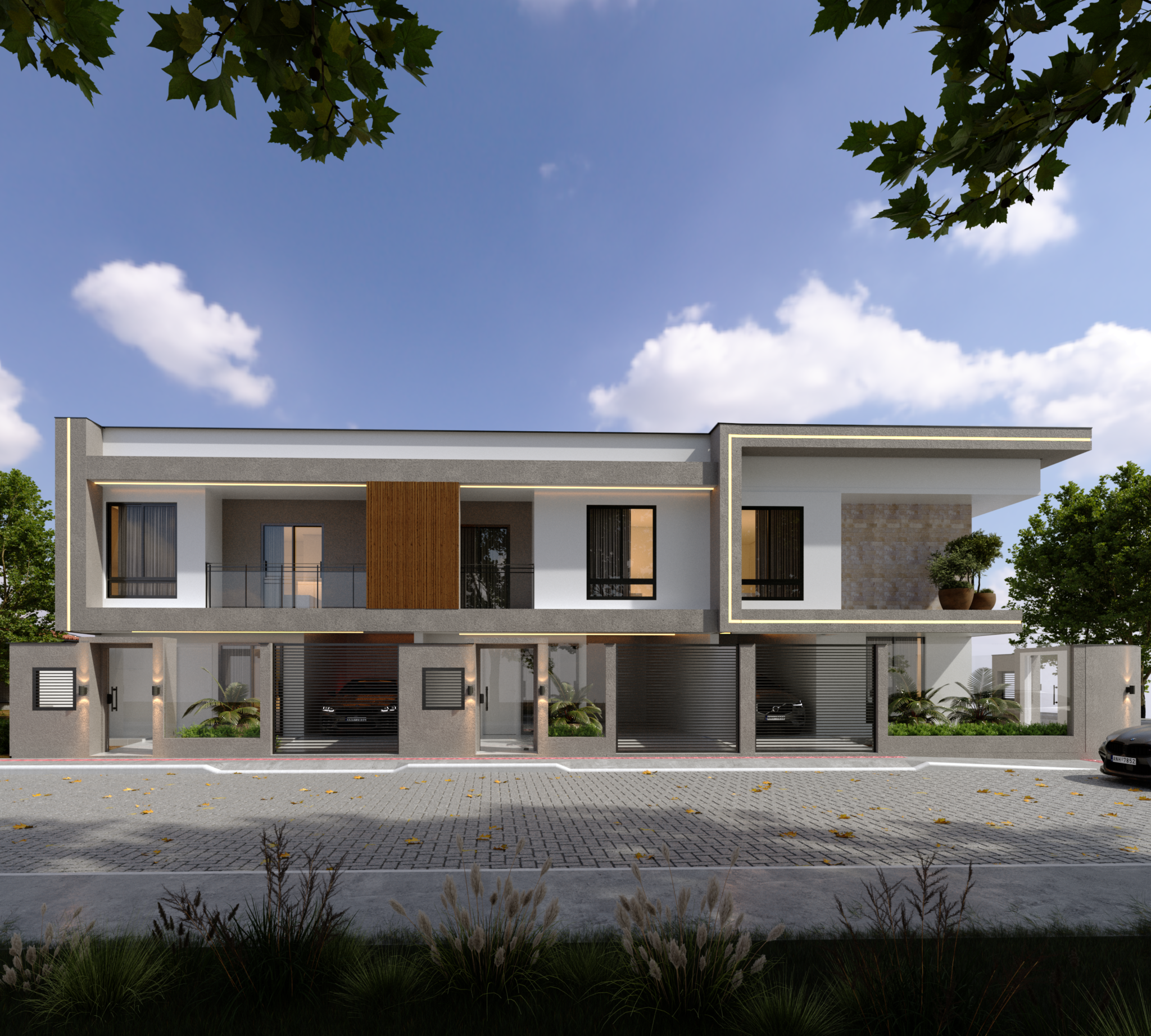
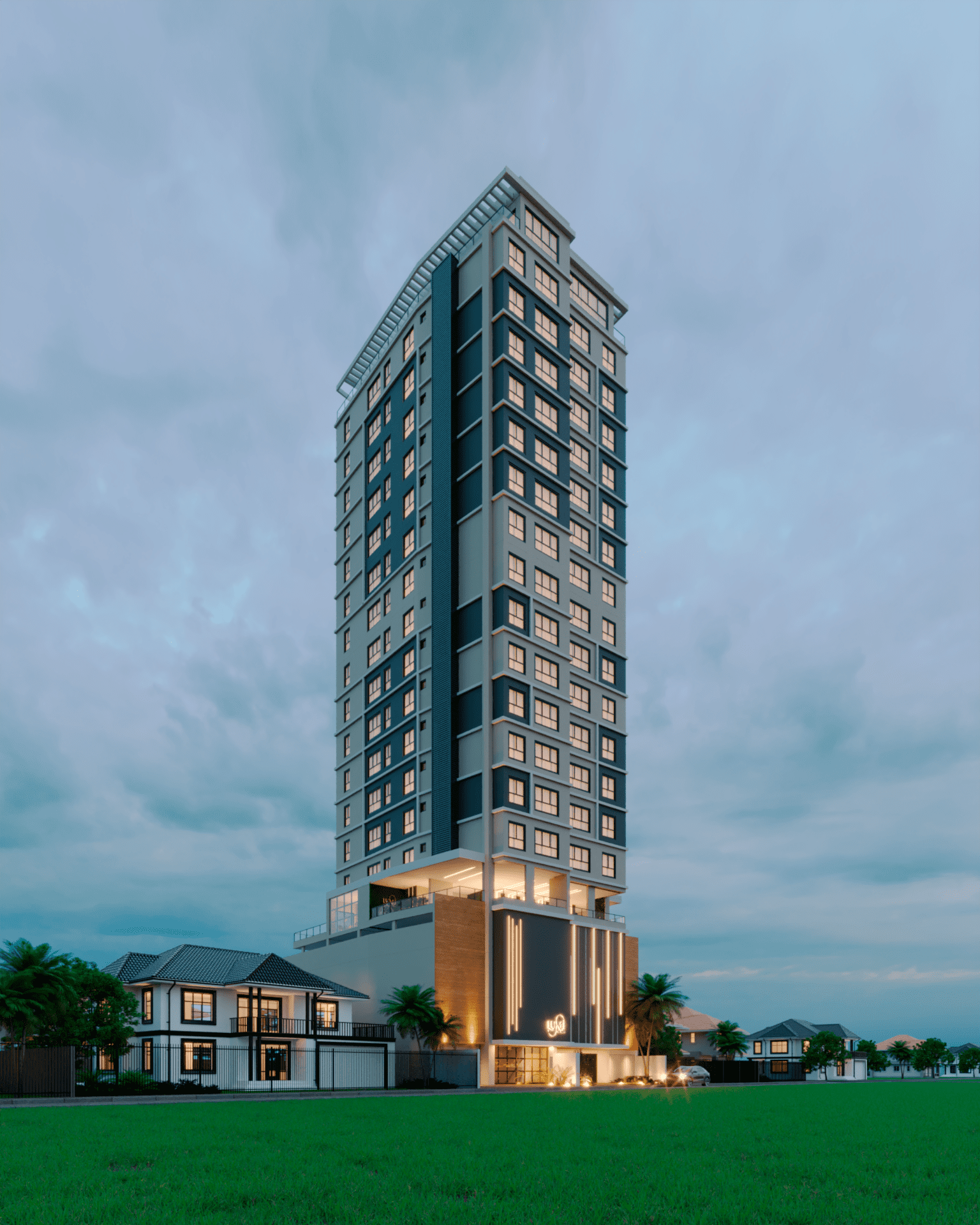
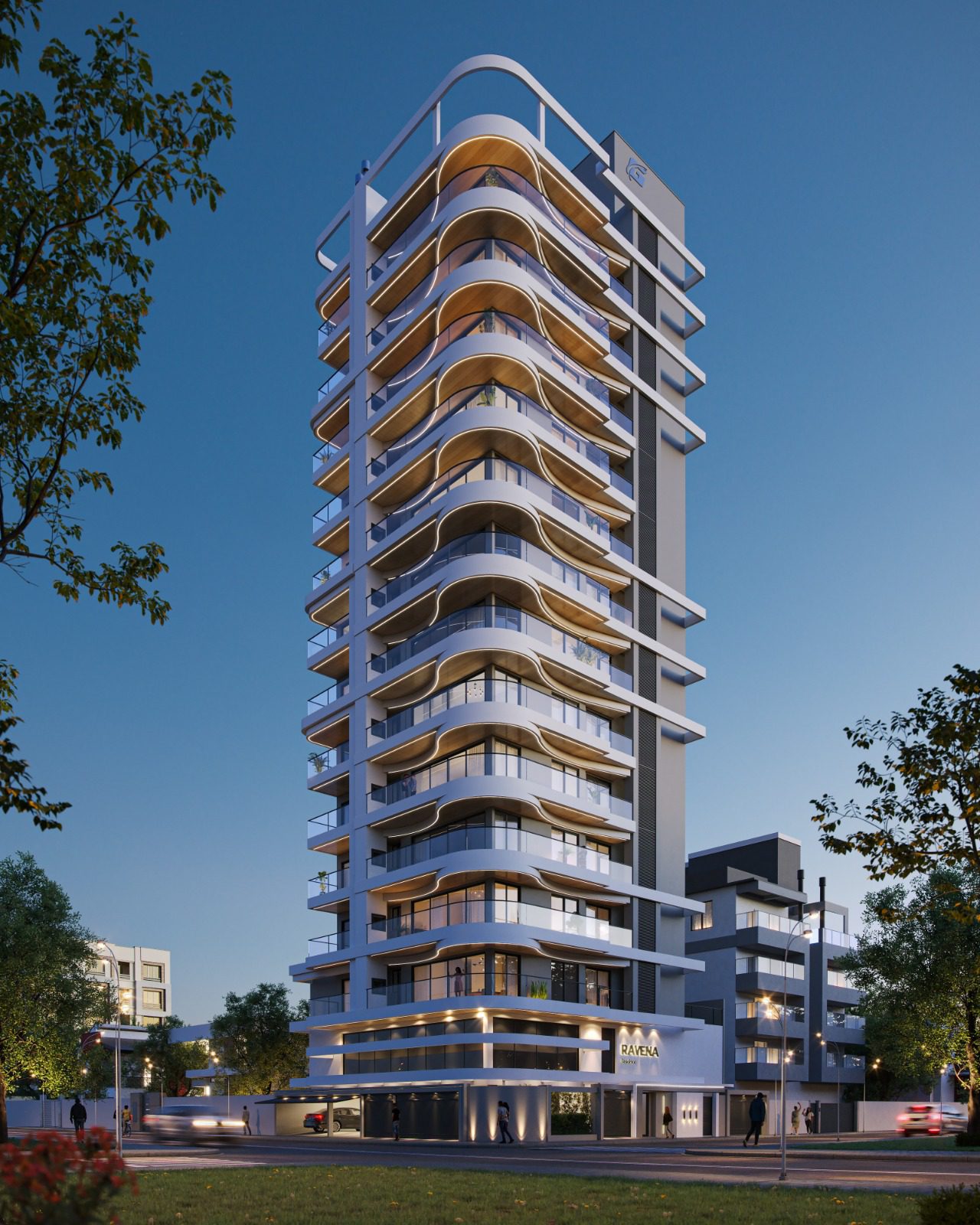
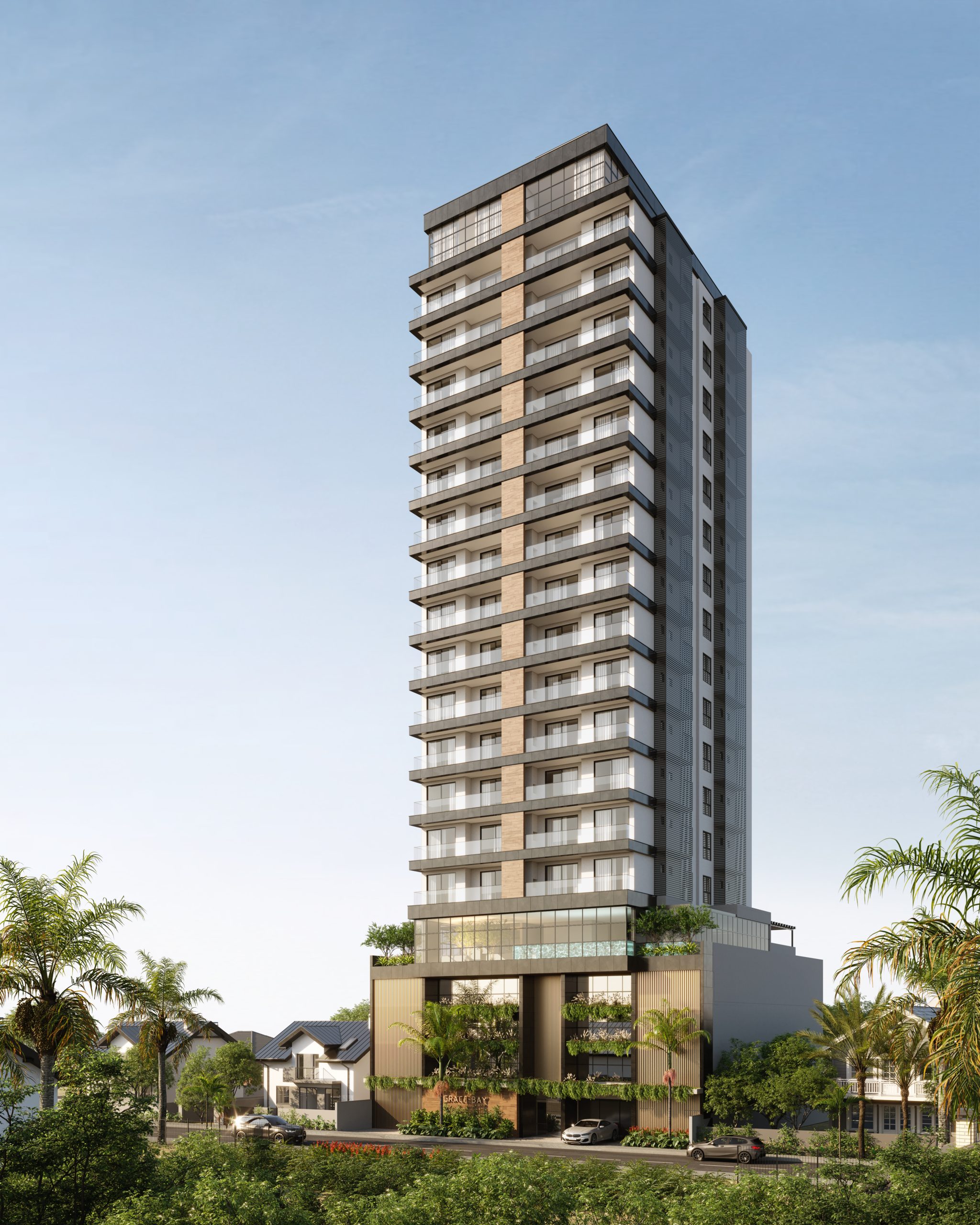
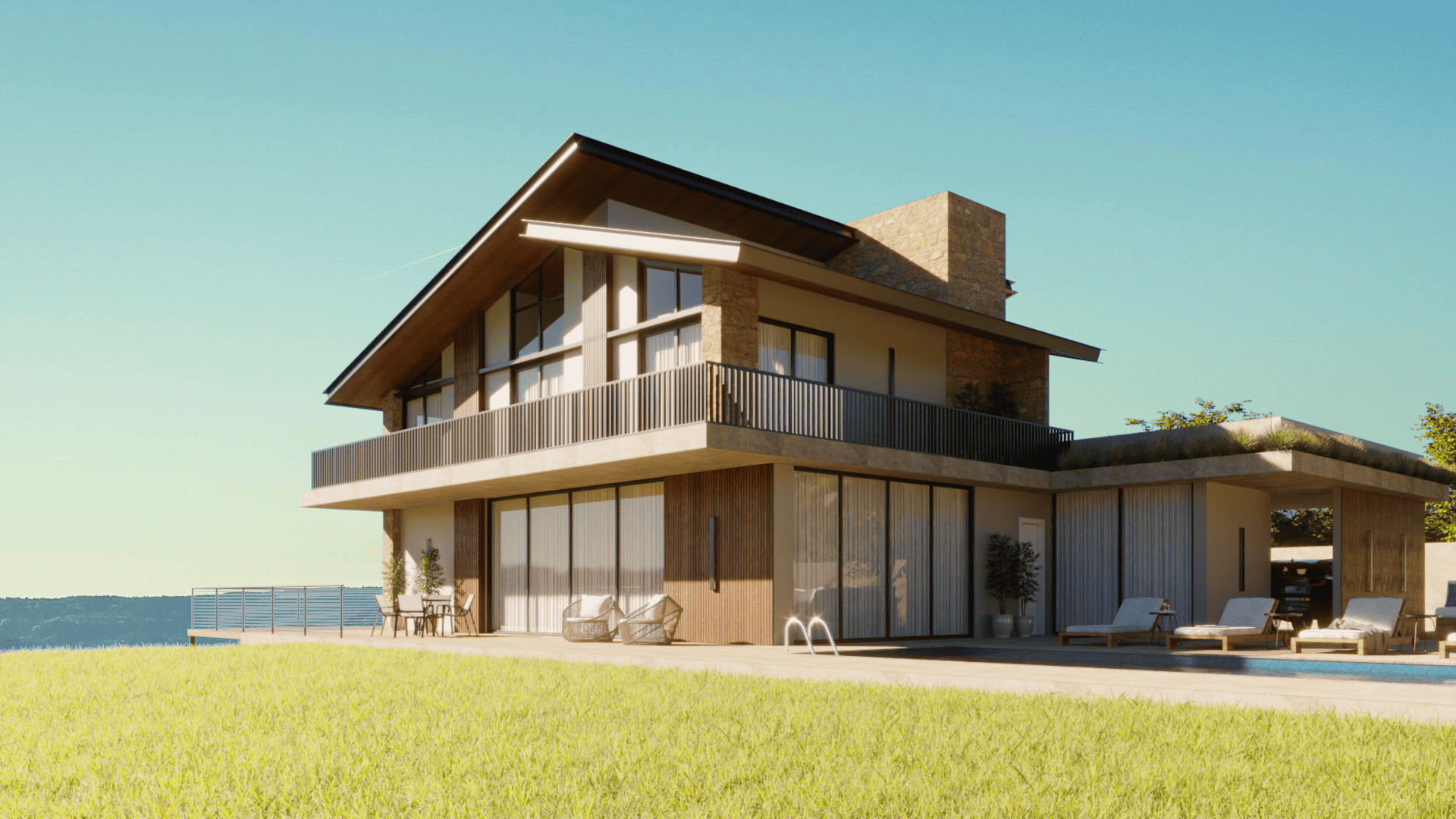
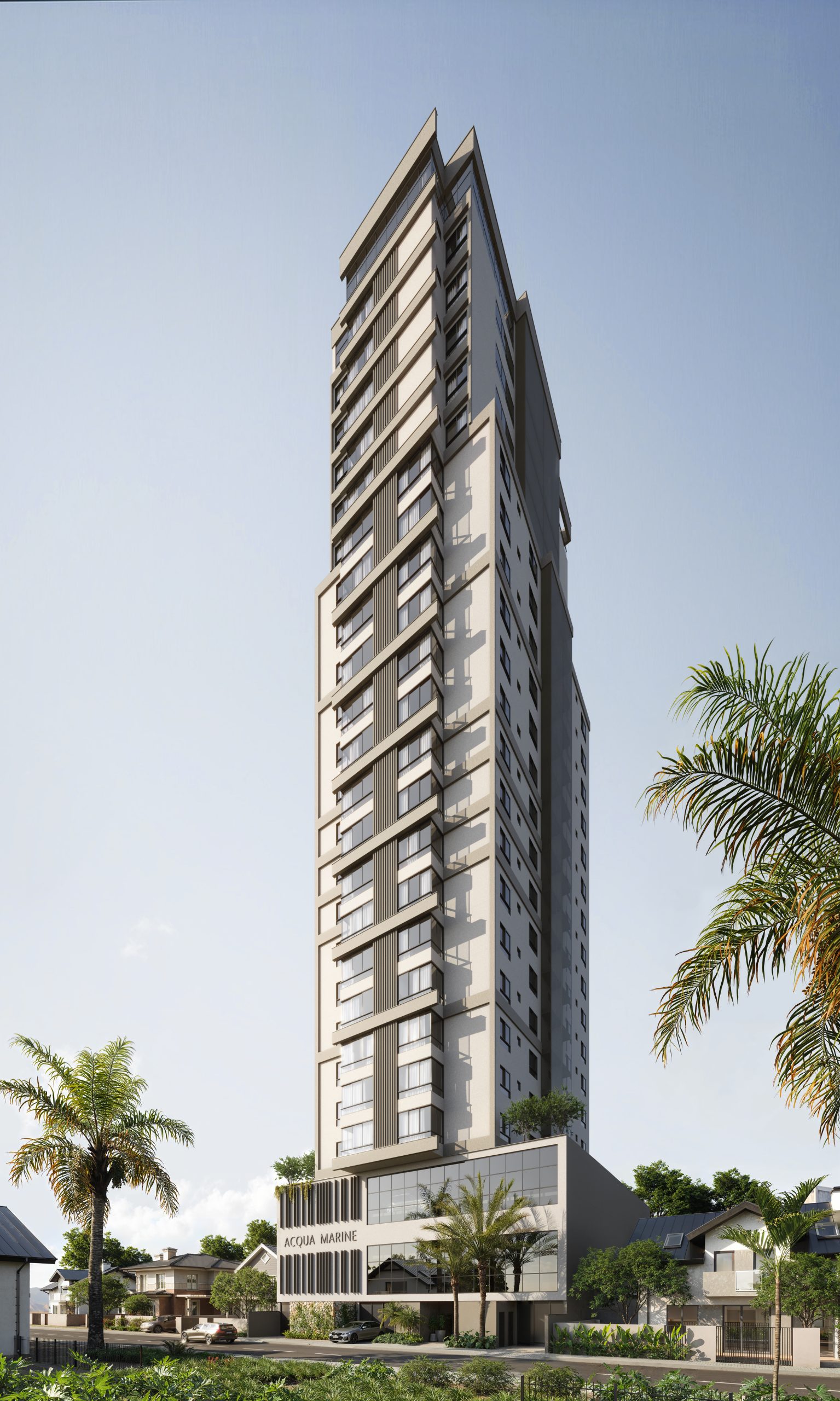
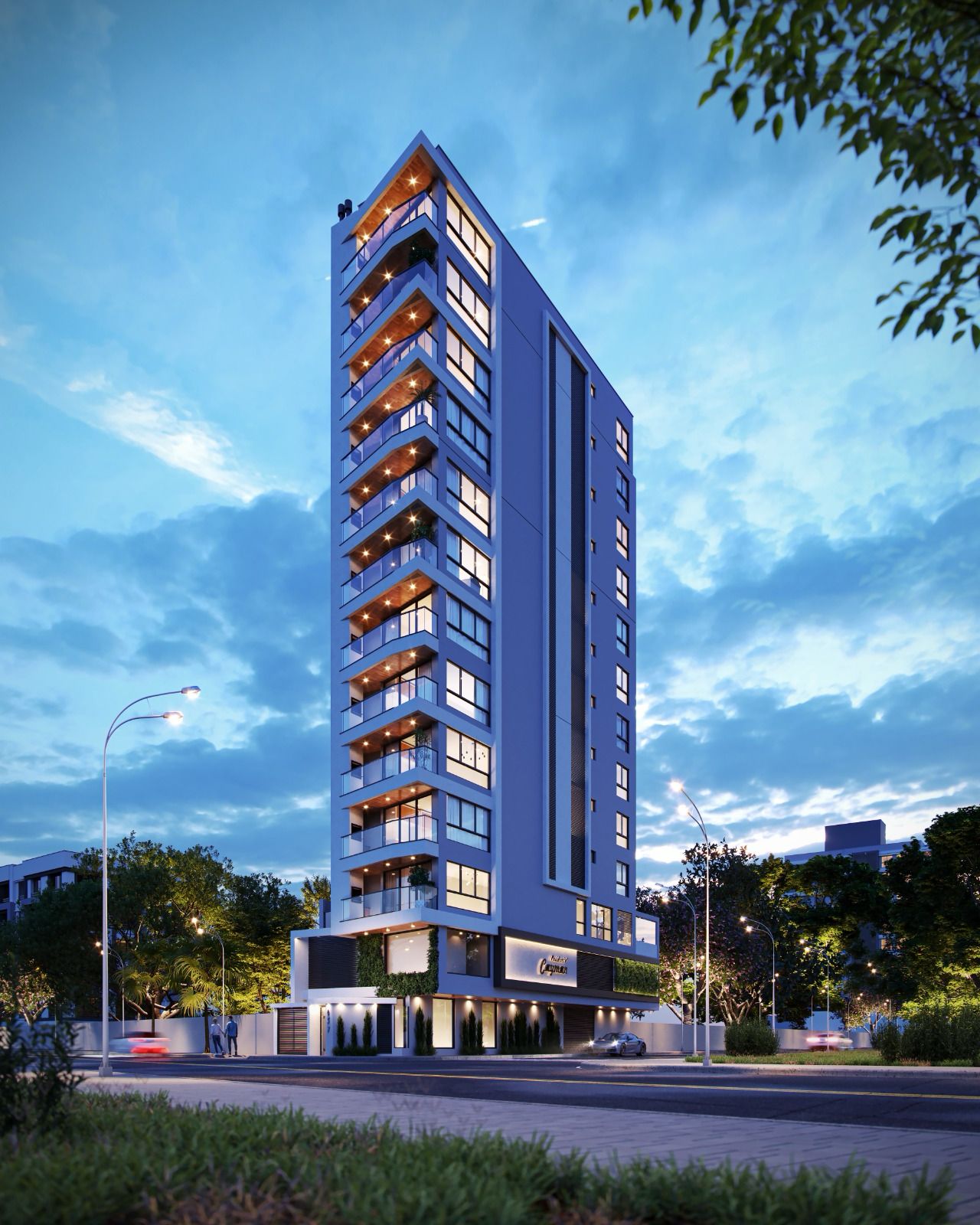
Through realistic 3D models, it is possible Visualize what the project will look like even before construction begins..
This clarity It facilitates the understanding and approval of the project., in addition to avoid unexpected changes during construction.
That way, the customer participates more actively in decisions, what It increases satisfaction and confidence in the technical team..
Project Lifecycle Management
BIM doesn't end when the project is delivered.
Model information They remain useful in the operation and maintenance phase..
With BIM, the manager has access to data on installed materials, systems and equipment, what facilitates future renovations and inspections.
Thus, the model It becomes a complete building database., following the entire life cycle of the construction.
This represents a significant gain in durability, sustainability and long-term savings..
Conclusion
O BIM revolutionized construction planning. by integrating information, teams, and processes into a single platform.
With him, It is possible to plan precisely, control costs, and anticipate problems before execution..
Furthermore, The methodology offers greater transparency, cost savings, and sustainability., strengthening trust between professionals and clients.
In practice, BIM it not only supports planning, but transforms the entire way of building.
That's why, Companies that adopt this technology, such as WGB Engenharia, are at the forefront of innovation in civil construction..