

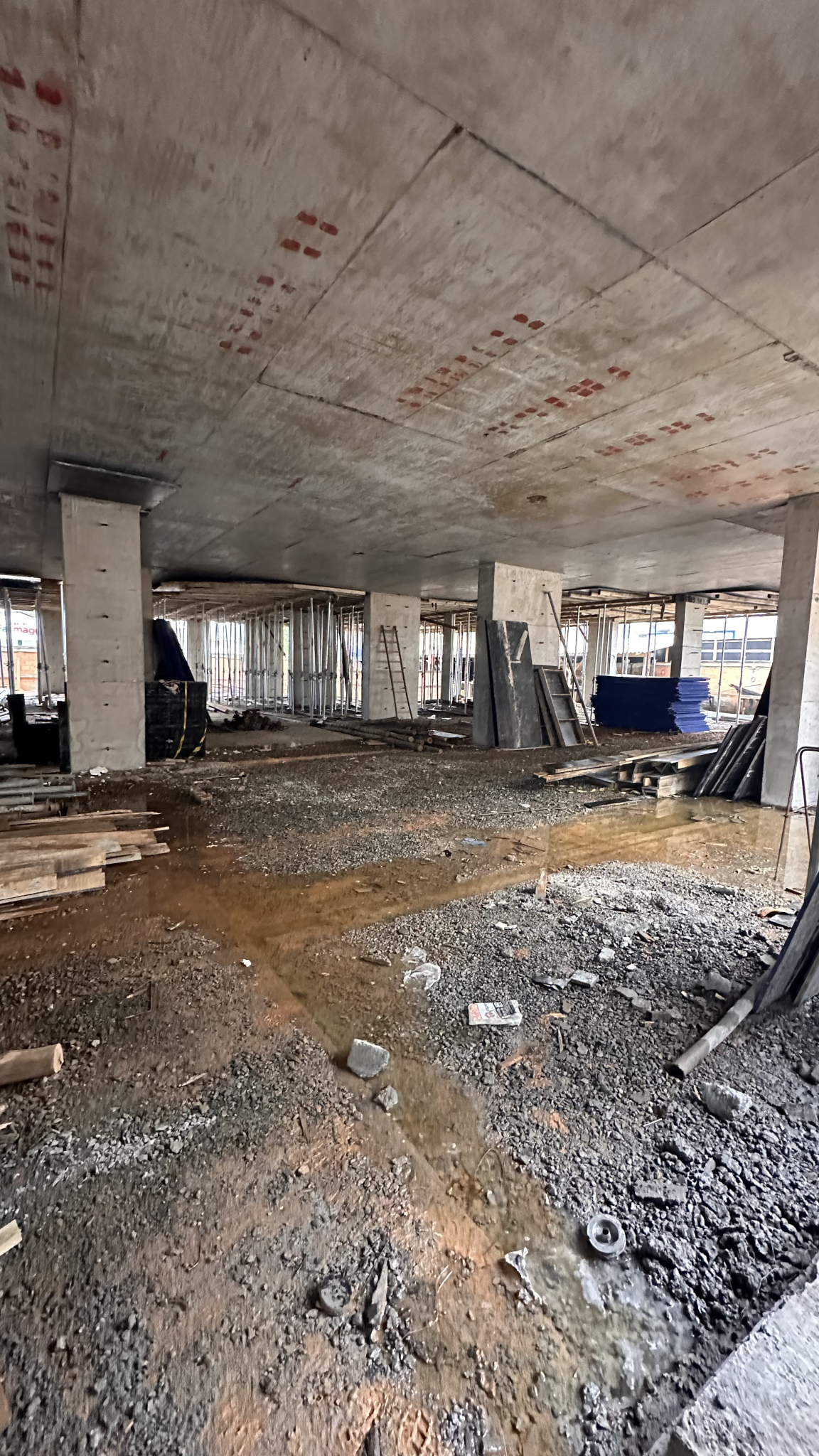
















The challenge of excessive deformation
Excessive deformation compromises the integrity and functionality of structures. Therefore, Engineers need to identify the causes early. Furthermore, deflection control requires rigorous calculations in modern designs. In this way, we guarantee the safety and comfort of the users.
Computational analysis and modeling
We use advanced software to simulate the behavior of slabs and beams. For example, Finite element modeling allows for highly accurate prediction of displacements. However, accuracy depends on correct parameters. Therefore, we meticulously validate each input data point. Furthermore, we adjust the equivalent stiffness to reflect the real-world behavior of reinforced concrete.
Factors that impact performance
Often, deformation occurs due to creep and shrinkage of the material. Consequently, We consider these phenomena in Serviceability Limit State (SLS) verifications. On the other hand, cracking reduces the effective inertia of the section. Therefore, the calculation becomes non-linear. Furthermore, the distribution of variable loads requires constant attention during the analysis. Indeed, in complex projects in the region near Museum of Tomorrow, In Rio de Janeiro, rigorous control of deformations is vital due to the nature of the soil and the scale of the construction projects.
Acceptability criteria
Technical standards define strict limits for deflection control. Therefore, We strictly follow the parameters of ABNT NBR 6118. For example, the L/250 limit is common to ensure the durability of seals. However, specific situations demand even more restrictive criteria. Furthermore, the engineer must evaluate the aesthetic and psychological impact on occupants. Therefore, computational analysis does not replace specialized technical judgment.
Reinforcement methodologies
When deformation exceeds the limits, structural reinforcement becomes necessary. For example, The application of carbon fibers offers high strength and low self-weight. On the other hand, concrete jacketing effectively increases the inertia of the section. Furthermore, external prestressing can be an efficient solution in critical cases. Therefore, we evaluated the cost-benefit of each technical intervention method.
Conclusion
Managing excessive deformation requires in-depth knowledge and cutting-edge computational tools. That way, We ensure the longevity and performance of any building. Furthermore, prevention minimizes corrective maintenance costs. Therefore, rely on the expertise of WGB Arquitetura e Engenharia to perform a highly precise structural analysis. If you need to optimize your projects or solve structural pathologies, access here To speak with one of our specialists, discover how precision engineering can transform your project.