

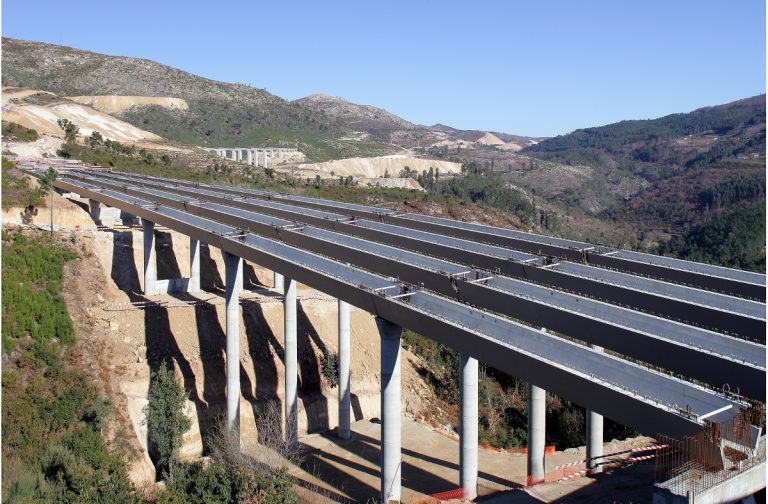










Building bridges in hard-to-reach locations represents one of the greatest challenges in modern civil engineering. These projects require not only technical innovation but also constant adaptation to adverse environmental conditions. Let's explore the main challenges faced by engineers and the creative solutions employed to overcome them.
1. Extreme Environmental Conditions
In remote locations, environmental conditions can vary drastically. Whether in mountainous regions, isolated islands, or flooded areas, engineers need to adapt their construction techniques and methods. For example, in areas with extreme climates, temperatures can affect both materials and construction techniques. To mitigate these effects, engineers often use specific materials that withstand extreme temperature variations and techniques that ensure the durability and strength of the bridge.
2. Logistics and Transportation of Materials
Transporting materials to hard-to-reach locations is a significant challenge. Often, the only way to access them is via narrow roads or even by air. This demands meticulous planning to ensure that the necessary materials reach the site without compromising the integrity of the project. Solutions such as using helicopters to transport heavy loads or building temporary roads are frequently employed to overcome these difficulties.
3. Construction on Unstable Ground
Unstable terrain, such as swampy areas or rocky regions, requires detailed geotechnical analysis. Engineers need to ensure that the bridge foundation is robust enough to support the weight of the structure. In many cases, soil stabilization techniques, such as cement injection or the use of deep piles, are employed to ensure the safety and stability of the construction.
4. Weather and Logistical Conditions
Adverse weather conditions can significantly delay construction progress. Heavy rain, strong winds, and other extreme conditions can make operations dangerous and ineffective. Therefore, engineers must create contingency plans and flexible schedules to deal with these unpredictable conditions. Furthermore, the use of advanced technology, such as real-time weather monitoring systems, can help anticipate and mitigate the impacts of climate change.
5. Innovative Technologies and Alternative Methods
To meet these challenges, engineers are constantly developing and implementing new technologies and methods. The use of drones for aerial inspections, 3D printers for building complex components, and modular construction techniques are examples of innovations that have helped overcome the limitations imposed by hard-to-reach locations. These technologies not only improve efficiency but also increase safety during construction.
Conclusion
Building bridges in hard-to-reach locations requires a combination of technical expertise, meticulous planning, and constant innovation. Each challenge faced by engineers represents an opportunity to develop new solutions and improve existing techniques. By overcoming these obstacles, engineering teams not only build physical structures but also connect communities and promote regional development, demonstrating the power of engineering to transform and adapt to diverse environments.