

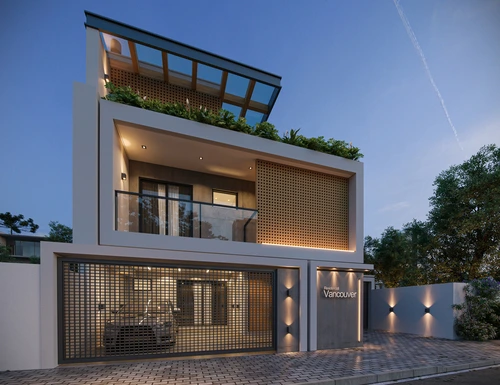
Why does building on the coast require more attention?
Building on the coast, such as in Balneário Piçarras, SC, requires specific precautions. Furthermore, The environmental conditions are more harsh. That's why, Technical planning needs to be more rigorous from the start.
That way, This makes it possible to avoid future problems and ensure greater durability of the work.
The impact of sea air on buildings
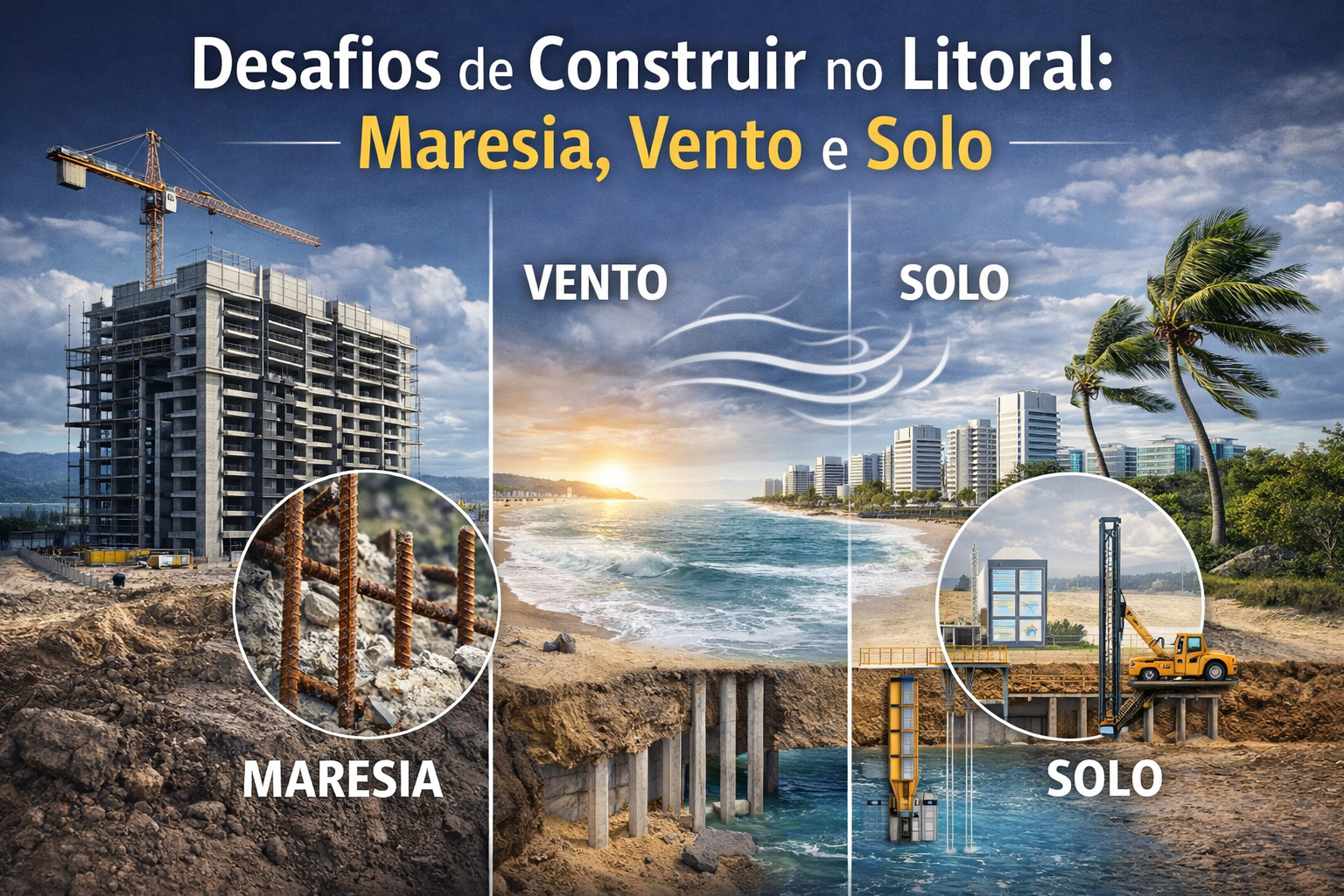
The sea air is one of the main challenges. Basically, It accelerates the corrosion of metals and compromises structures over time. That's why, The choice of materials is fundamental.
Furthermore, It is important to use:
- Concrete with greater resistance
- Proper reinforcement cover
- High-durability window and door frames and hardware
Like this, The lifespan of the building increases significantly.
The action of winds on the coast
Another relevant factor is the strong winds. In coastal regions, The wind pressure on the structure is greater. That's why, Therefore, the structural design must take these loads into account from the outset.
Furthermore, The positioning of the building and its openings directly influences interior comfort. That way, It is possible to improve natural ventilation and reduce stress on the structure.
Soil conditions and foundations
The soil on the coast, In many cases, it exhibits low load-bearing capacity and a high presence of water. Therefore, Therefore, it is essential to carry out geotechnical surveys and studies.
Therefore, It is possible to define the most suitable foundation, avoiding settlement and structural problems. Furthermore, Solutions such as deep piles are common in this type of terrain.
The importance of integrated design.
In that regard, Architecture and engineering must work together. I.e, Aesthetic decisions need to be aligned with technical feasibility.
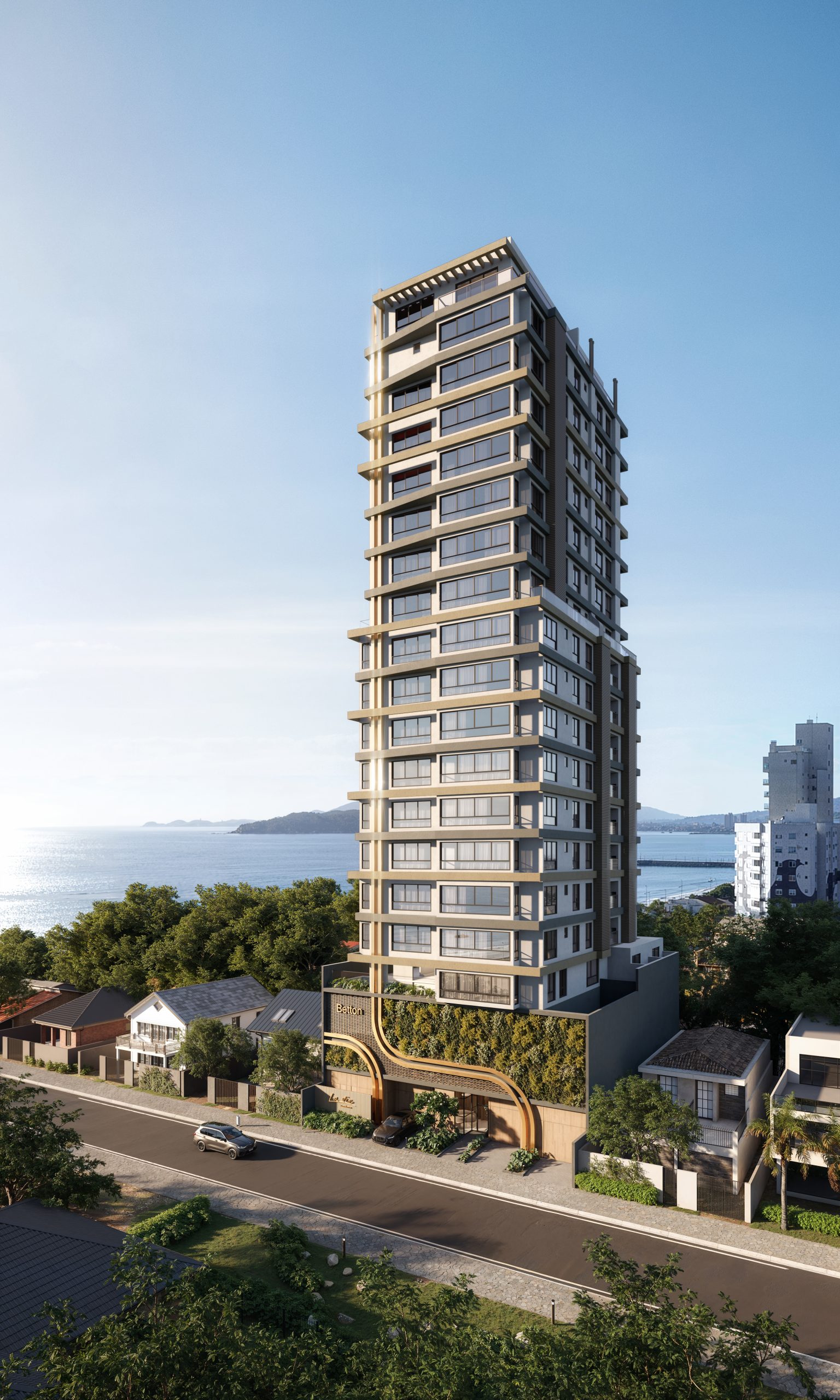
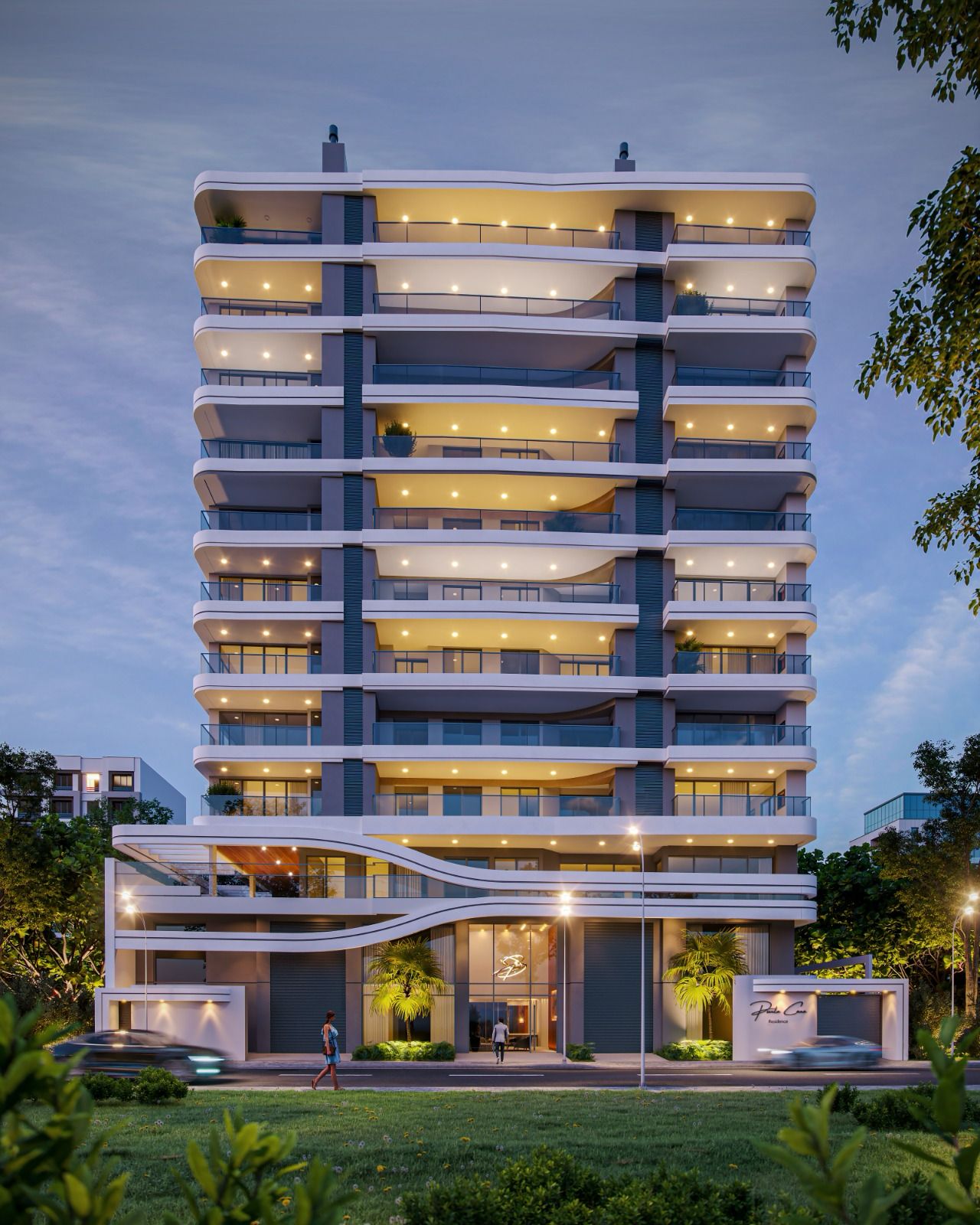
Just as in well-planned coastal projects, where the integration of areas ensures better building performance, technical alignment avoids rework and increases efficiency.
Benefits of good planning
Consequently, Well-planned projects on the coast offer:
- Greater durability
- Lower maintenance costs
- Greater structural safety
- Better property appreciation
Furthermore, They reduce risks during and after execution.
Building on the coast requires technical knowledge and detailed planning. Therefore, Considering sea air, wind, and soil conditions from the design stage is essential to ensure the quality, safety, and increased value of the development.