
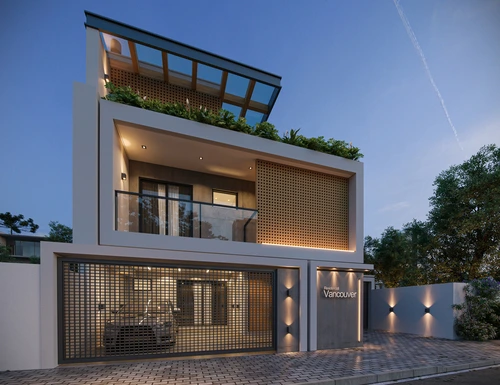
Importance of Interior Space
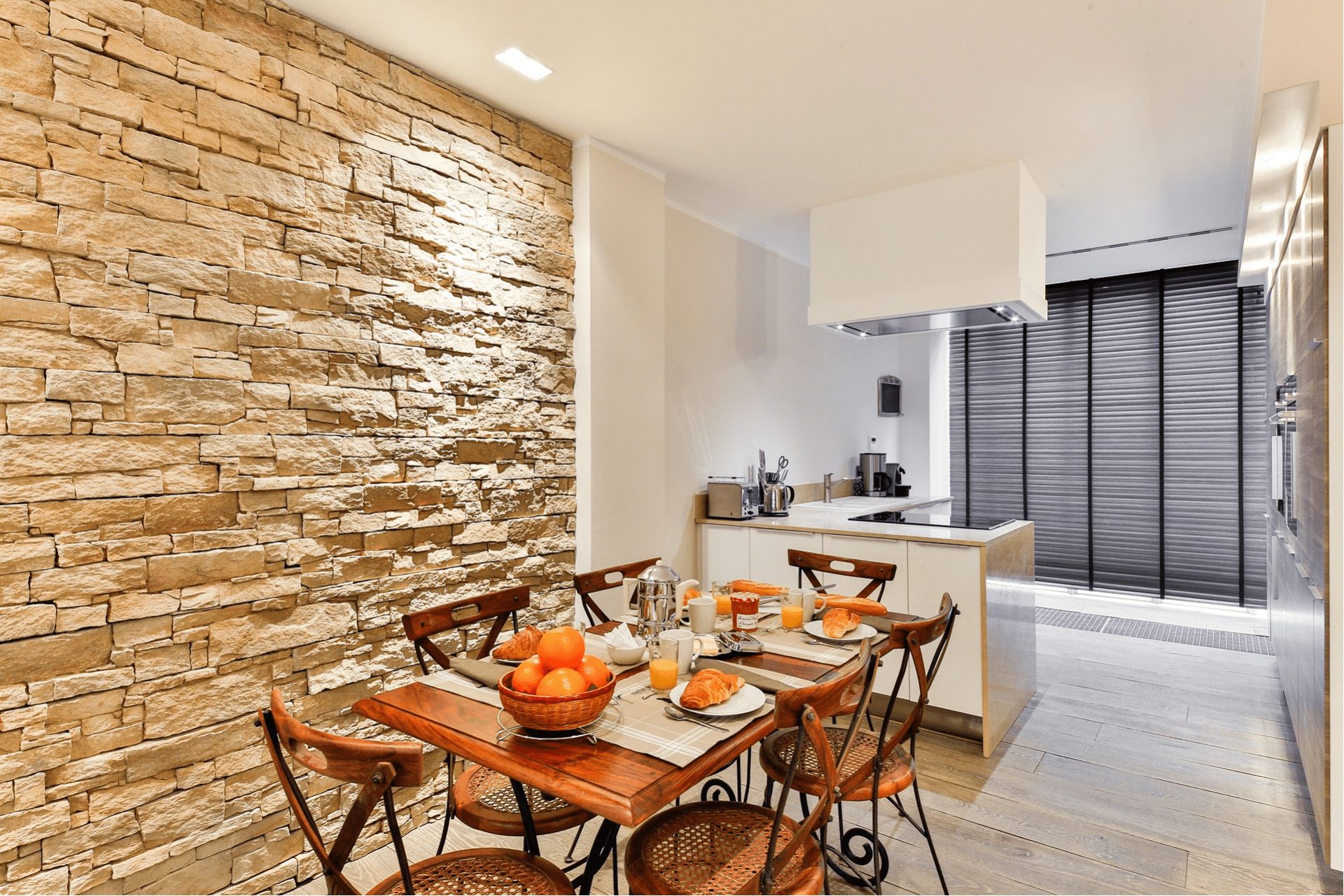
The interior space is the environment where you spend most of your time, whether resting, working, studying, or having fun. Therefore, it should be designed to meet your needs and preferences, providing well-being and quality of life. Interior design is a field dedicated to studying and applying the principles of architectural design to interior spaces, taking into account aspects such as ergonomics, acoustics, thermal comfort, lighting, and color. See how interior design can influence the comfort and functionality of a space:
Interior design can optimize the use of space by creating intelligent solutions for storage, circulation, and organization.
Interior design can harmonize the visual elements of a space, such as furniture, objects, paintings, and rugs, creating a coherent and pleasing visual identity.
Interior design can enhance the architectural style of a house, respecting the historical, cultural, or regional characteristics of the building.
Interior design can express the personality and taste of the residents, creating environments that reflect their hobbies, interests, and values.
Selecting Materials and Finishes
Materials and finishes are fundamental elements in defining the aesthetic and functional aspect of a space. They can vary in texture, color, shine, durability, and cost, among other characteristics. Therefore, it is important to choose materials and finishes that match the architectural style of the house and meet your expectations and needs. Here are some tips for choosing materials and finishes:
– Research the different types of materials and finishes available on the market, such as wood, stone, metal, ceramic, glass, fabric, etc.
– Consider the advantages and disadvantages of each material and finish in terms of durability, maintenance, cleaning, and sustainability.
– Seek inspiration from magazines, websites, blogs, and social media specializing in architectural and interior design.
Consult a qualified professional to guide you in choosing the most suitable materials and finishes for your project.
The Importance of Lighting
Lighting is another essential factor in creating a comfortable and functional environment. It can influence the perception of space, thermal sensation, mood, and people's productivity. Furthermore, lighting can highlight the strengths of architectural and interior design, enhancing the details and colors of the space. See the different types of lighting you can use in your project:
– General lighting: This is the basic lighting for the room, ensuring good visibility and uniformity. It can be achieved with fluorescent or LED lamps recessed in the ceiling or in pendant or floor fixtures.
– Direct lighting: This is lighting focused on a specific point in the room, such as a work table or a work of art. It can be achieved with halogen or LED lamps in spotlights or wall sconces.
– Indirect lighting: This type of lighting creates a more intimate and welcoming atmosphere, using soft shadows and contrasts. It can be achieved with incandescent or LED bulbs in lampshades or LED strips.
Natural Lighting
Natural lighting is lighting that comes from sunlight, which is the most economical, healthy, and sustainable light source available. Natural lighting can bring several benefits to your space, such as:
– To save electricity by reducing the costs of artificial lighting.
– To improve air quality by preventing the accumulation of mold and bacteria.
– To improve mood by stimulating the production of serotonin and melatonin, hormones related to well-being and sleep.
– To improve productivity by increasing concentration and creativity.
To make the most of natural lighting, you should consider several aspects in your architectural design project, such as:
– The solar orientation of the house, which determines the incidence and intensity of sunlight throughout the day and year.
– The location and size of the windows, which should allow natural light to enter without causing glare or overheating.
– The use of elements such as curtains, blinds, louvers or awnings, which can control the quantity and quality of natural light entering the environment.
– The use of light colors on the walls and ceiling, which can reflect and amplify natural light in the space.
The Importance of Landscape
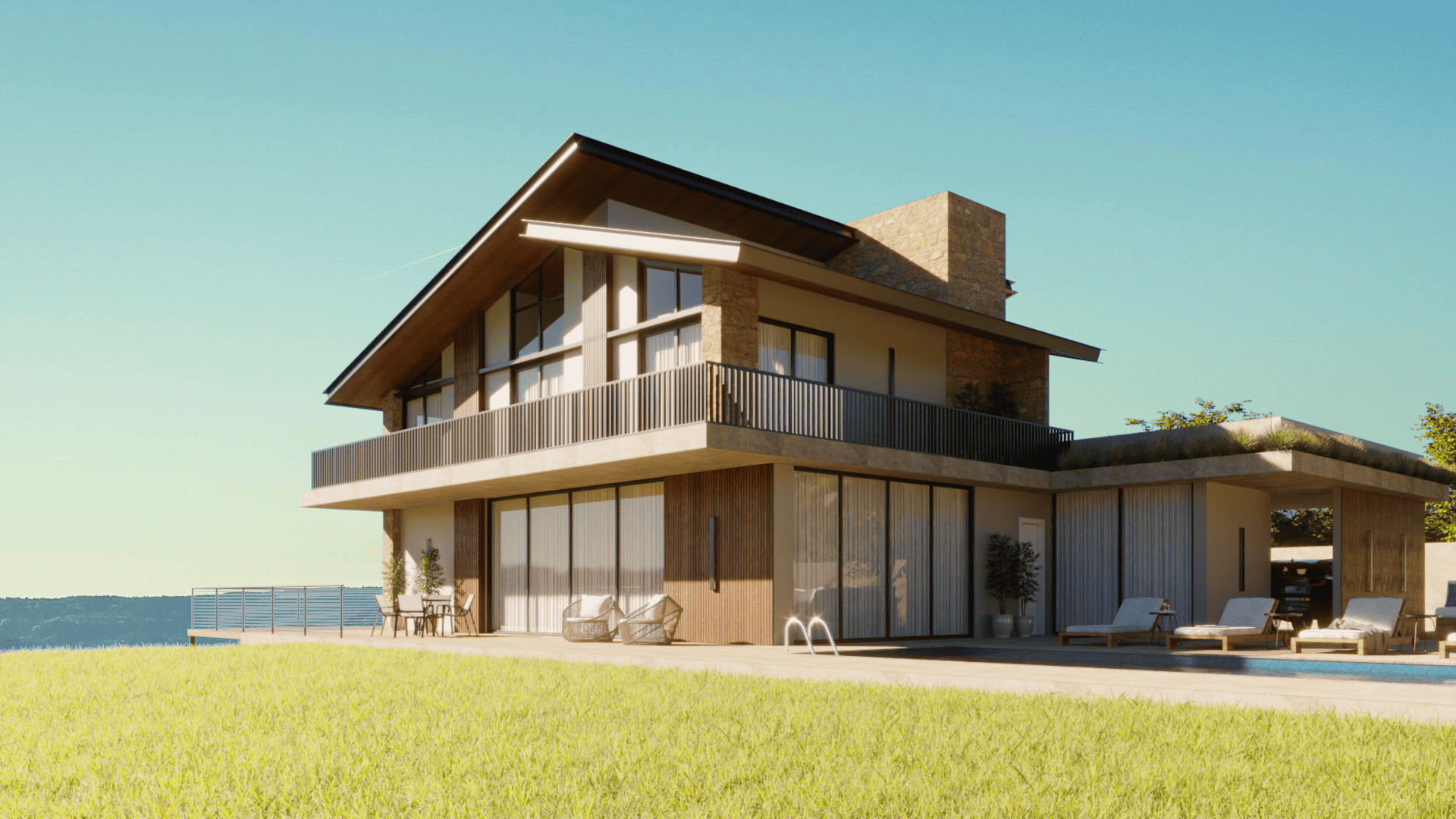
The landscape is the set of natural and artificial elements that make up the external setting of a house. It can influence the beauty, harmony, and sustainability of the architectural design project. Therefore, it is important to integrate the landscape into the house design, creating a relationship of respect and balance between the built environment and the natural environment. See how architectural design can harmoniously connect with the external landscape:
Architectural design can draw inspiration from the landscape to define the shapes, colors, and materials of a house, creating a coherent and original visual identity.
Architectural design can adapt to the landscape, respecting the topographical, climatic, and vegetation characteristics of the land, thus avoiding negative environmental impacts.
Architectural design can open itself up to the landscape, creating windows, balconies, terraces, or pergolas that allow one to appreciate the views and sounds of nature.
Architectural design can integrate with the landscape, creating transitional spaces between the interior and exterior of the house, such as indoor or outdoor gardens.
Gardens and Outdoor Areas
Gardens and outdoor areas are spaces that complement the design of the house, offering opportunities for leisure, relaxation, and contact with nature. They can be designed according to the architectural style of the house and the preferences of the residents, creating personalized and functional environments. Here are some tips for designing outdoor spaces that complement your home's design:
– Define the use and purpose of the outdoor spaces, such as receiving visitors, having barbecues, playing with children, or growing plants.
– Choose the elements that make up the outdoor spaces, such as flooring, decks, pergolas, swimming pools, fountains, benches, or tables.
– Choose plants for outdoor spaces, taking into account aspects such as climate, soil, watering, pruning, and flowering.
– Create a landscape design that harmonizes the elements and plants of the outdoor spaces, creating contrasts or continuities with the house design.
Project Monitoring
Project monitoring is the stage that involves tracking and supervising the execution of the architectural design project. It is a fundamental step to ensure that the project is carried out as planned, respecting deadlines, costs, and expected quality. See how to track project progress and deal with unforeseen events:
One way to track project progress is to use management tools that allow you to visualize activities, those responsible, deadlines, and the status of each stage. Another way to monitor the project is to hold regular meetings with the team, suppliers, and clients to align expectations, clarify doubts, resolve problems, and evaluate results. These meetings should be documented in minutes that include the main points discussed, the decisions made, and the actions to be taken.
Finally, it's important to be prepared to deal with unforeseen events that may arise during project execution, such as changes in scope, budget alterations, unavailability of materials or labor, among others. In these cases, it's necessary to analyze the causes and consequences of the unforeseen event, negotiate solutions with those involved, and update the project plan as needed.
How to choose a good Architecture and Civil Engineering firm in Balneário Piçarras
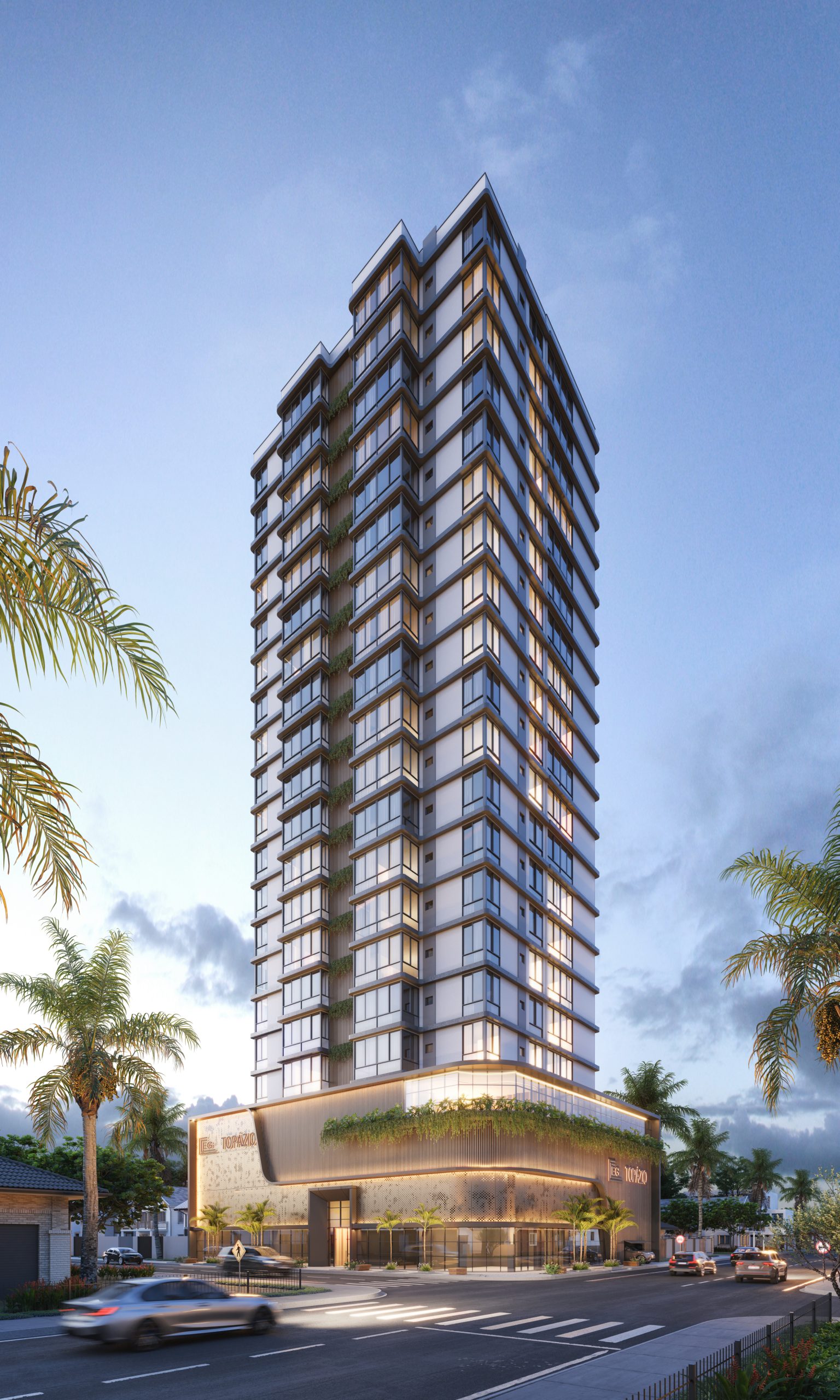
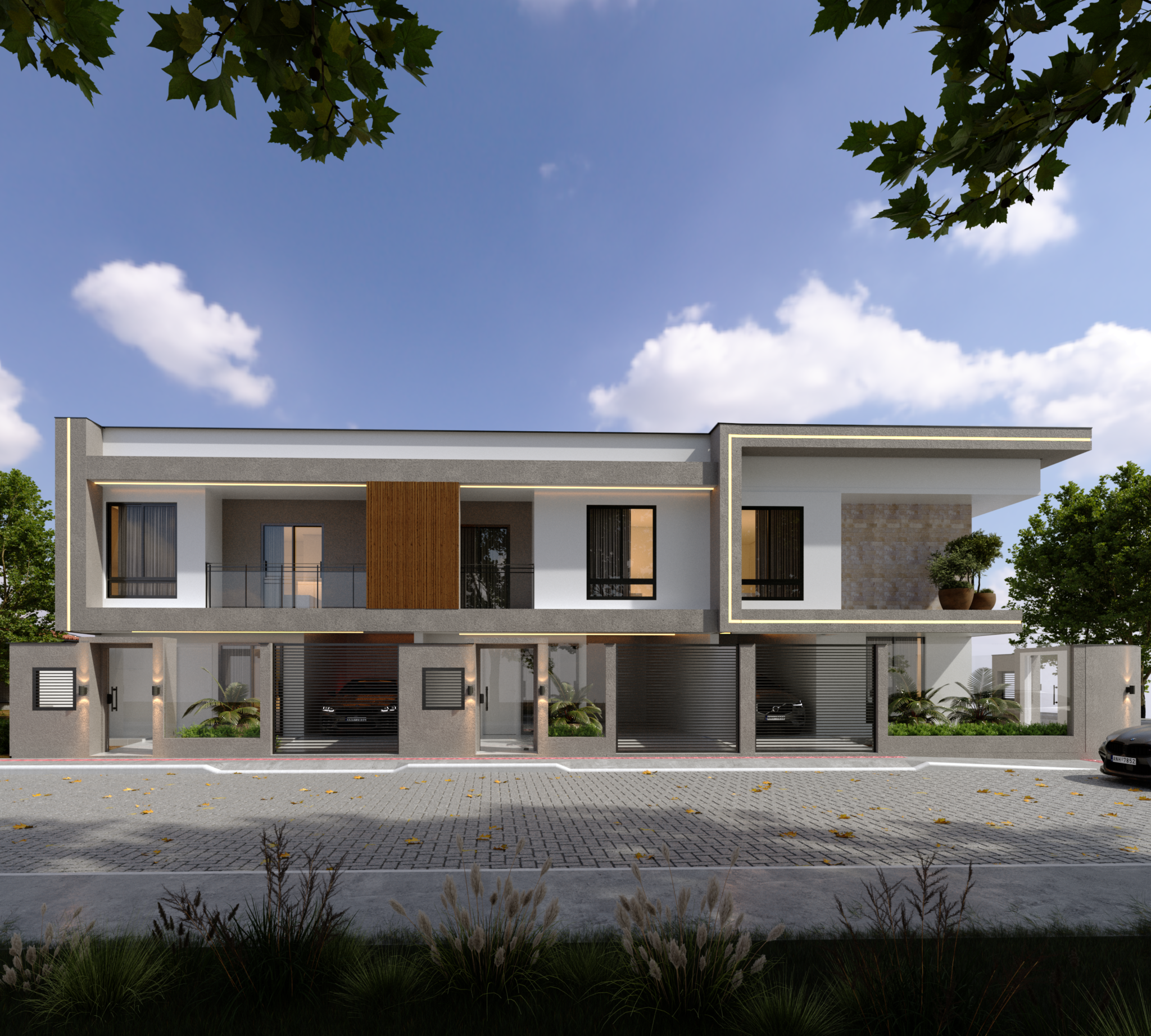
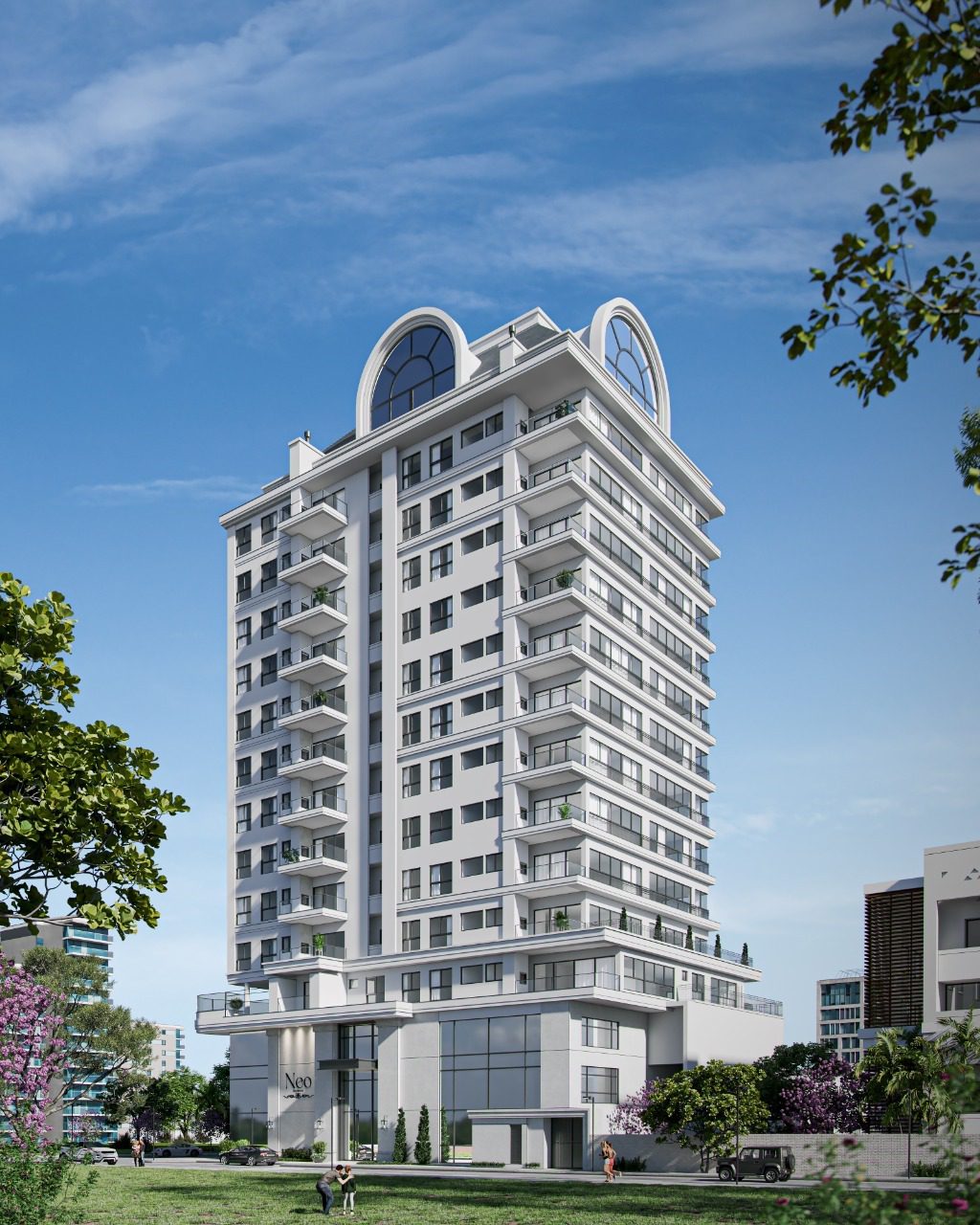
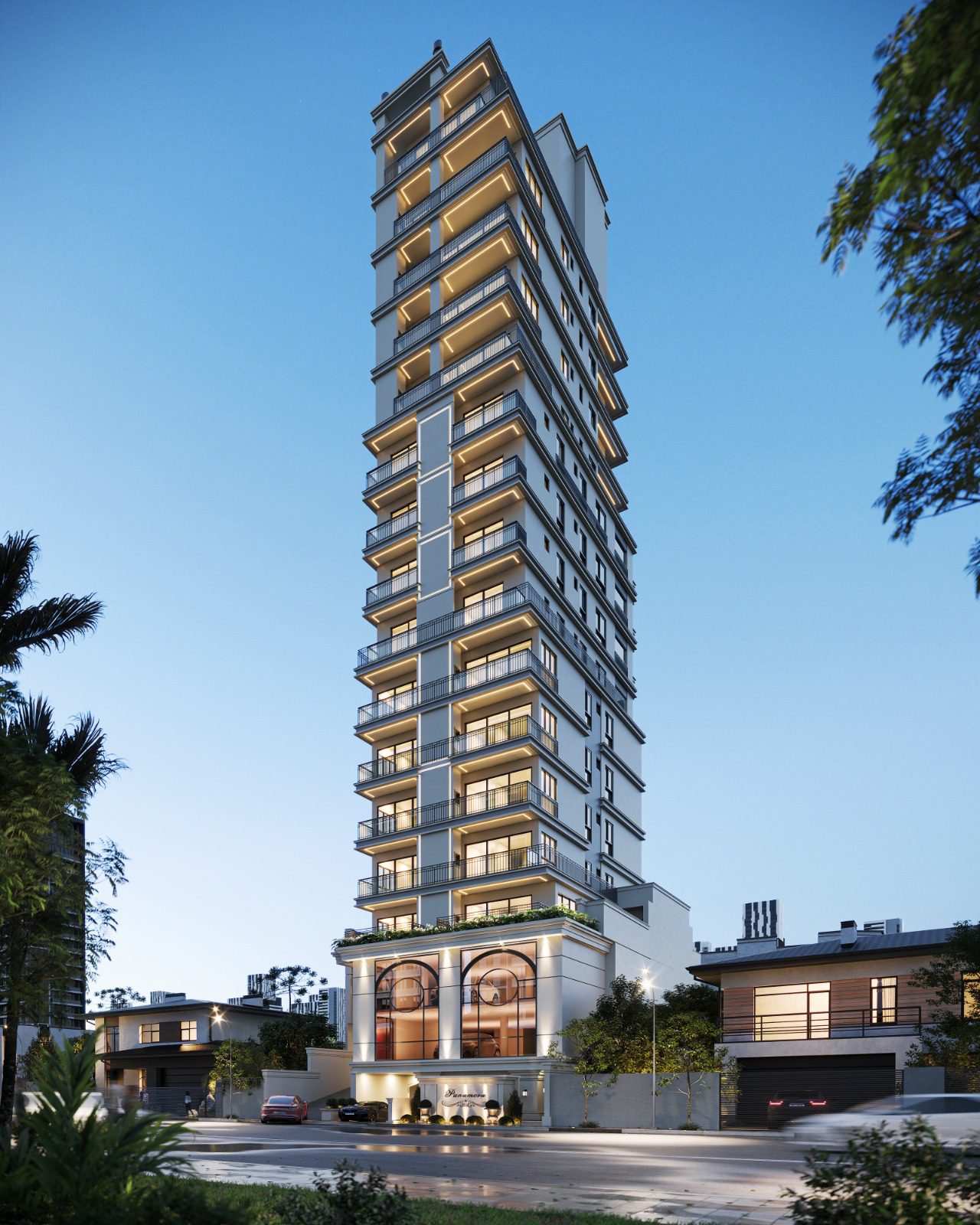
You can count on the Architecture & Civil Engineering team in Balneário Piçarras, a company specializing in residential and commercial architectural design. We offer consulting, design, monitoring, and construction management services, from conception to final delivery.
We work with a variety of architectural styles, from classic to contemporary, always respecting the preferences and expectations of each client. We use the best techniques and materials on the market, guaranteeing quality, safety, and durability.
If you want to turn your dream into reality, contact us and request a free quote. We will be happy to assist you and present the best solutions for your project.