











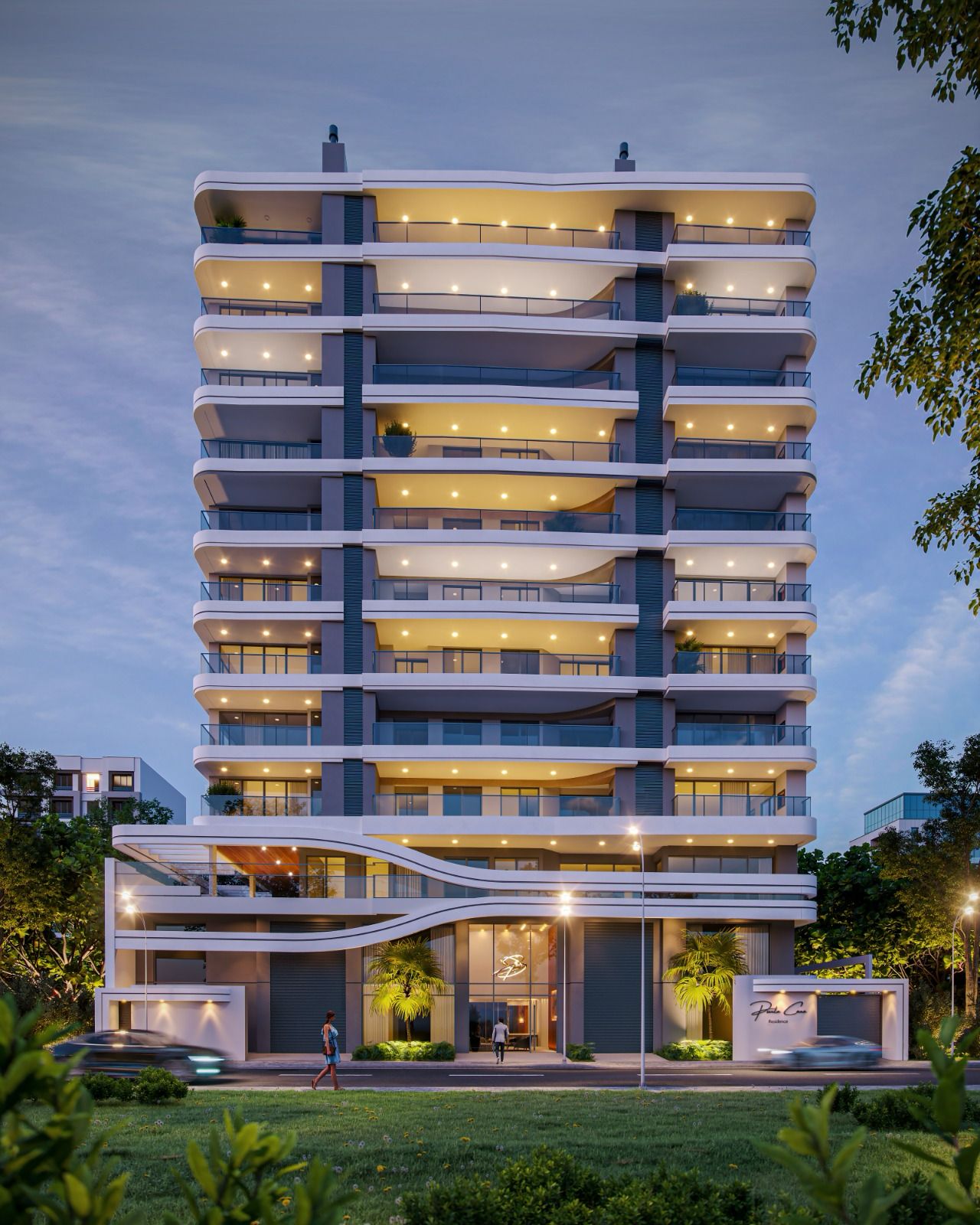
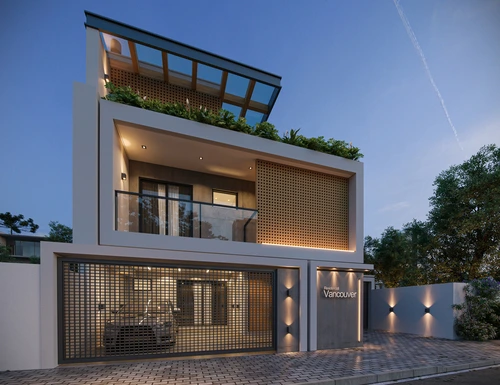
Colors play an essential role in architecture and interior design, going beyond mere decorative elements. They influence mood, perception of space, and even the functionality of an environment. Choosing the right color for the walls of a house or office is a decision that requires a balance between aesthetics and purpose.
Understanding the Psychology of Colors
Each color evokes specific emotions and sensations, and understanding these effects is fundamental to creating the desired environment.
- Neutral tones (white, beige, gray)Versatile and timeless, they are ideal for spaces seeking both sobriety and modernity. These tones visually expand small spaces and serve as a base for incorporating more colorful decorative elements.
- BlueAssociated with calm and serenity, it is perfect for bedrooms and offices, providing a tranquil environment conducive to concentration.
- GreenConnected to nature, it conveys balance and freshness. It works well in living rooms and kitchens, especially in lighter shades.
- YellowCheerful and energizing, it stimulates creativity. Use it in details or in environments such as kitchens and living areas, avoiding very intense tones in relaxation spaces.
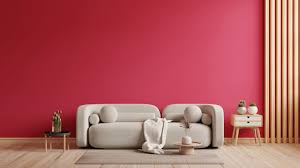
- RedWarm and stimulating, it is ideal for highlighting a wall or in social areas such as dining rooms, but should be used sparingly.
- Dark Tones (black, brown, navy blue)Elegant and sophisticated, they create depth and drama. They are best suited for large spaces or as a focal point on specific walls.
Consider the Purpose of the Environment
The colors should be aligned with the functionality of the space:
- RoomsOpt for soft and cozy tones, such as pastel, beige, or light blue, which promote relaxation.
- Living RoomsCombine neutrals with touches of warm or cool colors, depending on the desired style. For a modern look, choose gray or white with mustard or blue accents.
- Kitchens and BathroomsLight colors, such as white and aqua green, help maintain a feeling of cleanliness and organization.
- Offices and StudiosChoose colors that stimulate creativity or focus, such as blue, green, or earthy tones.
Focus on Contrasts and Highlights
Combining neutral colors with vibrant tones creates contrast and draws the eye to specific points in the room. An accent wall in a strong color, such as petrol blue or terracotta, can transform a simple space into a striking environment.
Take the lighting into account.
Natural and artificial light affect color perception. Before deciding, test different shades in the environment, observing how they change throughout the day. Spaces with little natural light benefit from light tones, while well-lit areas can accommodate darker colors without losing the feeling of spaciousness.
Textures and Finishes
The paint finish also makes a difference in the final result. Matte paints create an elegant and discreet look, while glossy or satin finishes offer a modern feel and are easier to clean, ideal for kitchens and bathrooms.
Don't be afraid to experiment.
If the idea of choosing colors seems challenging, start with more neutral tones and explore color in details, such as cushions, paintings, or furniture. Gradually, you can dare to paint entire walls, finding the perfect balance for your space.
Conclusion
Choosing the right wall color is an art that combines emotion, function, and aesthetics. With the right tips, it's possible to transform any environment, creating spaces that reflect personality and well-being. The key is to test, observe, and above all, connect with the sensations that each color evokes. After all, architecture and design are powerful tools for shaping not only spaces, but also experiences.