

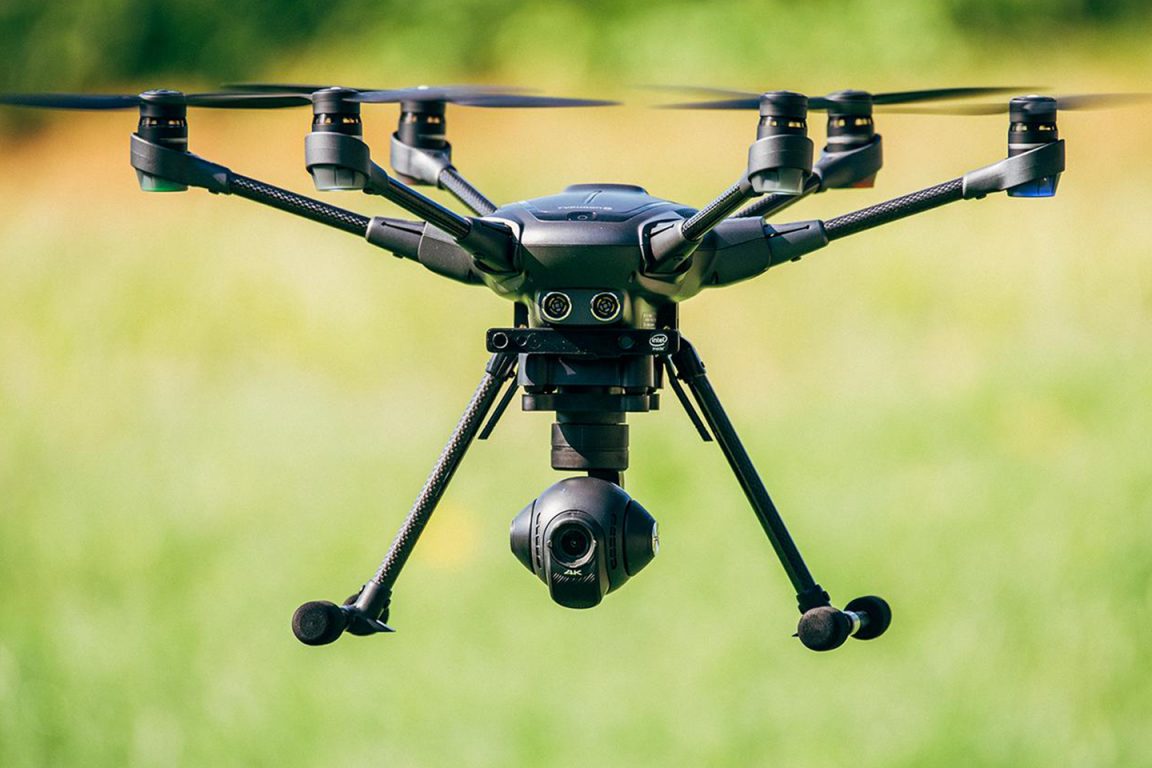
















Drone technology has revolutionized several sectors, and in civil engineering, this innovation brings significant benefits. The use of drones allows for the collection of precise data, the performance of inspections, and the monitoring of construction projects with unprecedented efficiency. In this article, we will explore how drones are transforming civil engineering and the impacts of this technology.
Aerial Data Collection
Firstly, drones provide a fast and effective way to collect aerial data. Equipped with high-resolution cameras and sensors, they can capture images and videos of large areas in a short time. Furthermore, the ability to fly at different altitudes allows for unique perspectives, essential for the analysis of terrain and structures.
This data collection not only speeds up the topographic surveying process but also increases the accuracy of the information. With drones, engineers can create detailed 3D models of the terrain, facilitating project planning and reducing the risk of errors.
Efficient Inspections
Secondly, drones are transforming construction inspections. Previously, engineers needed to climb structures or use scaffolding, which was time-consuming and risky. Now, drones perform aerial inspections of buildings, bridges, and dams safely and quickly.
Thanks to thermal imaging technology, drones can identify hidden problems, such as leaks or structural flaws. This early detection allows engineering teams to intervene before problems worsen, saving time and resources.
Project Monitoring
In addition to inspections, drones play a crucial role in project monitoring. With the ability to perform regular flights, they provide up-to-date images of construction progress. This practice not only keeps stakeholders informed but also facilitates the identification of delays and decision-making.
Furthermore, the use of drones for monitoring reduces the need for frequent site visits, allowing engineers to focus on other tasks. This operational efficiency results in greater productivity and better outcomes.
Workplace Safety
Another important point is the contribution of drones to workplace safety. By replacing manual inspections in hard-to-reach areas, they minimize risks for workers. With less exposure to dangerous situations, safety on construction sites increases significantly.
Furthermore, drones can be used to monitor at-risk areas during natural disasters, such as floods or landslides. This ability for rapid assessment is crucial for effective response in emergency situations.
Sustainability
Finally, the use of drones in civil engineering promotes more sustainable practices. Reducing the use of heavy vehicles for data collection and inspections decreases the carbon footprint of construction projects. Furthermore, the efficiency in data collection contributes to the planning of more sustainable projects, respecting the environment.
Conclusion
In short, drones are transforming civil engineering in innovative and impactful ways. From data collection to project inspection and monitoring, these devices offer effective solutions that increase safety, efficiency, and sustainability. As technology advances, the use of drones is likely to become even more prevalent, shaping the future of construction and urban planning. The adoption of this technology not only benefits engineering professionals but also contributes to a safer and more sustainable built environment.