
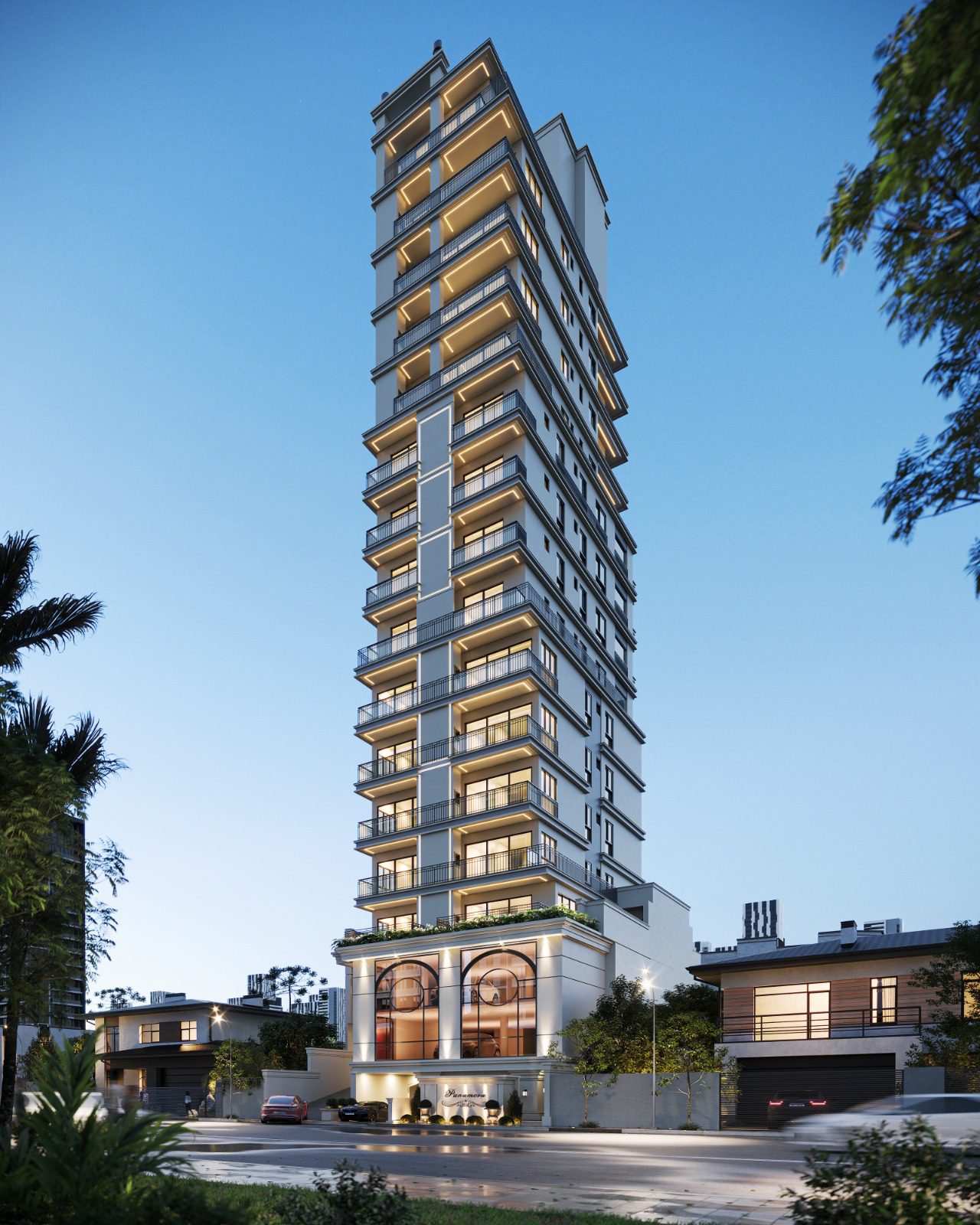
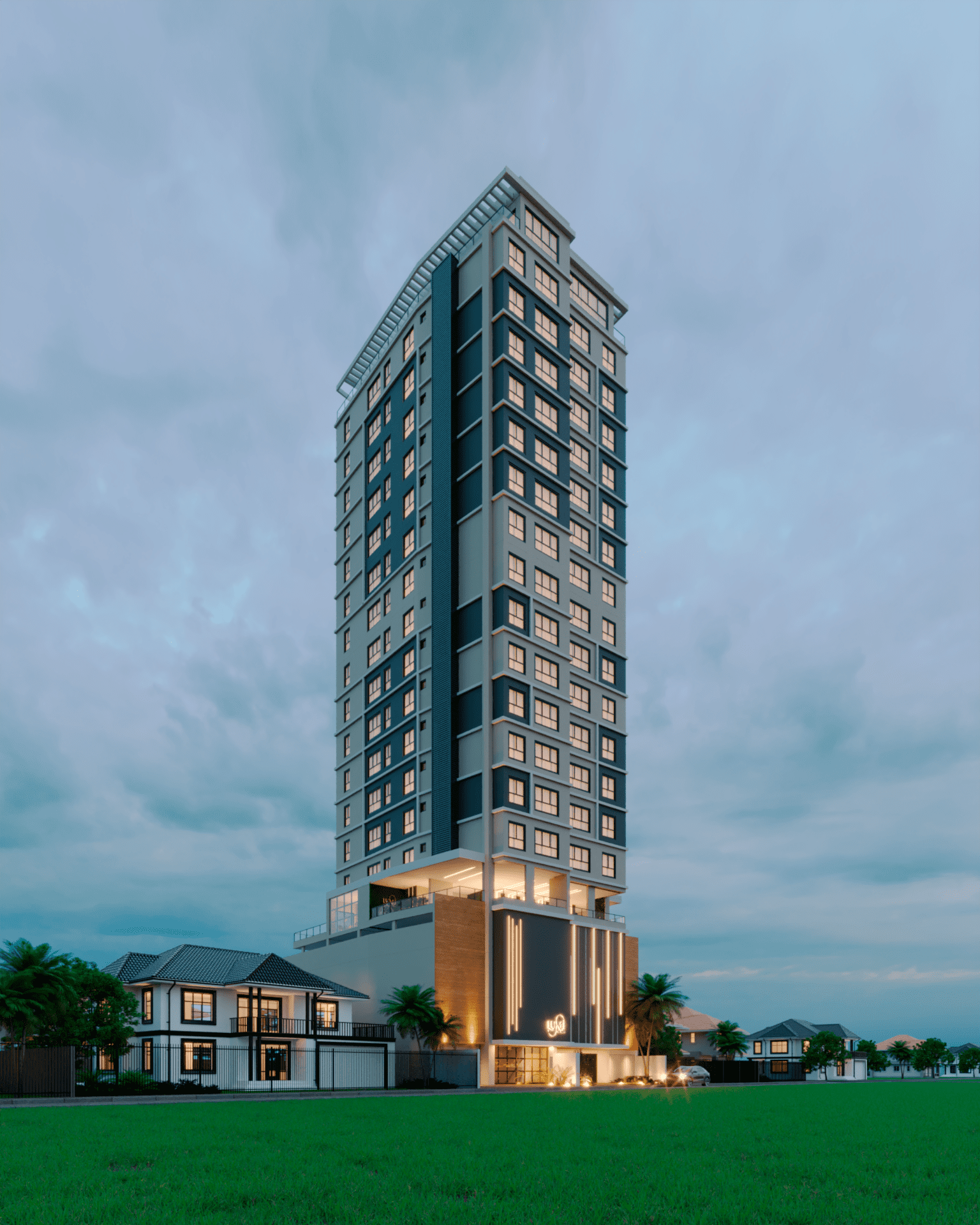
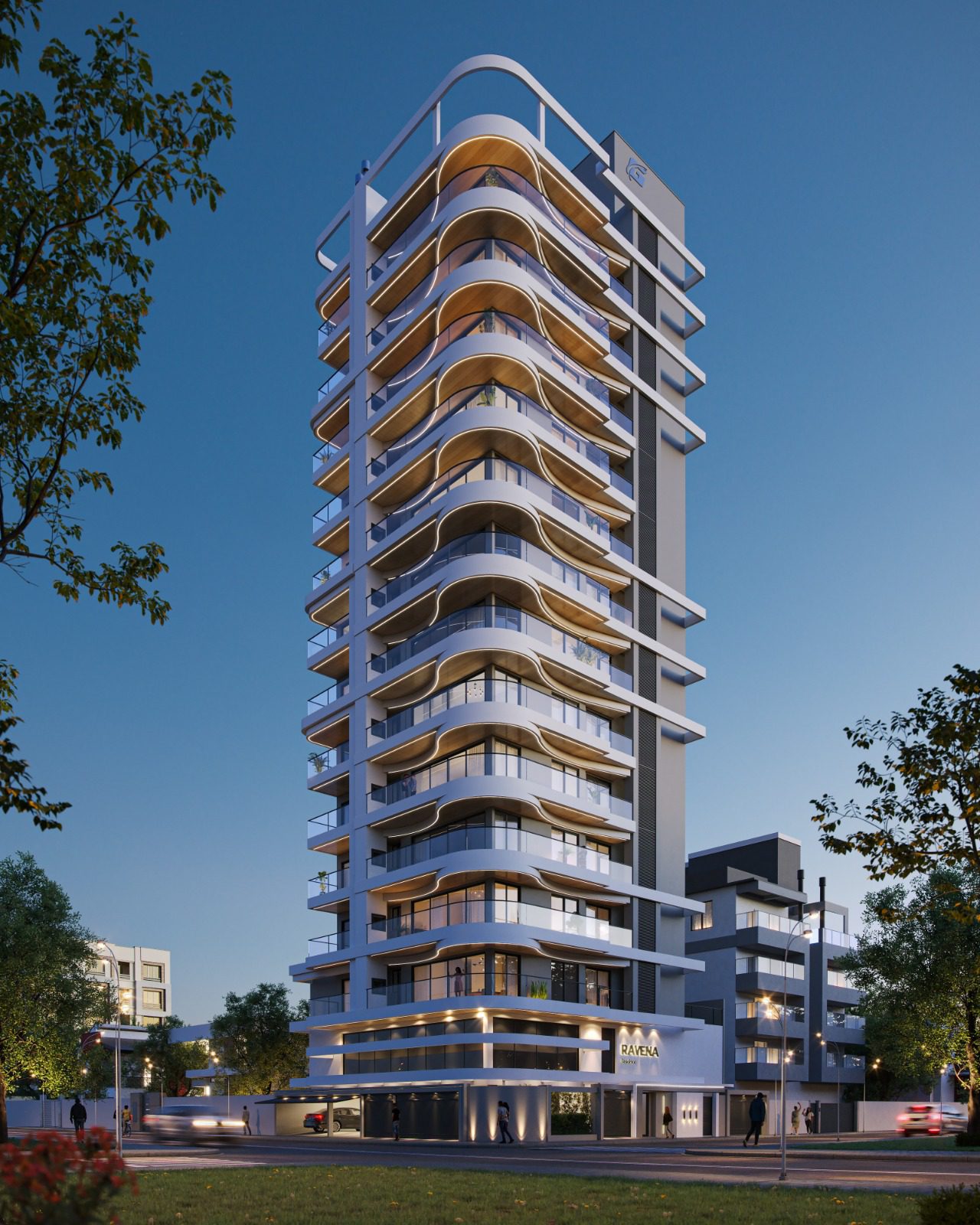
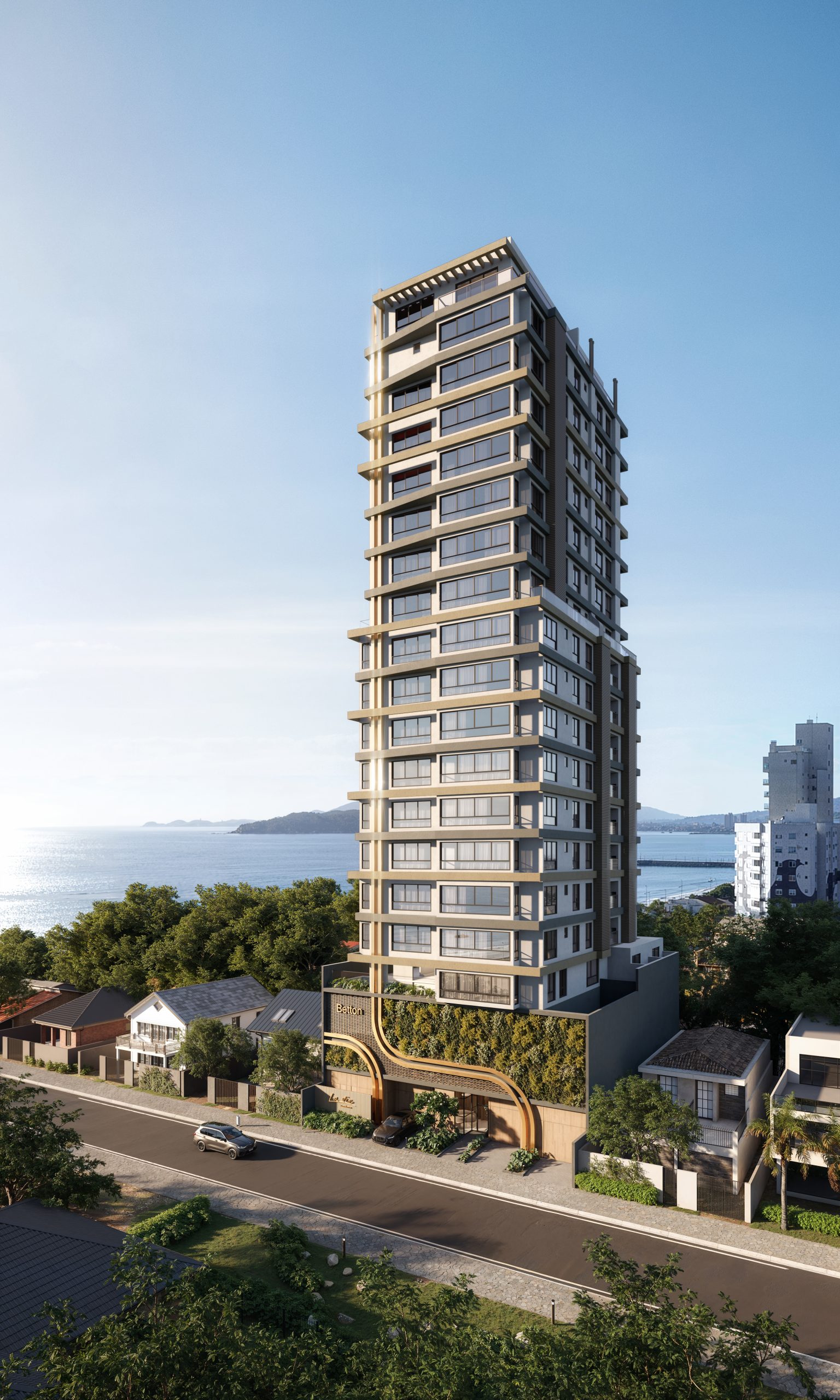
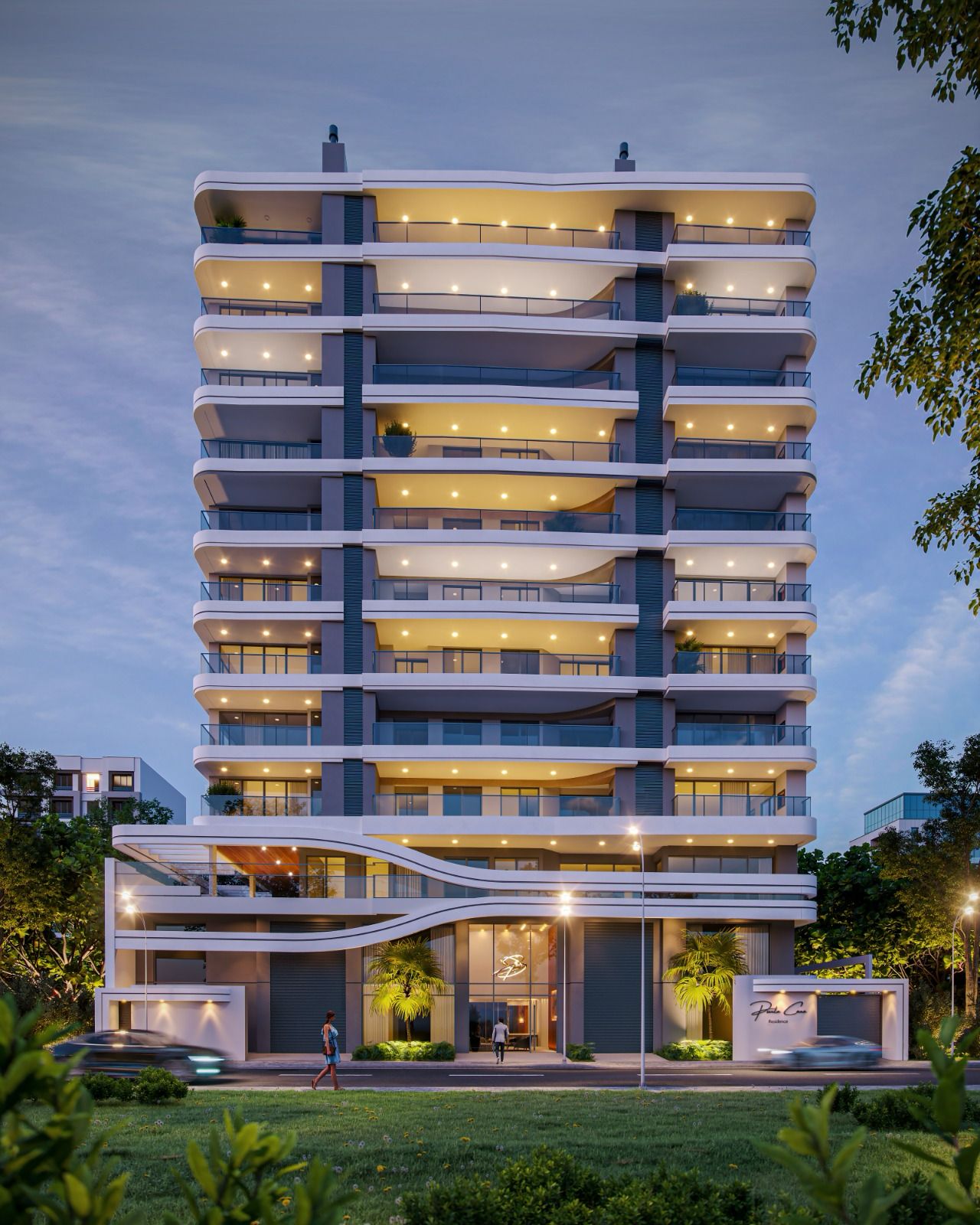
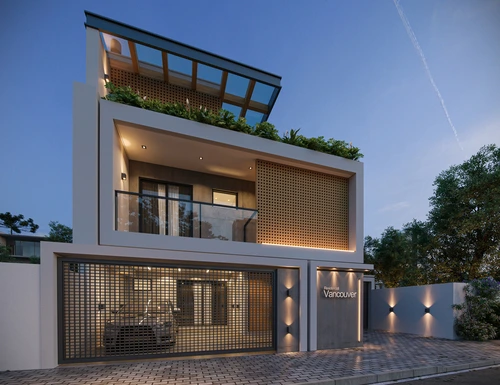
The challenge of building in coastal regions.
Building on the coast requires rigorous technical and strategic planning. Firstly, We must consider that the beach environment presents constant aggressive agents. Indeed, However, sea air and high relative humidity directly impact the durability of materials. Therefore, The choice between drywall and masonry should not be based solely on aesthetics. On the contrary, The engineer must evaluate the structural performance of each solution. Furthermore, Logistics in coastal cities is often complex due to traffic and access. That way, Efficiency in the delivery of materials becomes a competitive advantage. However, Many homeowners still have doubts about which system offers the best cost-benefit ratio. In that regard, This article details the main technical differences between the two methods.
Masonry: Traditional resistance against sea air.
Conventional masonry uses ceramic bricks or concrete blocks. Certainly, This is the most well-known and widespread method in Brazil. In the first place, Masonry construction offers a sense of robustness and security for the resident. Furthermore, The system possesses excellent thermal inertia in hot climates. Still, The self-weight of the masonry structure is considerably high. Consequently, Therefore, the foundations of the property need to be more robust and expensive. Even so, The masonry exhibits good mechanical resistance against direct impacts. However, The construction process is usually slow and generates a large volume of debris. For example, Making cuts in walls for plumbing installations is time-consuming and wastes materials. Furthermore, Traditional plaster can suffer from cracking due to constant thermal expansion in coastal areas.
Drywall: Technology and efficiency for coastal areas
Drywall, or plasterboard, is becoming increasingly popular in luxury apartments. In fact, The industrialized system allows for extremely fast and clean assembly. For example, It is possible to erect interior walls in a fraction of the time it takes for masonry. In this way, The construction schedule is significantly optimized. Furthermore, Drywall is a lightweight system that reduces the load on the slab. Consequently, Therefore, the structural design can be dimensioned in a more economical way. However, Many people question the durability of plaster in damp areas. In this context, There are also green (RU) sheets, which are moisture resistant. Therefore, Drywall is a perfectly viable option for bathrooms and kitchens in beach houses. Inclusive, With this material, pipe maintenance becomes much simpler and faster.
Salt air and humidity: Which material performs best?
Humidity is the biggest enemy of beachfront buildings. Consequently, We need to analyze how each system reacts to water vapor saturated with salt. On the one hand, However, the masonry may suffer from efflorescence and plaster detachment. On the other hand, Properly installed drywall prevents the spread of mold. This happens because Gypsum boards contain fungicidal additives in their composition. What is more, The mineral insulation between the sheets improves acoustic comfort. Still, It is essential to use high-quality galvanized steel profiles. That way, We guarantee that the internal metal structure will not corrode due to sea air. Similarly, Joint treatment must be impeccable to prevent future cracks. In short, Both systems require professional and qualified technical execution.
Cost-effectiveness and long-term maintenance.
When analyzing the cost, we shouldn't just look at the price per square meter. Then, Drywall reduces expenses related to transportation, cleaning, and material waste. Simultaneously, However, masonry work may seem cheaper when buying bricks outright. Nonetheless, The indirect cost of slow labor ultimately increases the total investment. Furthermore, The ease of renovation of drywall is a positive point for vacation properties. In the end, Changing the layout of a room becomes a simple and quick task. On the other hand, Masonry construction requires demolition and generates excessive dust throughout the property. Therefore, For those seeking modernity and efficiency, drywall has the advantage. Even so, The final choice should always take into account the client's preferences and the architectural design.
Conclusion: The importance of specialized technical support.
The decision between drywall and masonry directly impacts the resale value of the property. Logo, However, the involvement of a civil engineer is essential to validate the technical choices. With the objective of To avoid pathologies, the professional will analyze the local climatic conditions. That way, The project will be executed using the best materials available on the market. Inclusive, Integration between systems can be the ideal solution in many cases. For example, Use masonry for the boundaries and drywall for the internal partitions. Ultimately, The success of your beachfront project depends on solid planning. Like this, By doing so, you ensure comfort for your family and durability for your property.
Do you want to guarantee maximum technical efficiency and durability for your project on the coast of Santa Catarina? Having specialized support prevents premature defects and unnecessary maintenance costs. To answer all your questions about civil construction and ensure a high-standard project with those who understand the region, access here.