


A Structural engineering is undoubtedly one of the most critical pillars for the success of any real estate development. In cities like Indaial, where there are specific soil characteristics and constant urban growth, having a well-developed structural project is not just an advantage—it's actually a strategic necessity.
In this context, the role of the structural engineer goes far beyond simply dimensioning beams and columns. Furthermore, they directly influence the economic viability and durability of the building, and consequently, the reduction of risks throughout the entire lifespan of the project.
What does a structural engineer do and why are they essential?
First and foremost, a structural engineer is responsible for designing and analyzing the entire structure of a building. In this way, they ensure that the building can safely and efficiently support both permanent and variable loads.
Among its main responsibilities, the following stand out:
- Structural design (reinforced concrete, prestressed concrete and steel)
- Load analysis (wind, self-weight and usage overloads)
- Defining the most suitable structural system
- Compatibility with architectural and complementary projects.
- Optimization of materials and costs
Furthermore, in Indaial, This work gains even more relevance. This is because the geotechnical particularities of the region demand a more precise and strategic technical approach.
The characteristics of the soil in Indaial and its impact on the structure.
Generally speaking, Indaial is located in the Itajaí Valley, a region characterized by alluvial soils and significant variations in the load-bearing capacity of the terrain. Therefore, flawed decisions in the foundation phase can lead to serious structural problems.
For example, the following may occur:
- Differential settlements
- Structural cracks
- Compromised building stability
Therefore, a good structural design must begin with:
- Detailed geotechnical investigation (SPT sounding)
- Careful analysis of the soil profile
- Proper choice of foundation type
Therefore, the integration between structural engineering and geotechnics is not optional — on the contrary, it is fundamental to ensure safety and avoid high costs associated with future repairs.
Value Engineering: Reducing costs with intelligence.
Currently, one of the key differentiators of a modern structural project is the application of Value Engineering. In other words, it's about finding the best balance between cost, performance, and safety.
In practice, this means that:
- The consumption of steel and concrete is reduced through technical means.
- Structural systems are chosen with greater efficiency.
- Waste during execution is minimized.
- The budget becomes more predictable.
Thus, contrary to what many believe, saving money on the structure does not mean sacrificing quality. On the contrary, it means designing with intelligence and precision.
BIM in structural engineering: more control and fewer errors.
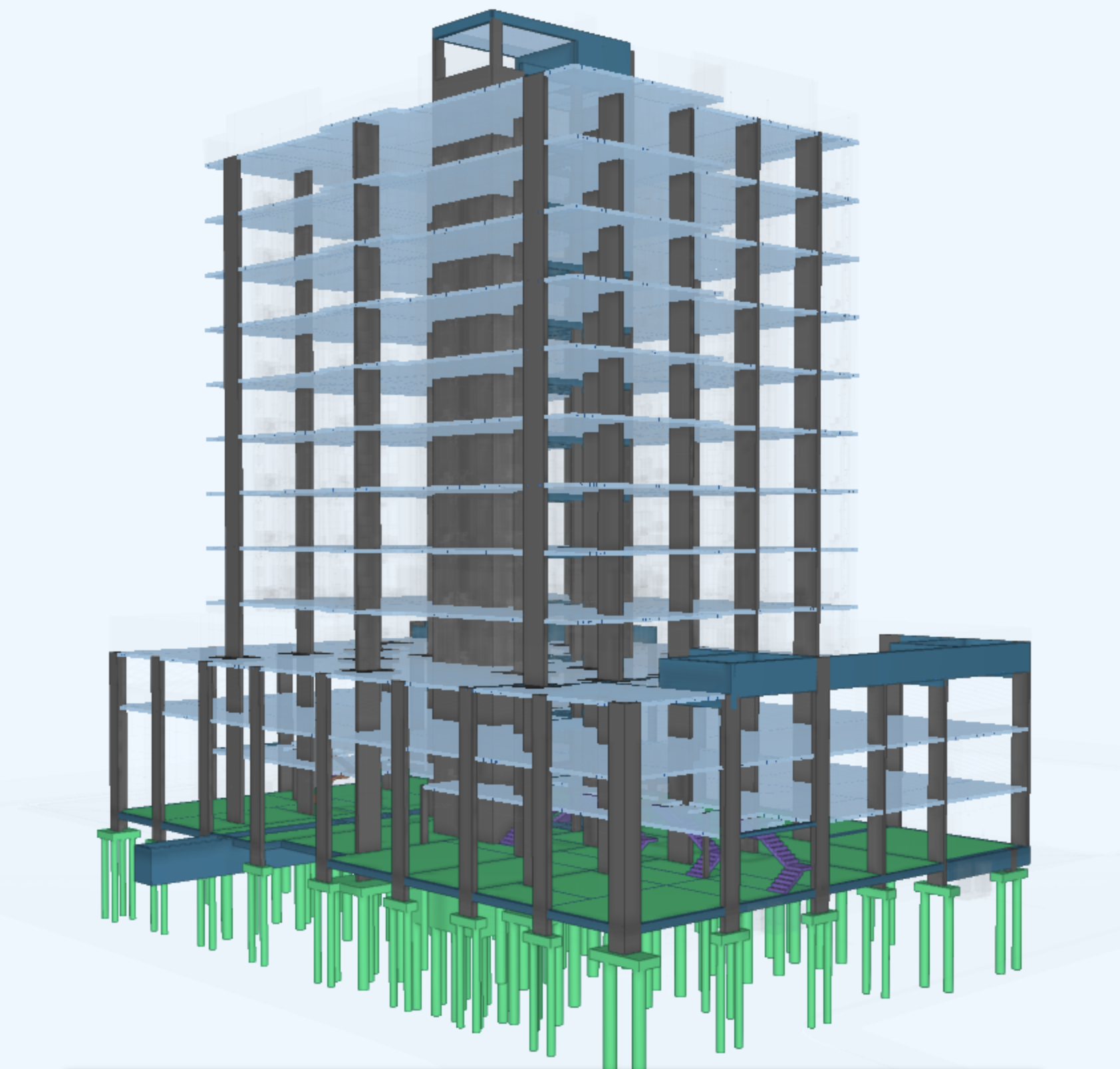
With the advancement of technology, the methodology BIM (Building Information Modeling) It has become essential in the development of structural projects. This is because it allows for an integrated view of the entire construction.
Consequently, the main benefits are:
- Compatibility between architecture, structure and installations
- Significant reduction in conflicts on the construction site.
- Greater accuracy in material quantities.
- Better executive planning
- Reducing rework
Therefore, in a competitive market like Indaial's, using BIM is no longer a differentiator but a technical standard.
Structures for vertical buildings: challenges and solutions
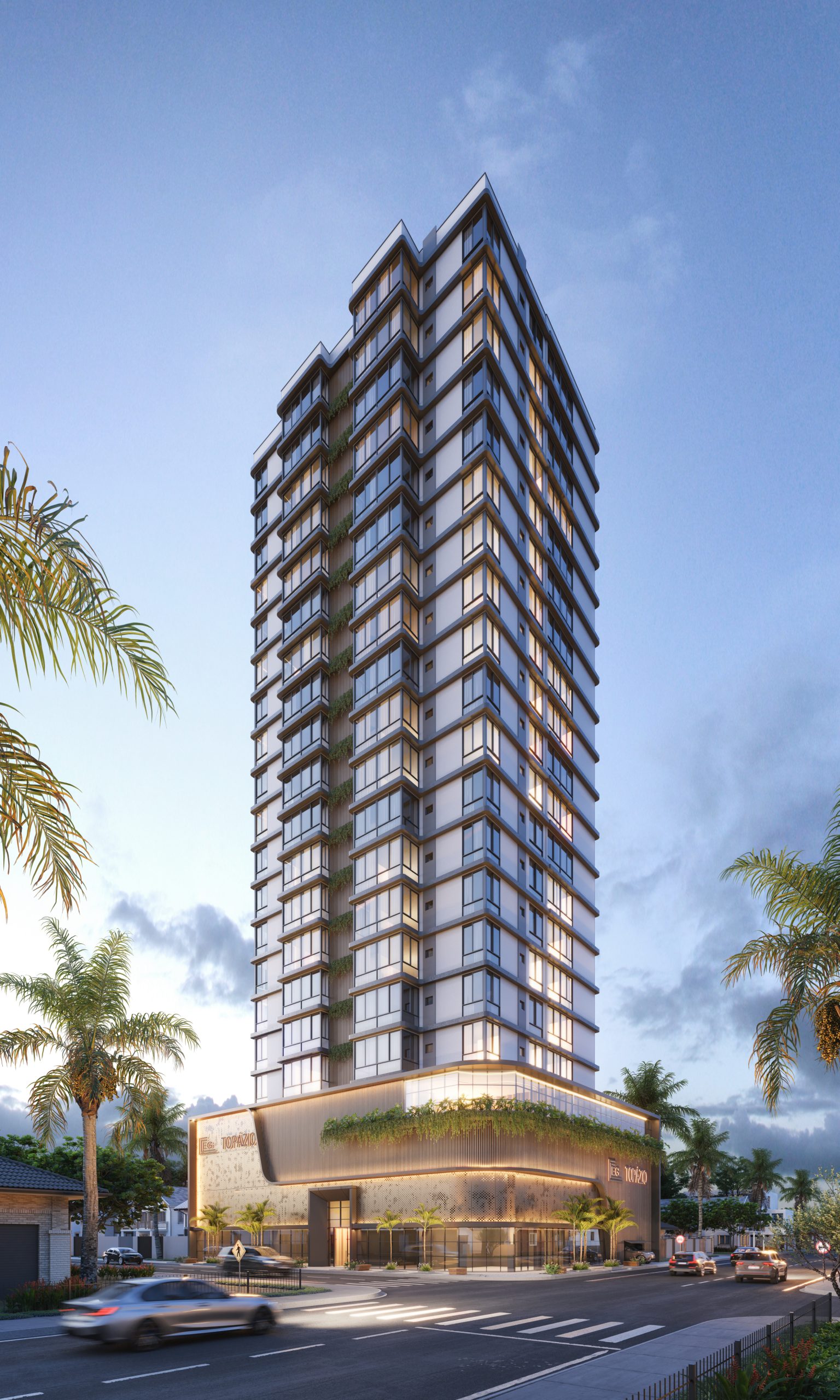
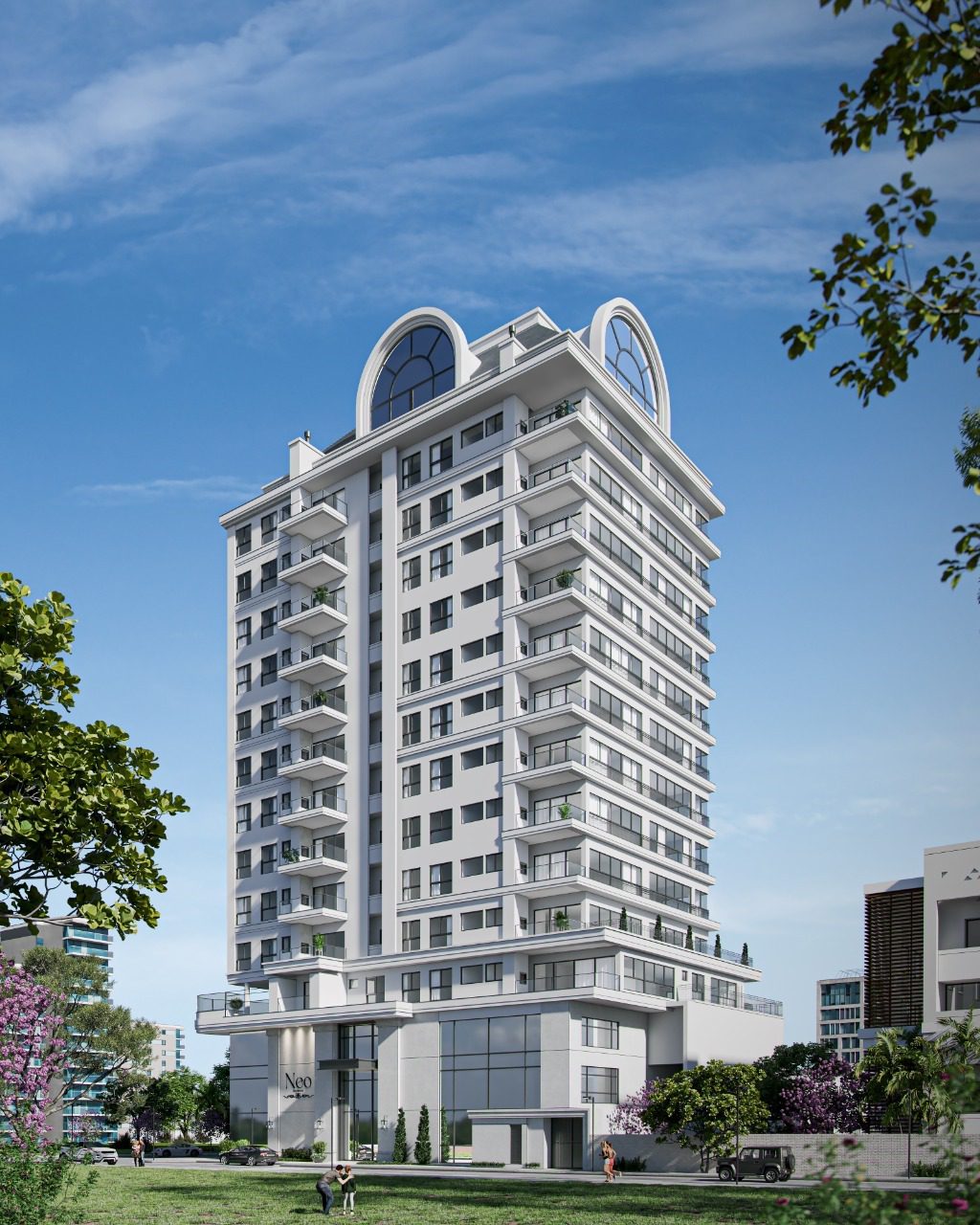
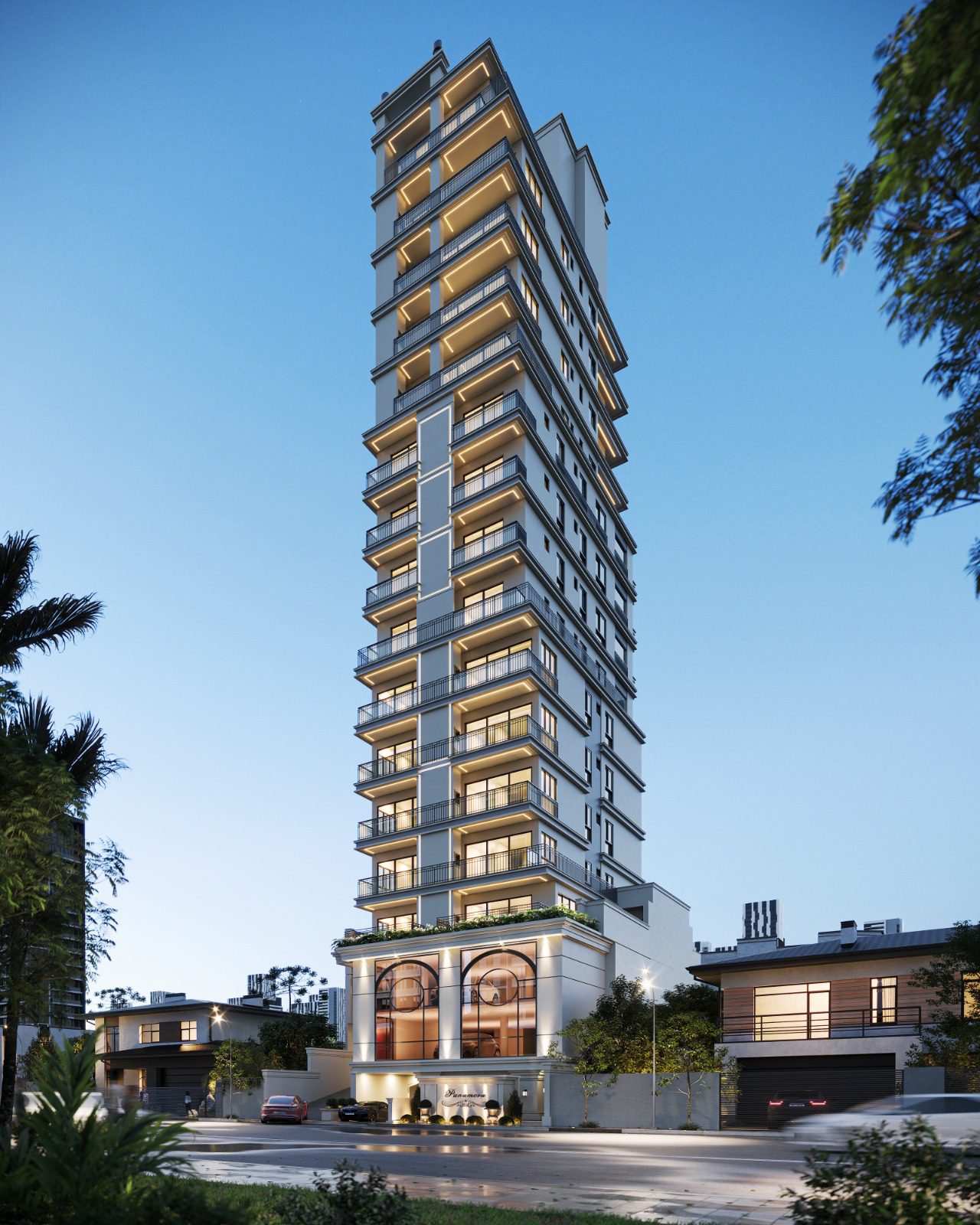
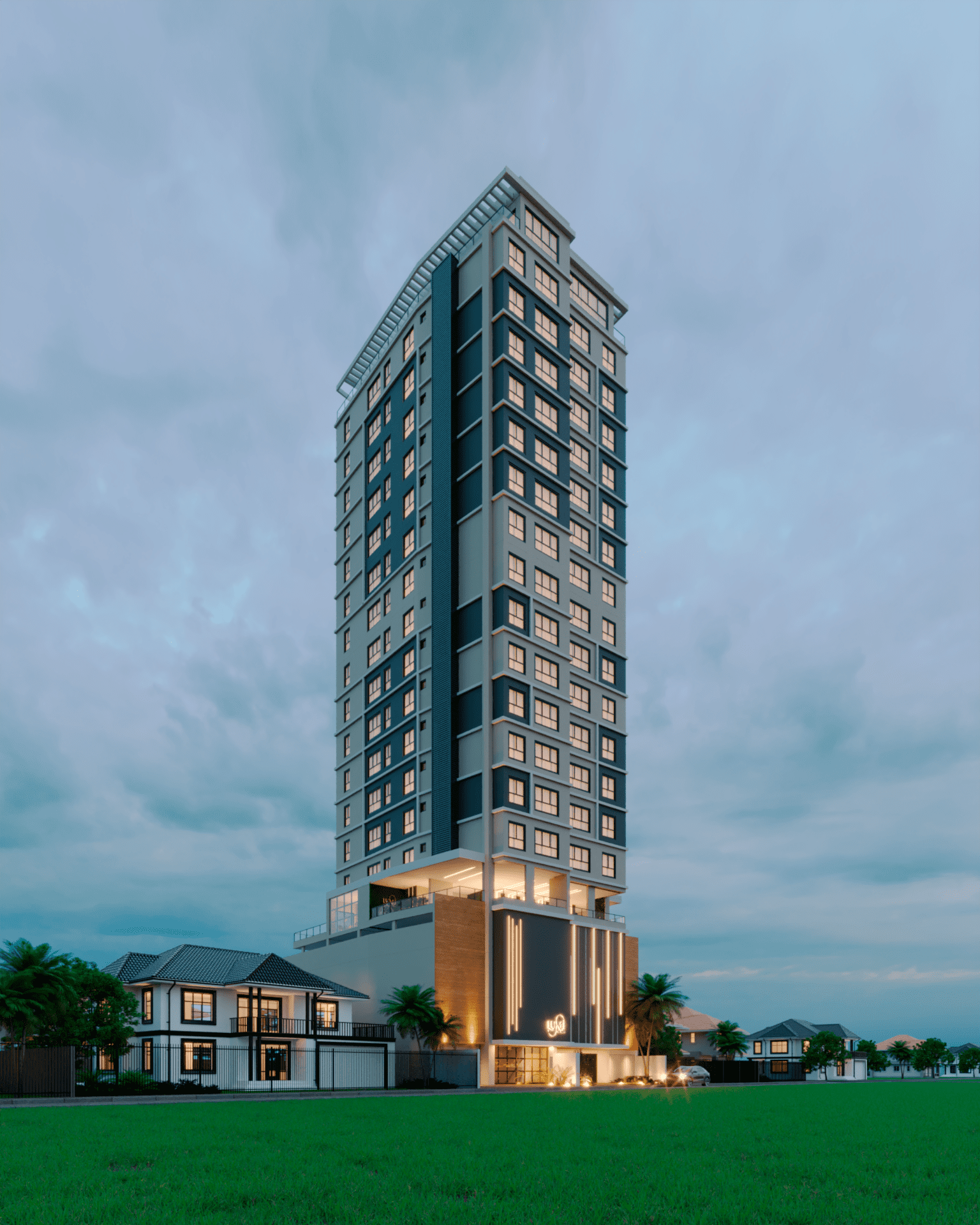
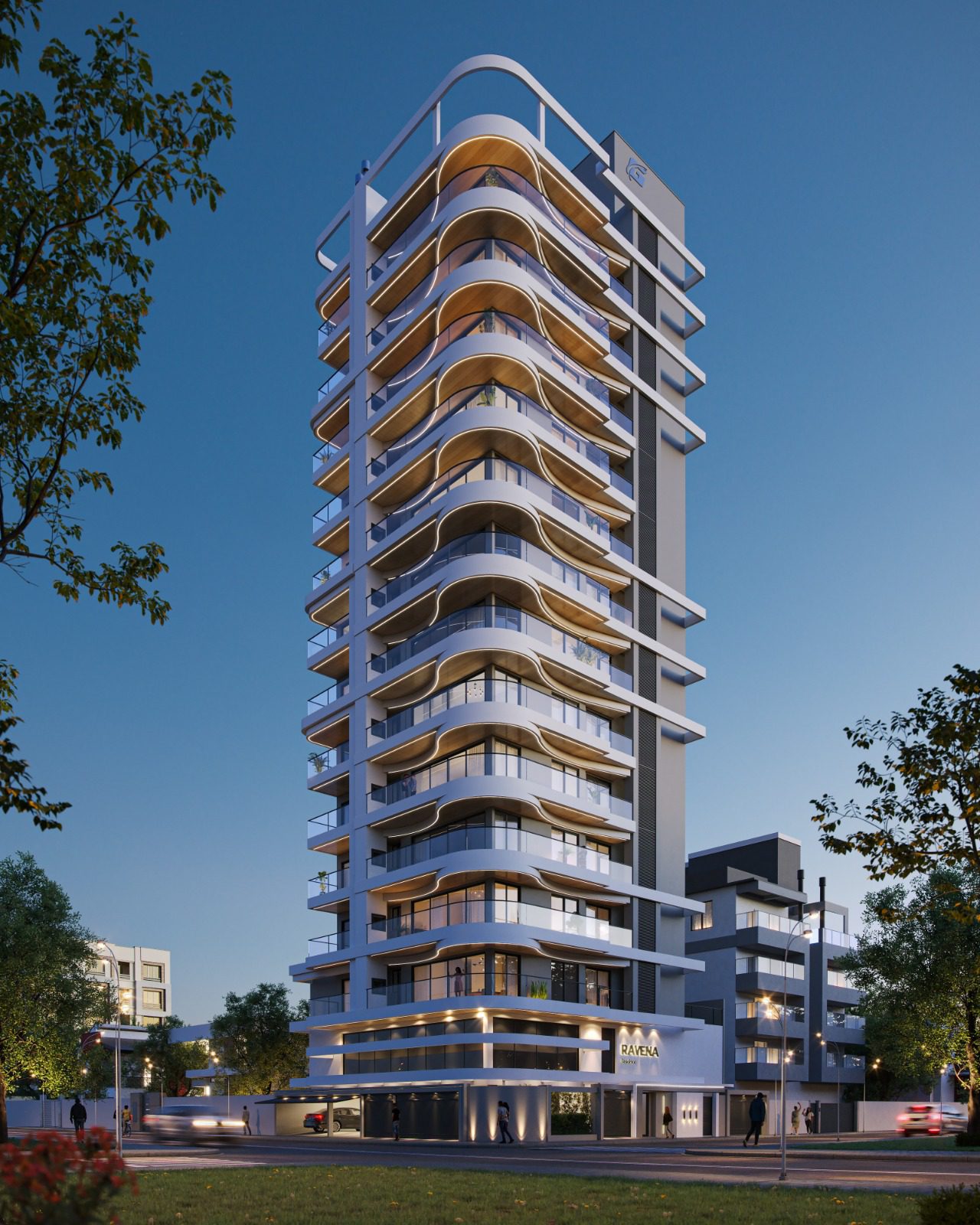
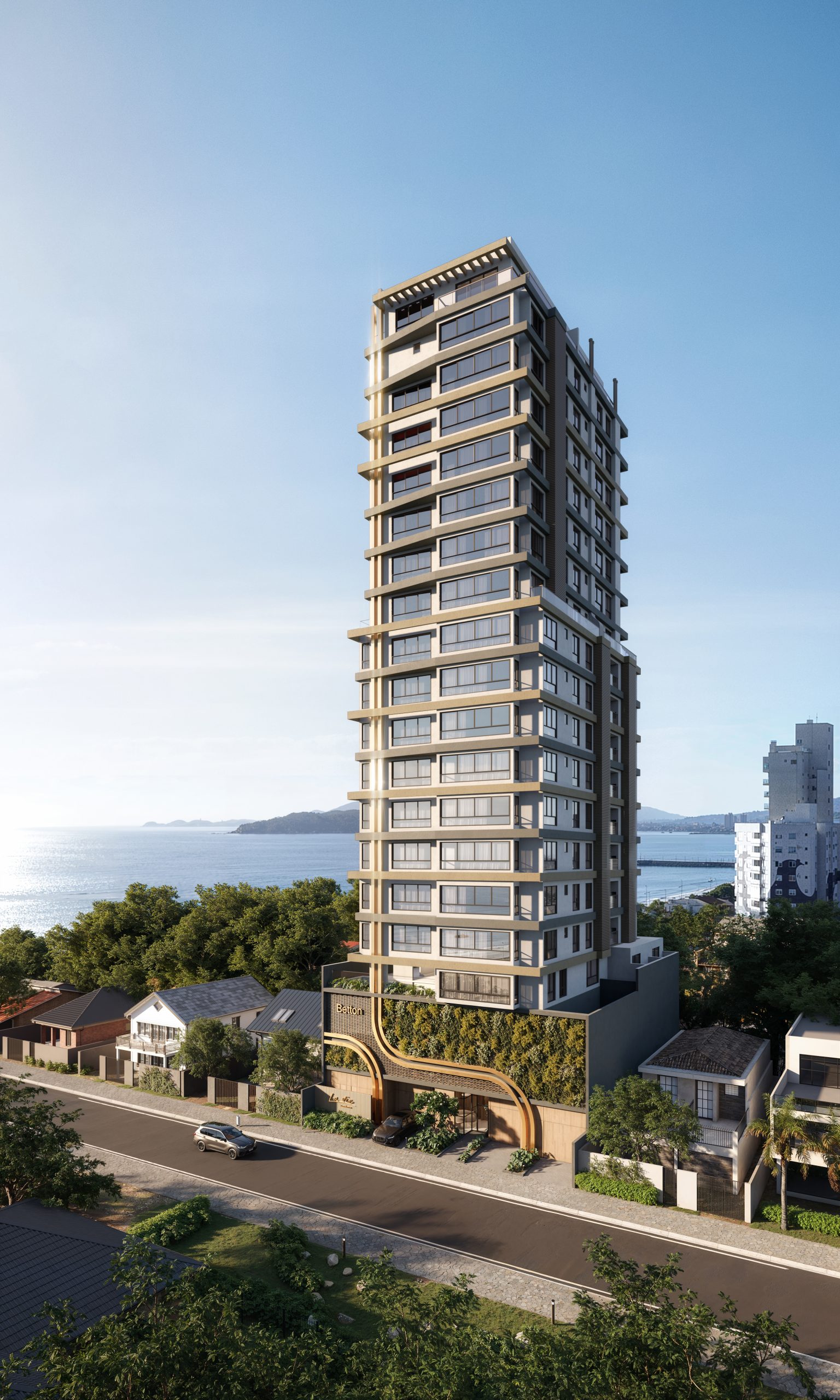
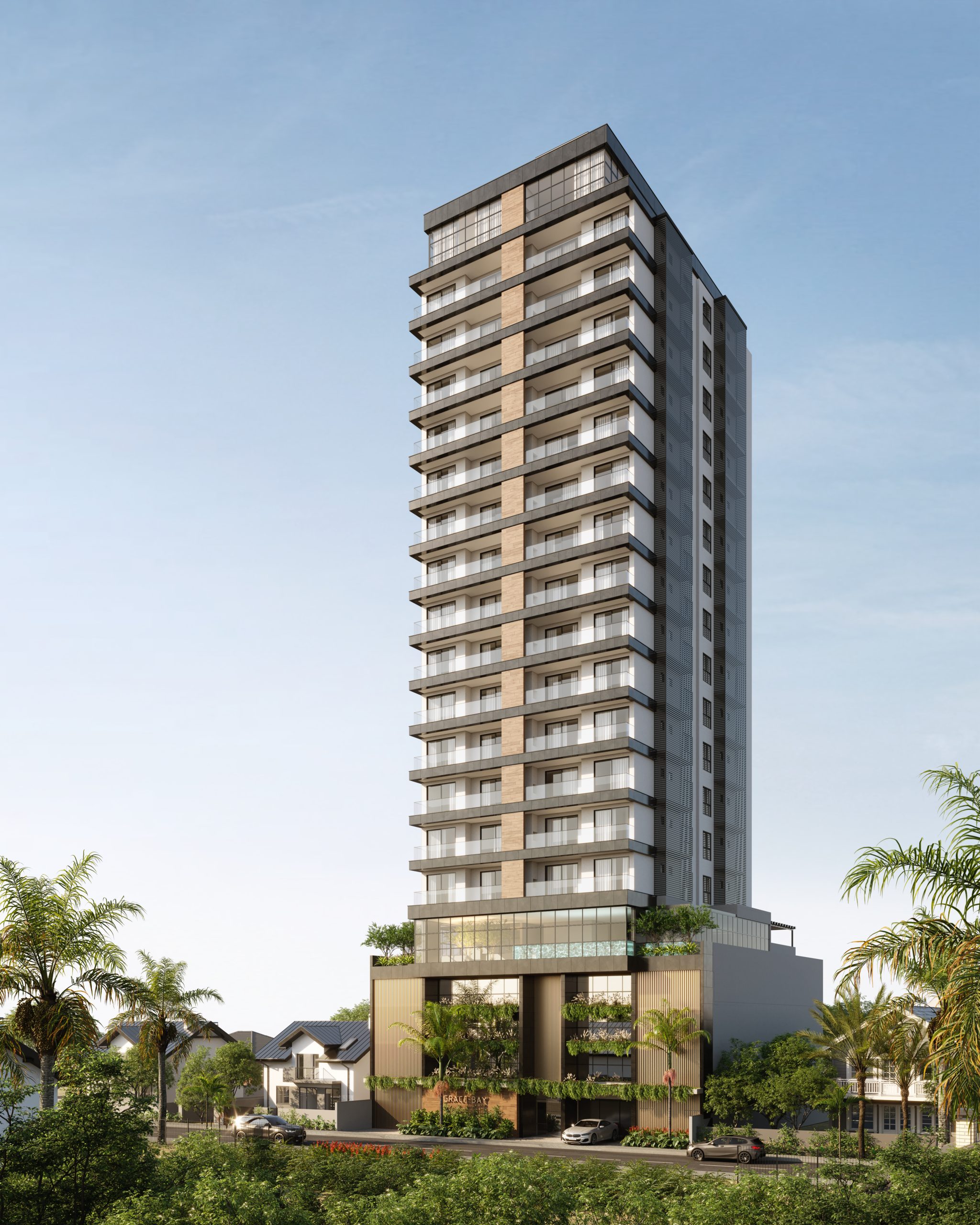
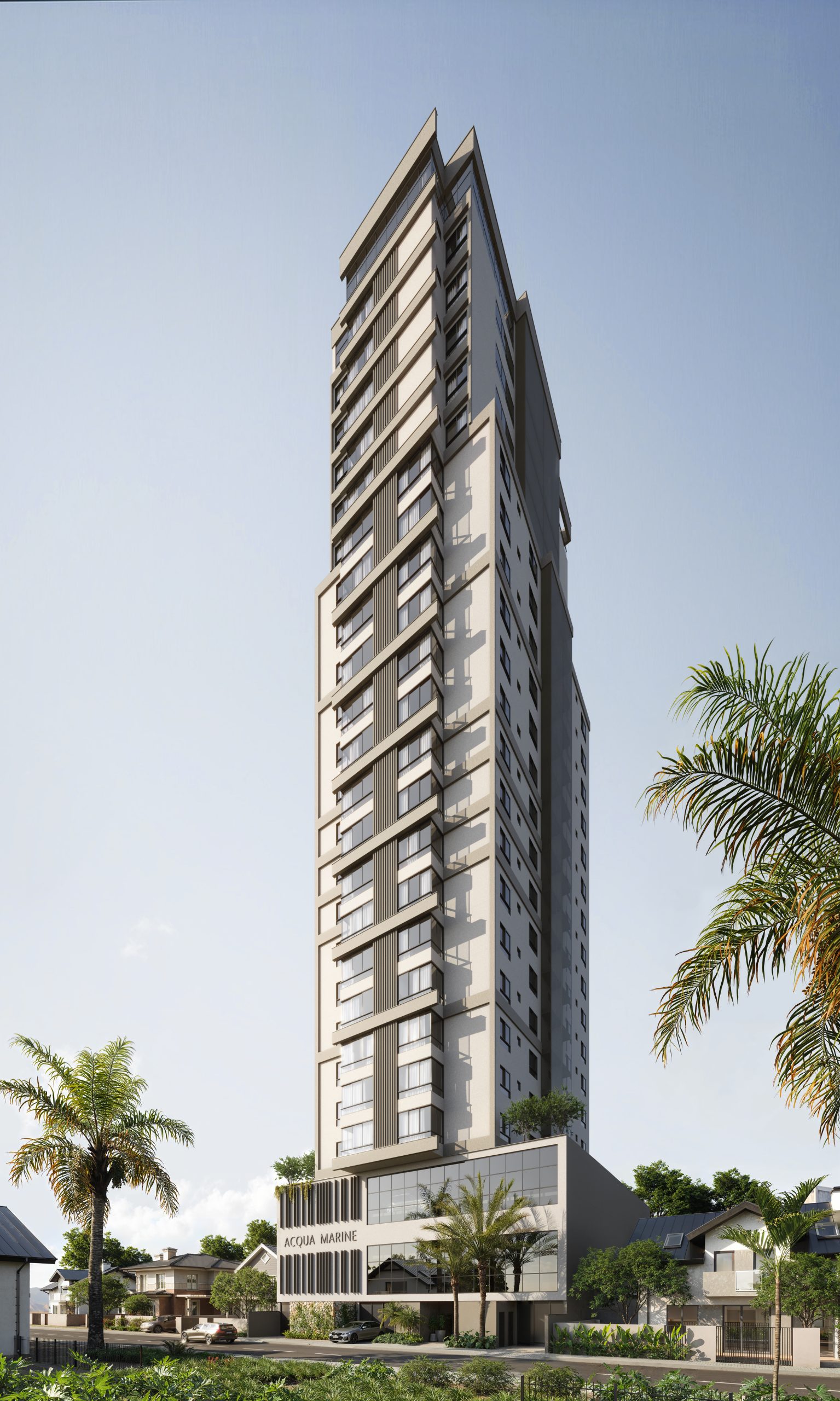
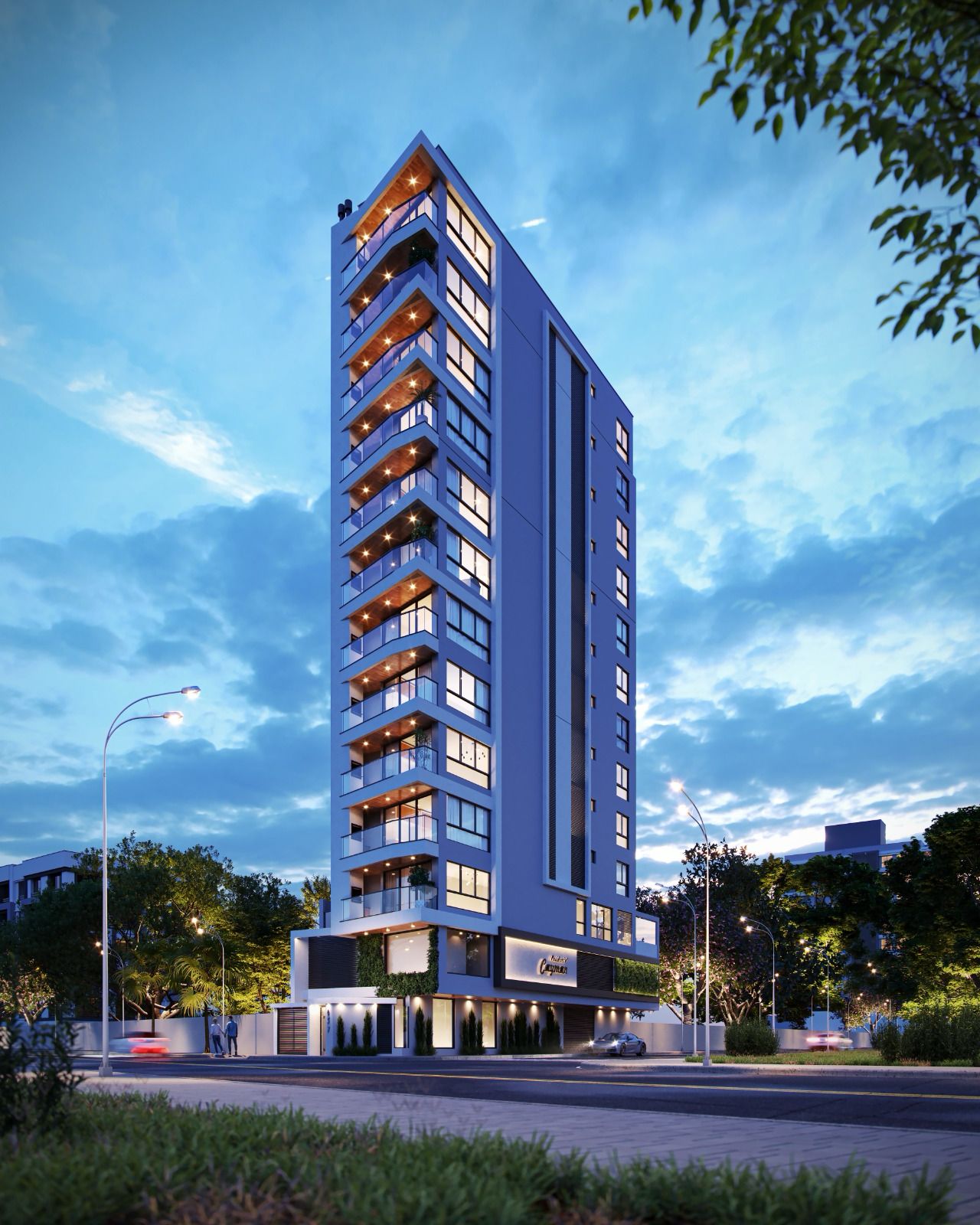
As urban growth progresses, verticalization becomes increasingly prevalent in Indaial. In this context, building projects demand a higher level of structural complexity.
Among the main challenges, the following stand out:
- Control of deformations and displacements
- Resistance to wind loads
- Optimization of slabs and structural systems
- Integration with deep foundations
To address these issues, solutions such as prestressed slabs, rigid cores, and optimized structural systems are applied. In this way, it is possible to guarantee both performance and economic viability.
How a good structural design increases profitability.
In practical terms, an efficient structural design directly impacts the financial outcome of the project. This is because it:
- It reduces the overall cost of construction.
- It reduces material waste.
- Avoid delays in execution.
- It minimizes future risks.
- It increases the property's market value.
Common mistakes in structural design (and how to avoid them)
Despite technological advancements, some errors still occur. However, they can be avoided with proper planning.
Among the main ones are:
1. Lack of soil testing
Without this step, the structural risk increases considerably.
2. Incompatible projects
Consequently, conflicts and rework arise.
3. Inadequate sizing
In other words, both an excess and a lack of materials generate losses.
4. Lack of executive detail.
This, in turn, makes it difficult to carry out the work correctly.
Therefore, the solution lies in hiring qualified professionals and using appropriate technologies.
When should you hire a structural engineer?
Ideally, the structural engineer should be involved from the very beginning of the project. This way, it is possible to:
- To better define the construction system
- Integrate all disciplines
- Reduce costs from the initial stages.
- Making more strategic decisions
In short, the sooner the structure is planned, the better the results.
Structural engineering in Indaial as a competitive advantage
Currently, the real estate market in Indaial is expanding. Therefore, the technical quality of the developments has become a decisive factor.
Companies that invest in:
- Well-designed projects
- Technology such as BIM
- Cost optimization
- Structural safety
Consequently, they stand out in the market.
Conclusion
In summary, the structural engineering It is one of the most strategic elements of any construction project. Especially in Indaial, where soil conditions demand greater attention, a well-developed project is essential.
Therefore, more than just calculating structures, the goal is to transform each project into a solid, efficient, and highly competitive asset in the real estate market.