






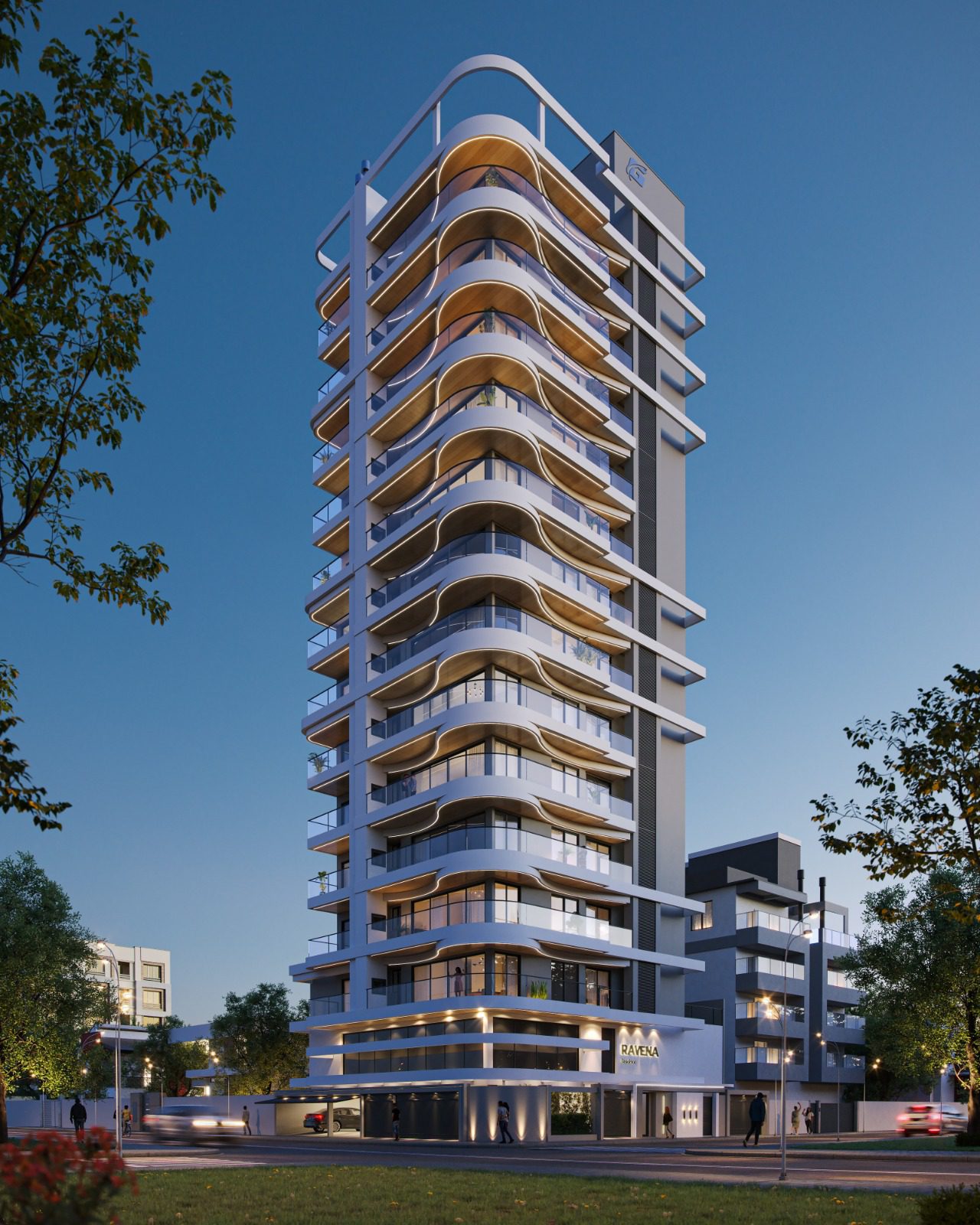


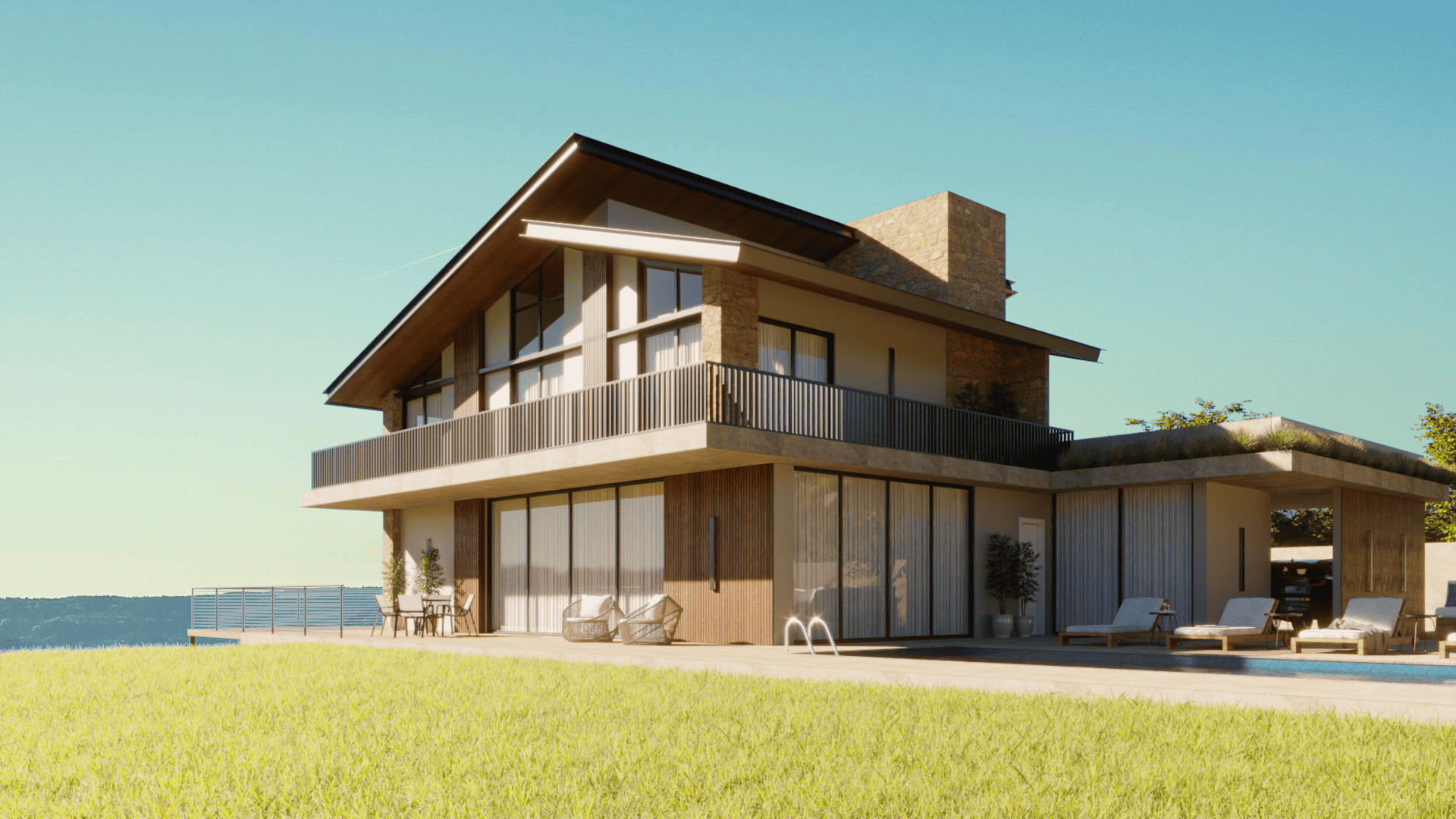


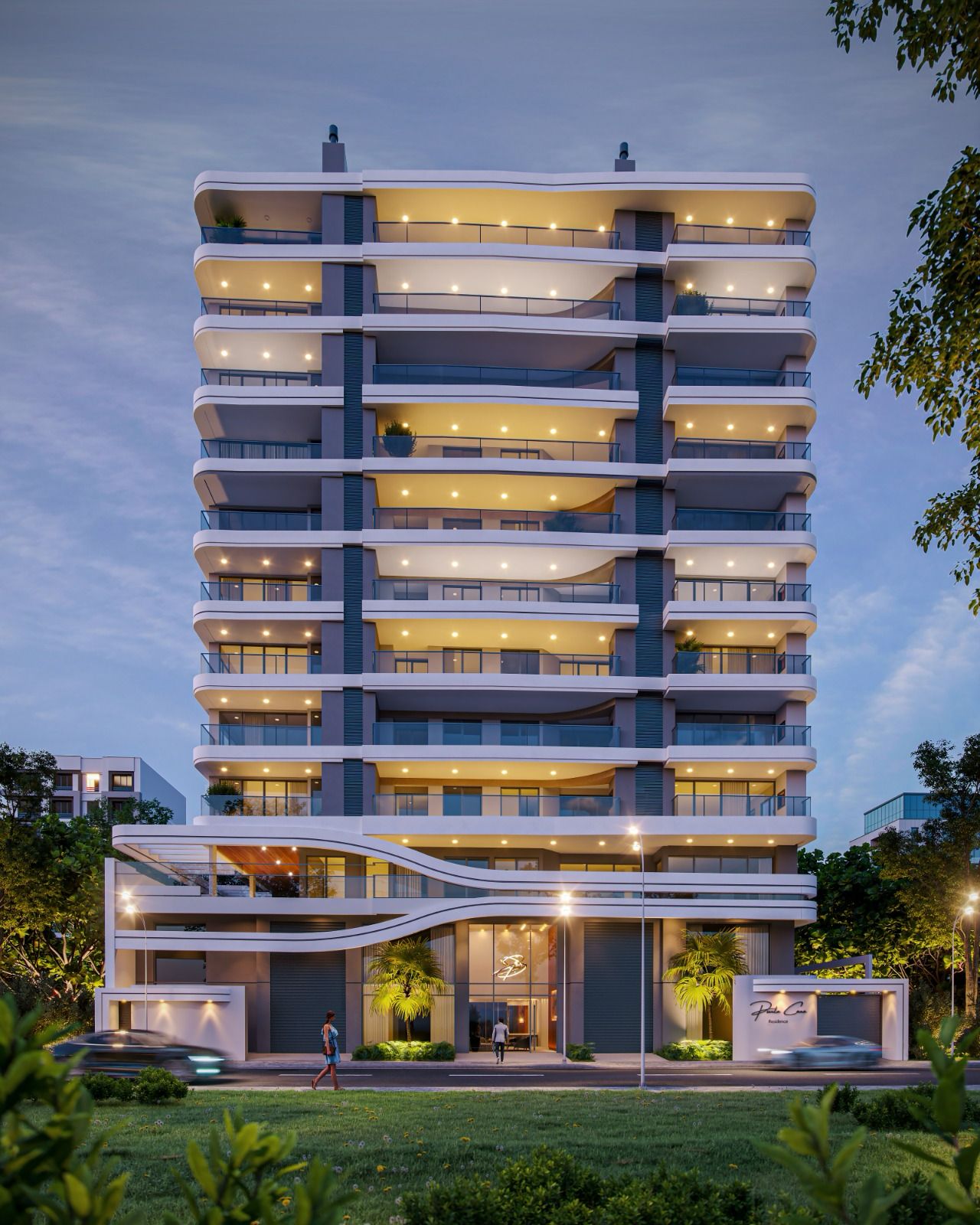
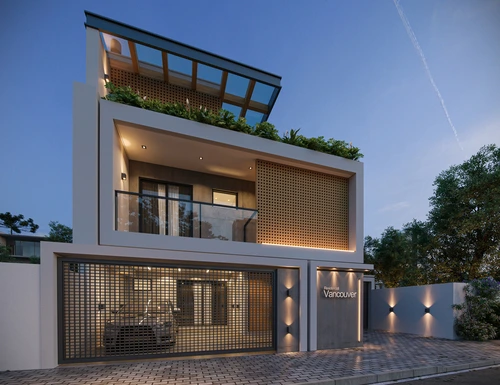
Architectural aesthetics explores the visual and emotional qualities of buildings and the spaces they create. This field of study is not limited to visual beauty alone, but also encompasses the sensory and emotional experience provided by architectural forms, materials, colors, lighting, and interaction with the surrounding environment. Understanding architectural aesthetics is essential for creating spaces that not only fulfill their practical function, but also inspire and move the people who use them.
Visual Qualities of Architecture
Form and Proportion
Form and proportion are fundamental elements of architectural aesthetics. The form of a structure can be simple or complex, geometric or organic, and must be appropriate to the building's purpose and the context in which it is situated. Proportion refers to the relationship between the different parts of a building and the whole, creating harmony and visual balance. Architects such as Le Corbusier and Palladio are famous for their precise use of mathematical proportions to create visually pleasing buildings.
Texture and Materiality
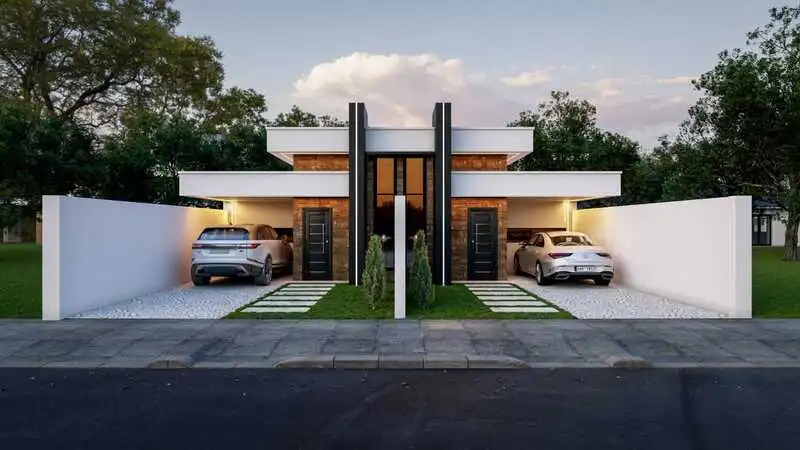
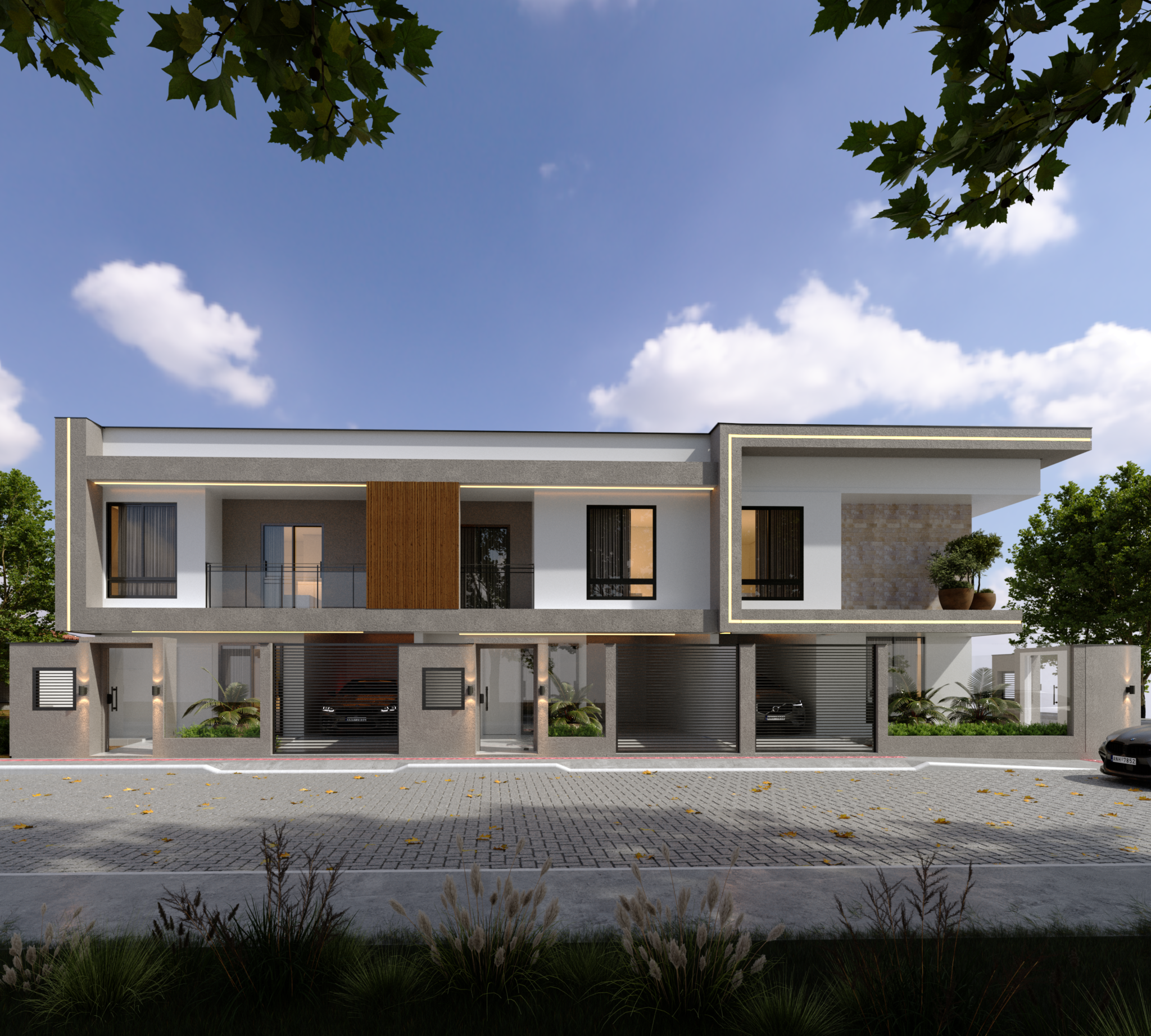
The texture and materials used in a building significantly influence its aesthetic appearance. Materials such as wood, concrete, glass, and steel have their own tactile and visual qualities that contribute to the perception of the building. The choice and combination of materials can evoke sensations of warmth, solidity, transparency, and modernity.
Emotional Qualities of Architecture
Memory and Identity
Buildings can evoke memories and create a sense of identity and belonging. Vernacular architecture, which uses local styles and materials, often resonates deeply with a community's cultural identity. Monuments and historic buildings also carry emotional significance, connecting the present to the past.
Space and Movement
The way spaces are organized and how people move through them affects the emotional experience. Wide, open spaces can convey freedom and grandeur, while confined and intimate spaces can evoke comfort and security. Spatial flow, or the sequence of spaces, is also crucial for creating architectural narratives that emotionally guide users.
Conclusion
Architectural aesthetics is a complex and rich combination of visual and emotional elements. Good architectural design should balance form and function, creating spaces that not only meet the practical needs of users, but also offer a sensory and emotionally rewarding experience.