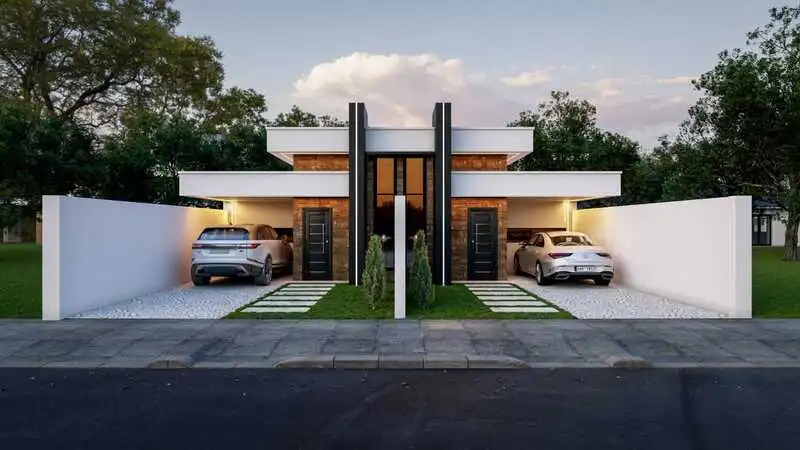
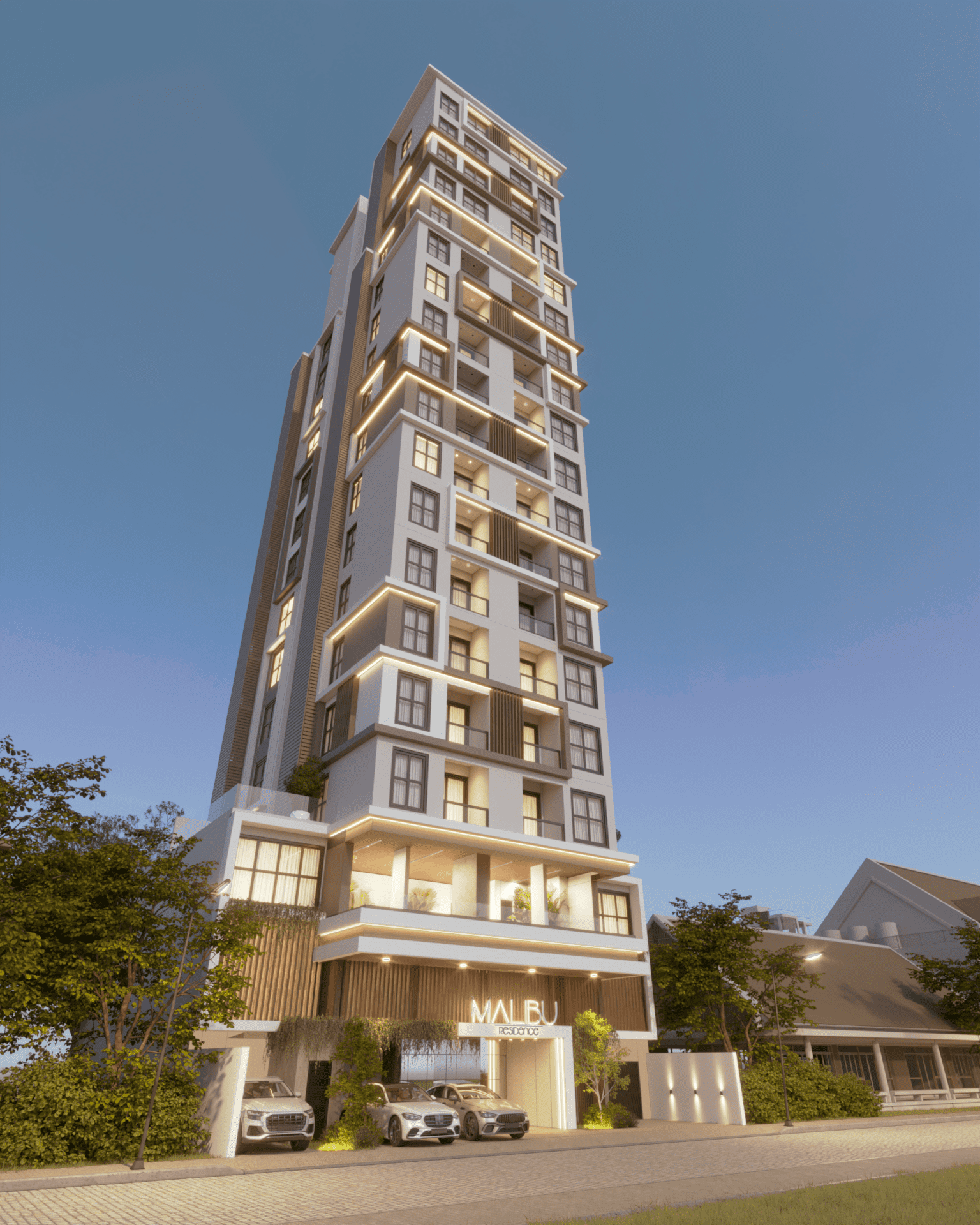
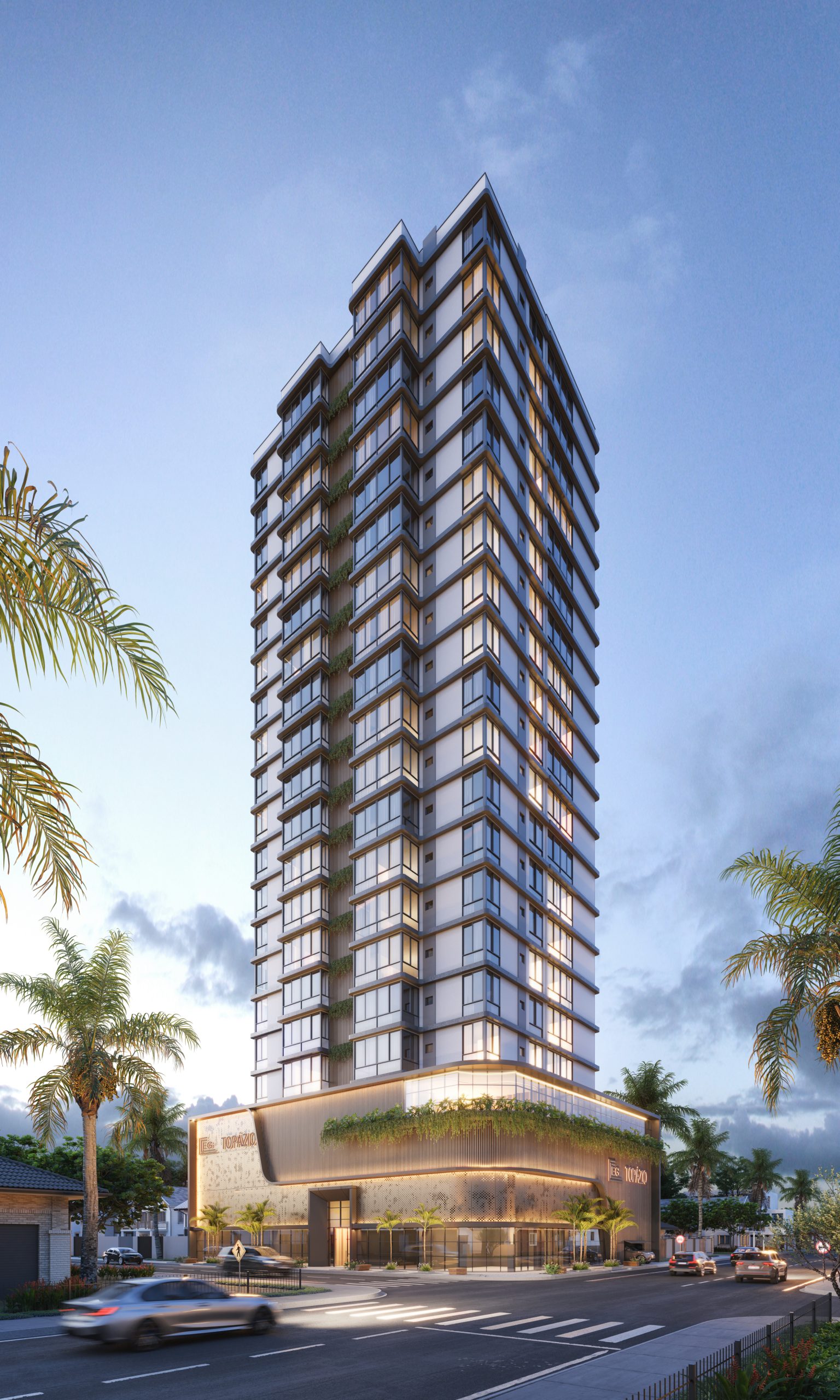
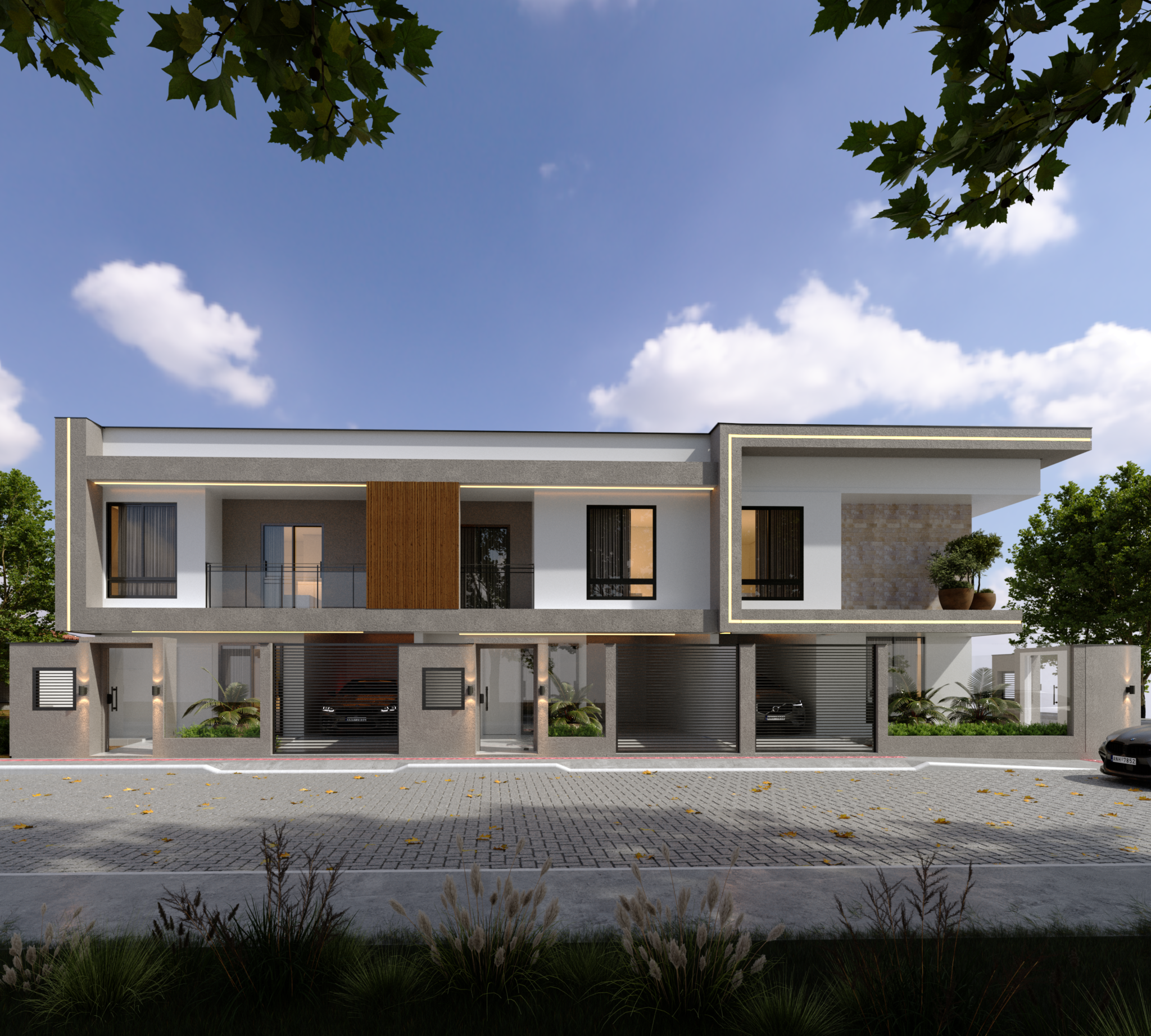
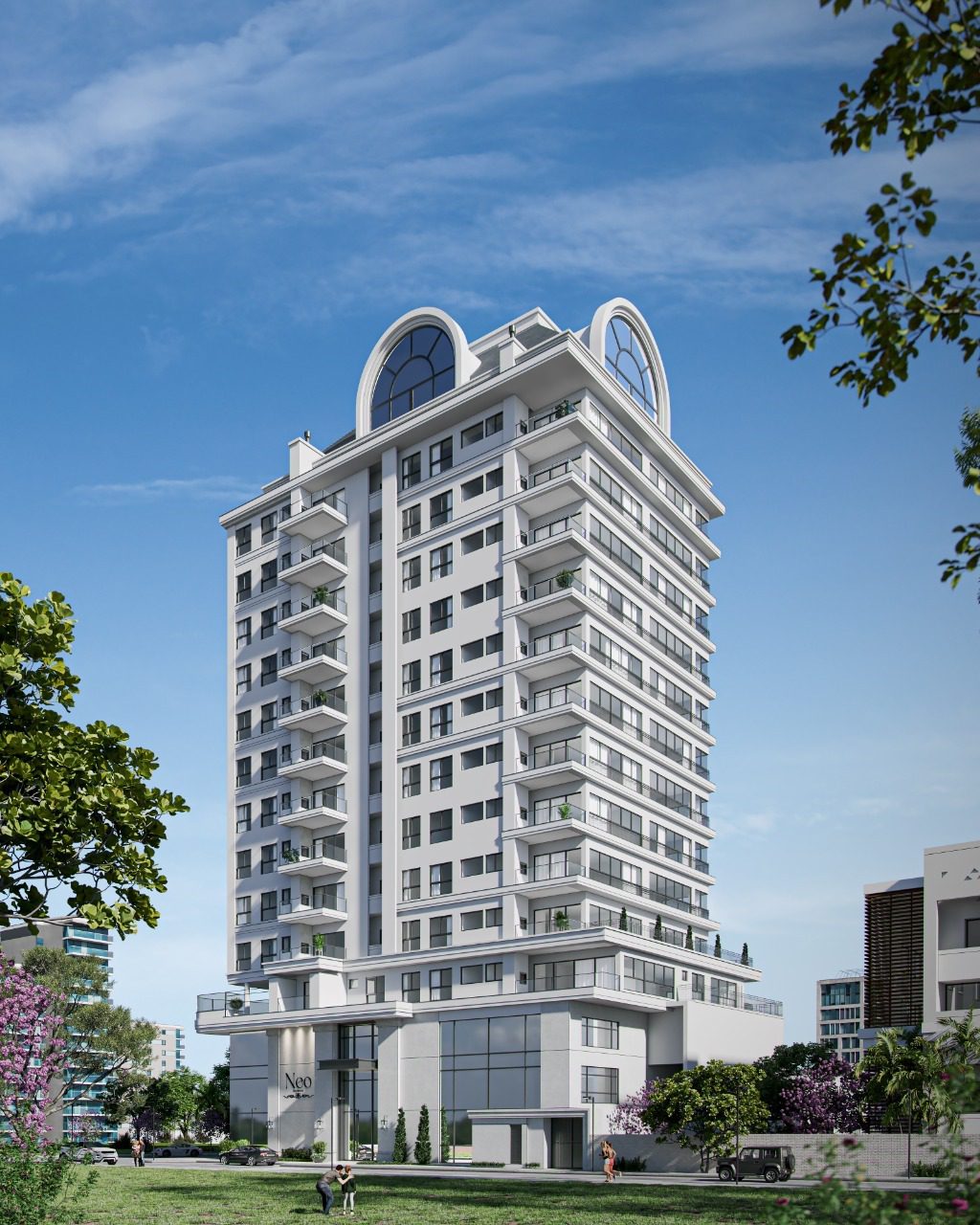
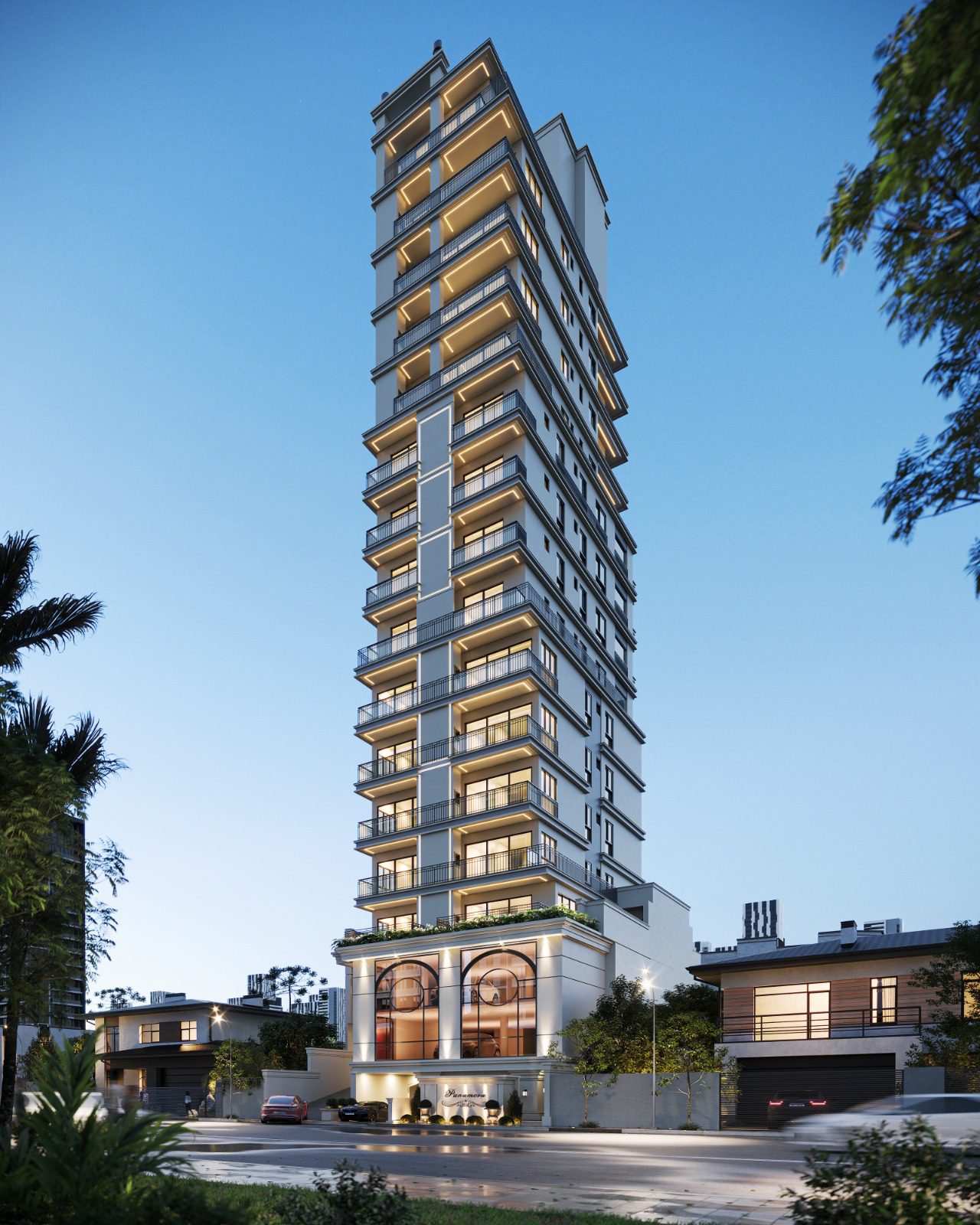
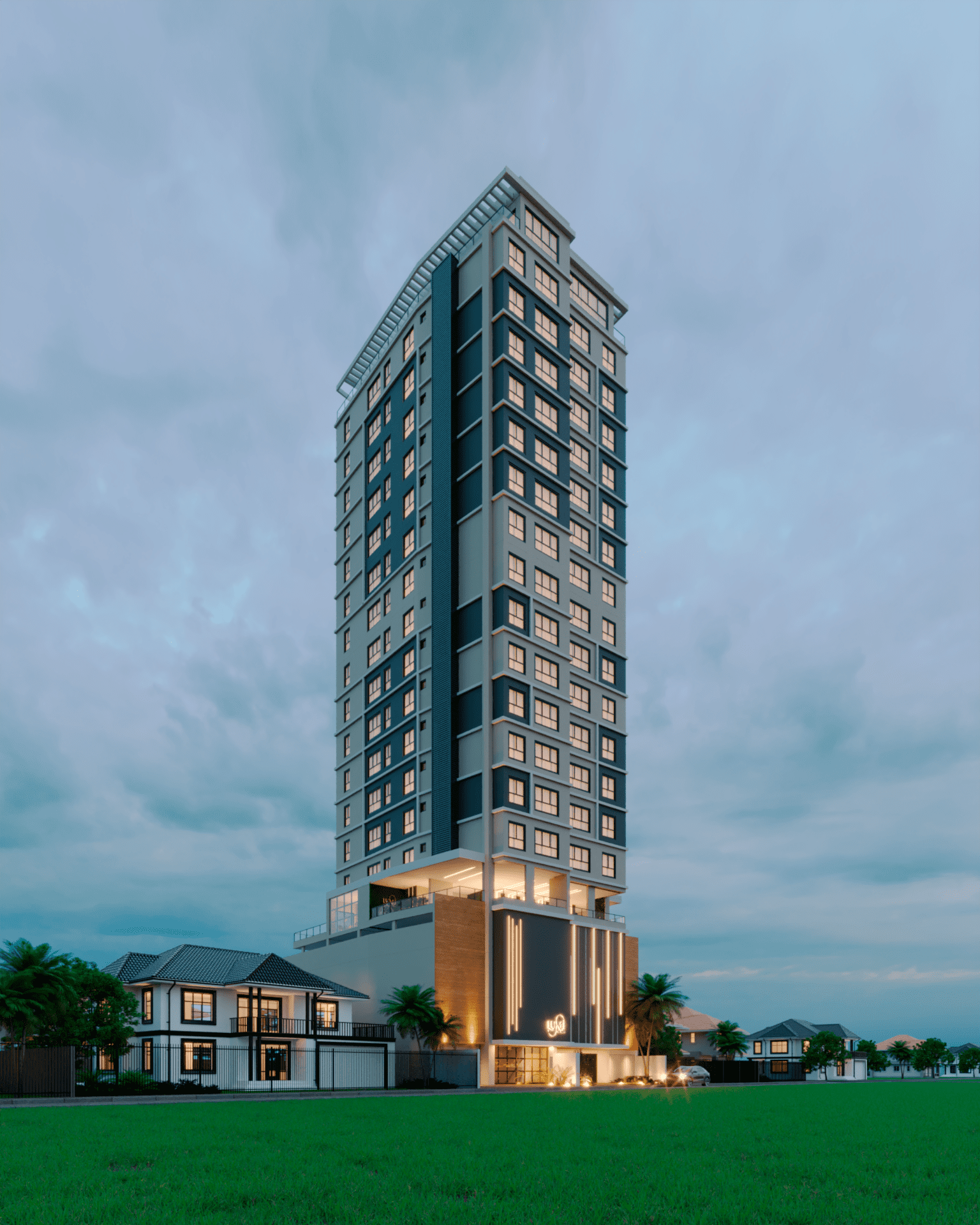
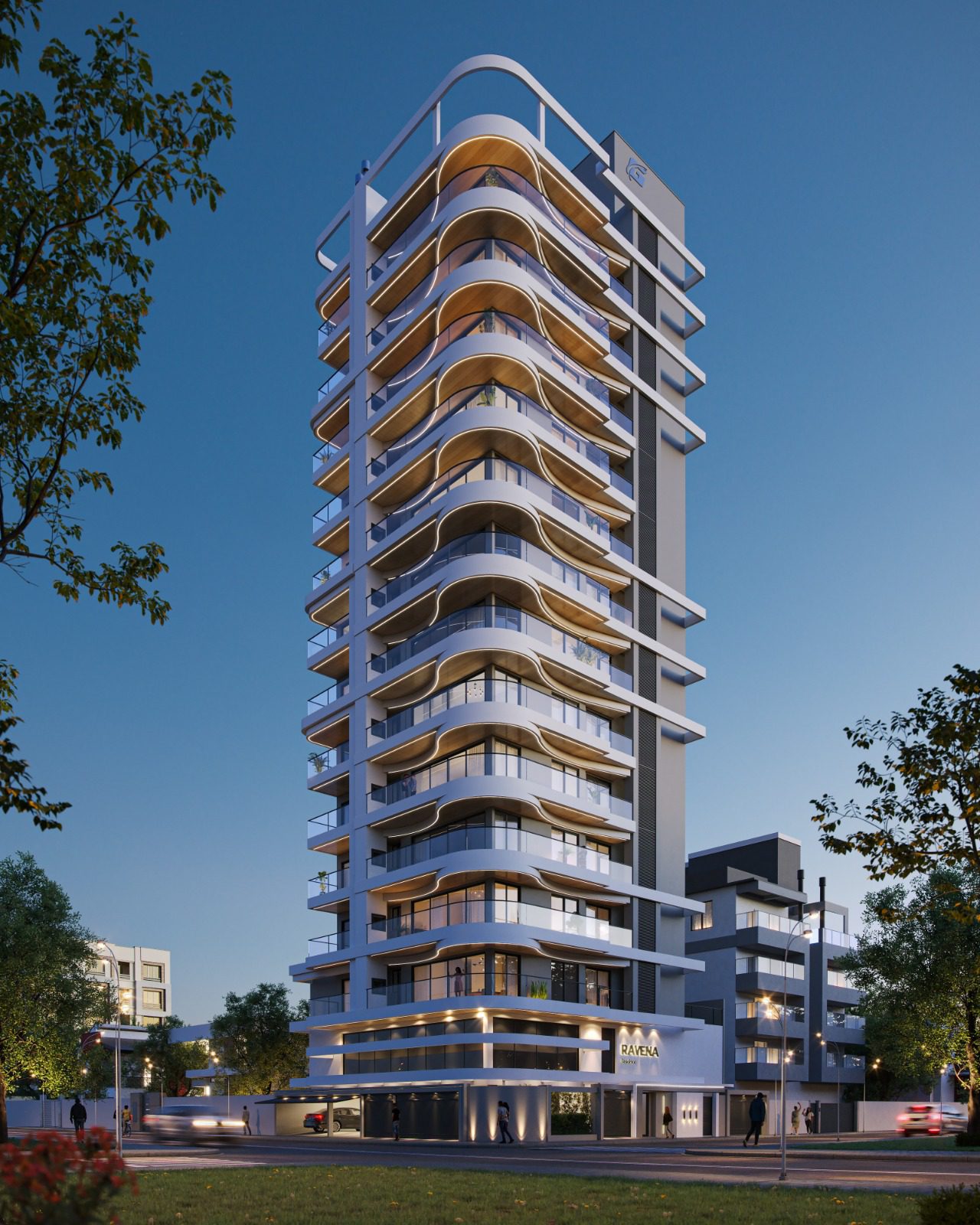
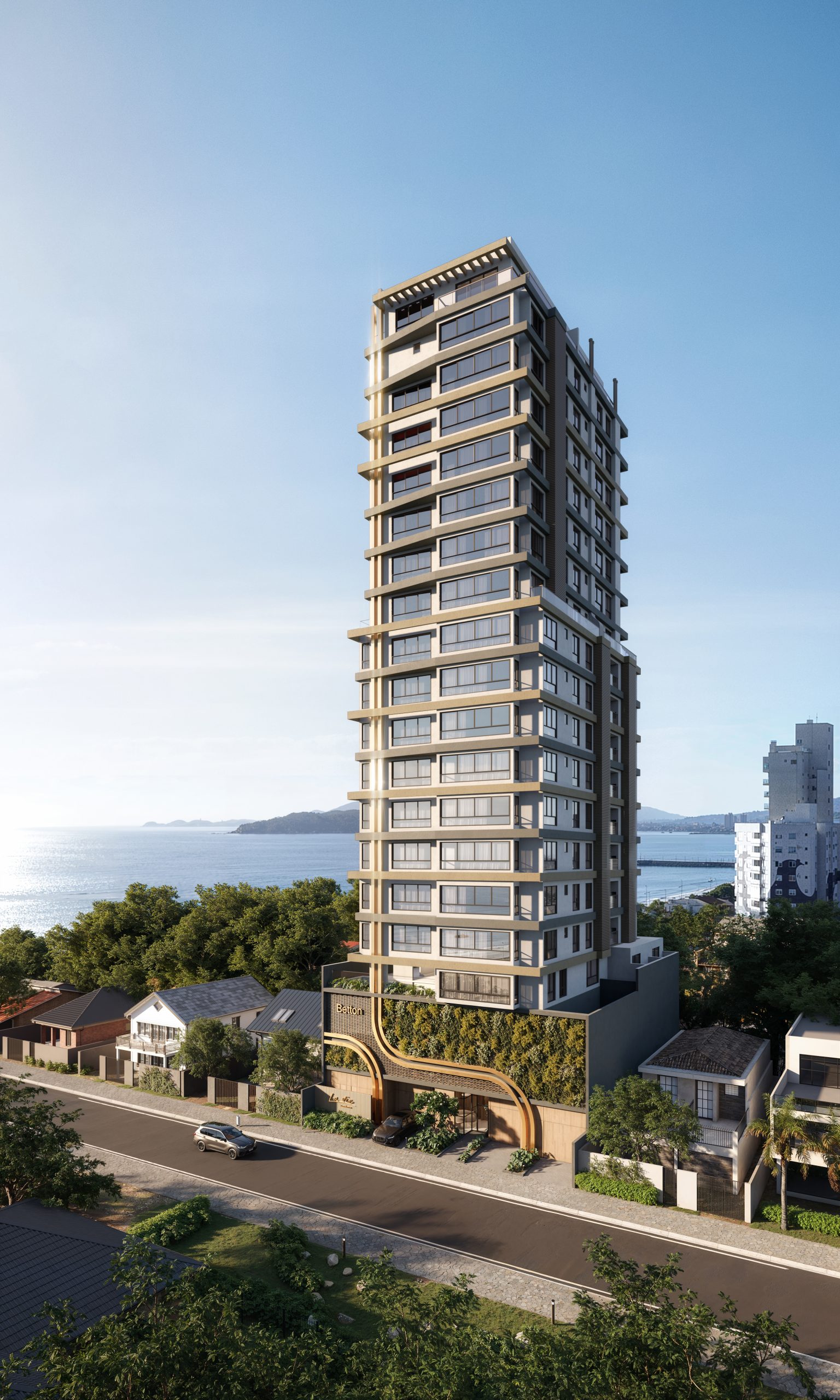
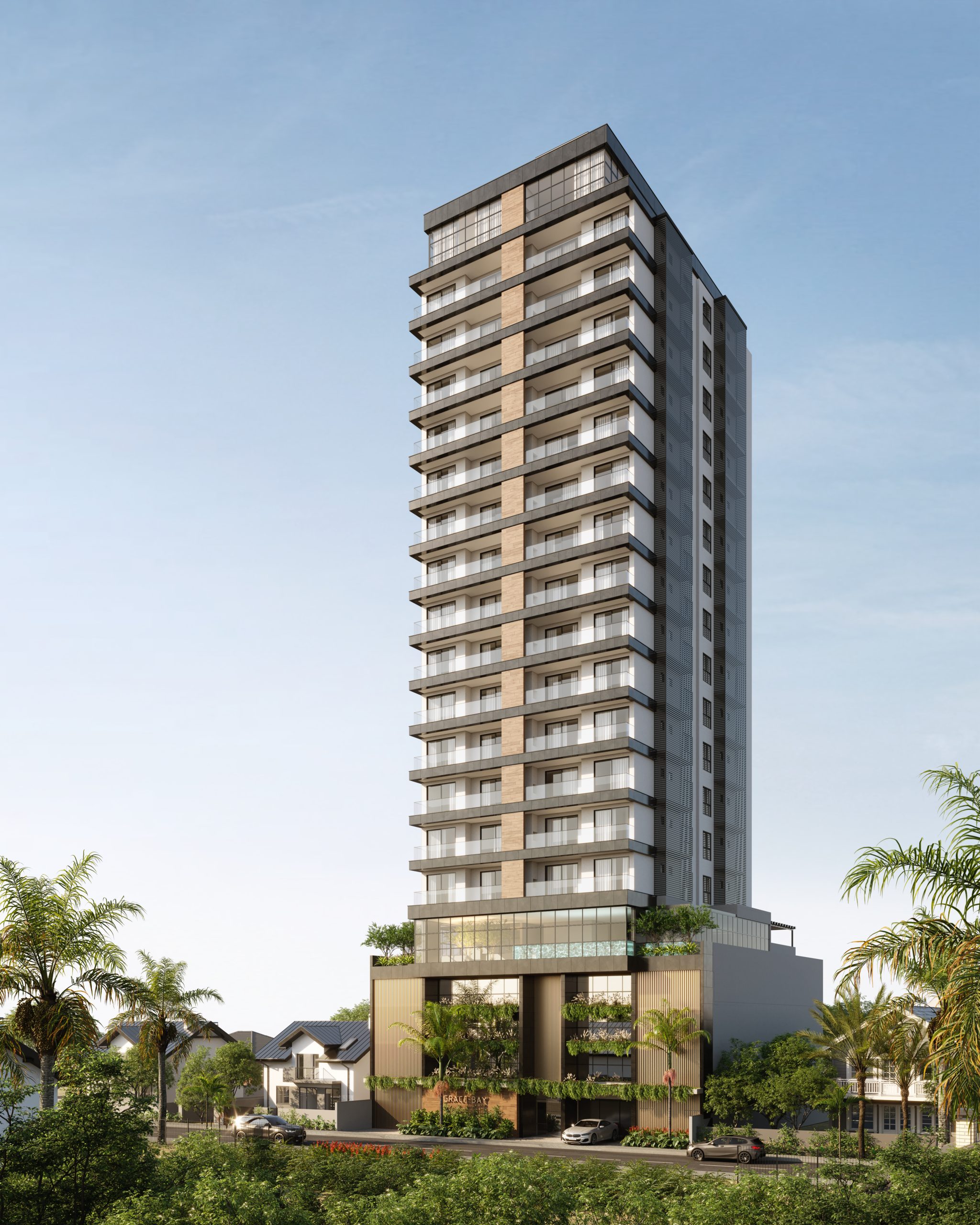
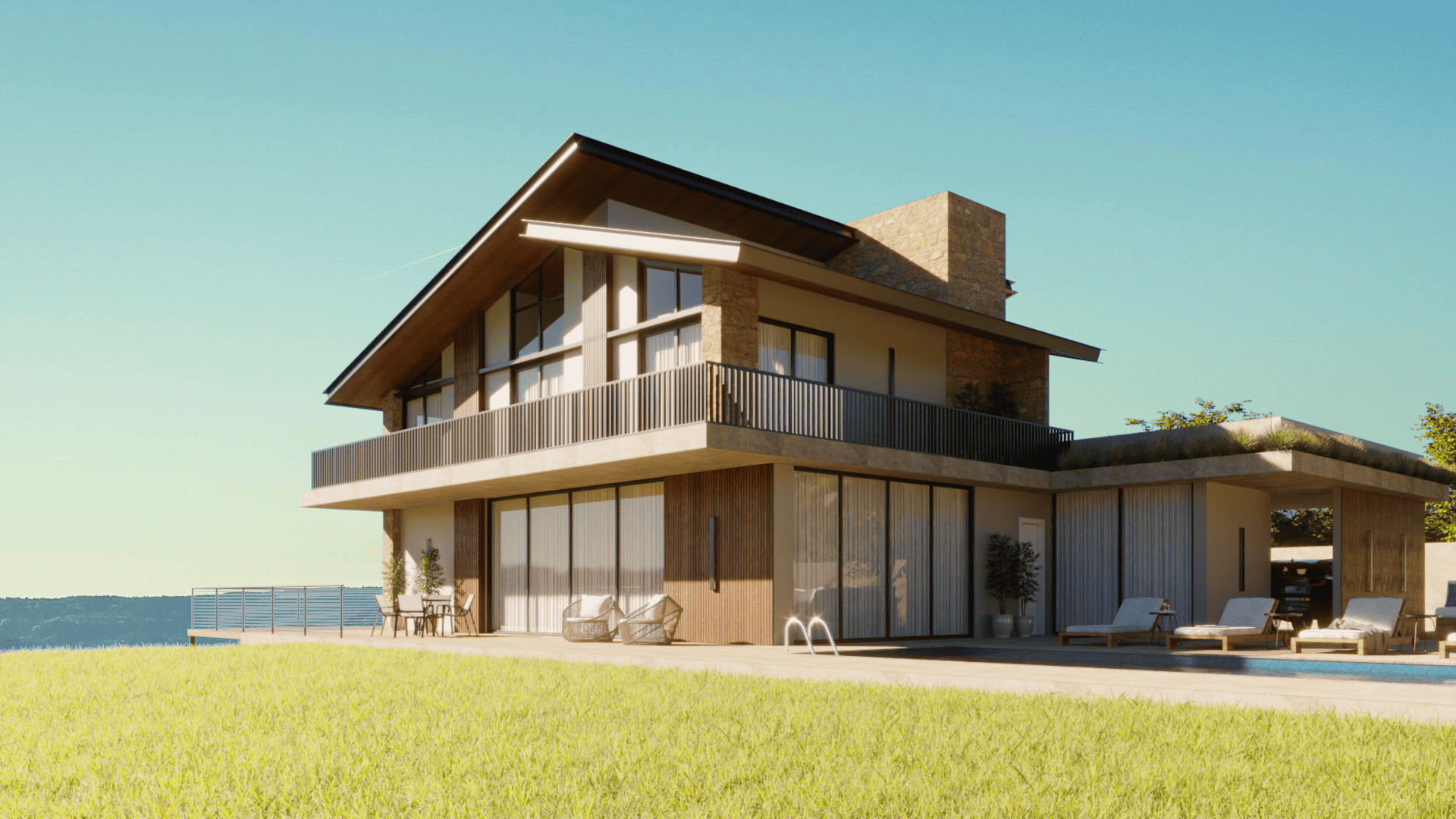
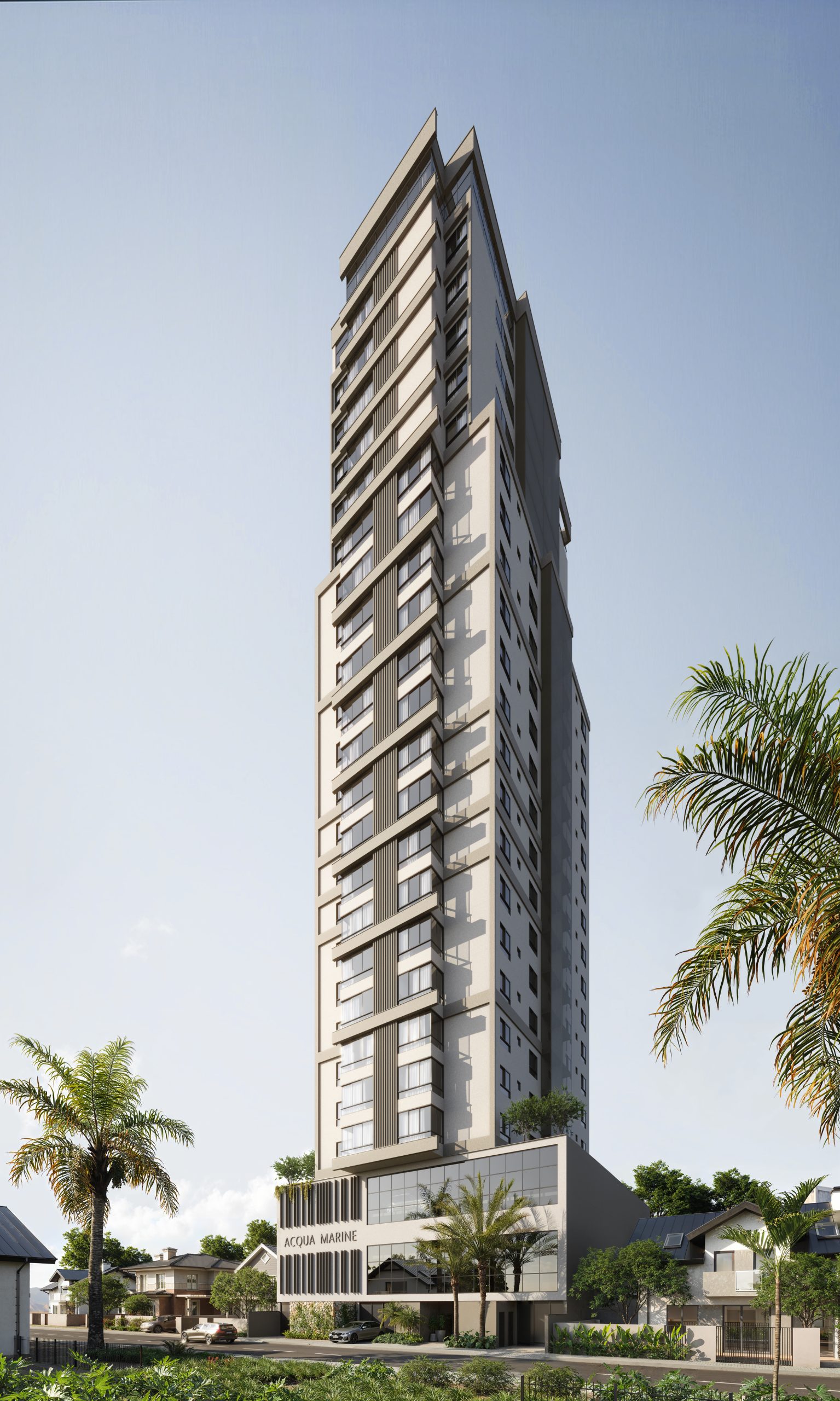
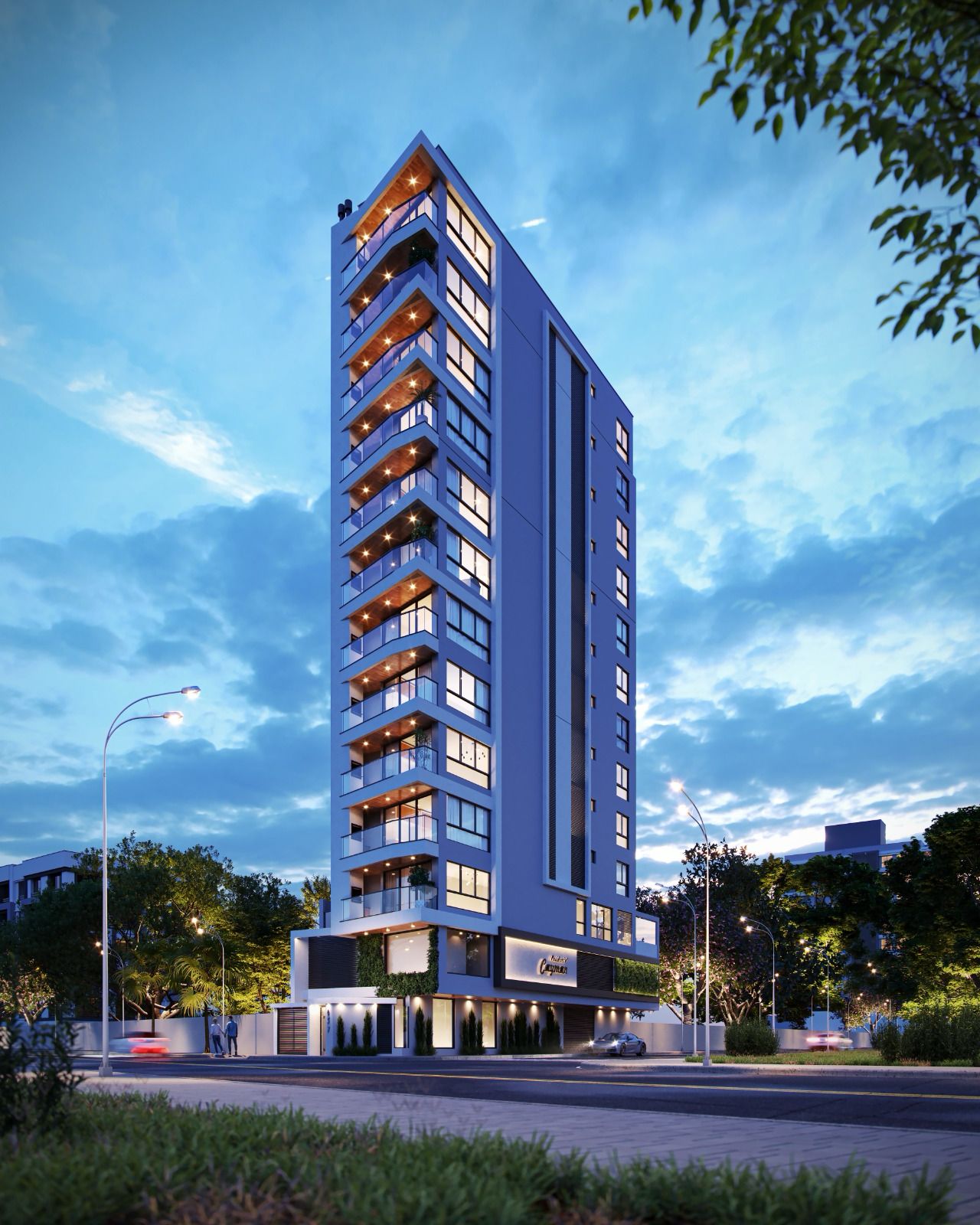
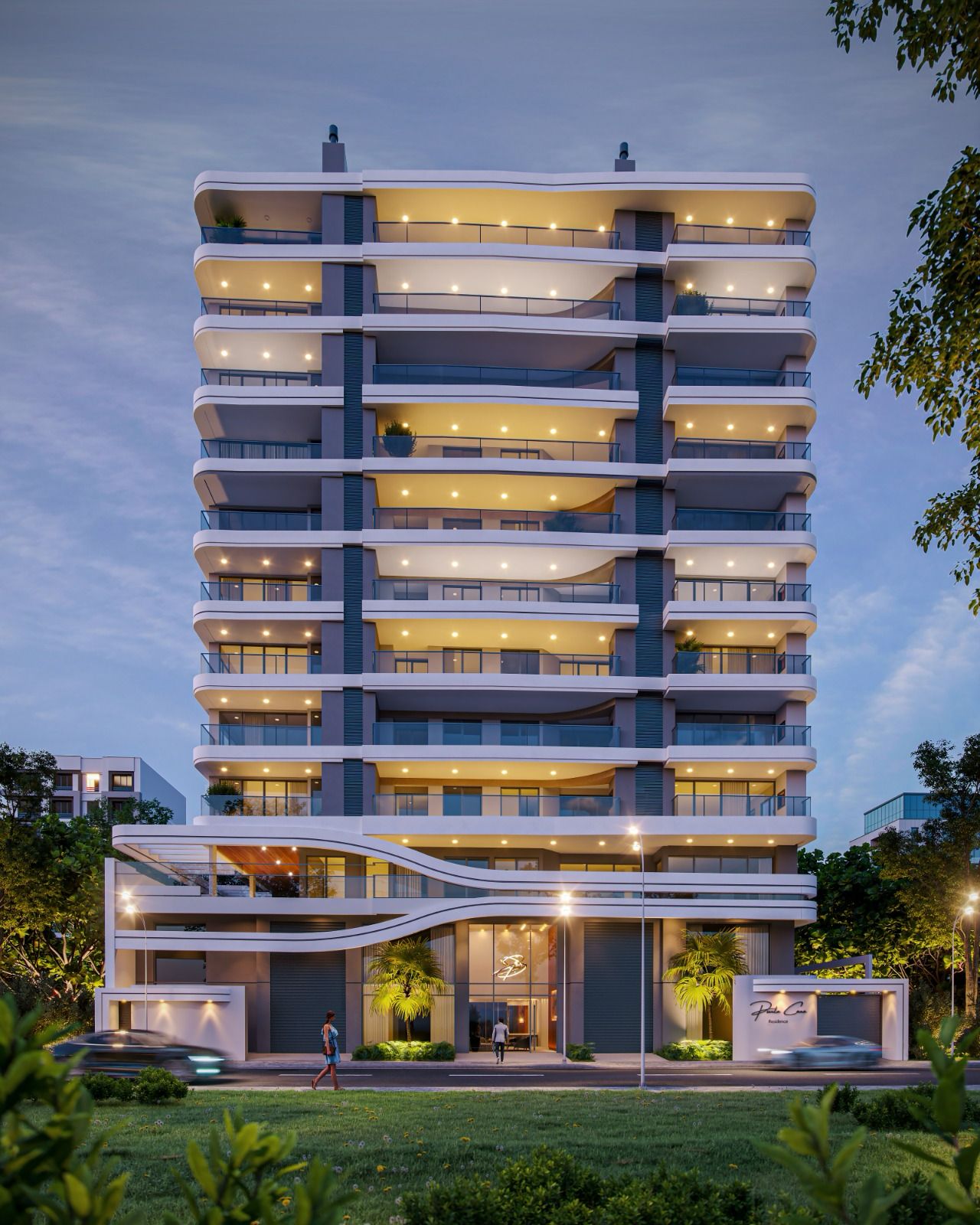
The challenge of metal structures on the beach.
Many people believe that building with metal on the coast is a mistake. However, modern engineering proves otherwise daily. In fact, the metal structures on the beach They offer unique aesthetic and functional benefits. Furthermore, the speed of assembly surpasses traditional methods. However, sea air represents a constant challenge for common steel. For example, the sodium chloride present in the air accelerates the oxidation process. In this sense, technical planning becomes the most important tool for the success of the project. Therefore, understanding the protection mechanisms is essential for any investor.
The effects of sea air and galvanic corrosion
The marine atmosphere is classified as a highly aggressive environment. Consequently, unprotected steel suffers structural damage in a short time. Similarly, constant humidity promotes rust formation. Furthermore, wind carries saline particles that penetrate minute crevices. To prevent collapse, the engineer must specify resistant materials. For example, the use of specific alloys can delay natural wear. Thus, site analysis determines the type of treatment needed. However, ignoring these factors results in high maintenance costs in the future.
Essential surface treatments
To ensure the longevity of metal structures on the beach, Surface treatment is mandatory. Firstly, hot-dip galvanizing stands out as the most efficient solution. In this process, the steel receives a layer of zinc that acts as anodic protection. Additionally, electrostatic painting offers an extra barrier against oxygen. Therefore, the metal remains isolated from external corrosive agents. On the other hand, surface preparation must be rigorous before any application. For example, abrasive blasting removes impurities that could compromise adhesion. Consequently, the paint system lasts much longer under harsh conditions.
Choice of materials: Stainless steel vs. carbon steel
There are different types of metals available in the construction market. Stainless steel, in particular, is a favorite for areas with direct contact with water. For example, 316 stainless steel contains molybdenum, which increases its resistance to chlorides. However, the cost of this material is significantly higher. For this reason, galvanized carbon steel remains the most common choice for large structures. Thus, a balance between budget and durability is achieved through a well-designed project. Furthermore, combining different materials requires attention to galvanic corrosion. In this case, plastic or rubber insulators prevent direct contact between different metals.
Preventive maintenance on the coast
Even with the best protection, maintenance cannot be neglected. In fact, periodic inspection identifies oxidation points before they become critical. For example, a simple wash with fresh water removes excess accumulated salt. Furthermore, paint touch-ups should be done as soon as small cracks appear. To facilitate this work, the structural design should allow easy access to all parts. Therefore, a smart design already includes an annual maintenance plan. Consequently, the property's value is preserved for decades without the need for heavy structural renovations.
The importance of specialized structural design.
Building on the coast requires technical knowledge that goes beyond the basics. In fact, wind calculations in beach areas are often more complex than in urban areas. In this sense, the structural engineer evaluates not only the load but also the aerodynamics of the construction. Furthermore, the detailed connections prevent the accumulation of water and debris. Therefore, each bolt and weld receives special attention in the technical design. For example, the use of stainless steel bolts in carbon steel structures is a recommended practice to avoid point failures. Above all, the safety of the users depends on the accuracy of these calculations.
Long-term economic advantages
Although the initial investment in protection is higher, the financial return is guaranteed. After all, a well-protected metal structure does not require frequent replacements. Furthermore, the appreciation of properties with modern metal design is increasing in the current market. Therefore, opting for technical quality reduces the total cost of ownership over the years. For example, the speed of construction allows for the use or rental of the property much sooner. In this way, the efficiency of metal construction compensates for the climatic challenges of coastal areas. Finally, the sustainability of steel, which is 100% recyclable, adds ecological value to the project.
To ensure your project withstands the test of time and sea air with maximum safety and technical efficiency, you need specialized professional supervision in coastal regions. If you want to create a top-quality project and avoid future corrosion problems, access here And speak to our experts right now.