




Lighting: Essential Tips for Designing High-Quality Artificial Lighting Systems
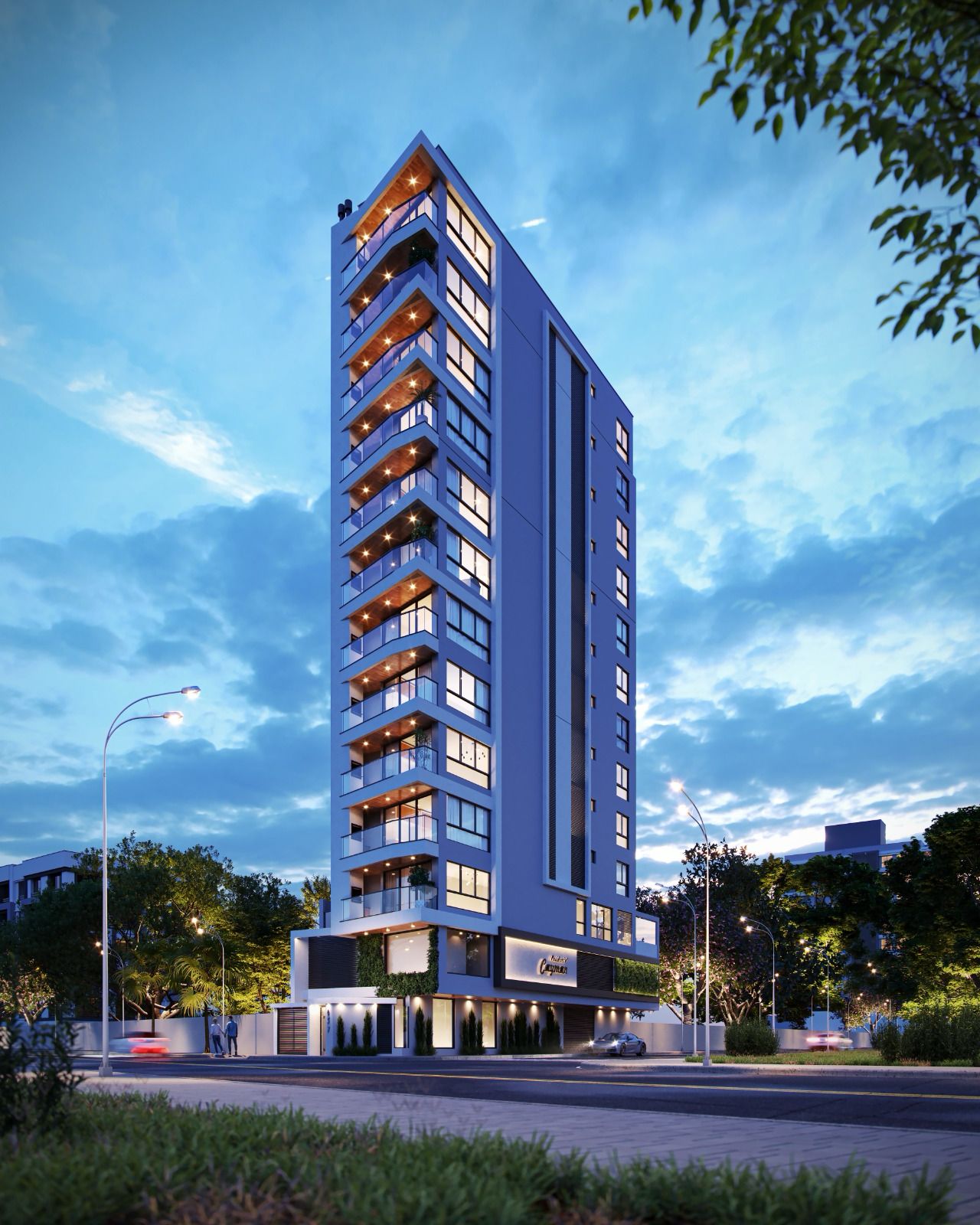
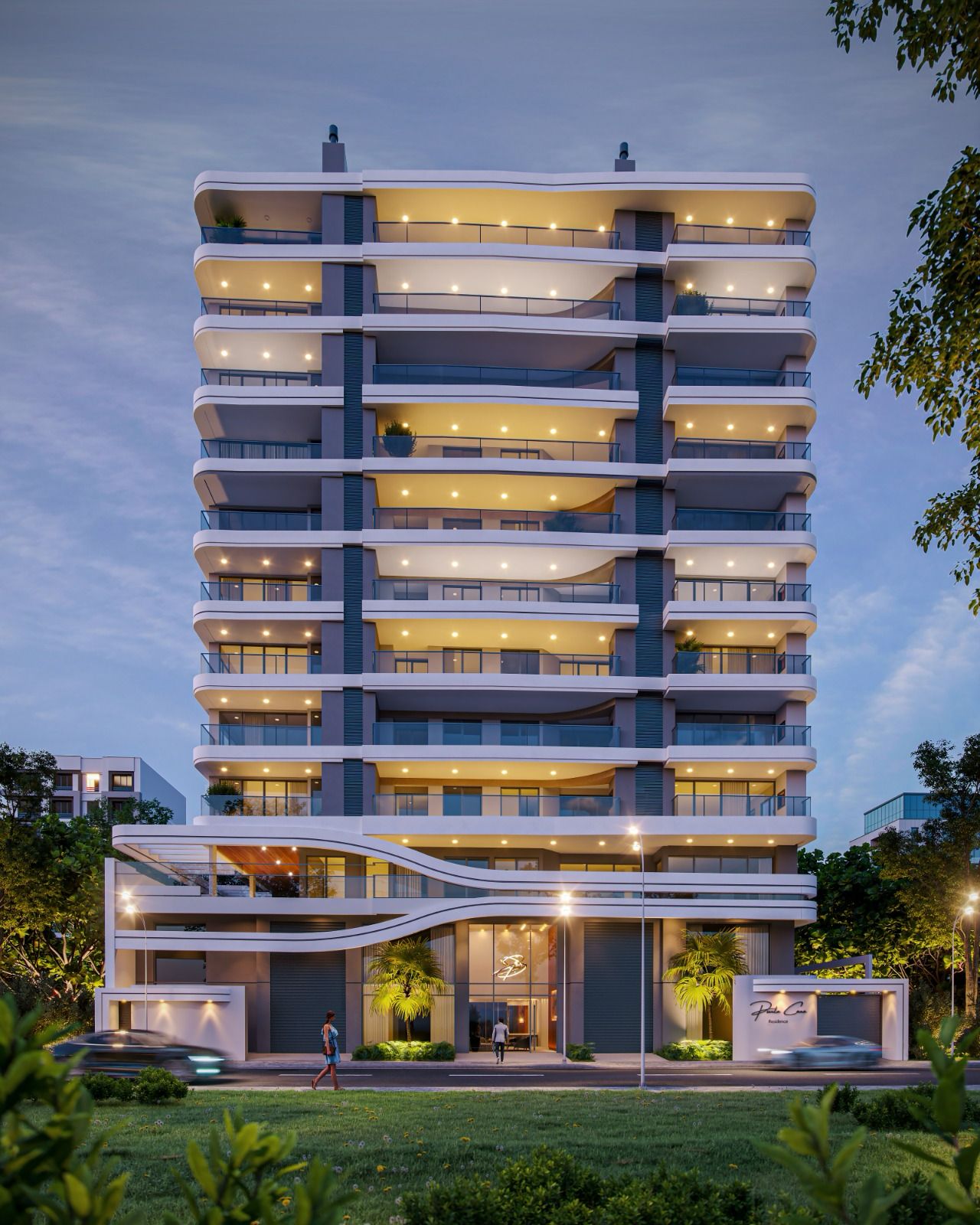
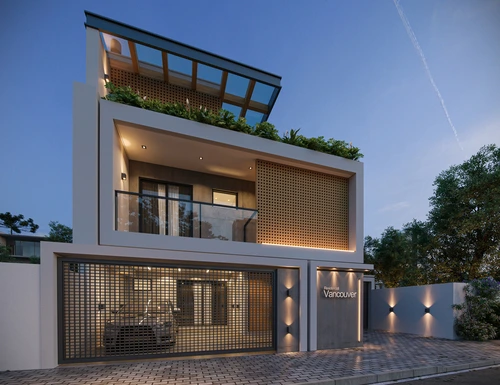
Lighting is a fundamental aspect of any interior design or architectural project. The way we design our artificial lighting systems can make all the difference in the final result of a space. In this article, we will explore essential tips for creating high-quality lighting systems that highlight the beauty and functionality of spaces.
Understanding the Needs of Space
Before we begin designing the lighting system, it's crucial to understand the specific needs of the space. Each environment has its own peculiarities and distinct purposes, requiring different levels of illumination. Consider the function of the space, the amount of natural light available, and the activities that will be carried out there.
Choosing the Right Light Fixtures
Choosing the right light fixtures is certainly essential for achieving efficient and aesthetically pleasing lighting. Opt for fixtures that complement the style of the room and provide the necessary amount of light. LED fixtures are an excellent option due to their energy efficiency and variety of color temperature options.
Layered Lighting
An effective approach to designing lighting systems is to work with lighting for athletes. This involves combining different light sources to create diverse effects and meet the various needs of the environment. We can use general lighting, task lighting, and accent lighting to achieve a perfect balance.
Using Dimmers
Dimmers are devices that allow you to control the intensity of interior light from light fixtures. They are an excellent addition to any lighting system, as they allow you to adjust the atmosphere of the space as needed. In addition, dimmers also help save energy.
Focus on Energy Efficiency
In times of concern for sustainability, it is crucial to prioritize energy efficiency in our lighting projects. Opt for energy-efficient light fixtures and explore solutions that utilize renewable energy sources, such as solar power.
Highlighting Design Elements
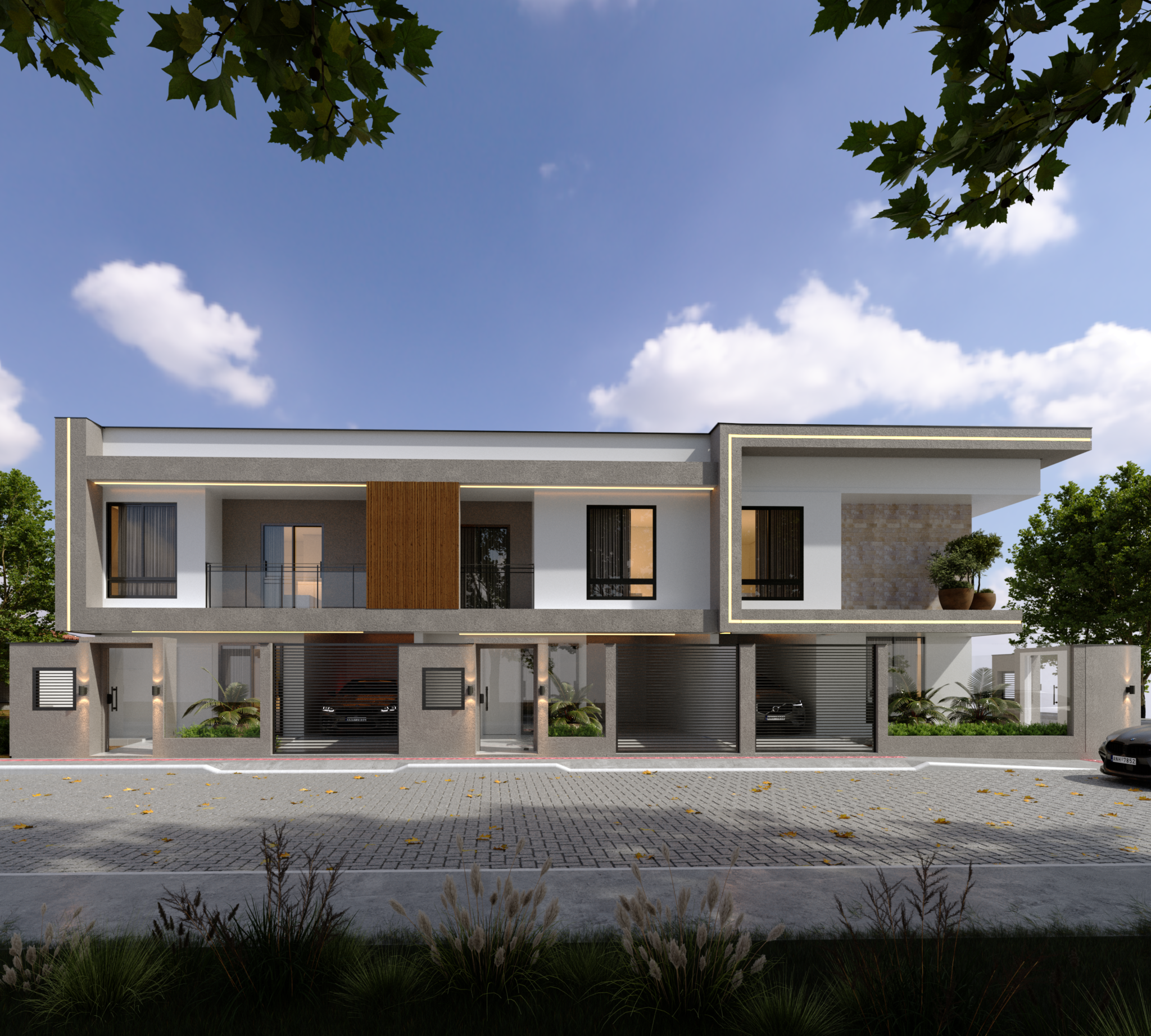
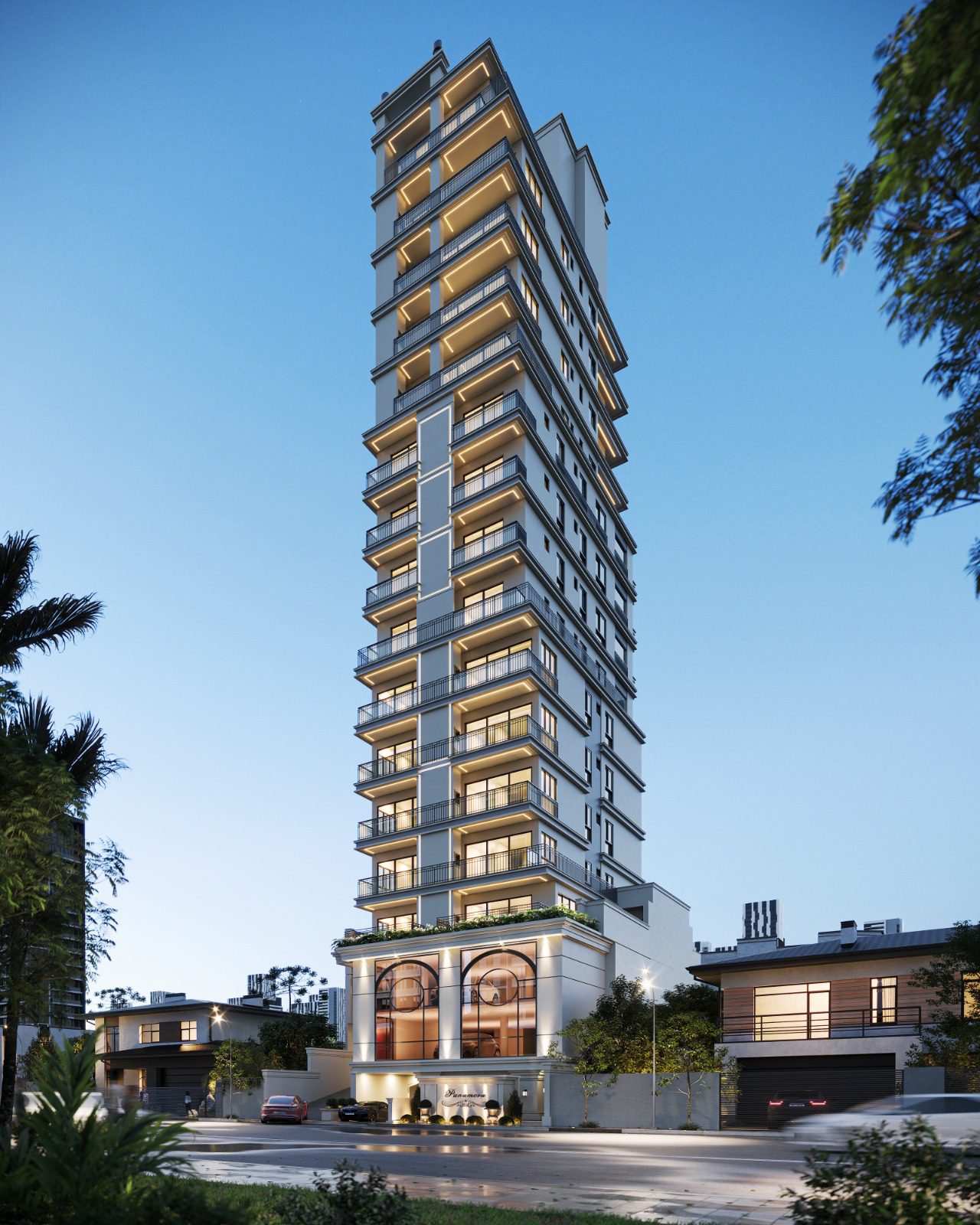
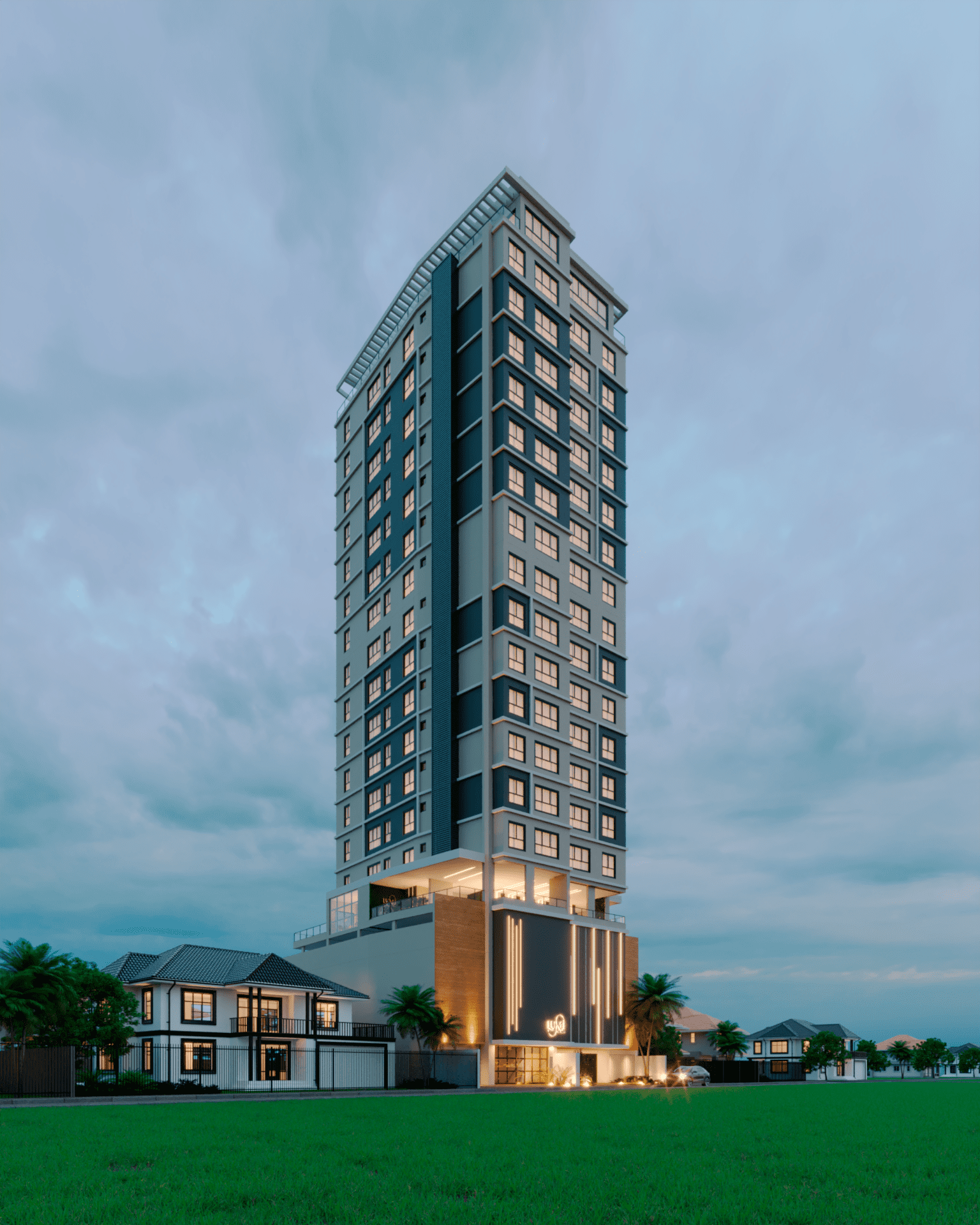
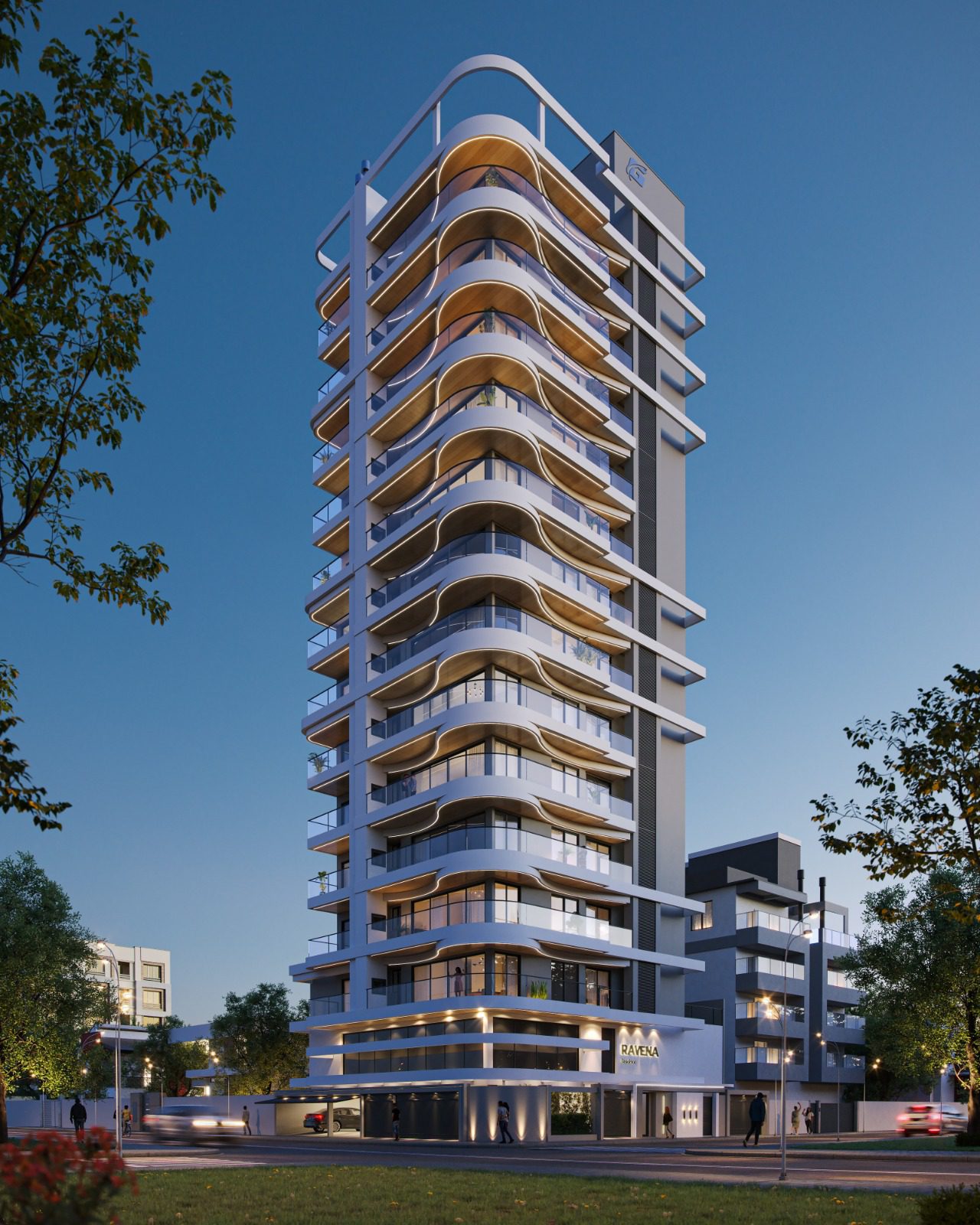
Lighting can be a powerful ally in enhancing design and decorative elements. Use it strategically to highlight works of art, textured walls, plants, and other elements that deserve prominence in the space.
Avoiding Glare
Glare is a common problem in poorly designed lighting systems. Be sure to position light fixtures so that they do not cause visual discomfort or impair visibility. The use of diffusers and light directors can help prevent this problem.
Test and Adjust
After installing the lighting system, it is essential to perform tests and adjustments to ensure that the result meets expectations. Pay attention to areas with unwanted shadows, intense light sources, or any other problems that may arise.
Designing high-quality artificial lighting systems requires meticulous attention to detail and a deep understanding of the space's needs. By following the helpful tips in this article, you'll be well on your way to creating well-lit, self-contained, and visually stunning environments. Avoid situations where light sources become too intense or any other problems may arise.