

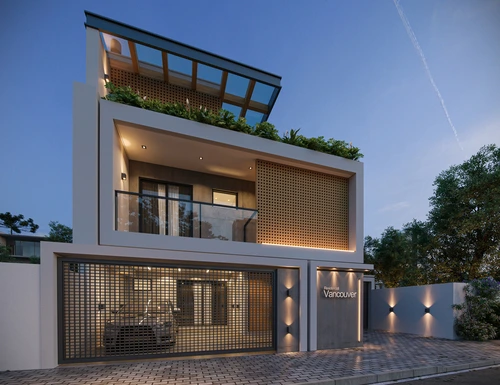
The Future of Mobility in Modern Condominiums
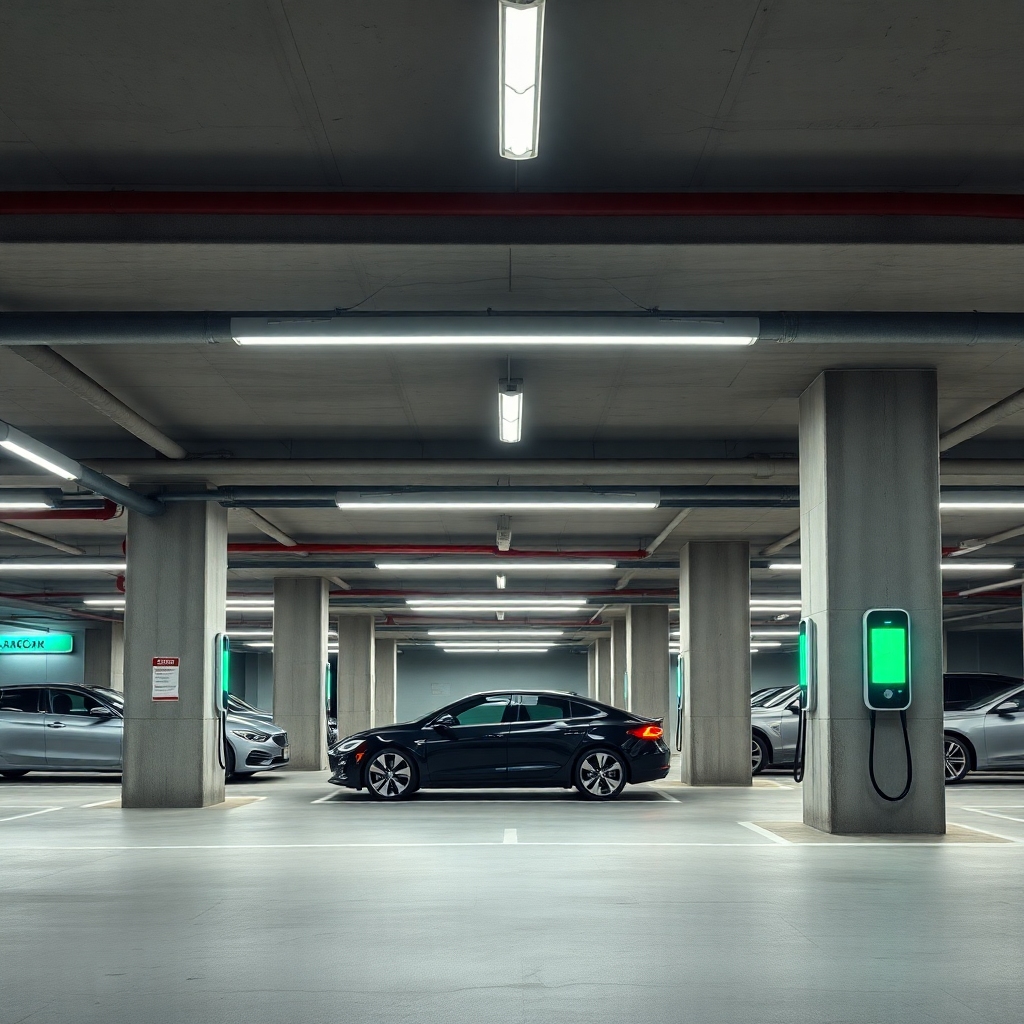
Urban mobility has changed rapidly. Furthermore, the demand for charging stations in condominiums has grown exponentially. Therefore, preparing the electrical infrastructure has become an essential competitive advantage for new buildings. In this way, buildings prepared for the future increase the value of the condominium owners' assets.
Technical Sizing and Infrastructure
First, the project requires a thorough study of the existing load. To avoid overloads, WGB Arquitetura analyzes the transformer's technical reserve. In addition, we use conduits sized for future expansions. However, it is necessary to consider the topology of the local network. For example, in projects near the iconic [location/location - context needed]. Vila Germânica Park, In Blumenau, we perform precise integrations with local distribution networks to ensure operational stability.
Standards and Safety in Facilities
Electrical safety demands absolute technical rigor. For this reason, we strictly adhere to the standard. ABNT NBR 17019, This establishes specific requirements for low-voltage installations intended for charging electric vehicles. In this way, we prevent the risks of short circuits and overheating in the building's internal systems. Therefore, each charging point is designed with individual protection and highly sensitive residual current devices (RCDs).
Load Management and Efficiency
Many condominiums fear the excessive cost of their energy bills. However, smart management solutions allow for dynamic load balancing. Consequently, the system distributes energy equitably among connected vehicles. Furthermore, this technology avoids the need for a disproportionate increase in the contracted demand from the utility company. Thus, the condominium achieves operational efficiency with controlled costs.
Property Appreciation
Additionally, buildings with dedicated infrastructure attract discerning investors. Since the energy transition is irreversible, condominiums that fail to adapt lose market share. For example, a modern project should include cable trays and space for dedicated metering panels. Therefore, investing in infrastructure now drastically reduces the costs of future adaptations. After all, carrying out structural renovations after the building is delivered is significantly more expensive and complex.
Conclusion
The transition to a smart condominium requires technical expertise and market vision. We want to bring this innovation to projects that are redefining the... Blumenau scenery through engineering solutions that combine efficiency, safety, and consistent property appreciation.