
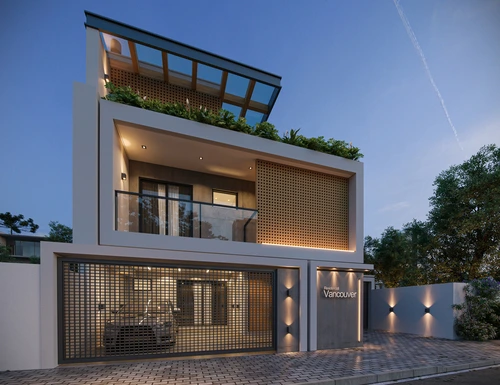
A building inspection is a detailed technical assessment that, first of all, Its purpose is to prevent structural collapses, serious accidents, and high costs associated with emergency repairs. For this reason, It represents an essential investment in security, durability, and peace of mind. Furthermore, Many problems remain hidden until they reach critical stages.
In this regard, Building inspection consists of a systematic assessment of the building's state of conservation. I.e, analyzes structures, systems and facilities, verifying safety, functionality and regulatory compliance. Differently Instead of a simple inspection, it is carried out by qualified professionals and results in a detailed technical report.
Objectives of Building Inspection
- Firstly, To assess the overall condition of the building;
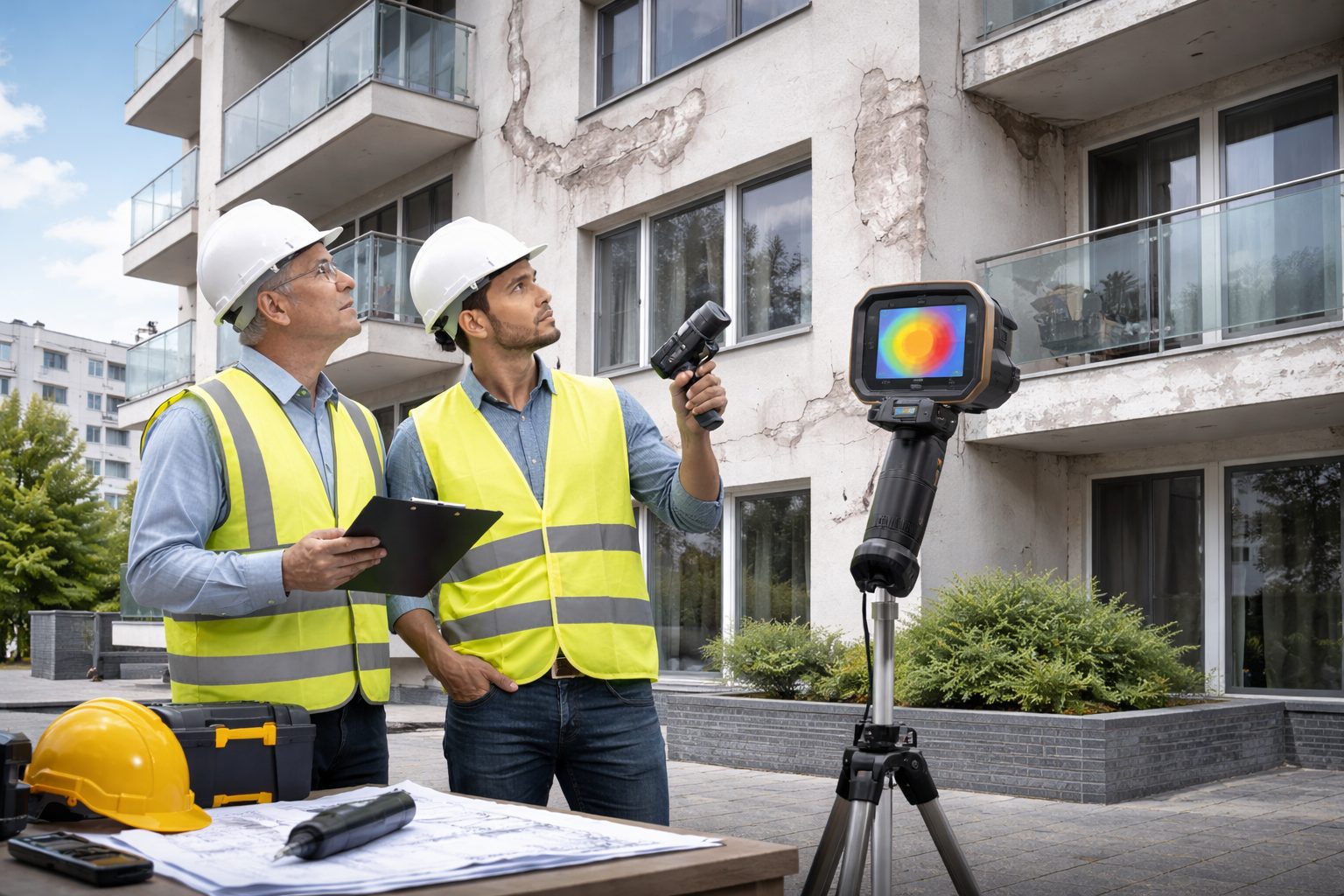
- Right away, identify pathologies such as leaks, cracks and corrosion;
- Furthermore, verify compliance with technical standards;
- Consequently, plan preventive maintenance;
- Finally, to increase the lifespan and enhance the value of the asset.
Technical Standard – NBR 16747
NBR 16747 establishes clear criteria for building inspection. Therefore, Therefore, all professional inspections must strictly adhere to this rule. Furthermore, The standard integrates with NBR 5674 and NBR 14037, ensuring consistency between inspection, maintenance, and use of the building.
When to Perform the Inspection
The frequency varies depending on the age and use of the property. Generally speaking, Visual inspections are recommended every two years. Nonetheless, Buildings that are more than 20 years old must undergo annual inspections. In critical situations, The inspection must be immediate.
Stages of a Building Inspection
Initially, The documentary collection takes place.
Later, The medical history is taken with building managers and users.
Finally, A technical visual inspection is performed using specialized equipment.
Like this, This ensures a reliable diagnosis.
Most Common Pathologies
- Mainly, infiltrations and leaks;
- Often, fissures, cracks and splits;
- Furthermore, detachment of coatings;
- Consequently, the appearance of moisture, mold, and problems with window and door frames.
Levels of Urgency
The standard classifies recommendations into immediate, high, medium, and low priority. That way, Interventions are organized according to the safety risk.
Preventive vs. Corrective Maintenance
Preventive maintenance is planned and performed periodically. Like this, It reduces costs and increases lifespan.
Corrective maintenance, on the other hand, occurs after a failure has occurred. On the other hand, It has a high cost and greater risk.
In summary, Prevention is always more economical.
Conclusion
Building inspection is not a cost., but yes a strategic investment. Therefore, Neglecting it increases technical and financial risks. In contrast, Well-inspected and maintained buildings can last up to 50% more.
Consequently, Therefore, adopting a periodic building inspection program is essential for the safety, cost savings, and longevity of the building.