

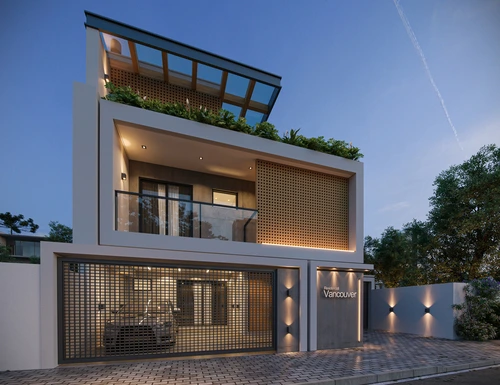
Nowadays, the pursuit of sustainability and energy efficiency has become a priority in various areas, especially in civil construction. Buildings, whether commercial or residential, are large consumers of energy, and energy optimization not only reduces operating costs but also contributes to environmental preservation. In this article, we will explore 5 essential techniques for optimizing energy consumption in buildings, providing greater efficiency and savings.
1. Thermal Insulation: Keeping Energy in the Right Place
Thermal insulation is one of the main factors that determine a building's energy efficiency. When a building has good insulation, it significantly reduces heat exchange with the external environment, keeping the interior more comfortable in both summer and winter. This reduces the need for climate control systems, such as air conditioning or heaters, resulting in energy savings.
To optimize thermal insulation, it is essential to invest in high-quality materials such as thermal blankets, fiberglass, polyurethane, and double-glazed windows. In addition, techniques such as the use of reflective roofing coatings can minimize heat absorption, making the building more efficient.
2. Building Automation: Intelligent Control for Greater Efficiency
Building automation is another powerful tool for optimizing energy consumption in buildings. Using automated management systems, it is possible to intelligently control lighting, air conditioning, and other electronic devices, adjusting them according to actual usage needs.
For example, motion sensors can automatically turn off lights in unoccupied areas, while smart thermostats adjust the temperature according to occupancy and weather conditions. This automation allows building systems to function optimally, reducing energy waste and providing more efficient operation.
3. LED Lighting: Lasting Savings
Replacing traditional light bulbs with LED lighting is one of the most practical and effective solutions for energy optimization. LED bulbs consume up to 80% less energy than incandescent bulbs and last much longer, resulting in considerable savings in both energy consumption and maintenance.
Furthermore, it's possible to further optimize lighting by using natural light sensors that adjust the intensity of interior lights according to the amount of external light. This approach reduces the unnecessary use of artificial lighting during the day, saving energy without compromising comfort.
4. Renewable Energy Systems: Investing in Sustainability
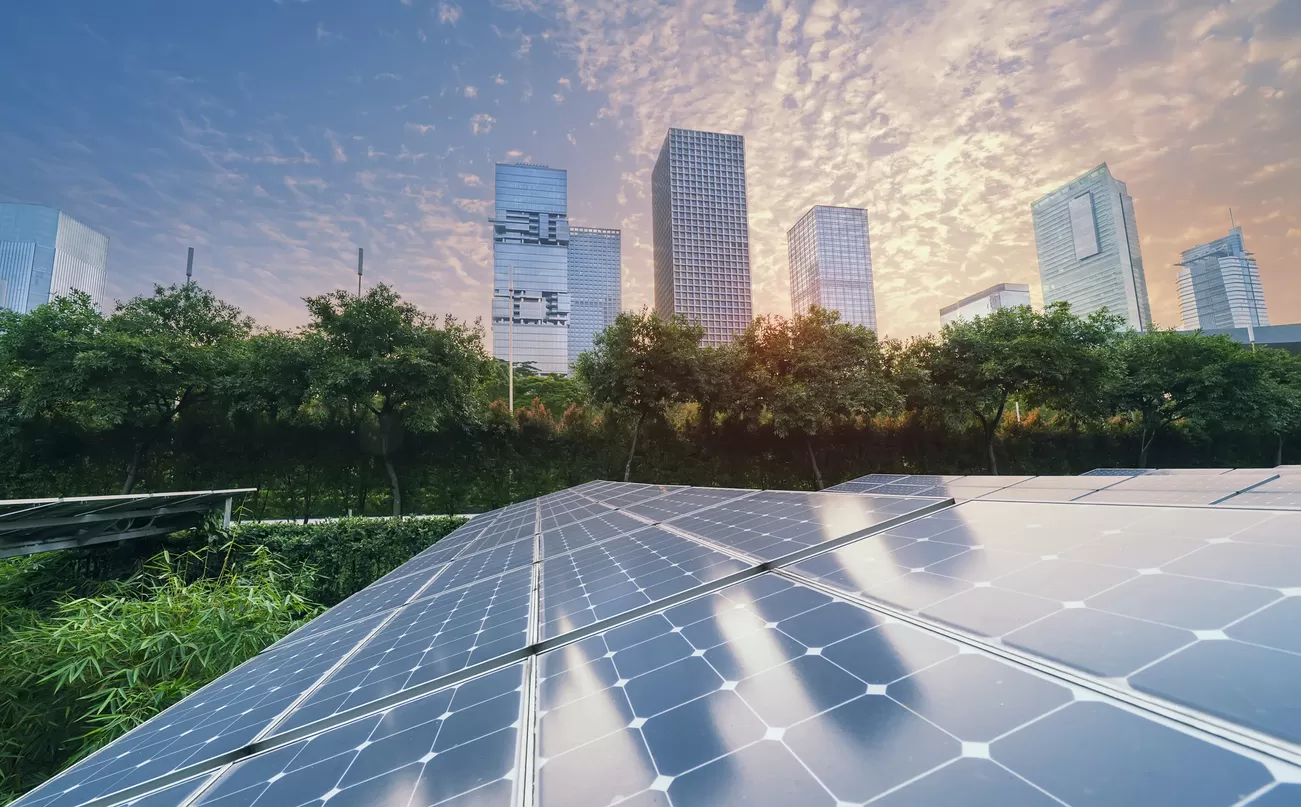
The use of renewable energy sources, such as solar panels and wind turbines, is gaining ground as one of the main solutions for energy optimization. By generating its own energy from natural resources, the building reduces its dependence on conventional electrical grids and, consequently, its environmental impact.
Photovoltaic solar panels, for example, convert sunlight into electricity, powering various building systems and even generating surplus energy to be stored or sold to the grid. Investing in renewable energy systems is not only a long-term cost-saving strategy but also a significant contribution to a more sustainable future.
5. Preventive Maintenance: Long-Term Efficiency
Regular maintenance of a building's systems is an essential technique for ensuring long-term energy optimization. Air conditioning equipment, heating systems, electrical networks, and even thermal insulation need to be inspected and maintained periodically to ensure they are operating at peak efficiency.
For example, cleaning air conditioning filters and checking for possible leaks in water and gas pipes prevents excessive energy use. Preventive maintenance ensures that systems operate under optimal conditions, avoiding unnecessary increases in energy consumption caused by technical failures.
Conclusion: The Path to Energy Efficiency
Energy optimization in buildings is an essential practice for reducing operating costs and mitigating the environmental impact of constructions. By implementing techniques such as efficient thermal insulation, building automation, LED lighting, the use of renewable energy sources, and preventive maintenance, it is possible to create sustainable, intelligent, and economical buildings.
The result is a more efficient operation, aligned with the needs of the present and the future. With each of these techniques, we are not only reducing energy consumption, but also paving the way for a more responsible and environmentally conscious construction industry.