















A business license is one of the most important documents for opening and operating a business in Brazil. Often underestimated by novice entrepreneurs, it is a fundamental legal requirement that ensures your business can operate within the regulations established by municipal authorities. However, the license goes beyond a simple bureaucratic formality: it offers legal security, customer confidence, and ensures that the business meets all requirements in terms of safety, health, and environmental impact.
What is a permit?
A business license is a permit issued by the local municipality authorizing the operation of a commercial, industrial, or service-providing activity in a specific location. It confirms that the company complies with specific regulations, such as urban zoning, health standards, safety rules, and other criteria established by municipal and state authorities.
There are different types of permits, depending on the type of business. For example, companies that handle food need a specific health permit, while construction companies must obtain permits related to safety and environmental impacts.
Why is a Business License Essential?
Compliance with the Law: A business license is a legal requirement for any company that wishes to operate legally. Without it, your business may be considered illegal, which can lead to fines, injunctions, and even the closure of the company. By ensuring that your business is properly registered, you avoid legal problems and ensure that you can operate smoothly, without the risk of penalties.
Business and Customer Safety: Obtaining a business license involves verifying a series of conditions aimed at ensuring the safety of both workers and customers. This includes, for example, the adequacy of physical facilities, compliance with fire prevention and accessibility standards. Companies that handle food, for example, must follow strict hygiene and public health rules. A business license ensures that all these measures are being met, protecting the integrity of your business.
Customer Credibility and Trust: A business that has all its licenses up to date, including its operating permit, conveys an image of professionalism and seriousness. This generates trust in customers, who feel more secure in consuming products or services from a company that operates legally. The absence of a permit can arouse distrust and, in some cases, deter potential customers.
Access to Tax Benefits and Financing: Companies that operate legally have access to a range of tax benefits, such as incentives for small and medium-sized enterprises, as well as lines of credit and financing. Banks and financial institutions require that the company be properly registered, which includes presenting an operating license. Without this document, your business may miss out on growth and expansion opportunities.
Dispute Resolution and Legal Protection: Having a business license also protects your business in case of litigation. If there is any legal problem or dispute, the license serves as proof that the company complies with all the necessary regulations to operate legally. This can be a crucial point in resolving disputes with clients, suppliers, or even regulatory authorities.
Eligibility to Participate in Public Bidding Processes and Contracts: Companies wishing to participate in public bidding processes or enter into contracts with the government must be fully compliant with regulations, which includes possessing a business license. Without this documentation, the company is prevented from participating in opportunities in the public sector, losing a significant market share.
How to Obtain an Operating License?
The process for obtaining a business license can vary depending on the municipality and the type of activity carried out by the company, but it generally follows some basic steps:
Feasibility Study: The first step is to verify if the chosen location for the company's operation complies with the city's zoning regulations. Some areas may have specific restrictions for certain types of economic activity.
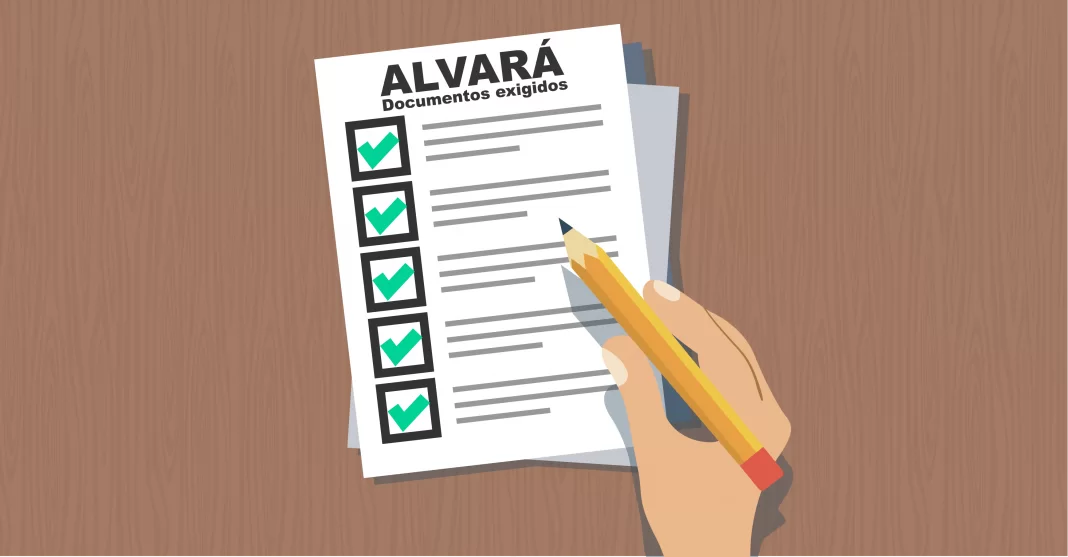
Required Documentation: Next, it is necessary to gather the documentation required by the city hall, which may include the company's CNPJ (Brazilian tax ID), articles of incorporation, floor plan of the property, and technical reports, such as the fire department inspection certificate (AVCB), among others.
Inspections and Approvals: Depending on the type of business, local authorities, such as the Health Surveillance, Fire Department, and Environmental Secretariat, may conduct on-site inspections to ensure that everything complies with safety, hygiene, and environmental impact regulations.
Issuance of the License: After the analysis and approval of all documentation and inspections, the city hall issues the operating license, allowing the company to legally begin its activities.
What happens if I don't have a permit?
Operating without a license is a significant risk for any business. The consequences can include:
- High Fines: The financial penalties for operating without a license can be significant, especially for repeat offenders.
- Business Closure: Municipal authorities have the power to shut down or even close a business that is operating without the proper license.
- Loss of Credibility: The lack of a permit can seriously damage a company's image with consumers, partners, and suppliers.
- Legal Proceedings: Companies operating without licenses may face legal action, especially if there is harm to third parties, such as accidents on the premises or health problems.
Conclusion
Obtaining a business license is not just a bureaucratic matter; it's an essential step to ensure your business operates legally, safely, and reliably. It protects both the entrepreneur and customers, and contributes to the sustainable and responsible growth of the company. Furthermore, a properly registered business gains credibility, opens doors to new business opportunities, and ensures its longevity in the market. Therefore, if you are starting a business, or already own one and haven't yet obtained the license, now is the time to ensure all regulations are being followed to avoid future problems.