

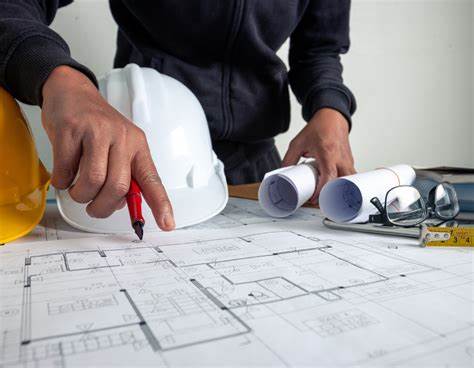










Among the many projects that make up a construction project, one of the most important is the structural design. A complement to the architectural design, it offers a detailed view of each of the structures to be built for construction companies. Structural engineers face the challenge of translating architectural and functional requirements into support systems that withstand the forces of nature, such as wind, gravity, and seismic activity, maintaining the integrity of the structure over time.
How does the entire structural process work?
The process begins with a careful analysis of site conditions, including soil type, weather conditions, and environmental constraints. Then, engineers utilize a variety of advanced techniques and tools, such as computational modeling and finite element analysis, to design and optimize the geometry and materials of the structures.
During the design phase, several factors are considered, such as expected load, material strength, tolerable deformation and displacement, safety standards, and local regulations. Each structural element is meticulously dimensioned and detailed to meet the specific project requirements, ensuring its feasibility and safety.
Each structural element is meticulously dimensioned and detailed to meet the specific requirements of the project, ensuring its feasibility and safety. New technologies, such as advanced materials, modular construction techniques, and parametric design, are driving innovation in structural engineering, enabling more efficient, robust, and sustainable work. It is the foundation upon which we build our aspirations and realize our dreams of a better and more beautiful world.
Conclusion
Now that you understand exactly how it works, this shows that the project It guarantees not only the stability and safety of the structures but also the efficient use of resources, durability over time, and aesthetic harmony with the surrounding environment. Our team always strives to ensure the quality you expect.