

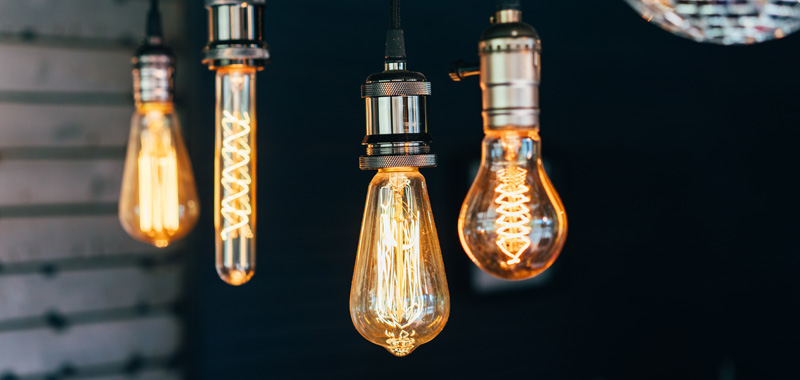
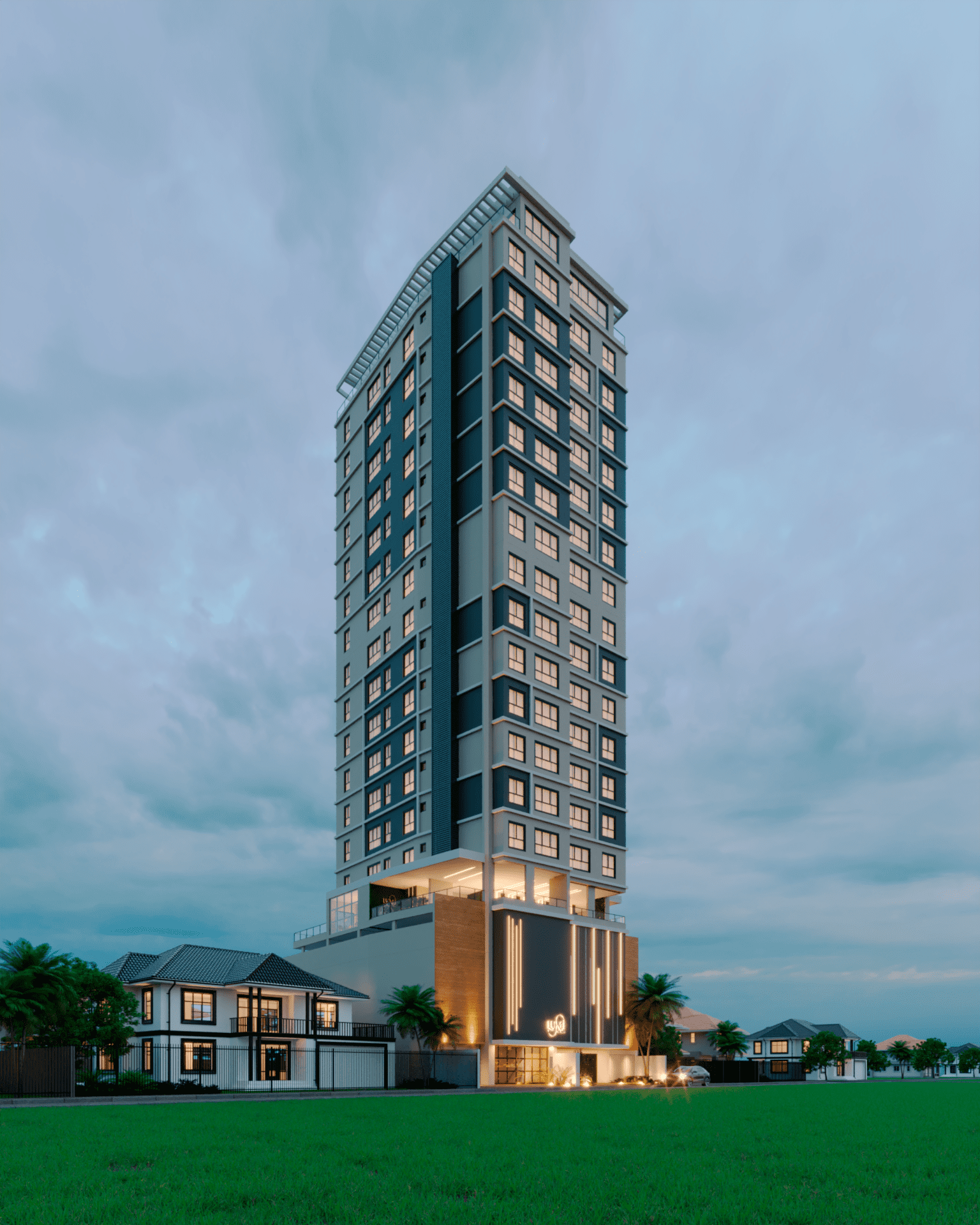
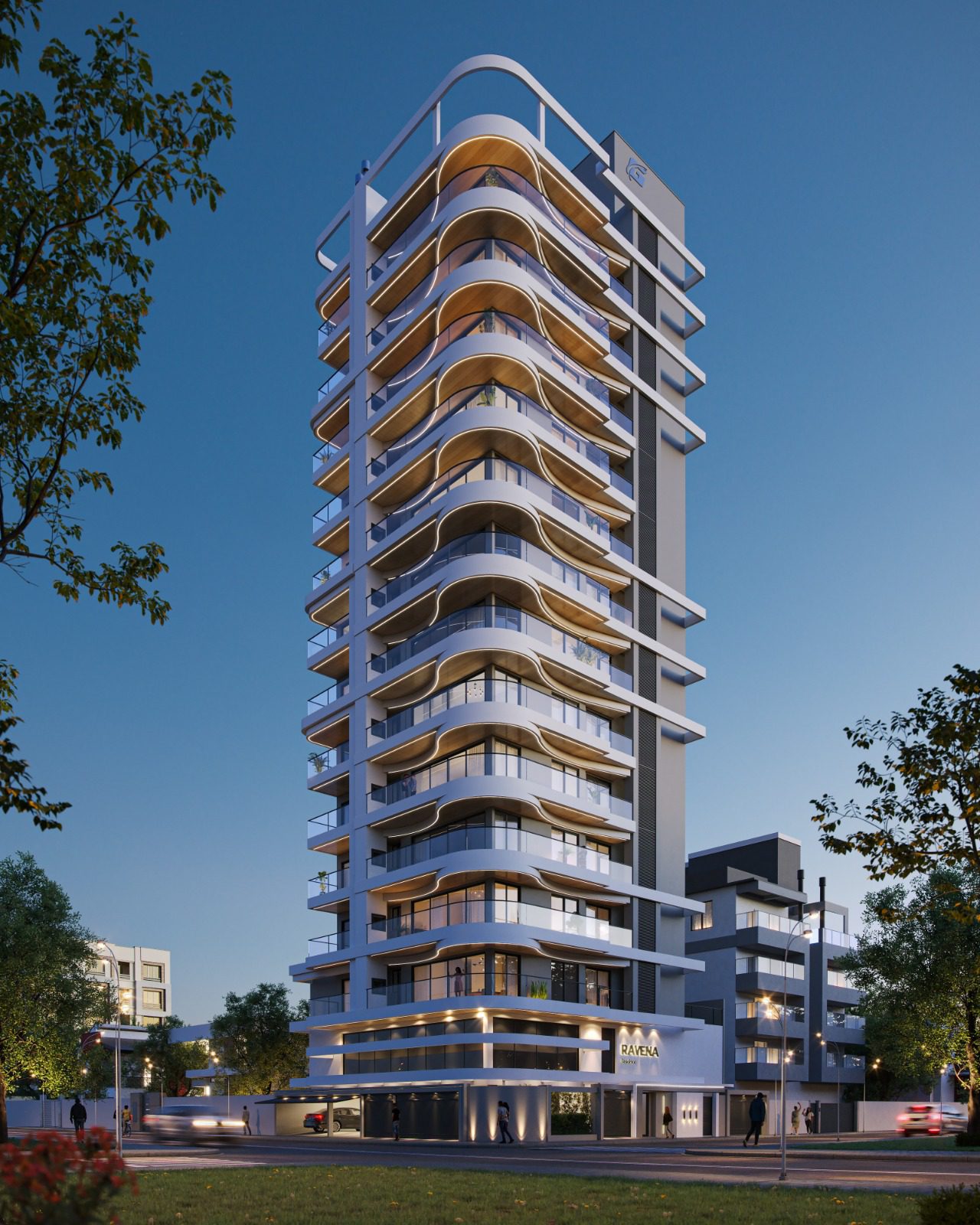
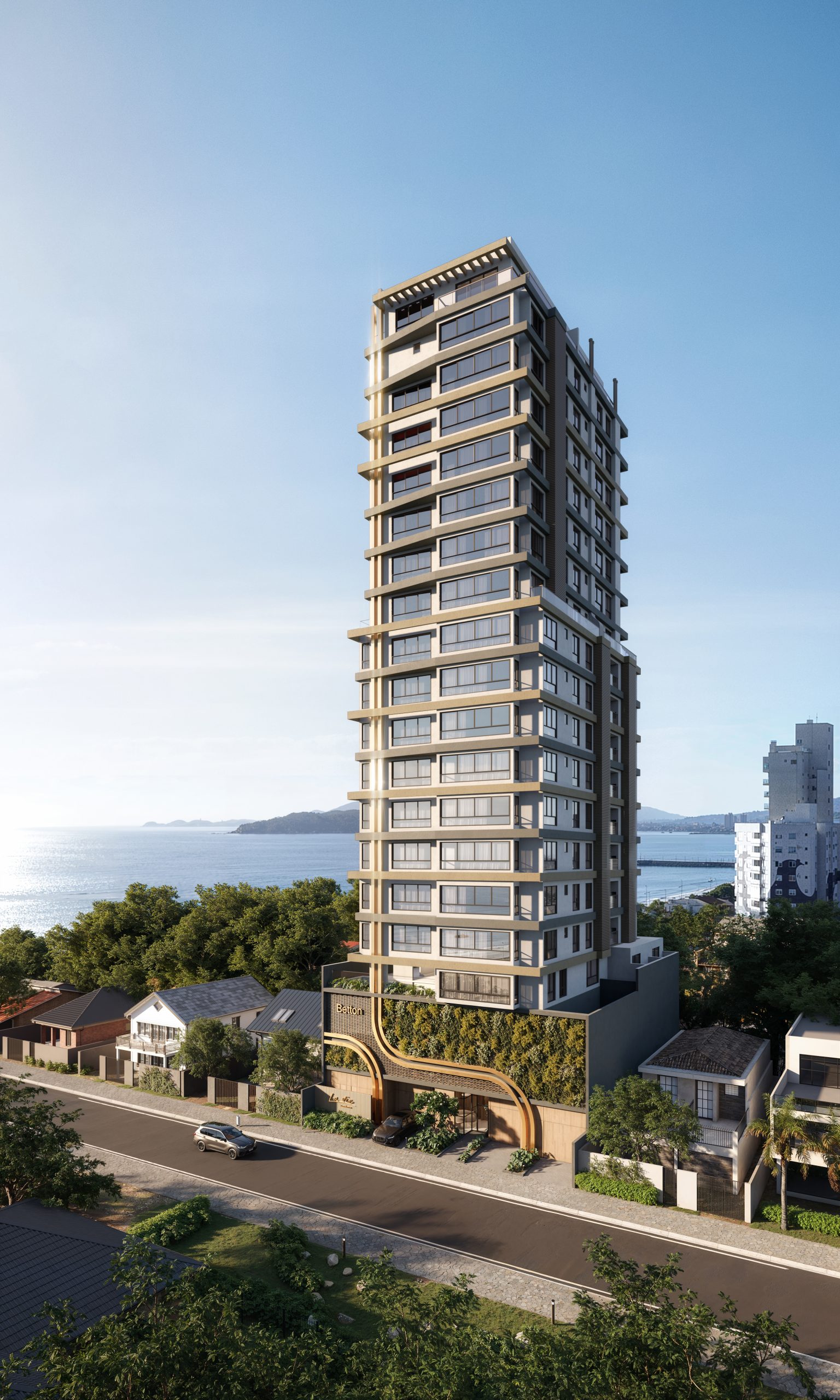
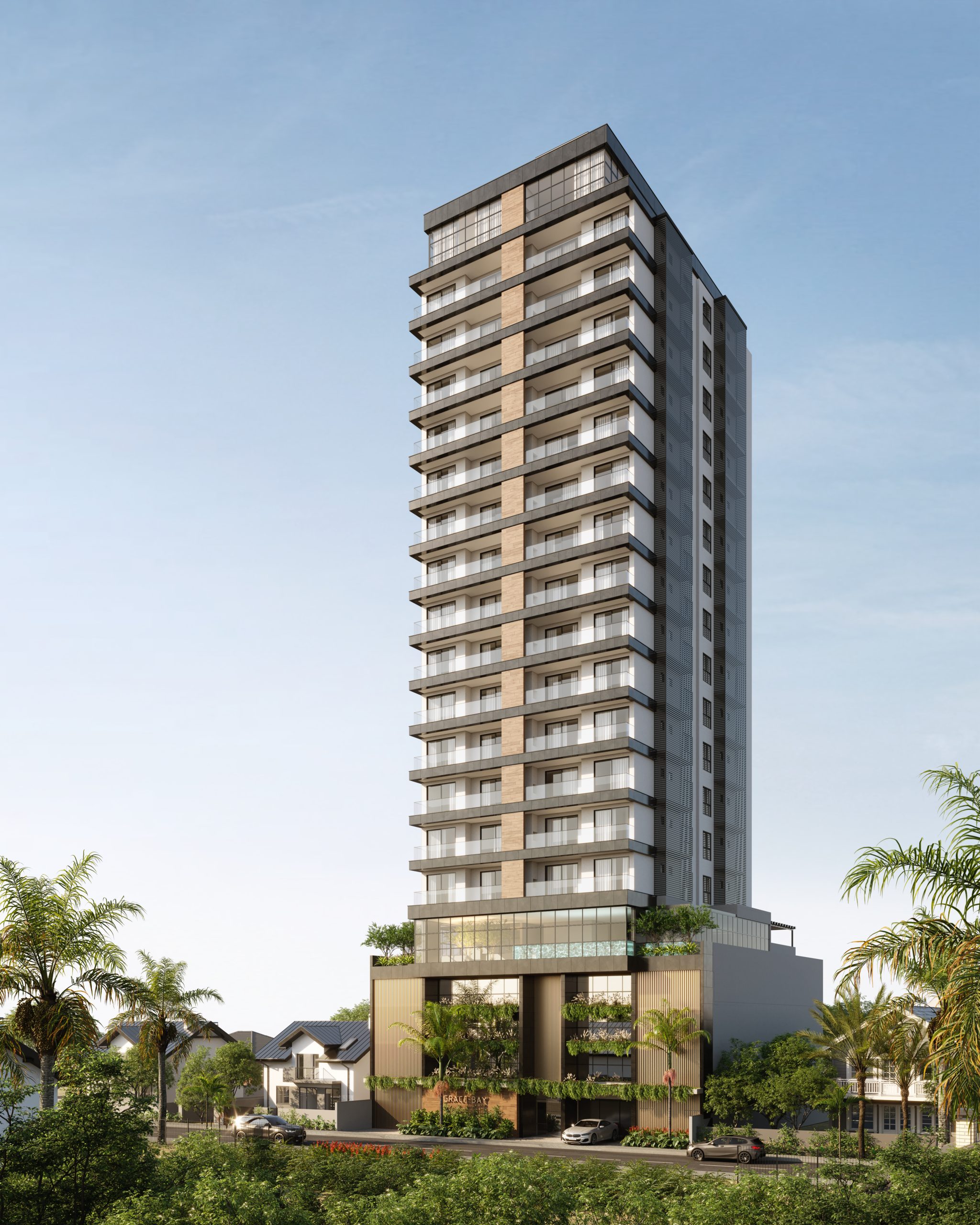
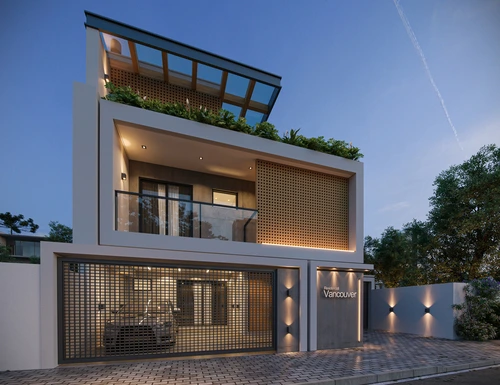
Understanding the importance of good lighting is fundamental to creating a welcoming environment. Lighting design, being a plan based on the functional analysis of spaces, focuses on strategic lighting.
What is the importance of carrying out a lighting design project?
The project is essential for efficient lighting planning in each environment, avoiding excesses or deficiencies. Inadequate lighting can negatively affect the productivity, well-being, and health of users, as well as increase electricity costs and impair the energy efficiency of spaces. Poorly lit or excessively lit environments can cause health problems for users.
Here are some types of lighting, such as:
Direct: In this type of lighting, we direct the light source directly onto the desired object or area, providing uniform and intense illumination.
Indirect: In this situation, we direct the light upwards, towards the walls or the ceiling, creating a soft and diffused lighting effect without causing glare.
Diffuse: It consists of the uniform dispersion of light in all directions, without evident shadows, creating a bright and comfortable environment.
Emphasis: Used to highlight specific objects or areas, creating contrasts and emphasizing decorative and architectural elements.
Guidance: Its purpose is to guide and direct people in a space, providing safety and visual comfort, especially in corridors, staircases, and circulation areas.
Task: Focused on specific activities, such as reading, studying or working, providing direct and intense lighting over the work area.
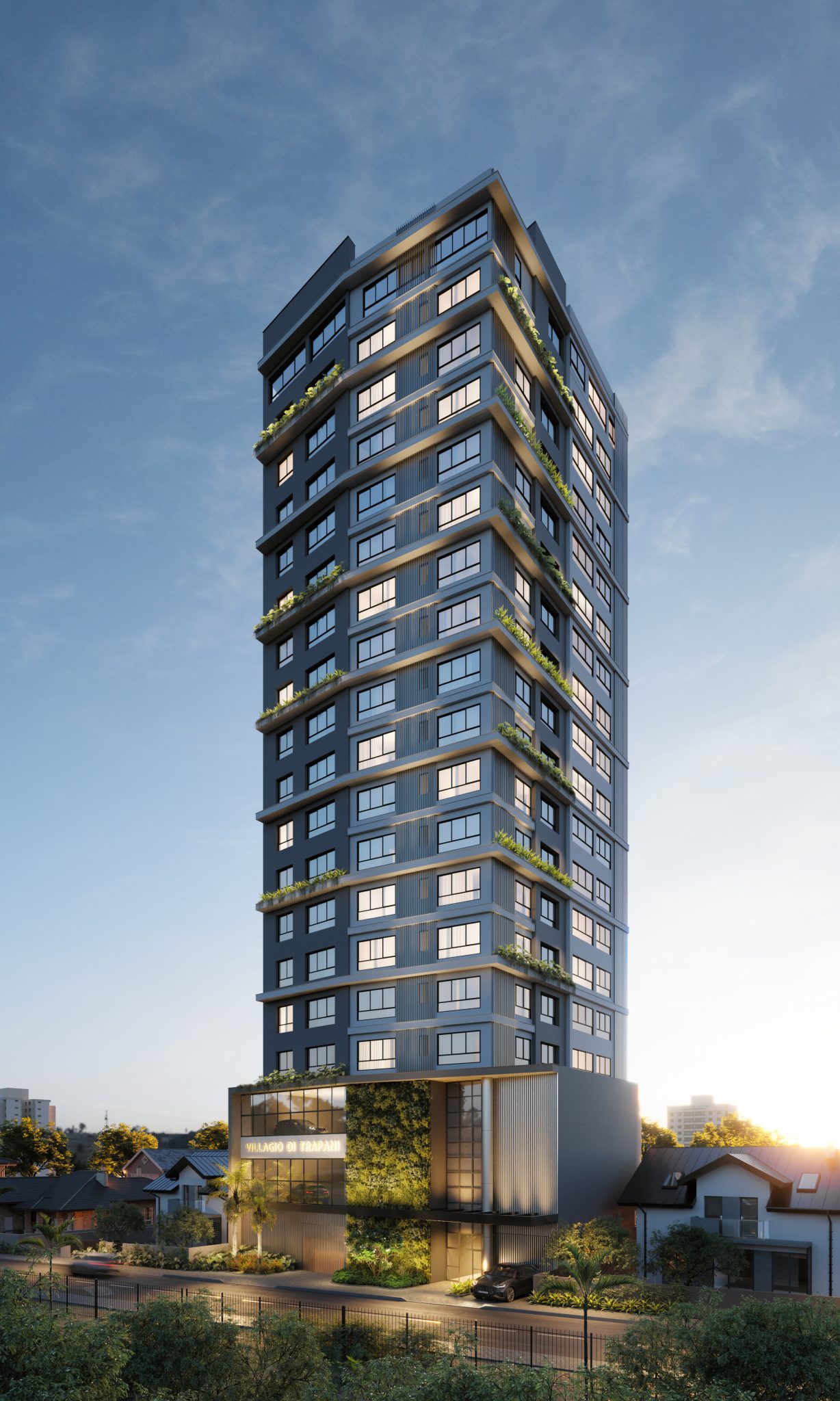
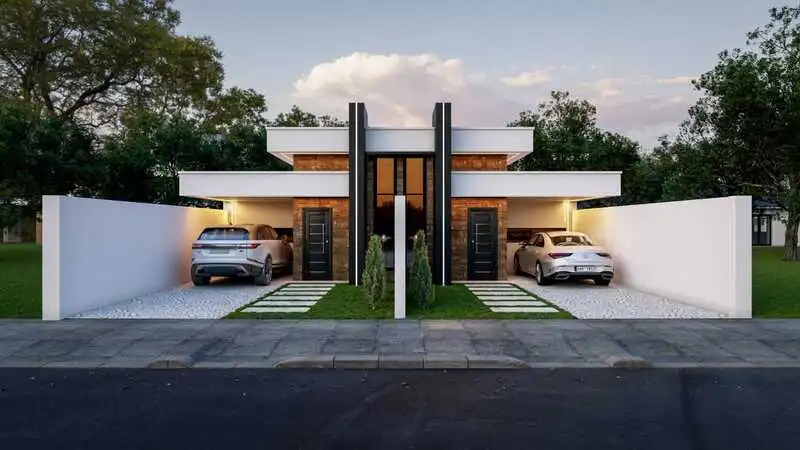
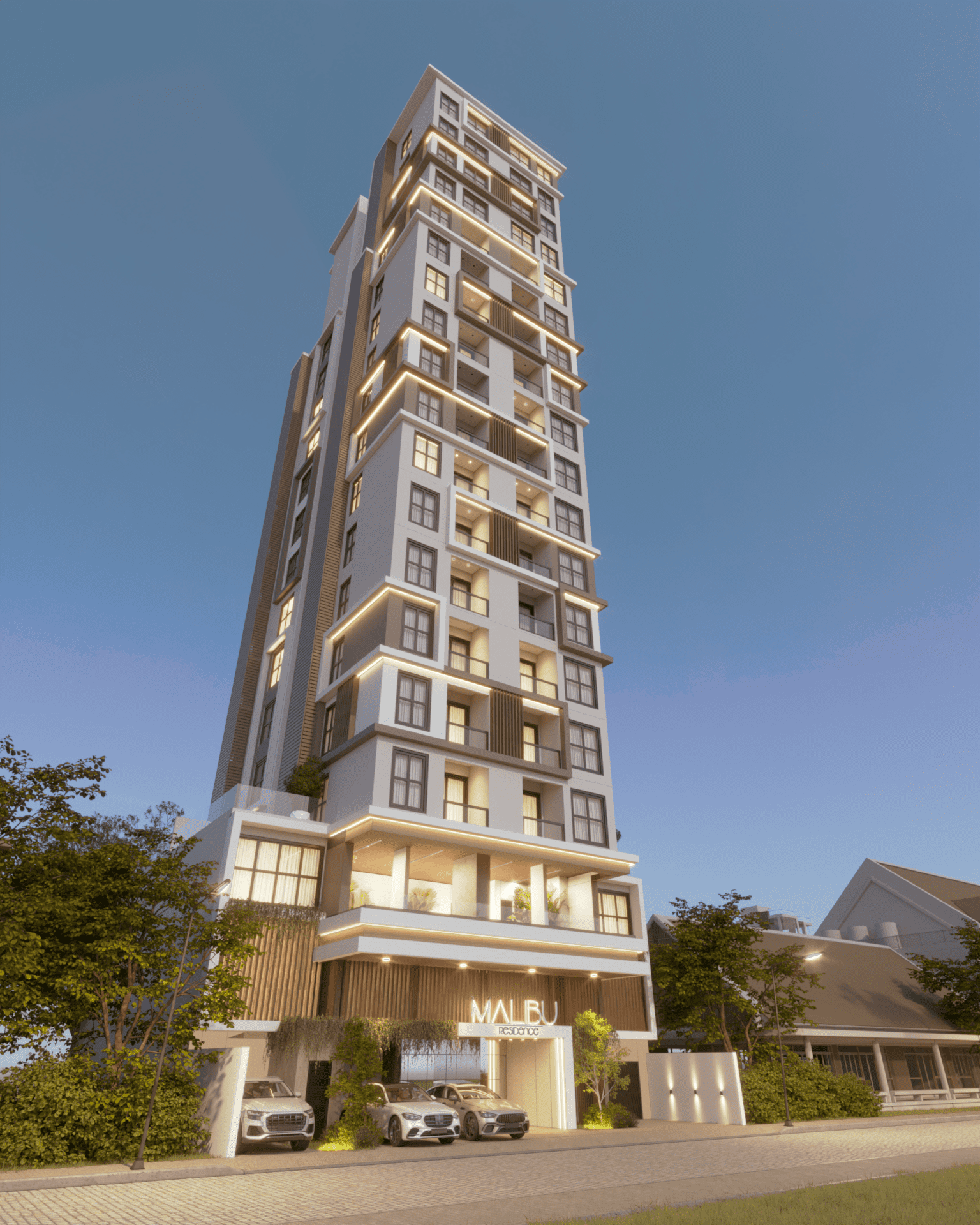
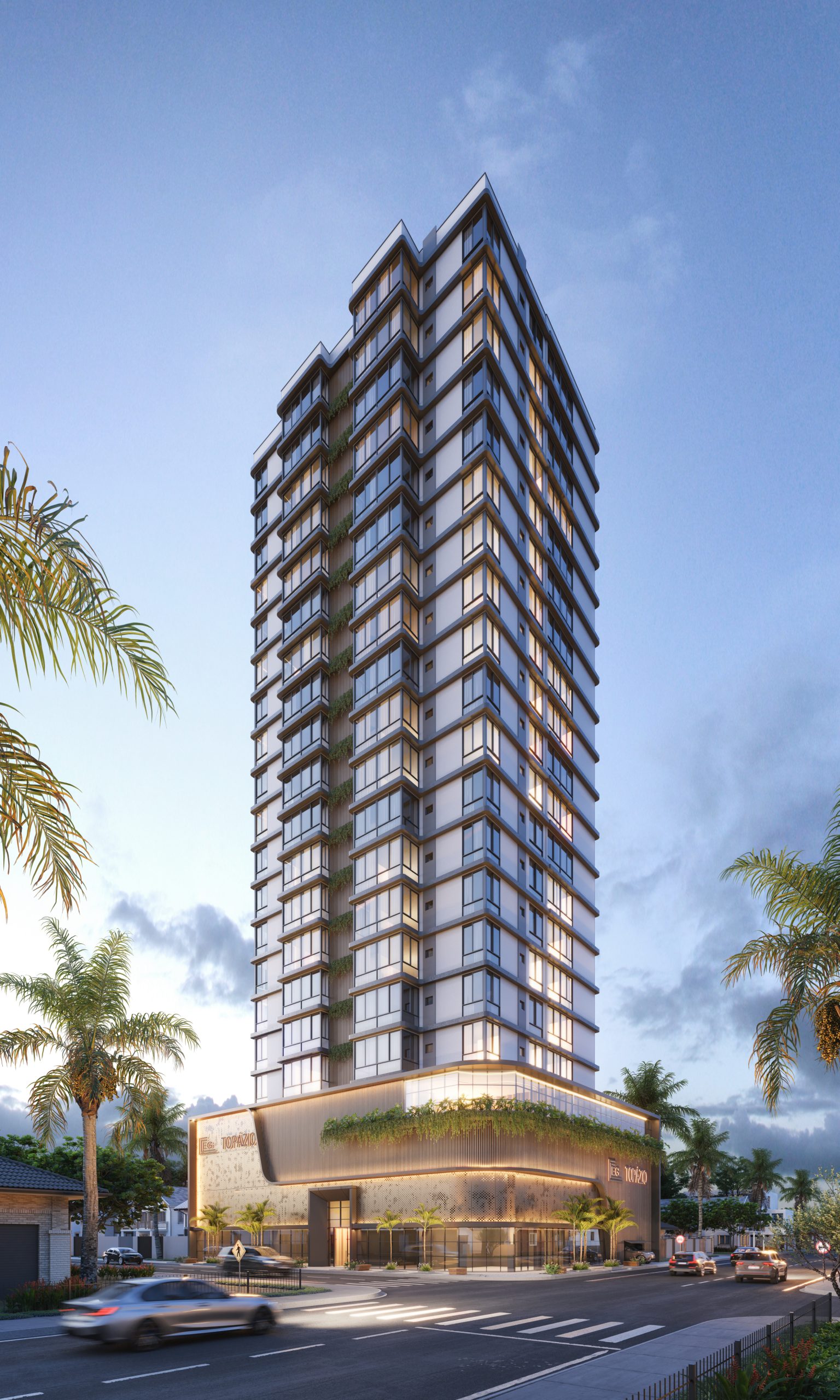
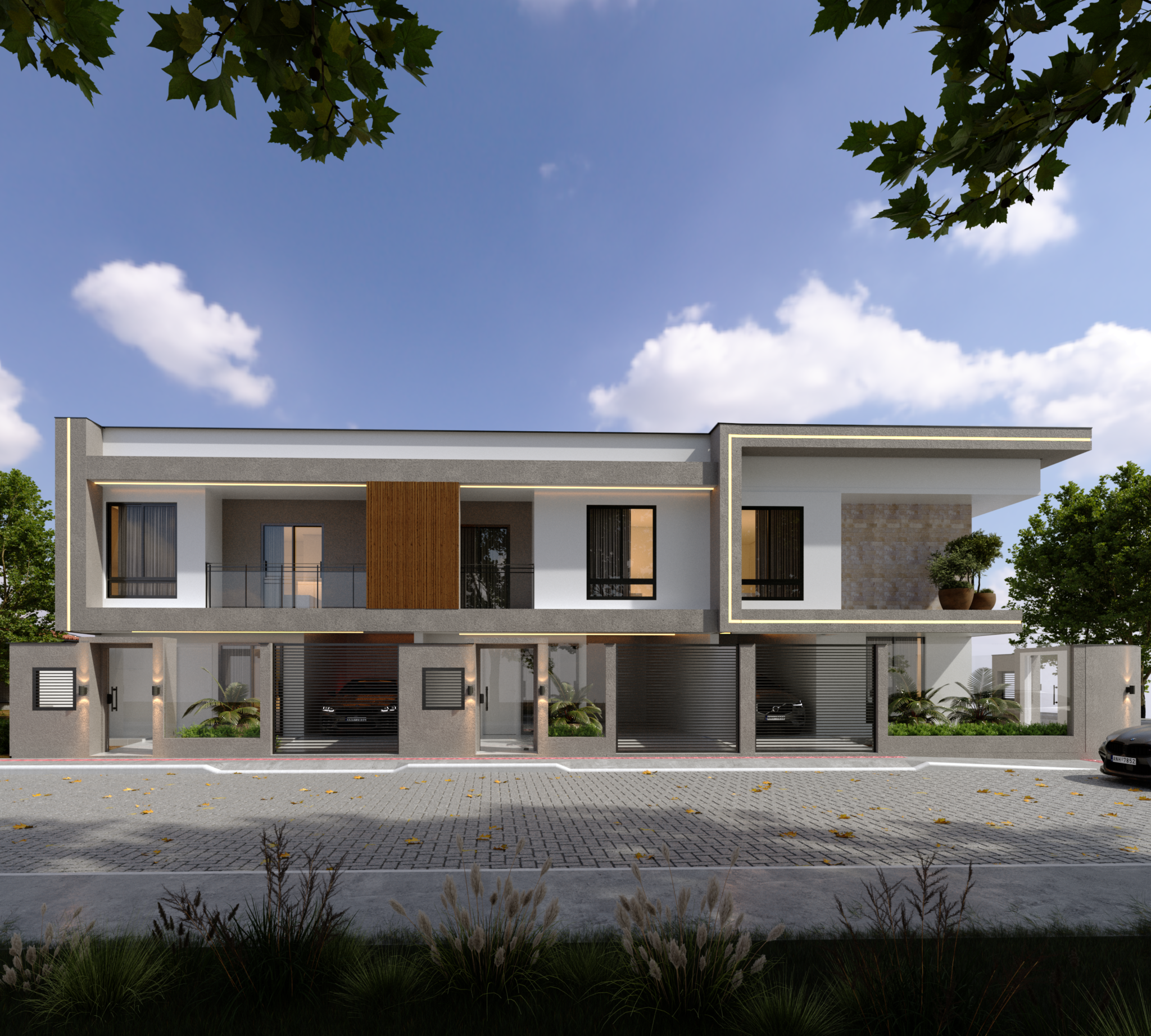
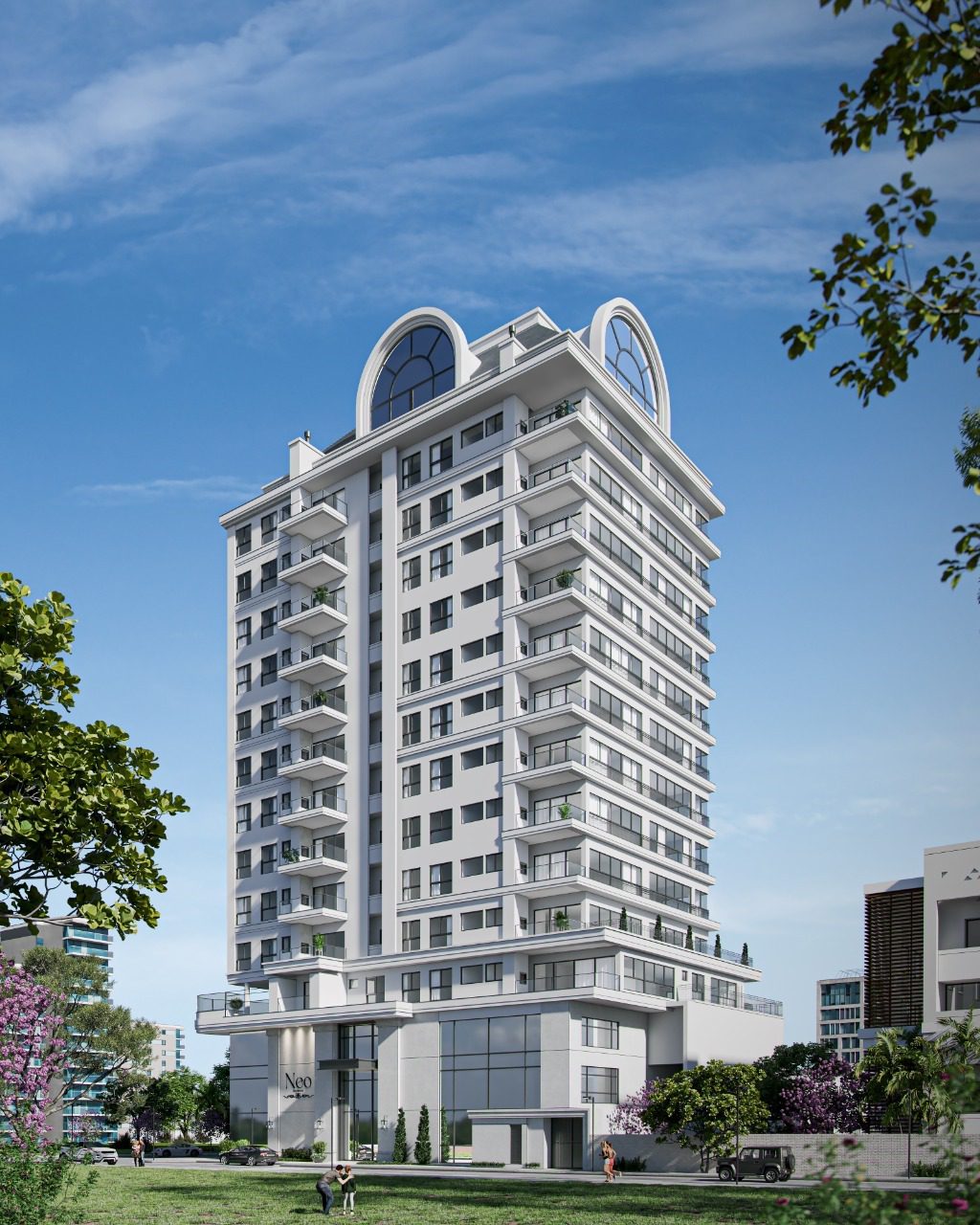
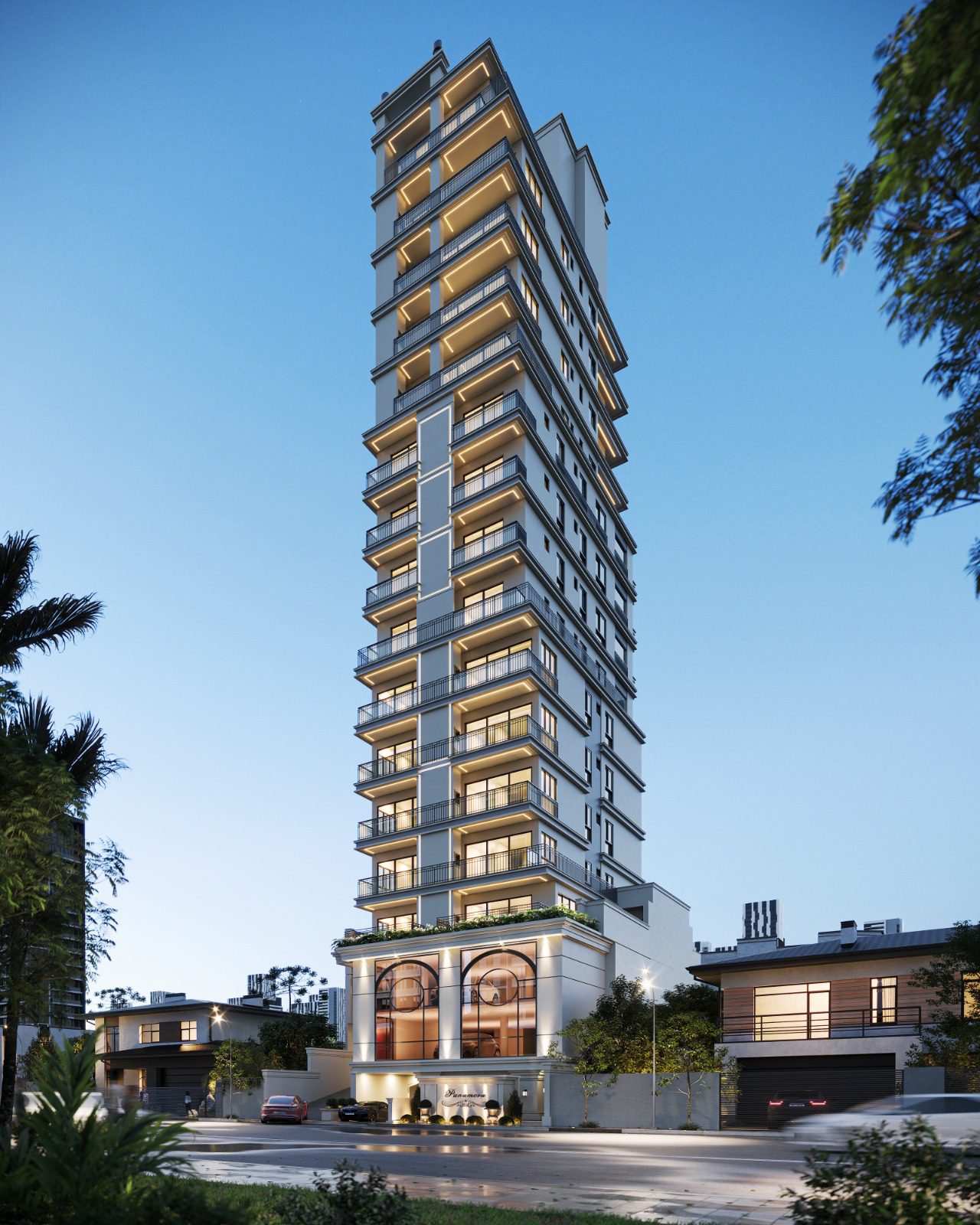
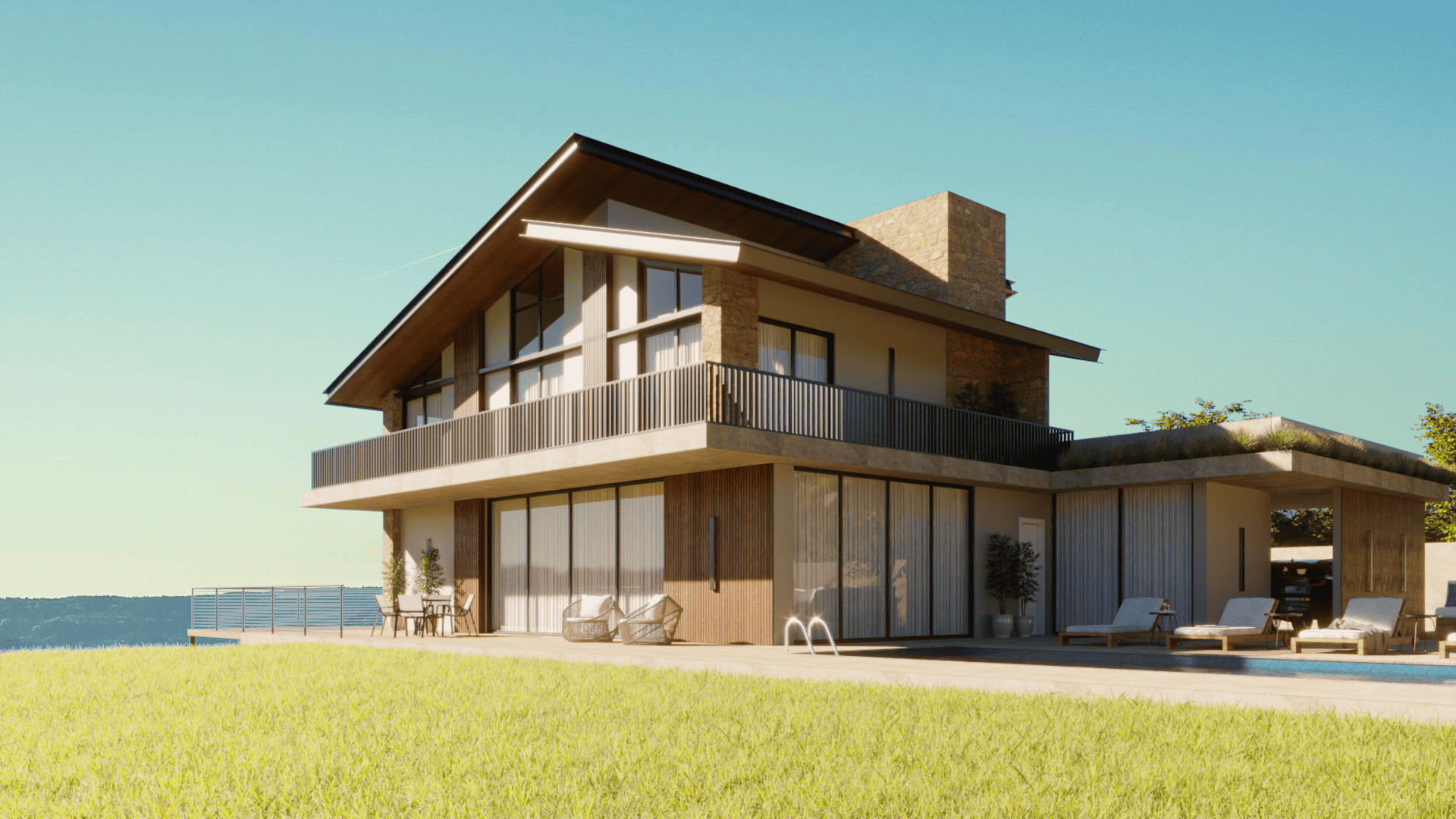
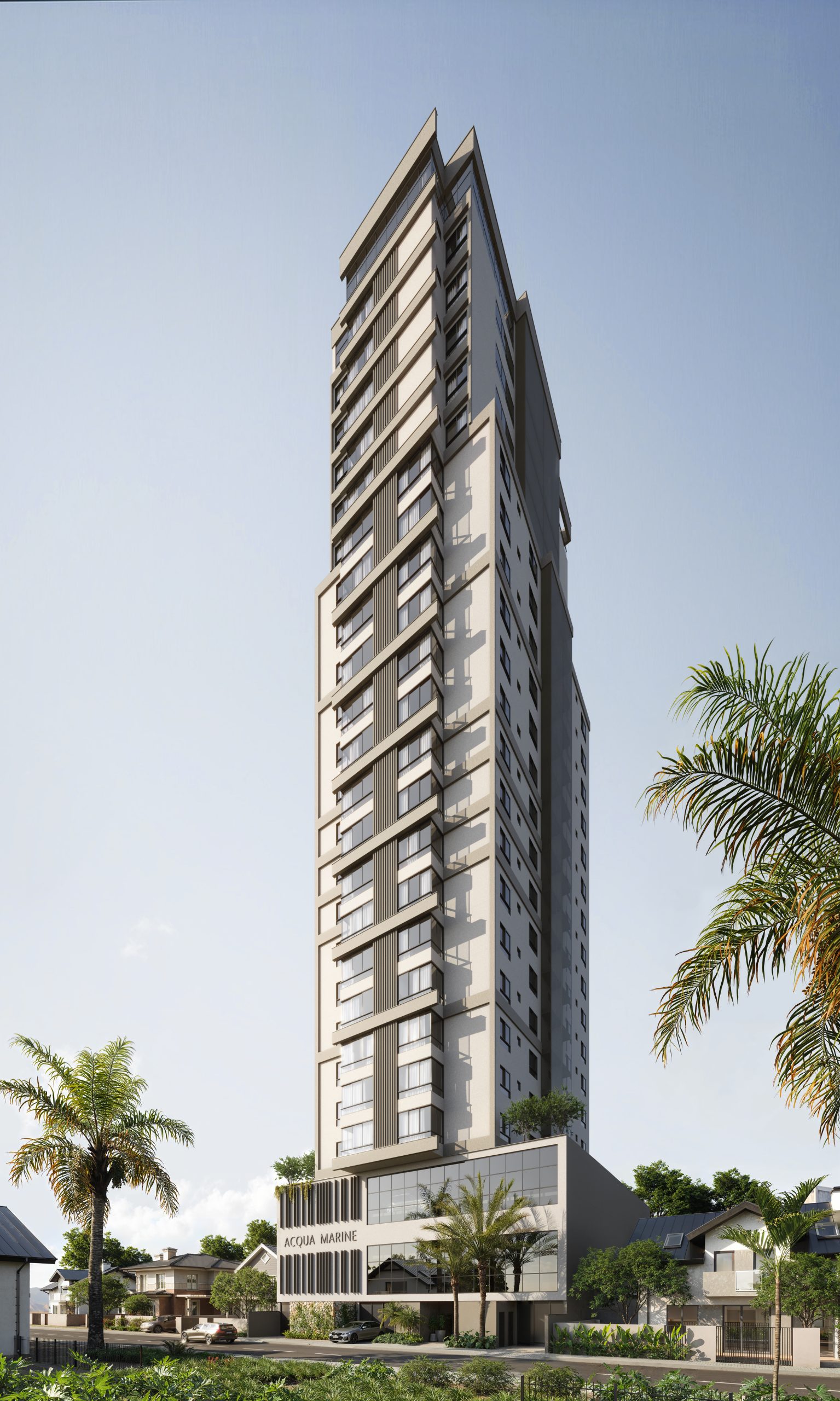
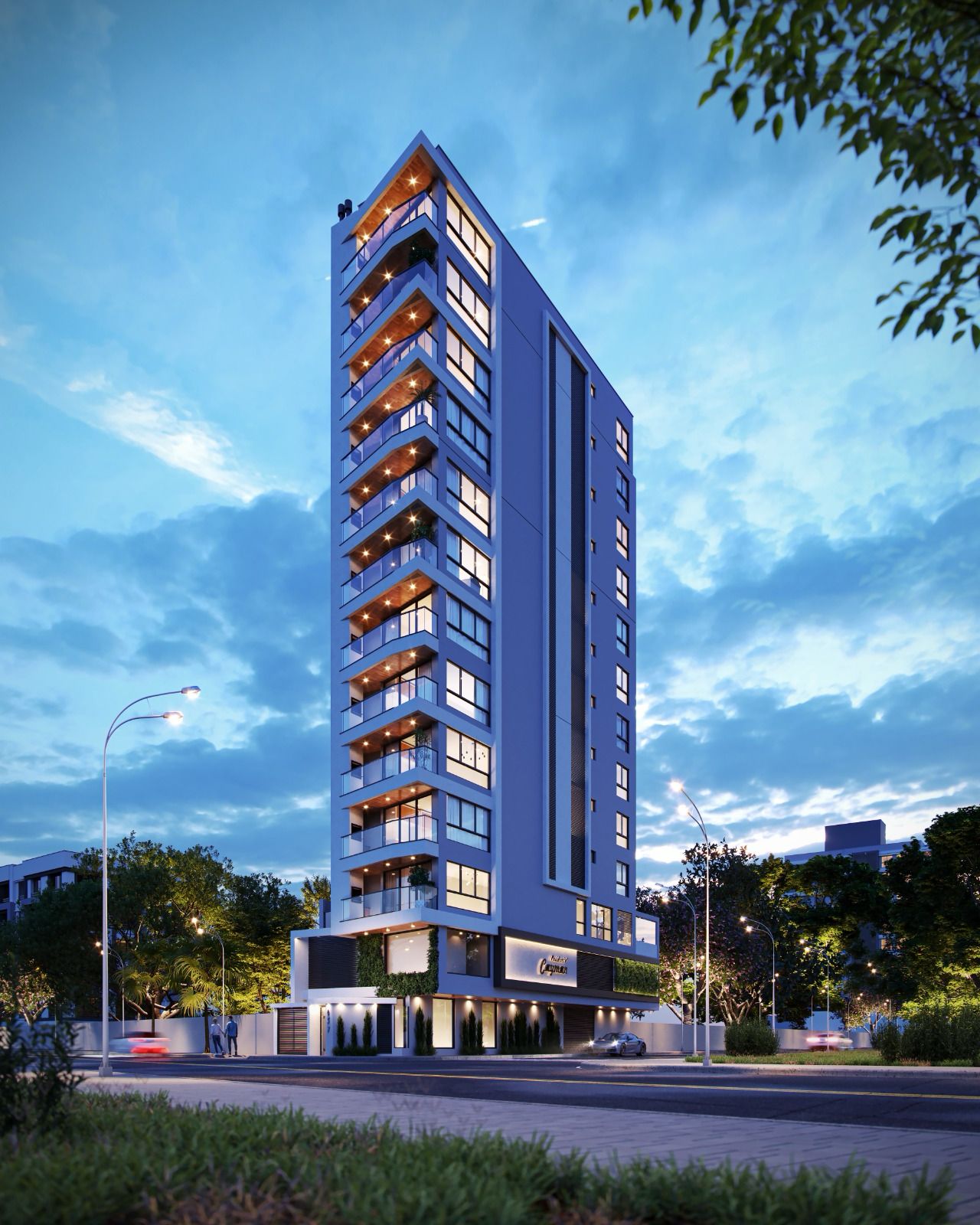
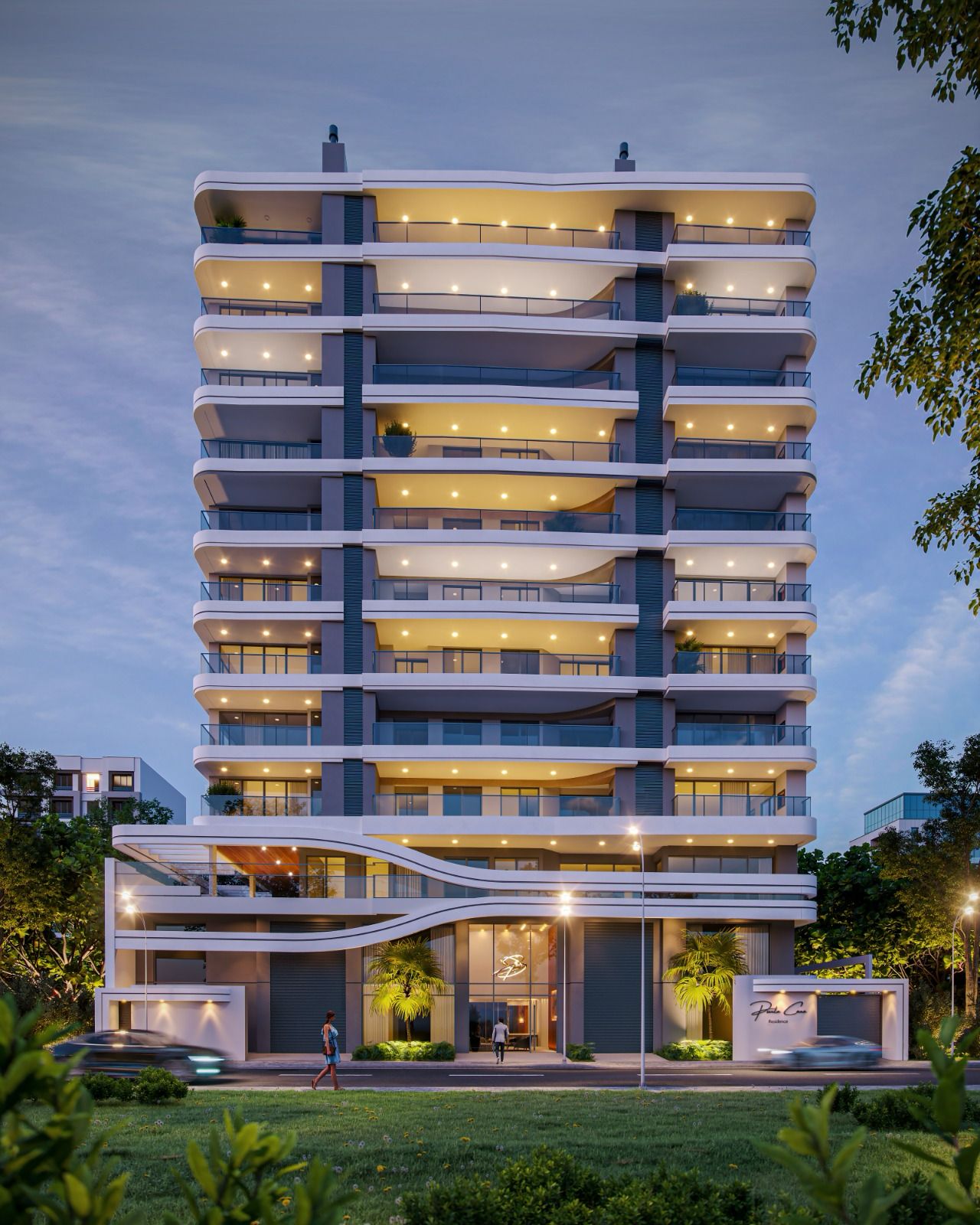
Outdoor areas: Designed for outdoor spaces such as gardens, facades, and recreational areas, providing safety, beauty, and highlighting exterior elements.
Conclusion
By carefully considering the different types of lighting and their proper distribution, it is possible to avoid health problems, increase energy efficiency, and enhance the value of spaces.