
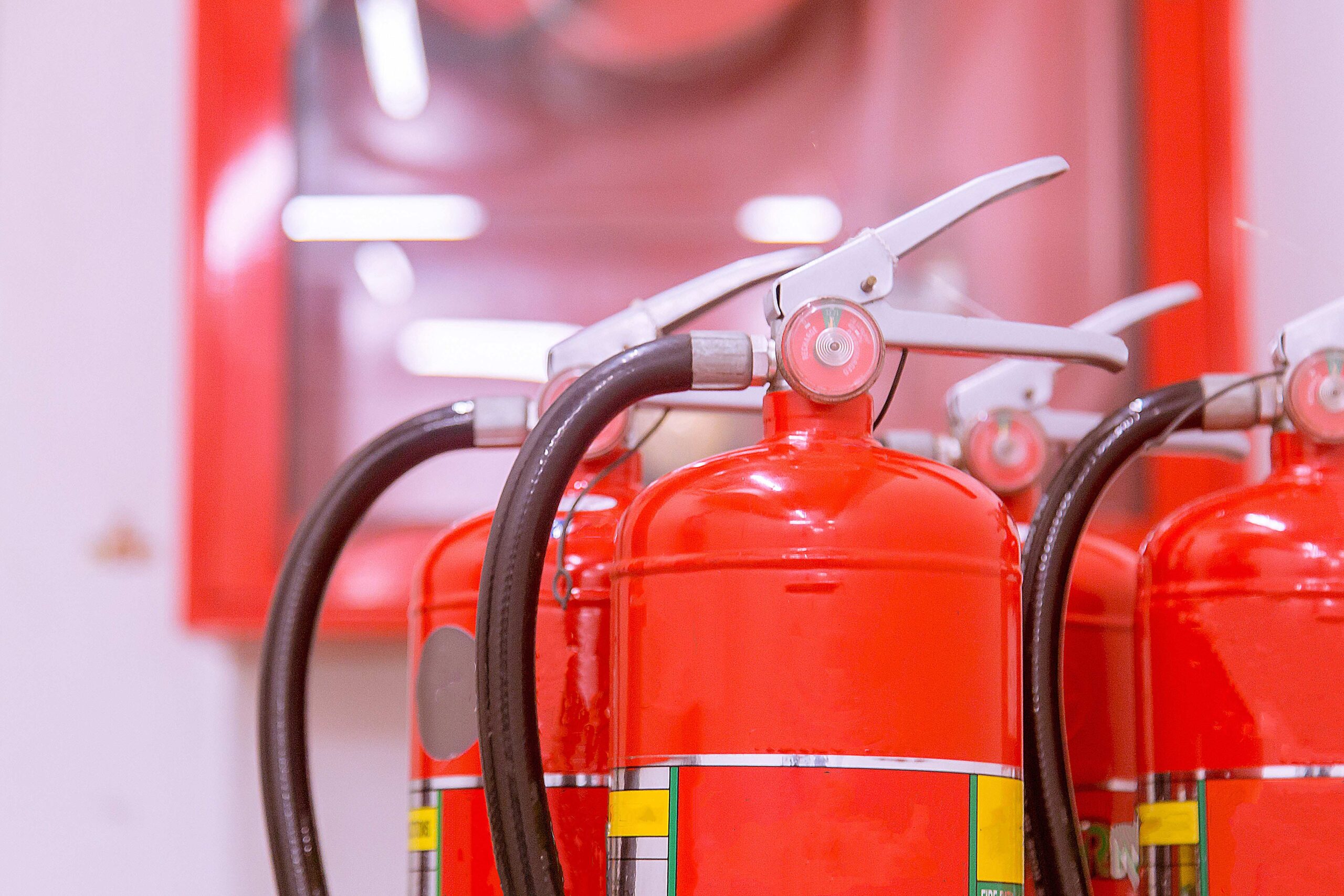
















Fire extinguishers are fundamental tools in fire prevention and fighting, often serving as the first line of defense in emergency situations. However, for their use to be effective, it is essential that extinguishers are properly installed, maintained, and used in accordance with current safety standards. This article will address the main requirements for the use of fire extinguishers, highlighting crucial aspects such as types, location, maintenance, and training.
Understanding the Importance of Fire Extinguishers
Before detailing the requirements, it's important to understand why fire extinguishers are so essential. They provide an immediate response to initial fires, which, if not quickly controlled, can spread and cause significant damage to people and property. The correct use of a fire extinguisher can prevent the spread of flames, allowing for the safe evacuation of occupants and minimizing material damage.
Essential Requirements for the Use of Fire Extinguishers
To ensure that fire extinguishers perform their function effectively, several requirements must be met. These requirements range from choosing the right type of extinguisher to its regular maintenance and proper user training.
1. Choosing the Right Type of Fire Extinguisher
The first step in ensuring the effectiveness of fire extinguishers is choosing the right type for each environment. There are different classes of extinguishers, each designed to combat specific types of fire:
- Class AFor fires involving solid materials, such as paper, wood, and fabrics, water and foam extinguishers are the most suitable.
- Class BSuitable for fires involving flammable liquids, such as gasoline, alcohol, and oils. Dry chemical powder and CO2 extinguishers are effective in this type of situation.
- Class CFor fires involving energized electrical equipment, CO2 and dry chemical powder extinguishers are recommended as they do not conduct electricity.
- Class DFor fires involving combustible metals, such as magnesium and titanium, special dry powder extinguishers are required.
- Class KUsed in fires involving oils and fats in industrial kitchens. Extinguishers with wet chemical agents are the most suitable.
2. Location and Installation of Fire Extinguishers
The strategic placement of fire extinguishers is crucial to ensure a rapid response in case of emergency. They should be installed in visible and easily accessible locations, preferably near emergency exits and in areas where the risk of fire is higher. Furthermore, it is important to consider the installation height, which should allow anyone, including wheelchair users, to reach them easily.
Fire extinguishers must be mounted on appropriate brackets or crates and clearly marked with signs visible from a considerable distance. It is essential that nothing obstructs access to the extinguishers, ensuring that they can be used immediately if needed.
3. Regular Maintenance and Inspection
Maintaining fire extinguishers is a requirement that cannot be neglected. Extinguishers without regular maintenance may not function correctly, compromising the safety of all building occupants. Inspections should be carried out monthly, checking aspects such as internal pressure, hose condition, seal integrity, and charge expiration date.
In addition to monthly inspections, a more thorough maintenance should be carried out by qualified professionals every 12 months, as required by safety regulations. During this maintenance, the fire extinguisher must be completely disassembled, cleaned, and recharged if necessary. Any defects must be corrected immediately, and the extinguisher must be replaced if it cannot be repaired.
4. User Training
Having fire extinguishers in a building is only part of the solution. To ensure they are used correctly, it is essential that building occupants are trained in their use. This training should include instructions on how to identify the correct type of extinguisher for each situation, how to handle the equipment safely, and how to effectively fight small fires.
Hands-on training, where participants can handle a real fire extinguisher and simulate fighting a controlled fire, is especially useful. This not only increases users' confidence but also ensures they know exactly what to do in an emergency situation.
5. Compliance with Standards and Regulations
All requirements for the use of fire extinguishers must comply with the standards and regulations established by competent bodies, such as the Fire Department and ABNT (Brazilian Association of Technical Standards). The standards specify the types of extinguishers permitted, installation and maintenance requirements, and guidelines for user training.
Conclusion: Ensuring the Effectiveness of Fire Extinguishers
Fire extinguishers are essential safety tools in any environment, but for them to be truly effective, a series of requirements must be met. From choosing the right type of extinguisher to its location, maintenance, and user training, every aspect must be carefully planned and executed.
By ensuring that all these requirements are met, you not only fulfill legal obligations but also effectively protect lives and property. Therefore, never underestimate the importance of fire extinguishers and invest in their correct use and maintenance—a measure that can make all the difference in an emergency situation.