


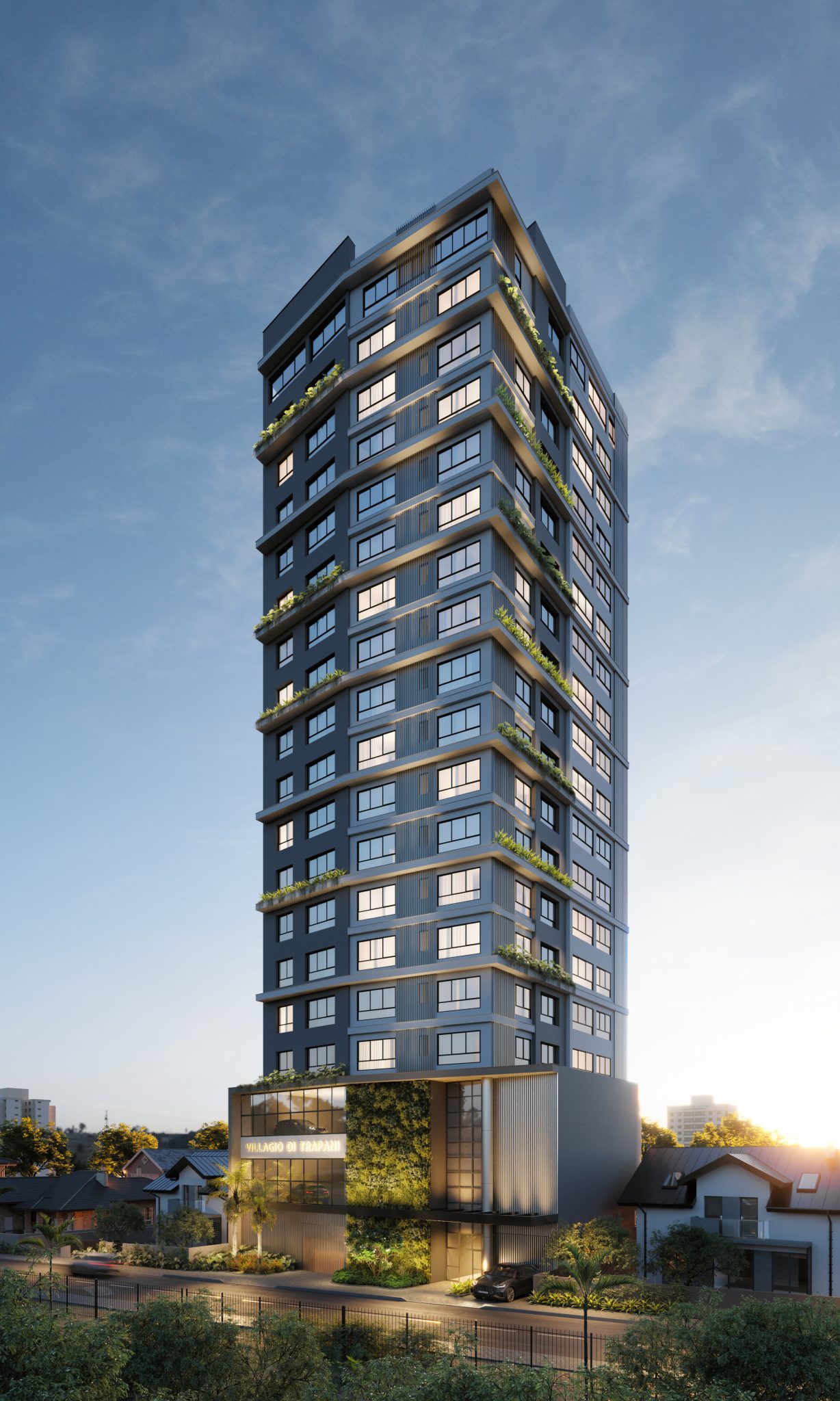
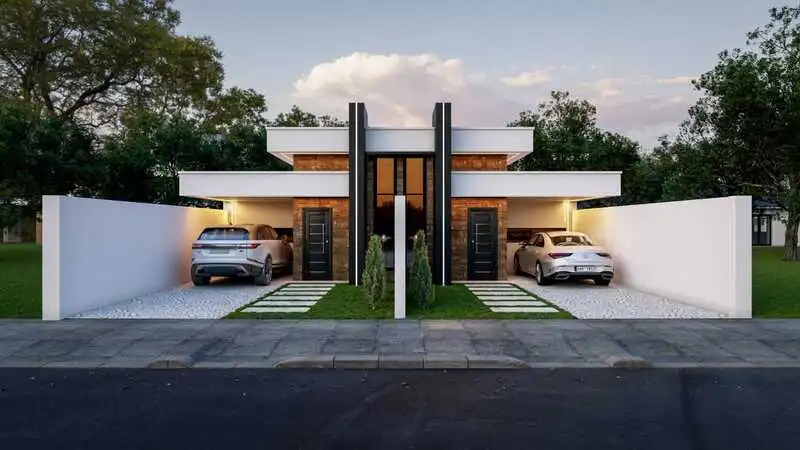


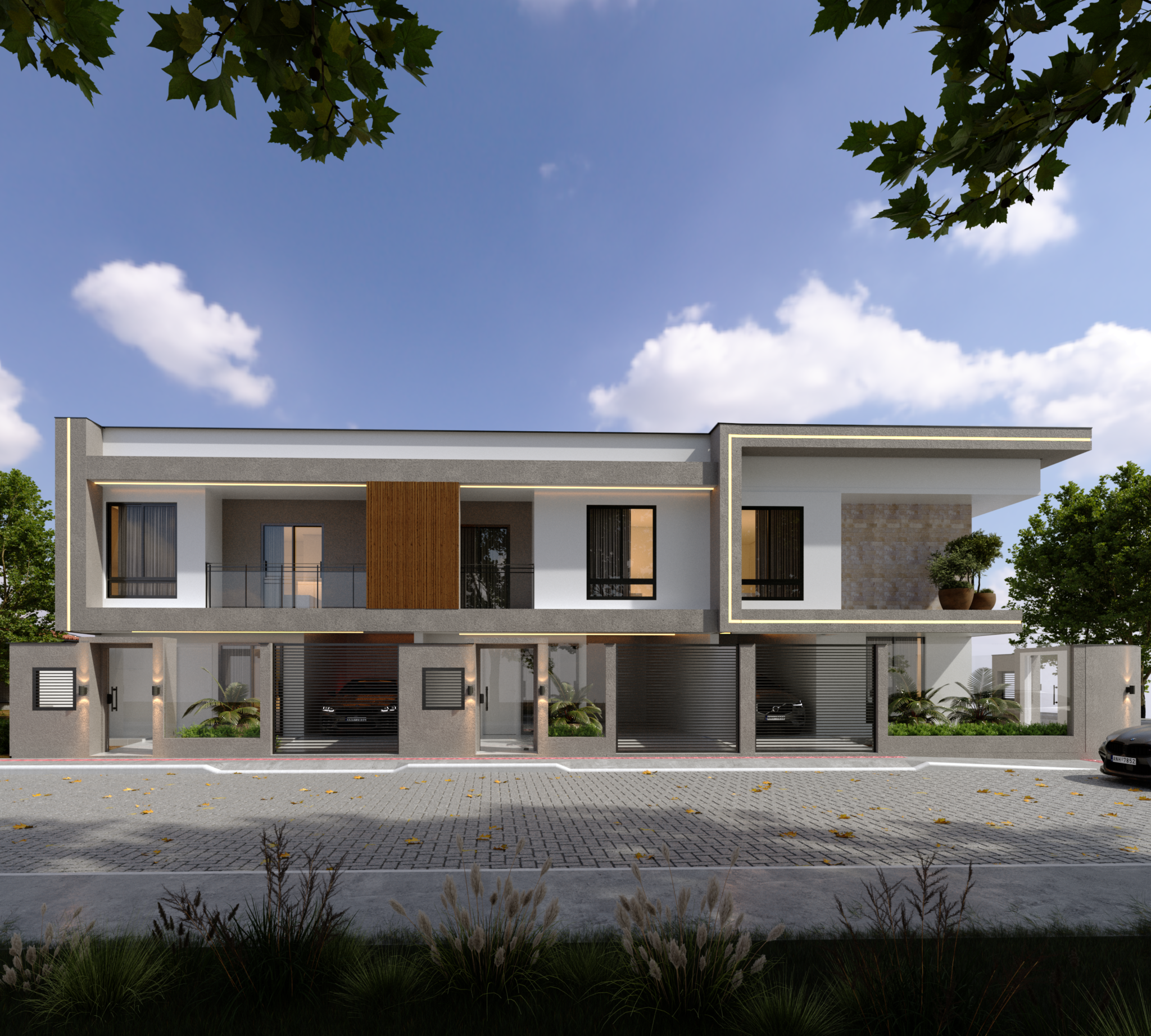


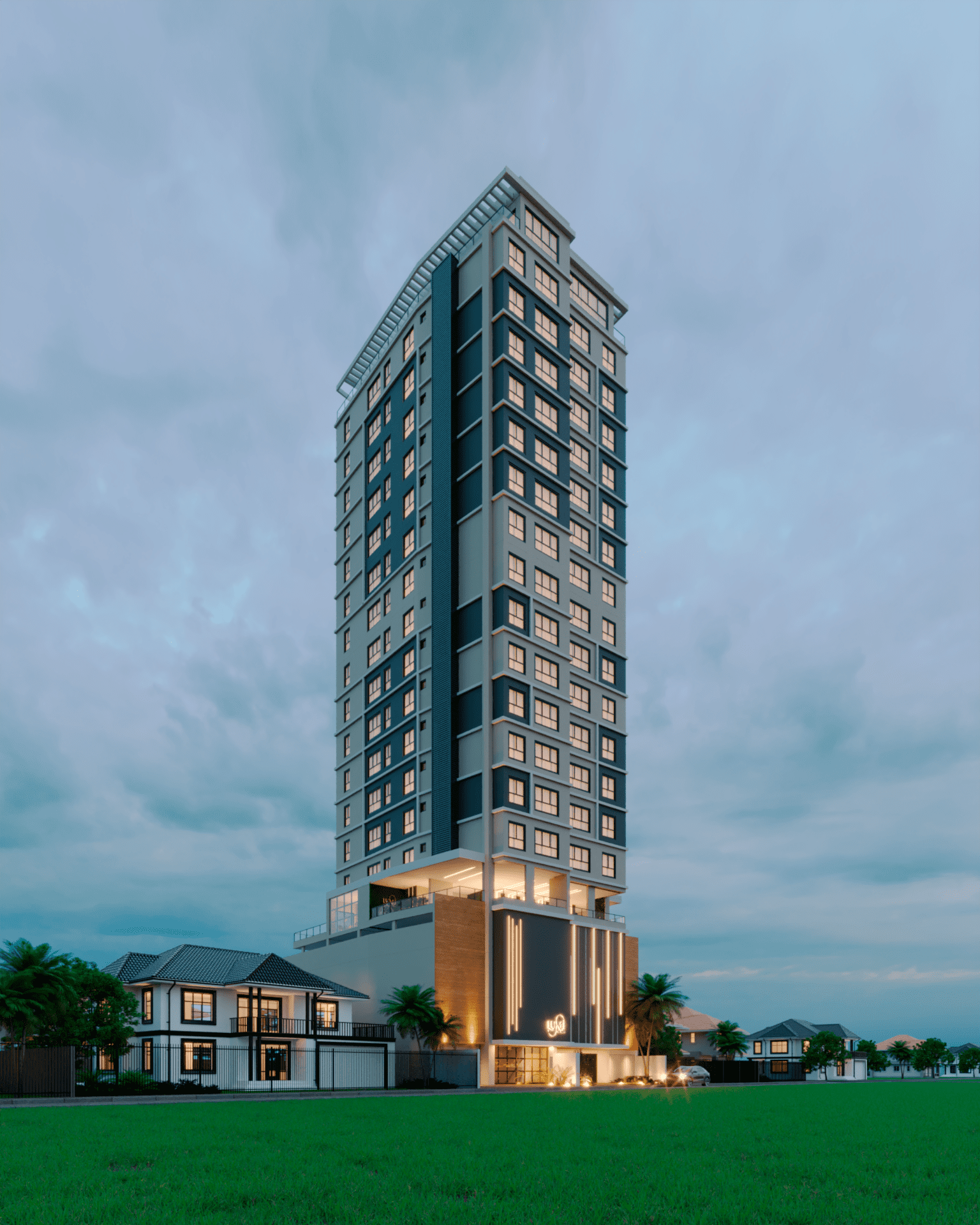




Modular construction has emerged as an innovative and disruptive solution in the construction industry, gaining popularity in several countries around the world. This approach offers a modern alternative to the traditional construction method, characterized by its efficiency, sustainability, and speed of project delivery. This article explores the concept of modular construction, its advantages, and how it is revolutionizing the construction market.
What is Modular Construction?
Modular construction is a process in which a building is constructed in sections (or modules) in a factory or controlled environment, and subsequently transported to the final location where it is assembled and completed. Unlike conventional construction methods, where everything is done directly on the construction site, in modular construction much of the work takes place off-site, resulting in a more agile and predictable process.
The modules are created under controlled conditions, using the same materials and construction standards as a traditional building. Once completed, they are transported and assembled on-site, forming a complete structure that can include residential buildings, commercial buildings, hospitals, schools, and even large industrial projects.
Advantages of Modular Construction
Modular construction offers a number of advantages over traditional construction, which has attracted the attention of investors and construction companies around the world:
- Speed in ConstructionOne of the biggest advantages of modular construction is speed. Because the modules are manufactured simultaneously while the foundation is being prepared on-site, the total construction time is significantly reduced. This method can shorten the execution time by up to 50% compared to conventional construction.
- Cost ReductionModular construction tends to be more economical. Mass production of modules in factories reduces material waste and takes advantage of economies of scale. Furthermore, the reduced time and labor required on the construction site contributes to lower operating costs.
- SustainabilitySustainability is a major advantage of modular construction. Because production is controlled, material waste is reduced by up to 90% compared to traditional methods. Furthermore, many modules are designed to be energy efficient, promoting the use of recyclable materials and energy-efficient technologies.
- Quality and PrecisionBecause it is manufactured in controlled environments, modular construction offers a higher level of quality control. The modules undergo rigorous testing and are produced with greater precision, ensuring a more robust construction with fewer errors. This translates into greater durability and compliance with technical standards.
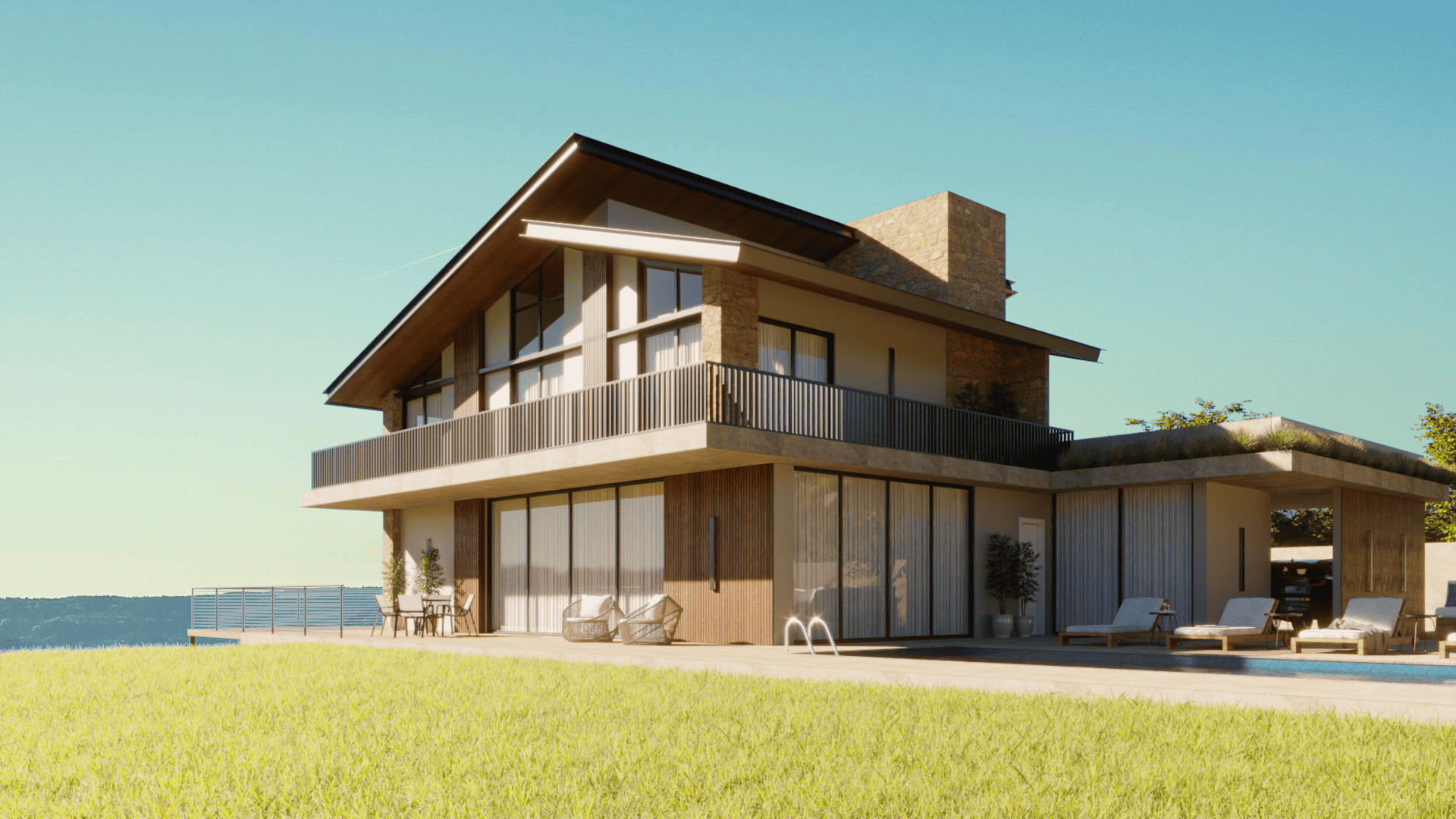
- Design FlexibilityContrary to the perception that modular constructions are limited in design, this technique offers a wide range of architectural possibilities. Modular structures can be customized to meet different needs and aesthetics, from modern residential projects to large-scale commercial buildings.
- Reduced Impact on the Construction SiteSince much of the work is carried out off-site, the impact on the construction site environment is less. There is less noise, pollution, and traffic, which is especially advantageous in densely populated urban areas.
How Modular Construction Is Transforming the Market
Modular construction has sparked a true revolution in the construction industry, bringing profound changes to both processes and market perception. Some of the main impacts include:
- Adoption in Various SectorsThe use of modular construction is rapidly expanding into sectors such as healthcare, education, housing, and hospitality. Modular hospitals, for example, have been widely used in emergencies and pandemics due to the speed with which they can be assembled. Furthermore, many hospitality companies are adopting prefabricated modules to expand their operations in record time.
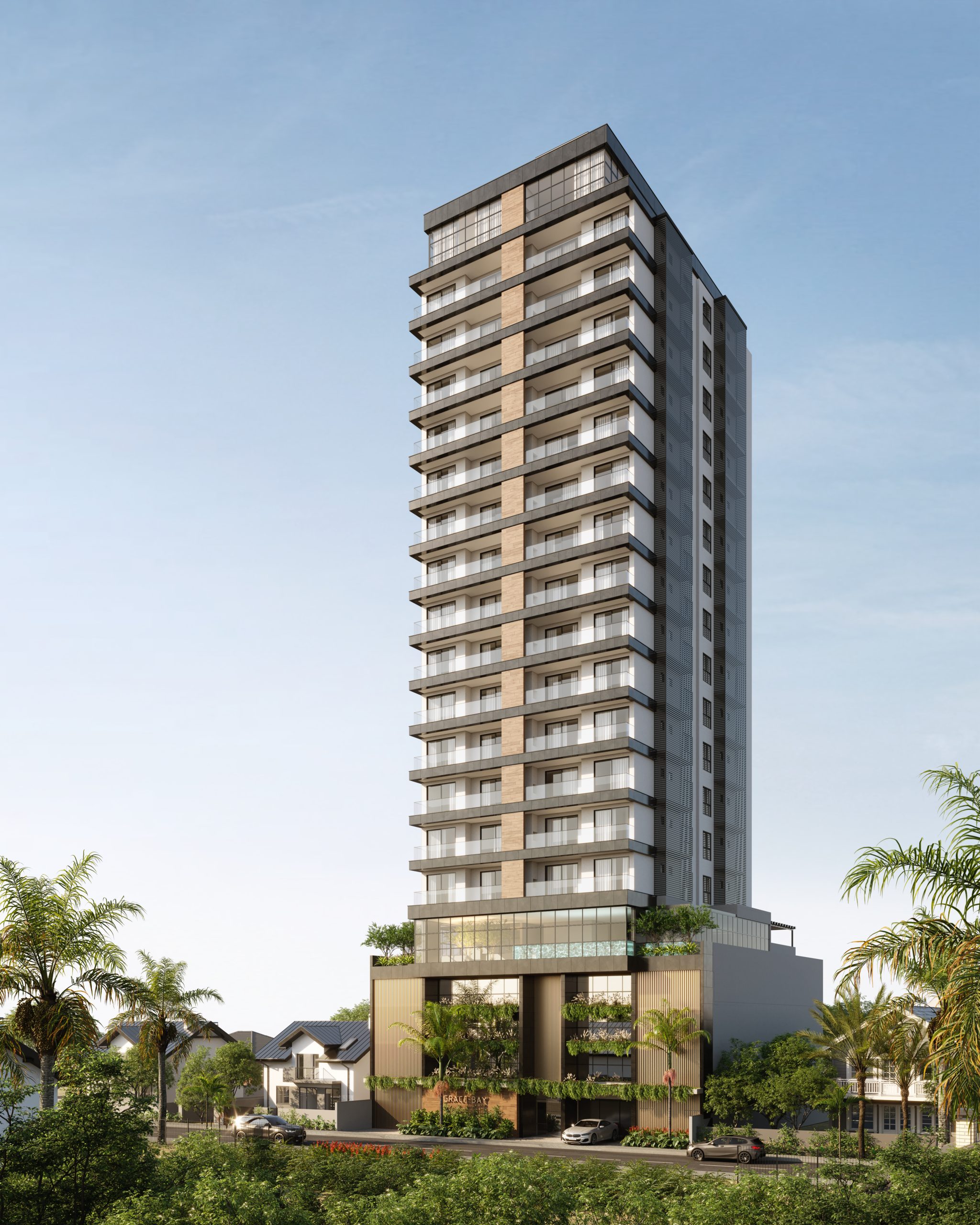
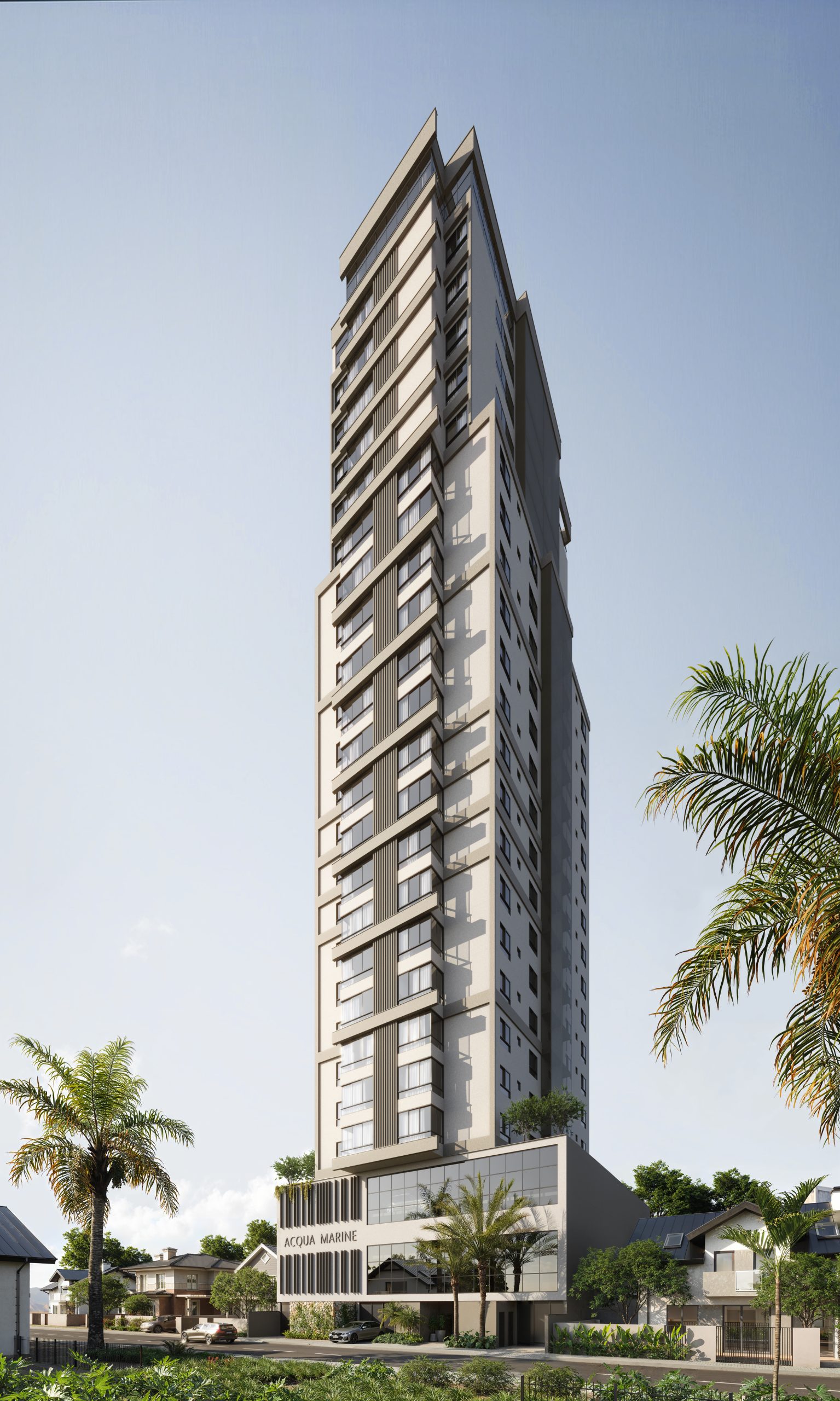
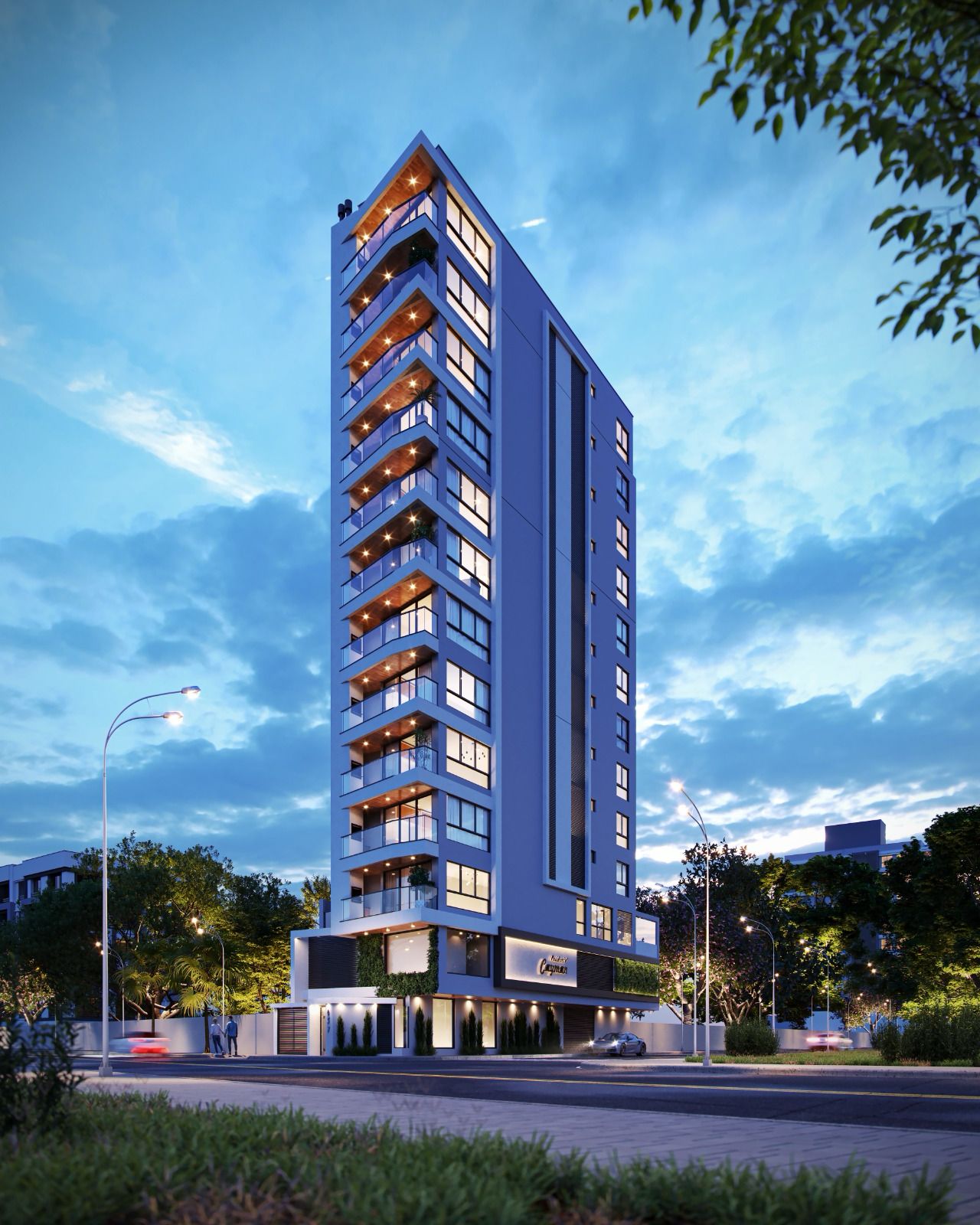
- Rapid Urban DevelopmentIn large cities, where the demand for housing and infrastructure is high, modular construction is becoming an efficient solution. With the ability to construct tall and complex buildings in a shorter time, this method is helping to address the housing crisis and rapid urban growth in a more efficient and sustainable way.
- Integration with Innovative TechnologiesModular construction has also benefited from integration with technologies such as 3D printing, BIM (Building Information Modeling), and industrial automation. These innovations allow for more detailed planning, greater precision in designs, and the possibility of large-scale customization, increasing the efficiency of the process.
- Investors' AttentionModular construction is attracting increasing interest from investors, especially in the real estate sector. With faster delivery times and lower operating costs, this approach offers a higher return on investment (ROI) and reduces the risks associated with delays and budget overruns typical in traditional construction.
Challenges and Future Perspectives
Despite its numerous advantages, modular construction still faces some challenges. One of the biggest obstacles is market perception, which is still getting used to the idea that modular buildings can be as robust and customizable as those built in the traditional way. Furthermore, the logistics involved in transporting modules can be complex, especially for large projects or locations with difficult access.
However, the outlook for the future of modular construction is promising. As more companies adopt this methodology and consumers and investors recognize its benefits, modular construction is expected to become even more popular. With the growing demand for sustainable, fast, and economical construction, this approach is likely to continue revolutionizing the construction market in the coming years.
Conclusion
Modular construction is transforming the way we think about and execute construction projects. With benefits ranging from greater efficiency and sustainability to reduced costs and timelines, this approach is establishing itself as a viable and innovative alternative in the market. Although there are still challenges to overcome, modular construction has the potential to become the industry standard, redefining the future of civil construction.