


O SPDA Lightning Protection Systems are essential for the safety of buildings throughout Brazil.
It conducts lightning energy in a controlled manner to the ground, preventing fires, structural damage, and electrical losses.
In addition, the system protects lives and equipment, ensuring the safe operation of the facilities.
For this reason, lightning protection systems (LPS) are mandatory in all types of buildings, as determined by... ABNT NBR 5419.
Since Brazil is one of the countries with the highest incidence of lightning strikes in the world, installing the system has gone from being an option to a necessity.
According to INPE, The country records more than 70 million lightning strikes per year.
Therefore, the lightning protection system (LPS) represents an essential measure of protection and technical responsibility.
What is an SPDA (Lightning Protection System) and how does it work?
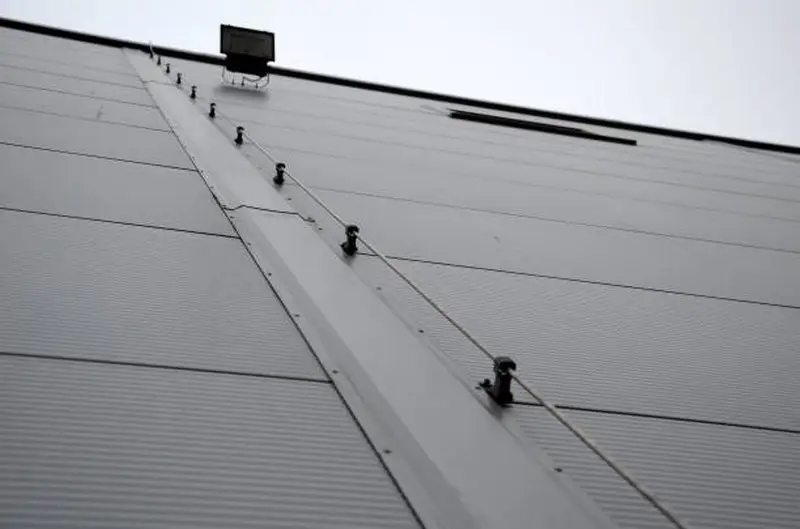
A lightning protection system (LPS) is a set of metallic elements designed to capture and conduct the electrical energy of lightning strikes to the ground.
It prevents the current from traveling through the building's structure, thus avoiding shocks and fires.
The system is composed of three main parts:
- Captors: Installed at the top, they capture atmospheric discharges;
- Downhill drivers: They conduct the current to the grounding system;
- Grounding: It safely disperses energy into the ground.
In addition, the system includes equipotential bonding, which connects metal parts and prevents differences in electrical potential.
This virtually eliminates the risk of damage to equipment and people.
Therefore, a well-planned lightning protection system acts quickly, safely, and efficiently, protecting the entire building against lightning strikes.
Why invest in lightning protection systems?
Investing in lightning protection systems is investing in safety and durability.
Without this system, lightning can cause fires, damage equipment, and put lives at risk.
Furthermore, a lightning strike can compromise the entire electrical installation and generate significant losses.
With a lightning protection system (LPS), energy is diverted to the ground in a controlled manner, keeping structures intact.
Consequently, buildings become safer and more valuable.
Furthermore, companies and condominiums that have lightning protection systems (LPS) comply with legislation and insurance company requirements.
In the event of a claim, the system protects the assets and ensures insurance coverage.
In this way, the lightning protection system (LPS) becomes a technical guarantee and a differentiating factor for any type of project.
Mandatory standards and inspections
A ABNT NBR 5419:2015 It is the standard that defines the design, installation, and maintenance stages of the lightning protection system (LPS).
She demands one risk analysis detailed analysis, considering height, built area, type of occupancy, and radius index of the region.
Furthermore, the standard mandates that the system undergo periodic inspections.
These inspections should occur at most every three years or whenever there are renovations and expansions.
This ensures the system's efficiency is maintained over time.
Therefore, following the regulations ensures safety, technical compliance, and peace of mind for the owner.
Maintaining the lightning protection system in good condition is an ongoing and indispensable responsibility.
Lightning Protection Systems and Sustainability in Modern Construction
The lightning protection system also contributes to sustainability.
With the increased use of solar panels, automated systems e sensitive electrical equipment, The need for electrical protection is growing.
A well-designed system protects this equipment and prevents waste from replacements and corrective maintenance.
Furthermore, the use of highly durable materials and modern grounding techniques reduces environmental impact and increases energy efficiency.
In this way, the lightning protection system (LPS) integrates with the concepts of sustainable engineering, which combine technology, safety, and environmental responsibility.
Design and maintenance of lightning protection systems.
The performance of a lightning protection system (LPS) depends directly on a well-executed design.
Each system must be sized according to the type and use of the building.
Therefore, only qualified engineers can develop the project and oversee the installation.
During assembly, all components must meet quality and certification standards.
Upon completion, the responsible engineer must issue the technical compliance report, proving that the system meets ABNT standards.
Furthermore, regular maintenance ensures continued protection.
Over time, metallic elements undergo oxidation and lose efficiency.
Consequently, regular inspections are essential to ensure that the system functions correctly when needed.
The excellence of WGB Engineering
A WGB Engineering operates throughout Brazil with projects, installation and maintenance of SPDA.
The company develops customized solutions, always in accordance with the standards of ABNT NBR 5419.
With a highly specialized technical team, WGB Engenharia serves residential, commercial, and industrial projects.
Furthermore, each project undergoes detailed analysis and thorough verification before delivery.
In this way, the company guarantees efficient, durable, and completely safe systems.
Technical excellence and a commitment to safety make WGB Engenharia a national benchmark in lightning protection.
Conclusion: safety that begins with the lightning protection system.
O SPDA It is one of the cornerstones of safety in modern buildings.
It protects people, equipment, and assets efficiently and continuously.
With technology and planning, the system guarantees peace of mind and technical compliance for any type of building.
Therefore, investing in lightning protection systems is investing in prevention, reliability, and durability.
A WGB Engineering It offers complete and customized solutions, guaranteeing maximum safety and compliance with current regulations.
With a well-designed lightning protection system, each building becomes more protected and prepared for the future.