
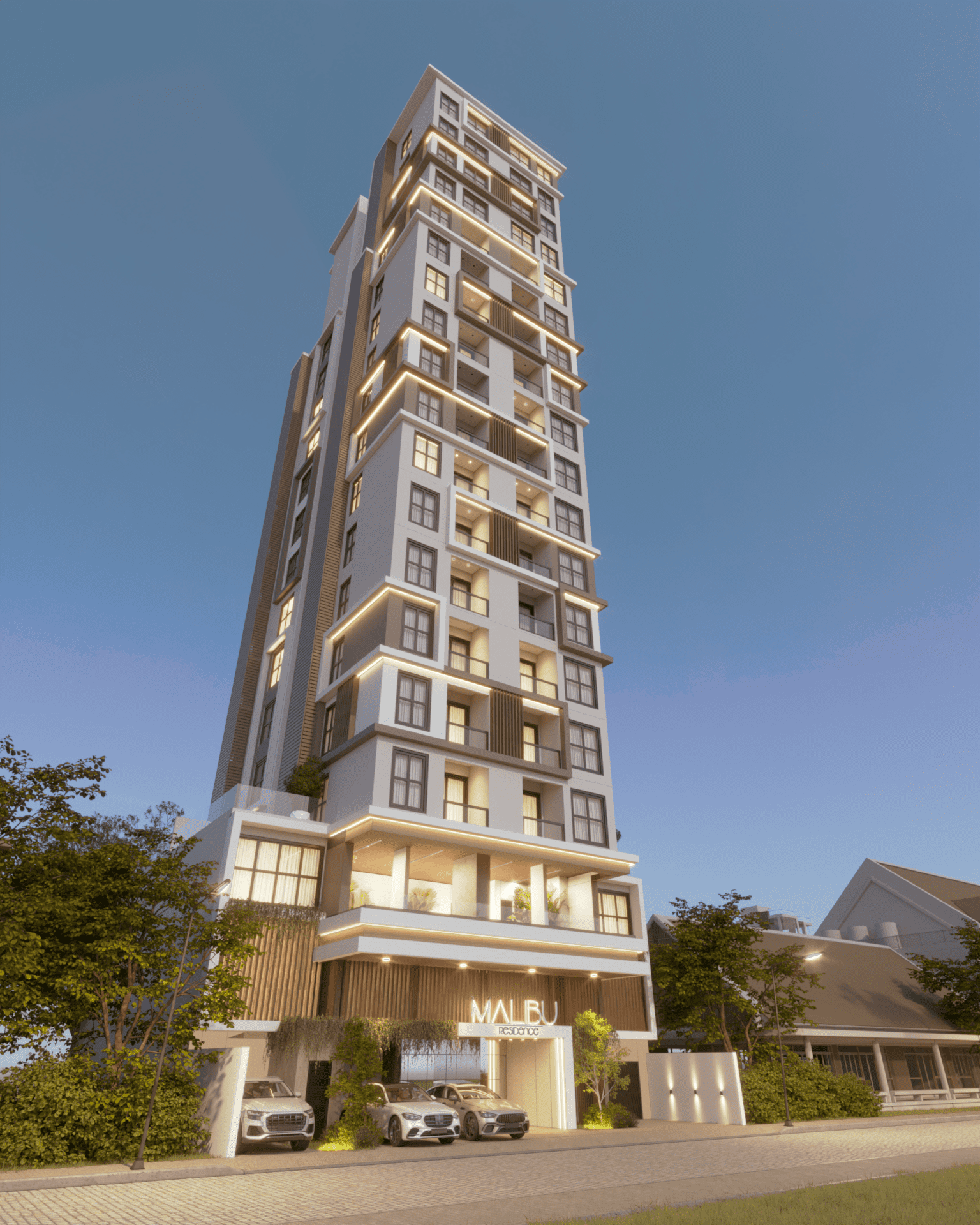
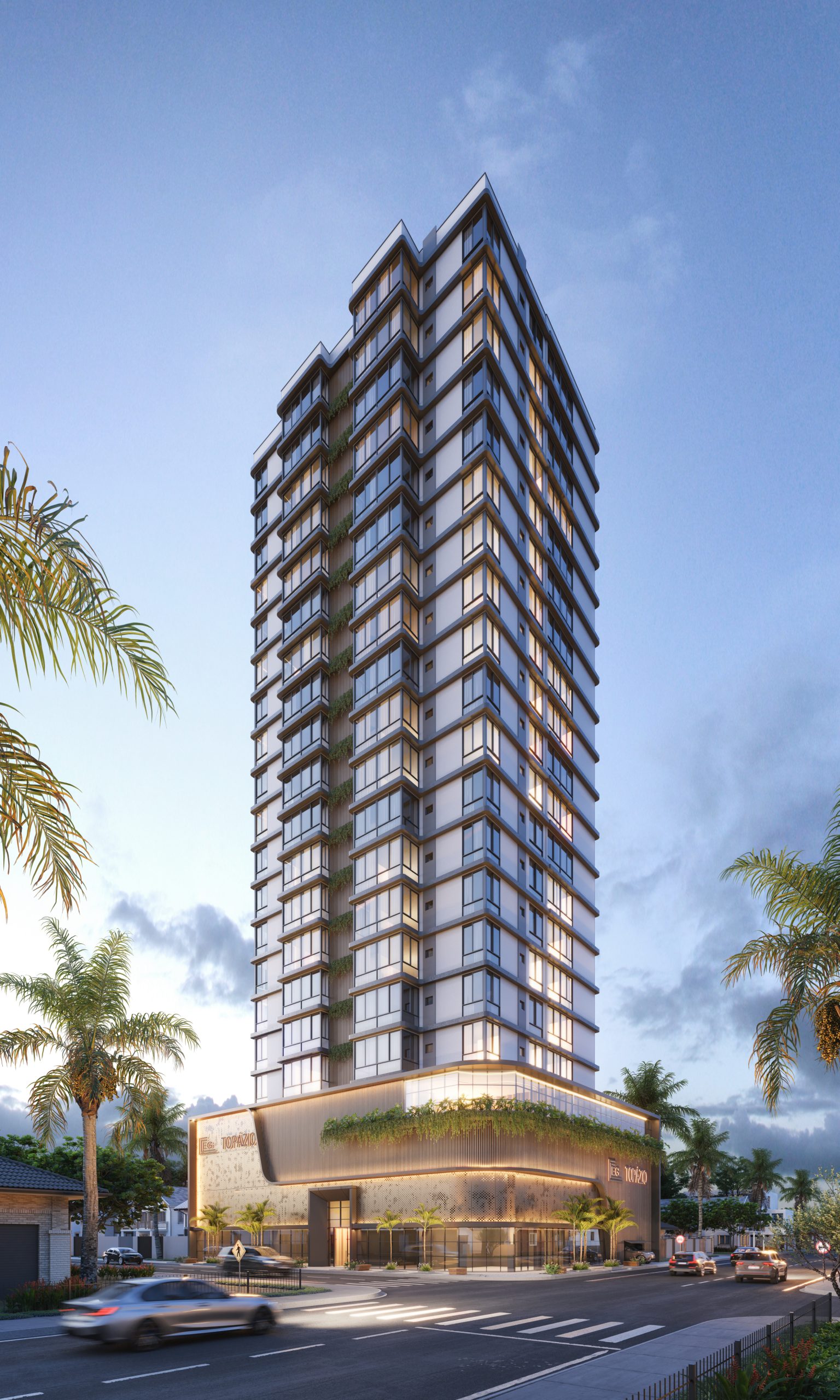
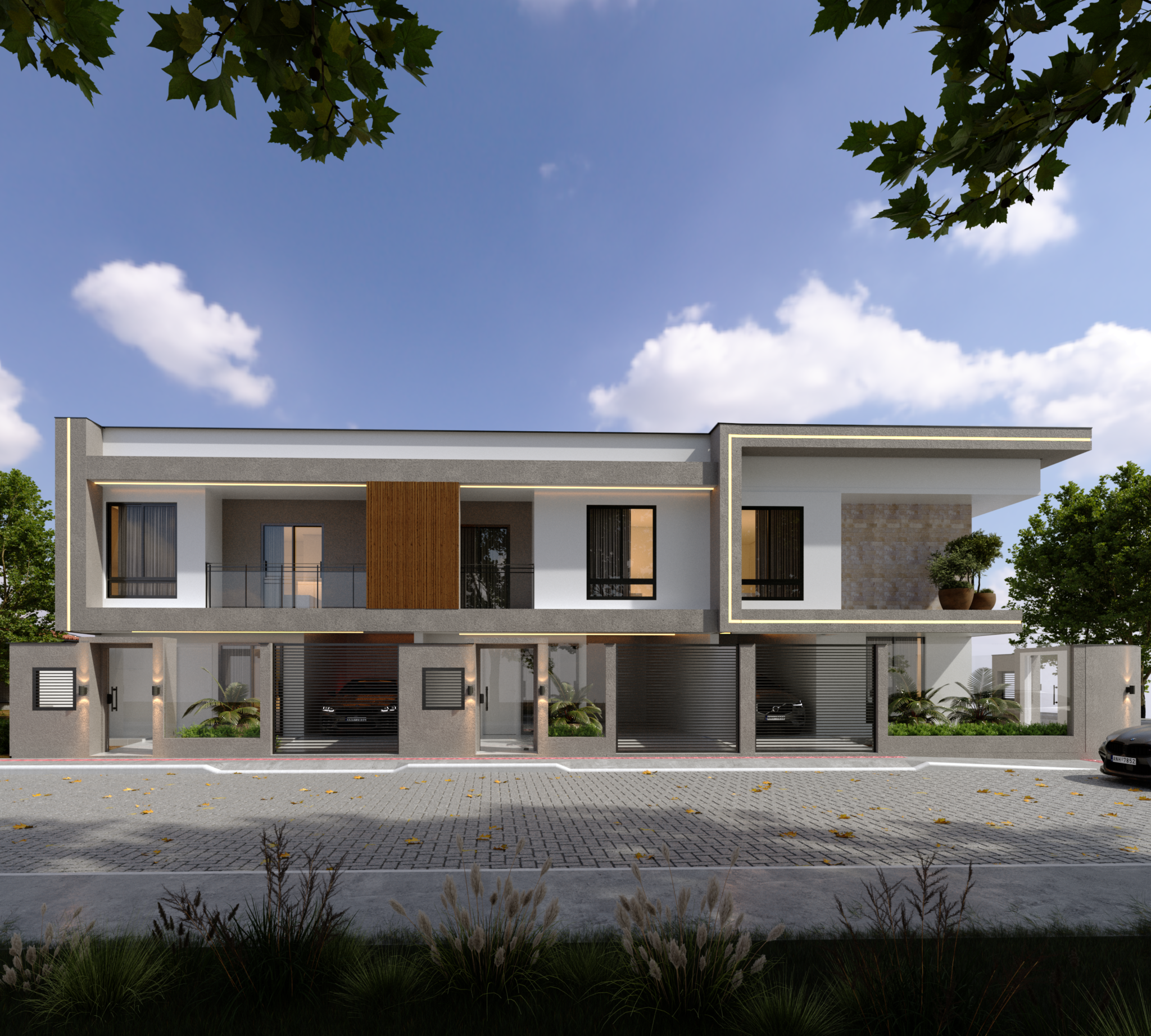
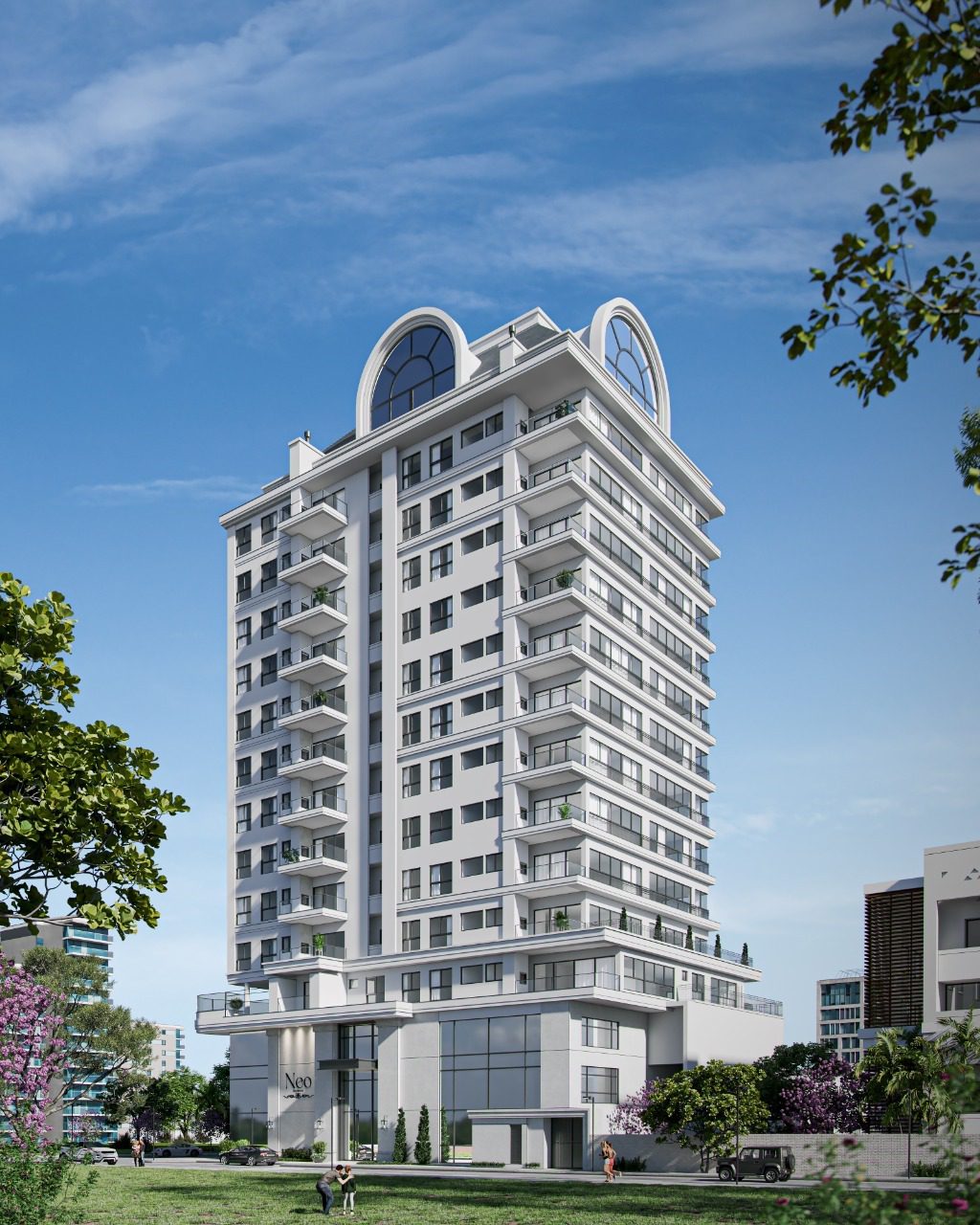
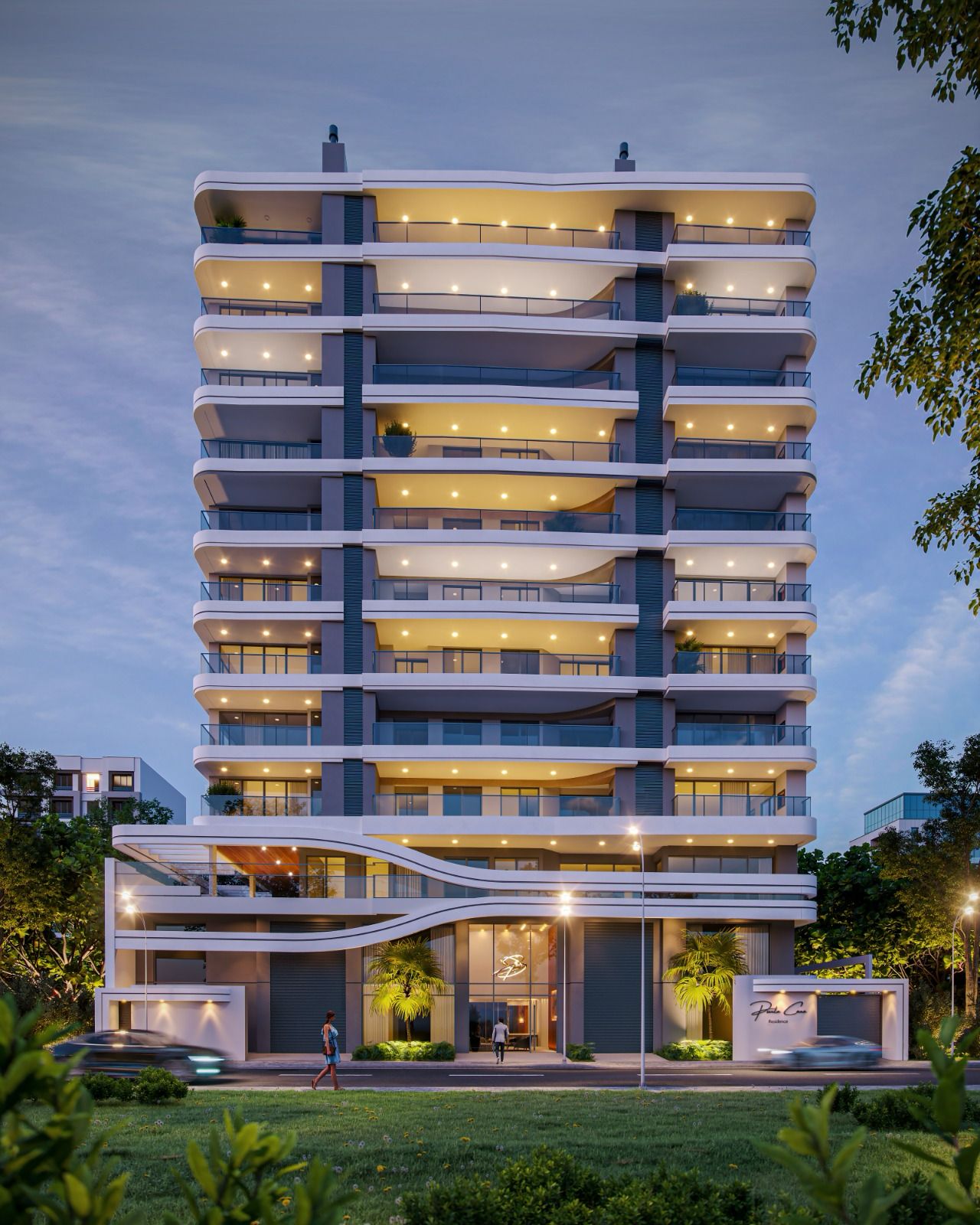
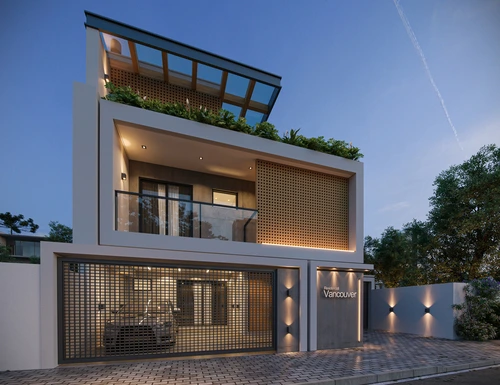
As we approach 2025, the field of architecture is rapidly transforming, driven by new technologies, environmental concerns, and shifting social needs. The future of architecture promises to be smarter, more sustainable, and more connected, shaping urban environments in innovative ways. Below, we highlight some of the key architectural trends to expect in the coming year.
1. Sustainability and Ecological Design
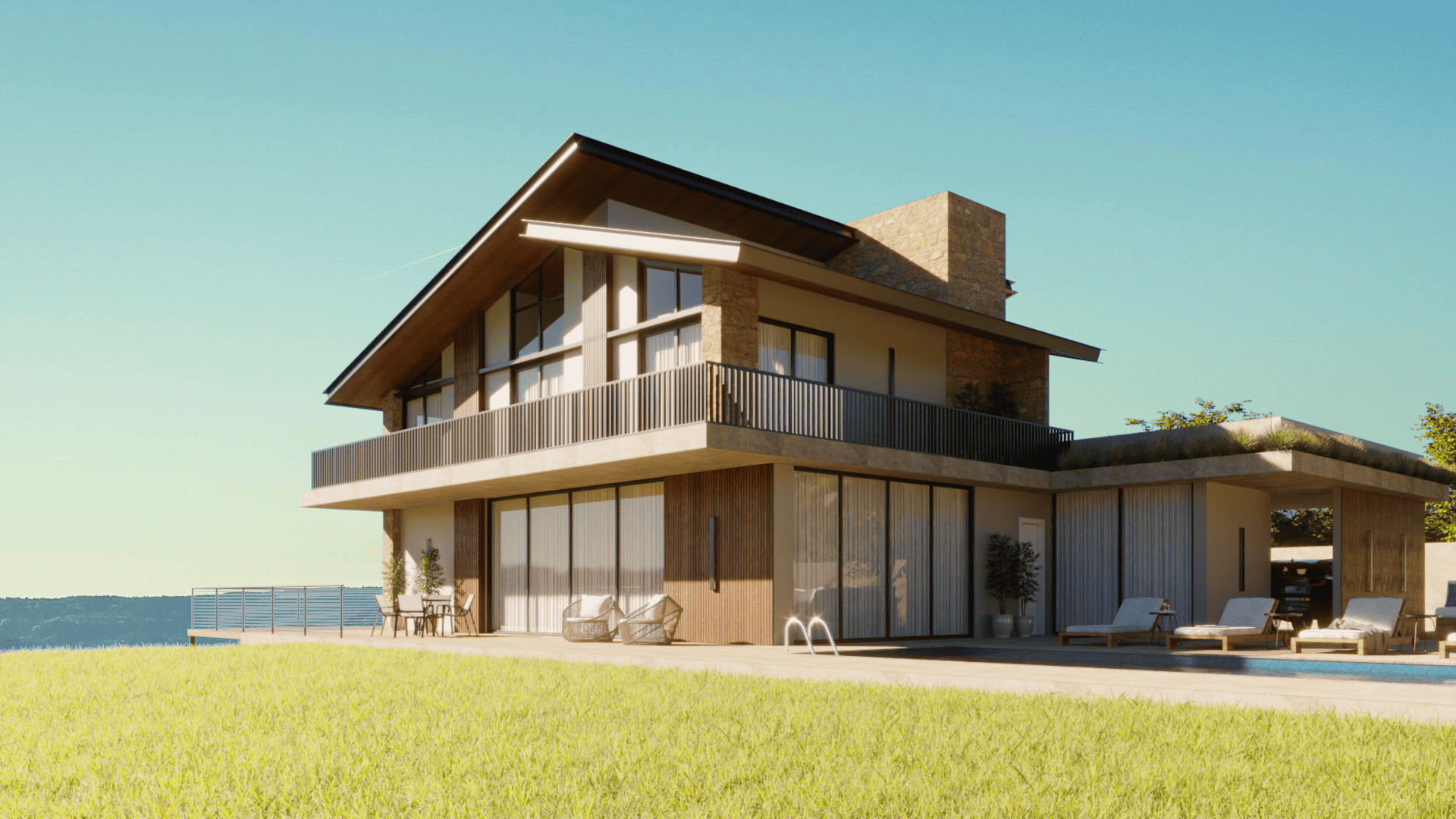
By 2025, sustainability will be a central factor in all architectural projects. Ecological architecture, which has already gained prominence in recent years, is expected to expand even further, with the use of recyclable materials, low-impact construction techniques, and increased use of renewable energies such as solar panels and wind turbines. Buildings are also expected to be more energy-efficient, with the adoption of technologies such as natural ventilation systems and improved thermal insulation.
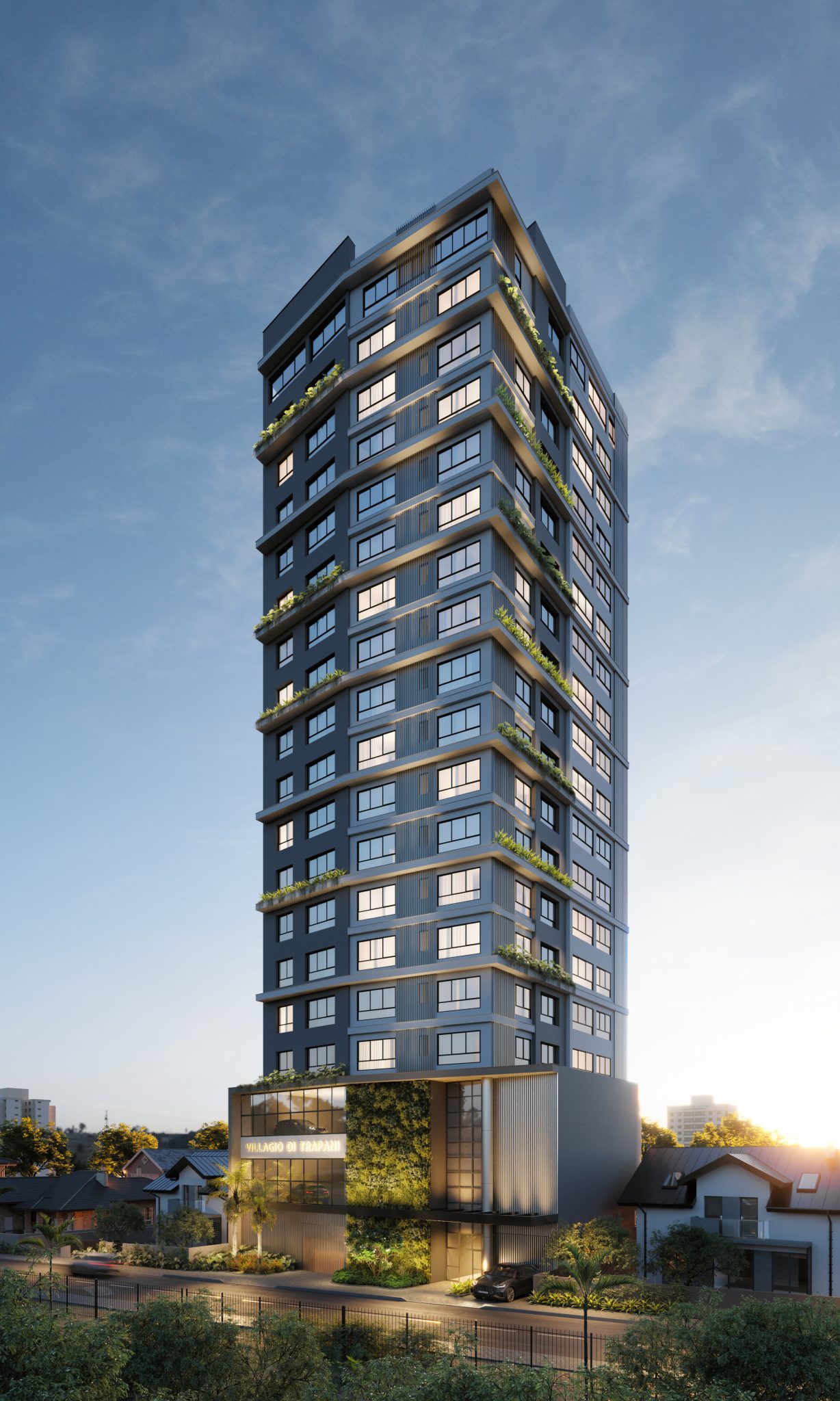
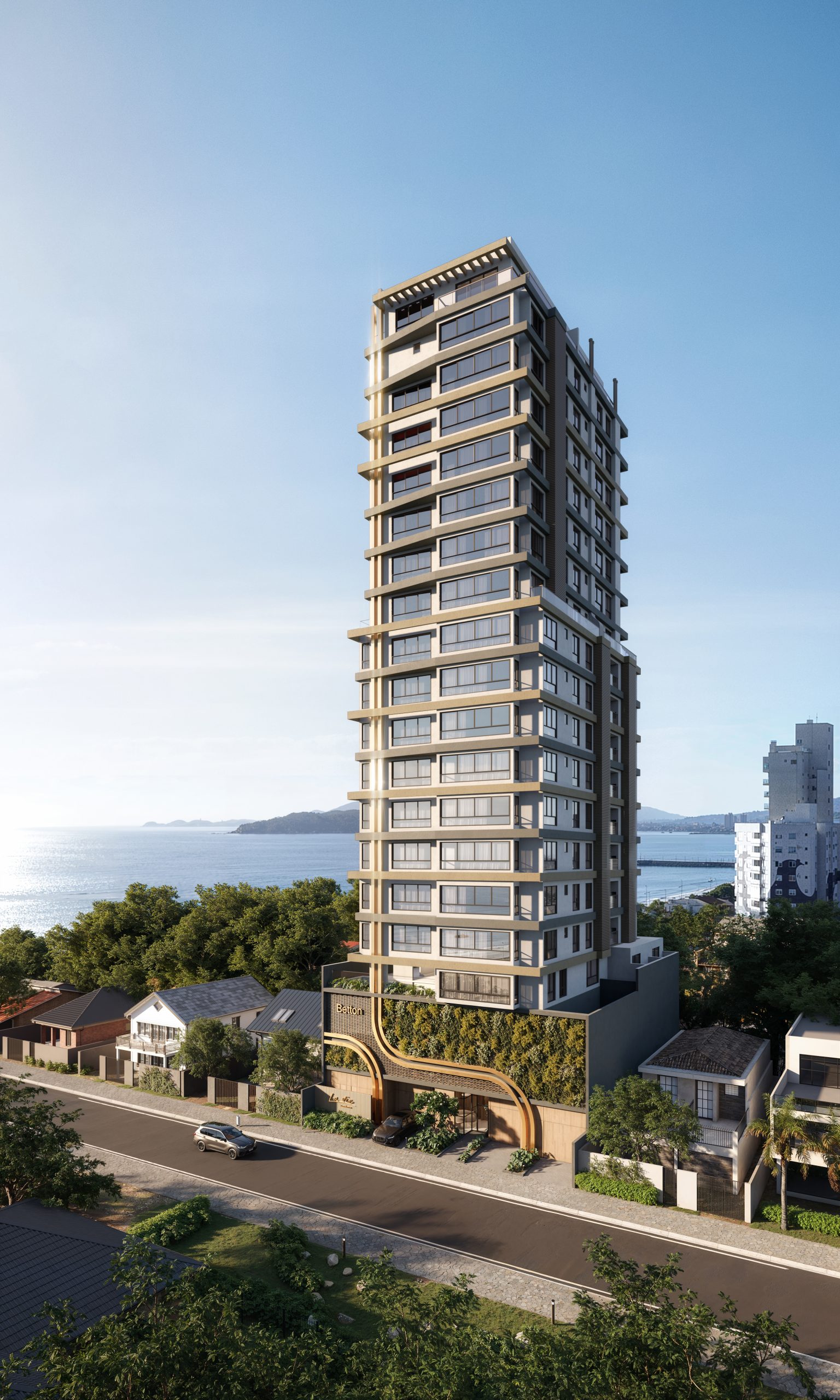
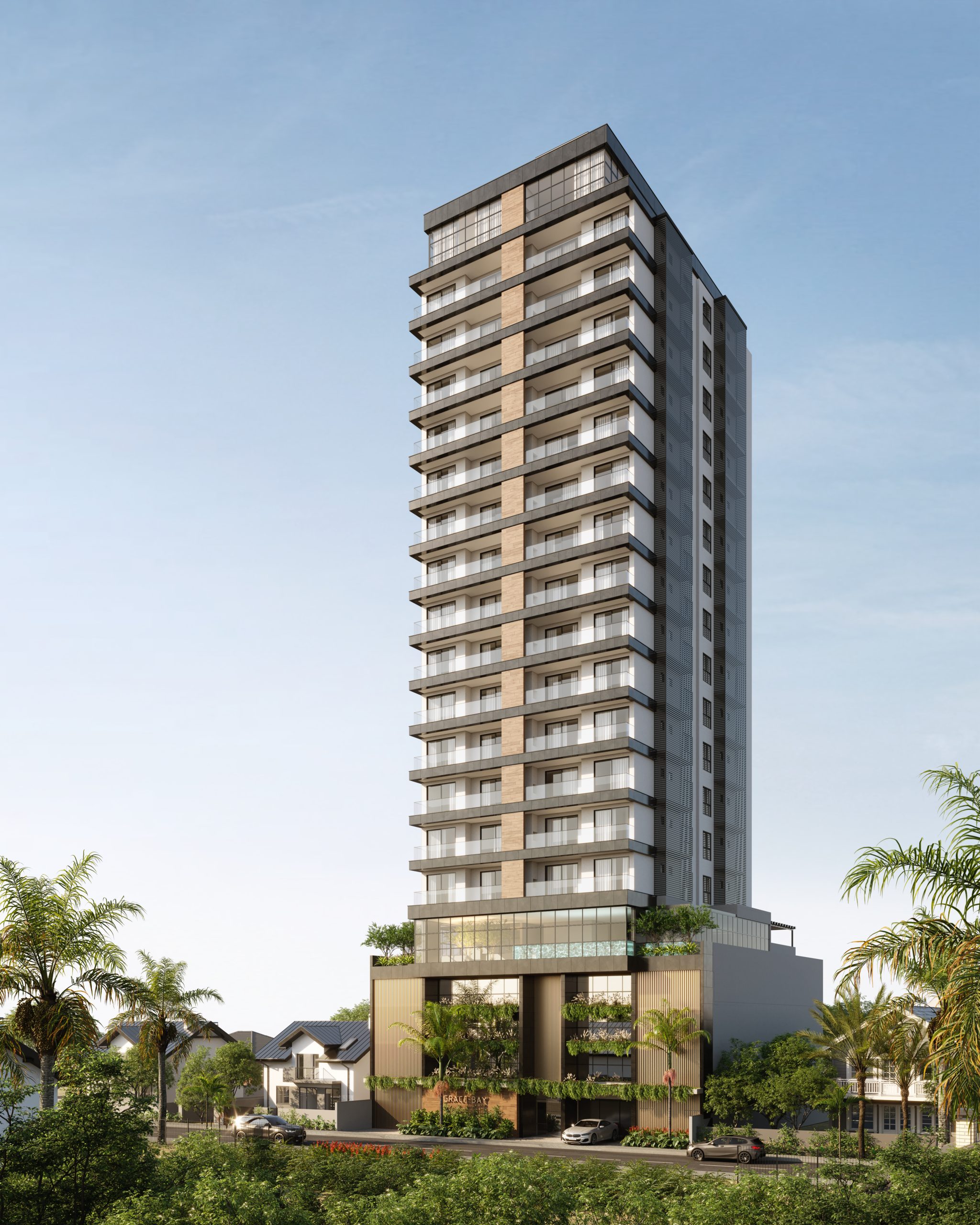
The integration of plants and vegetation into buildings, such as vertical gardens and green roofs, will also continue to be a strong trend, providing aesthetic and ecological benefits, such as reducing pollution and increasing urban biodiversity.
2. Modular and Prefabricated Architecture
Modular architecture, which involves the construction of prefabricated units that are assembled on-site, has gained popularity for its efficiency and sustainability. This trend is expected to expand by 2025, with the use of 3D printing technologies and smart materials to create highly customized modules with less waste. The flexibility of modular designs allows for adaptation to different needs and budgets, as well as facilitating rapid construction.
3. Artificial Intelligence and Automation
With the increasing digitalization of the construction sector, artificial intelligence (AI) and automation will play essential roles in 2025. AI can be used to optimize architectural design by analyzing real-time data and predicting material and space requirements. Furthermore, the automation of construction processes will allow for reduced costs and timelines, making projects more agile and precise.
4. Flexible and Multifunctional Spaces
Space needs are changing as urban lifestyles become more dynamic. By 2025, architecture is expected to focus more on creating multifunctional spaces, adaptable to different uses over time. This includes environments that can be easily transformed for different activities, such as home offices, leisure areas, and commercial spaces. Interior design will also be more flexible, with modular furniture that adjusts according to the needs of the moment.
5. Biophilic Architecture
The connection with nature will continue to be a growing trend. Biophilic architecture, which seeks to integrate natural elements into urban designs, will promote a sense of well-being and reduce stress. By 2025, we will see more spaces incorporating natural light, cross-ventilation, and the use of natural materials, creating environments that promote a higher quality of life for occupants.