
The Legacy of Romanesque Architecture
Romanesque architecture revolutionized European design between the 11th and 12th centuries. Many experts They define this period as the birth of large-scale stone construction. Furthermore, the robustness of the structures defines its trademark. Thus, the thick walls guaranteed total stability to the buildings. Therefore, the functional Romanesque aesthetic still influences bold contemporary designs.
Technical and Structural Elements
The perfect semicircular arch is the central pillar of this technique. For example, the distribution of loads on the side walls allowed for wider spans. However, the limited number of openings resulted in interiors with reduced natural light. In contrast, the engineering focused on extreme durability. Furthermore, the barrel vaults provided impressive structural rigidity for the time. Consequently, this style became a landmark in heavy structural engineering.
Historical Reference and Current Application
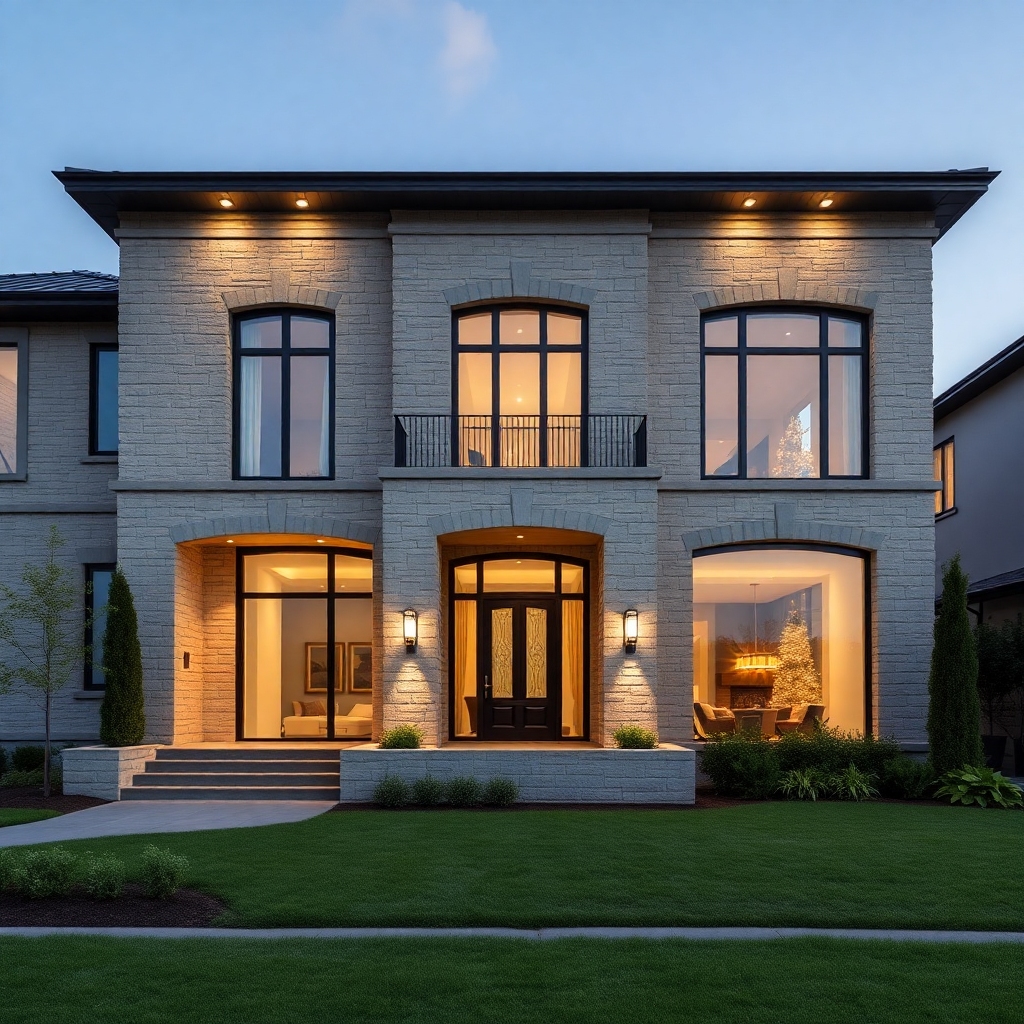
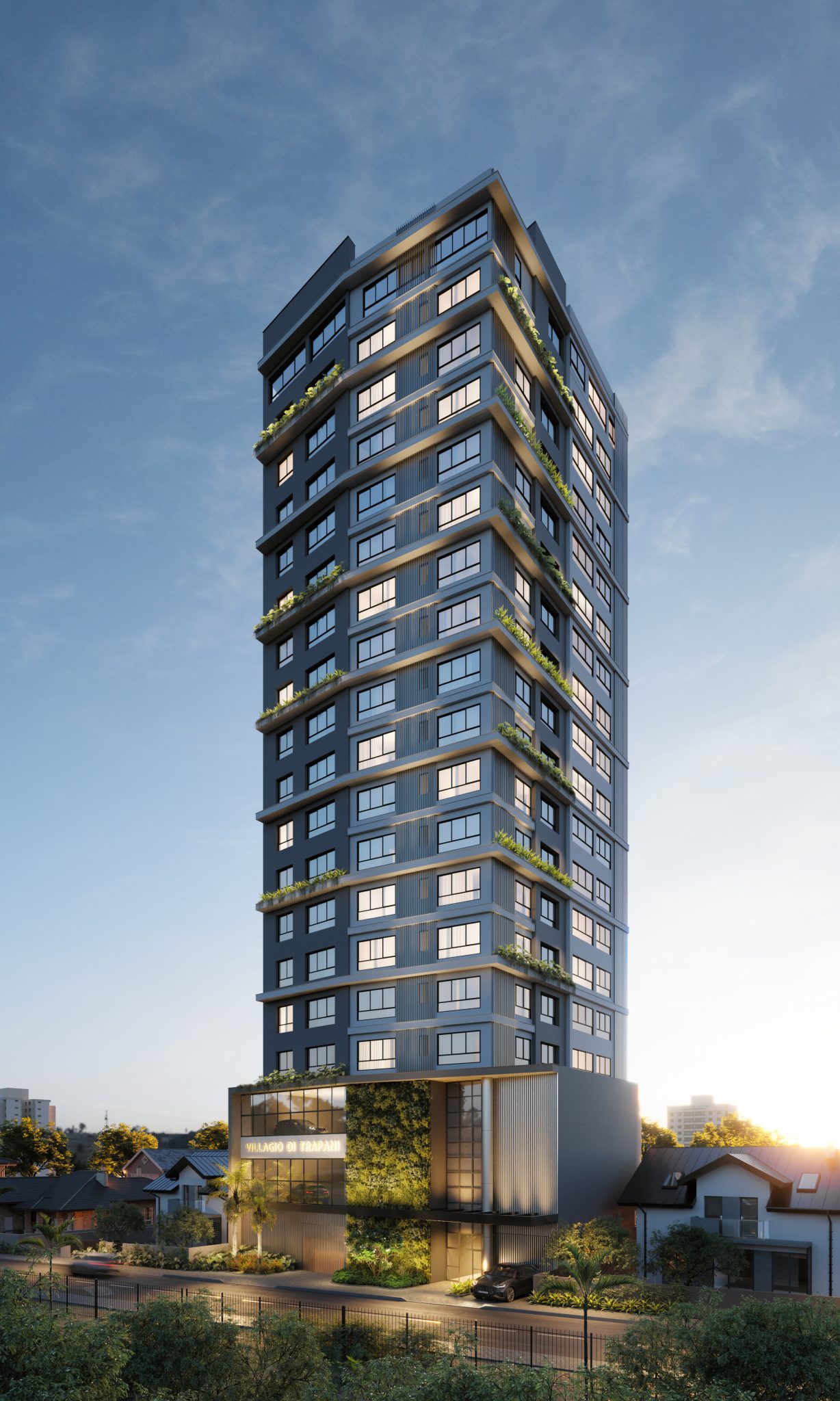
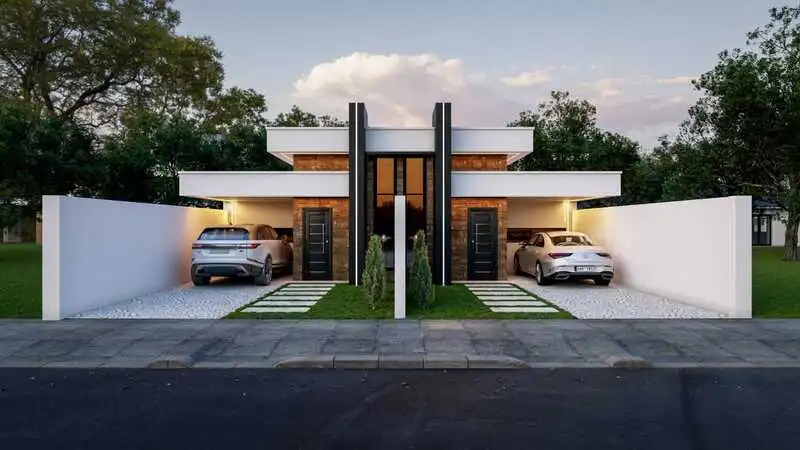
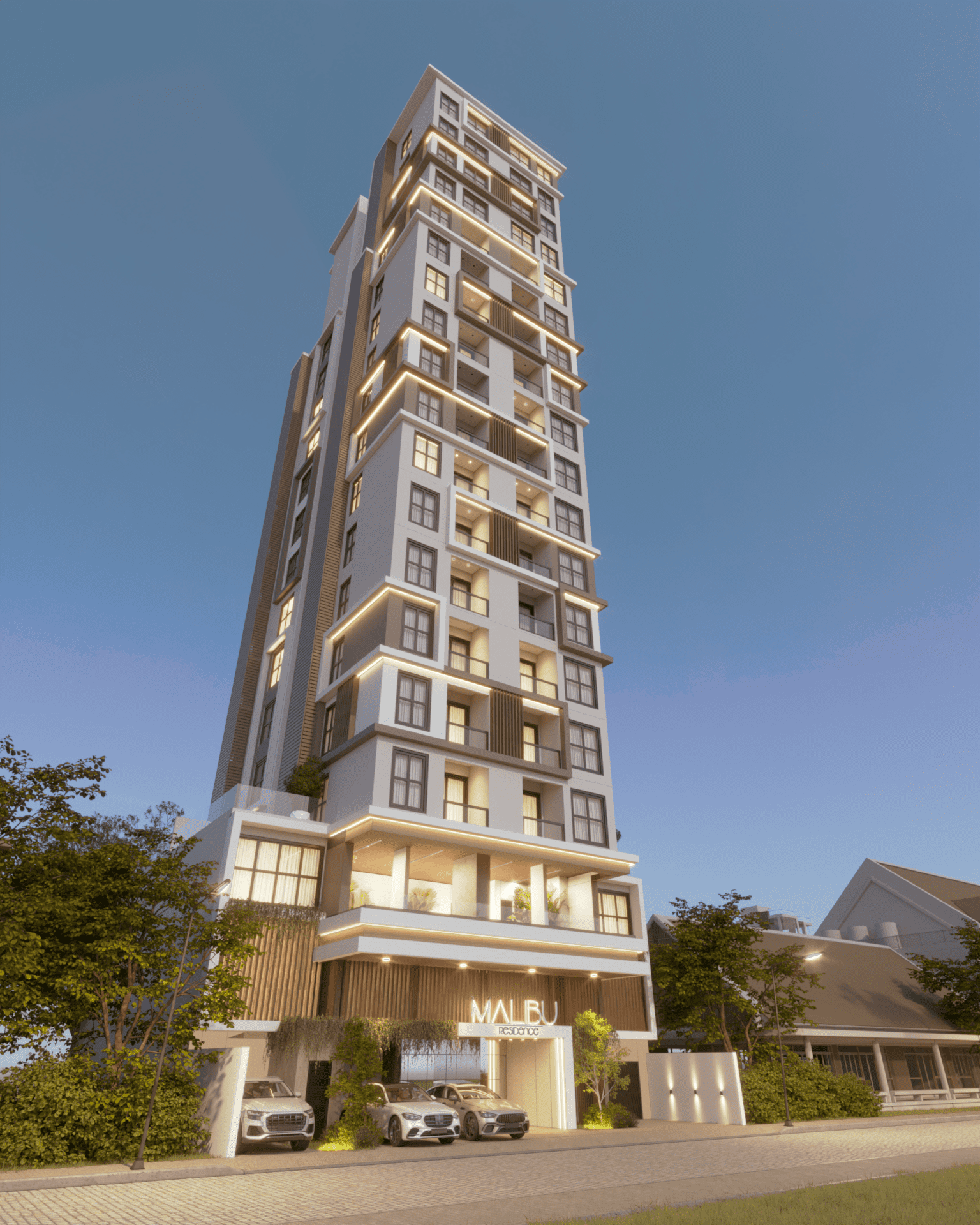
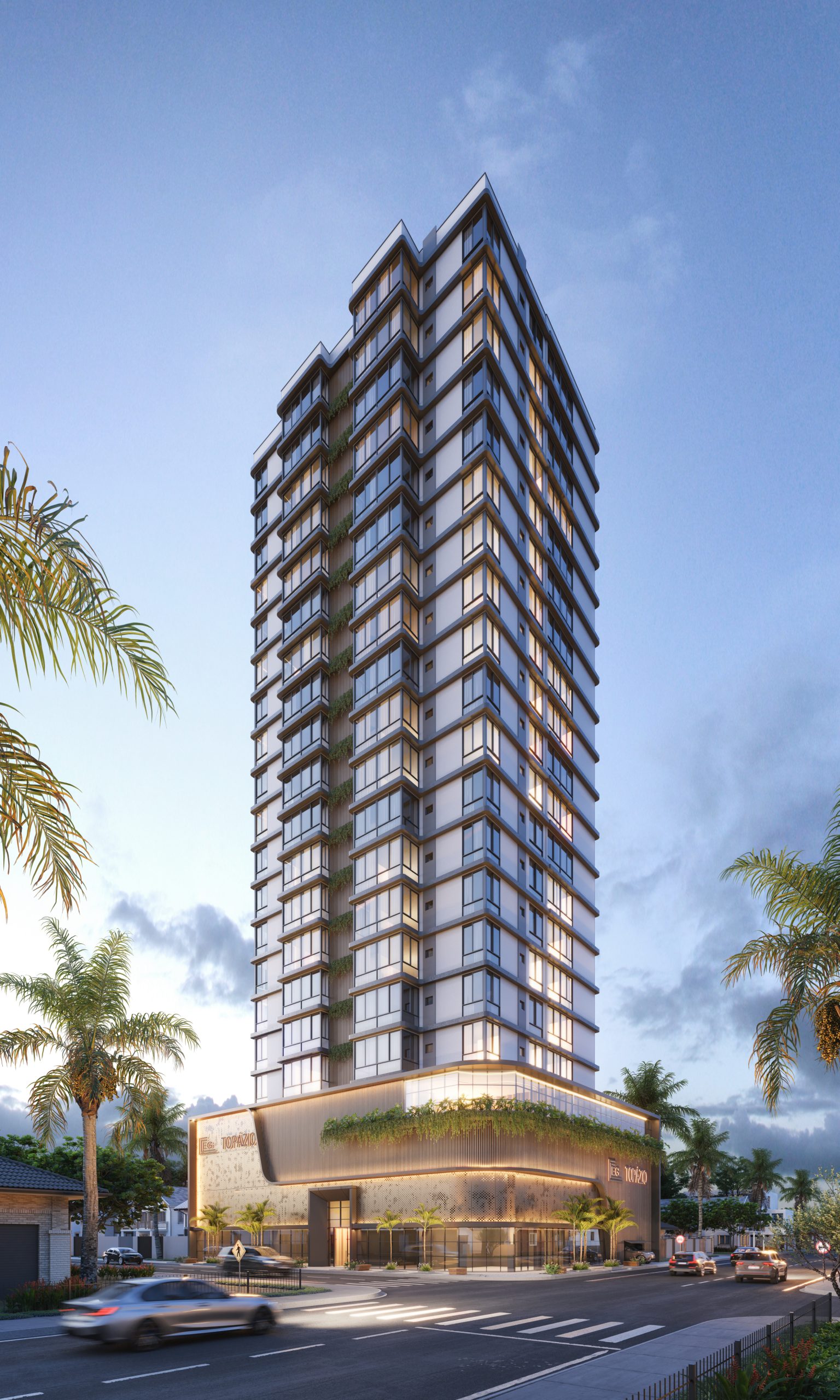
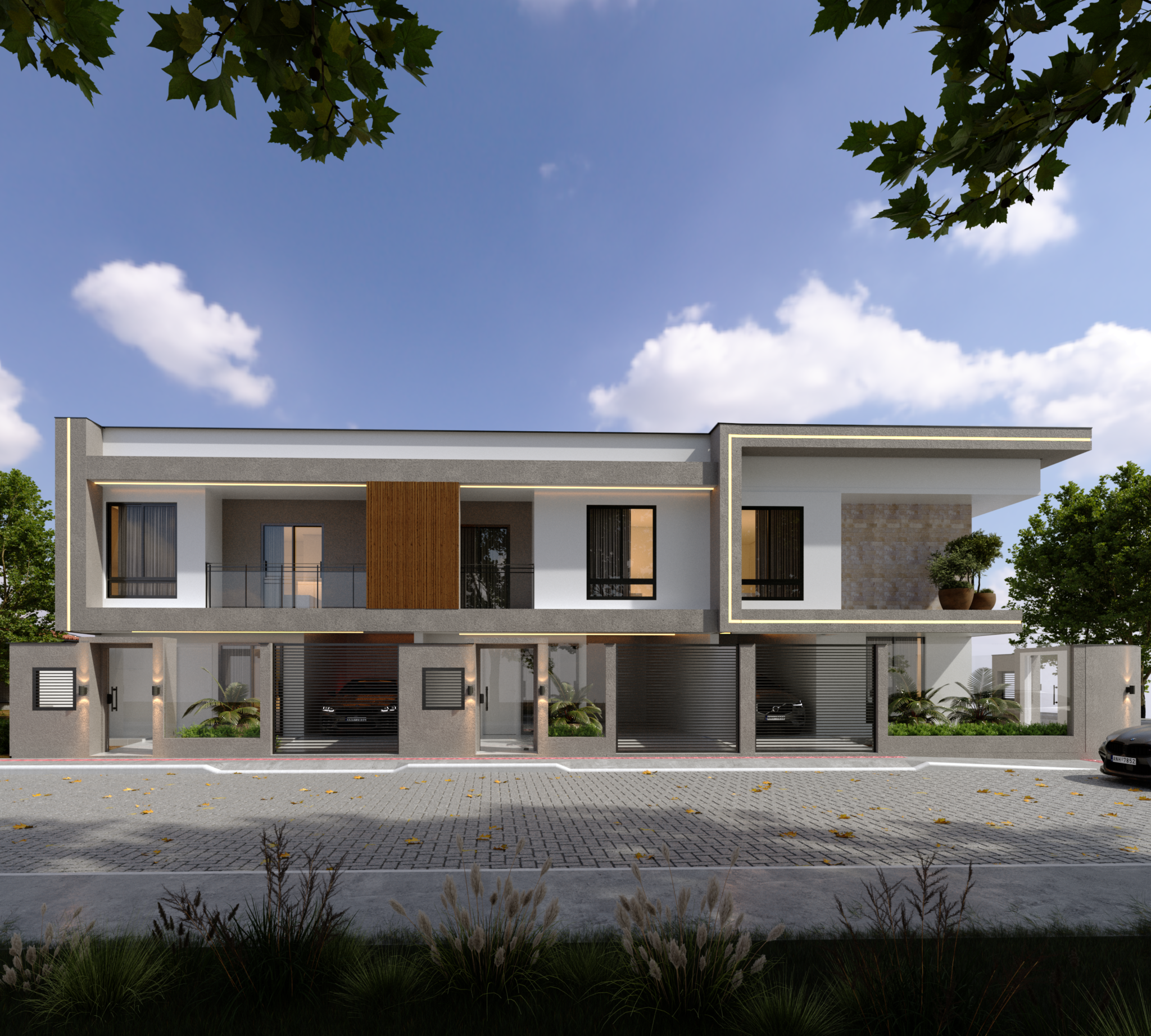
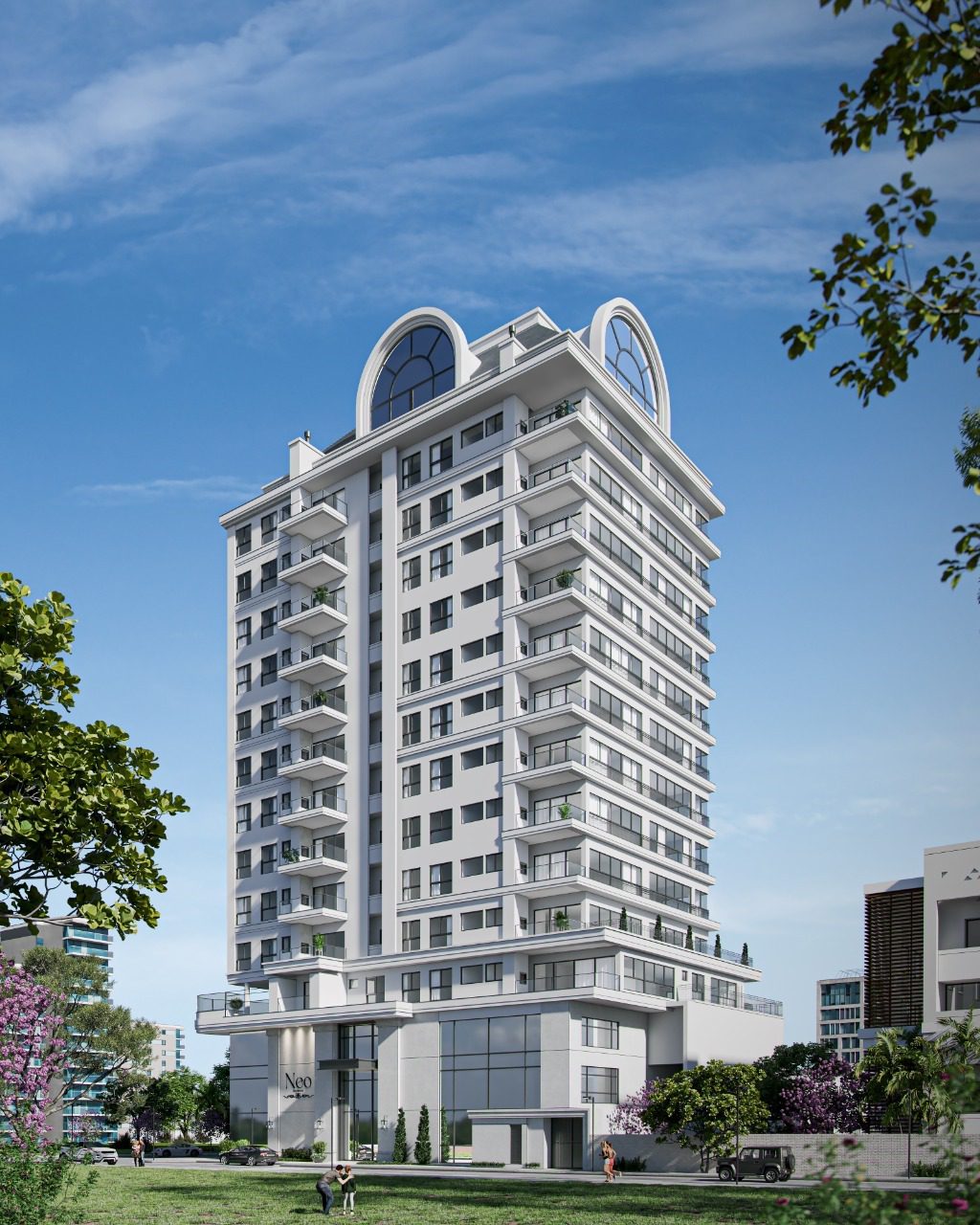
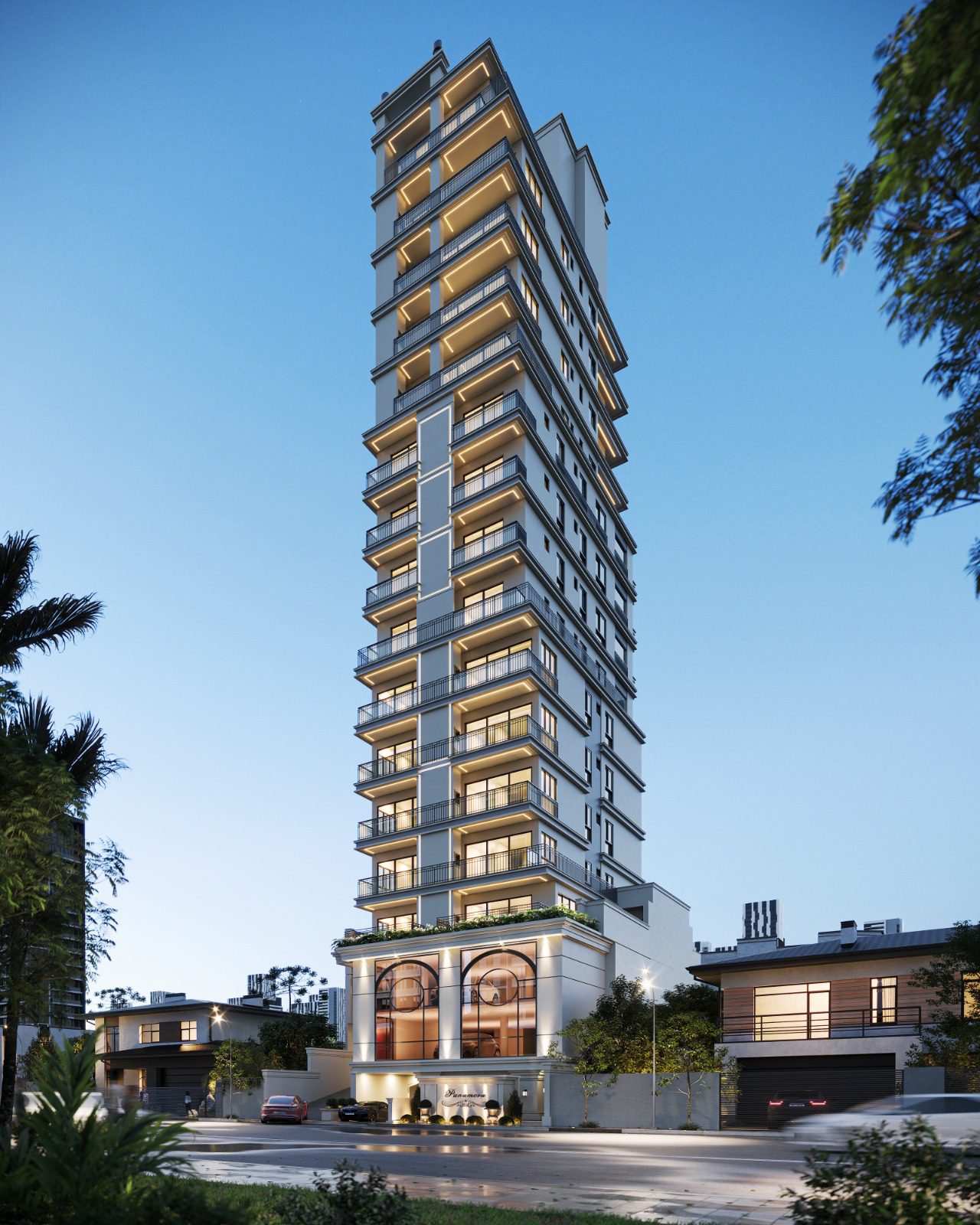
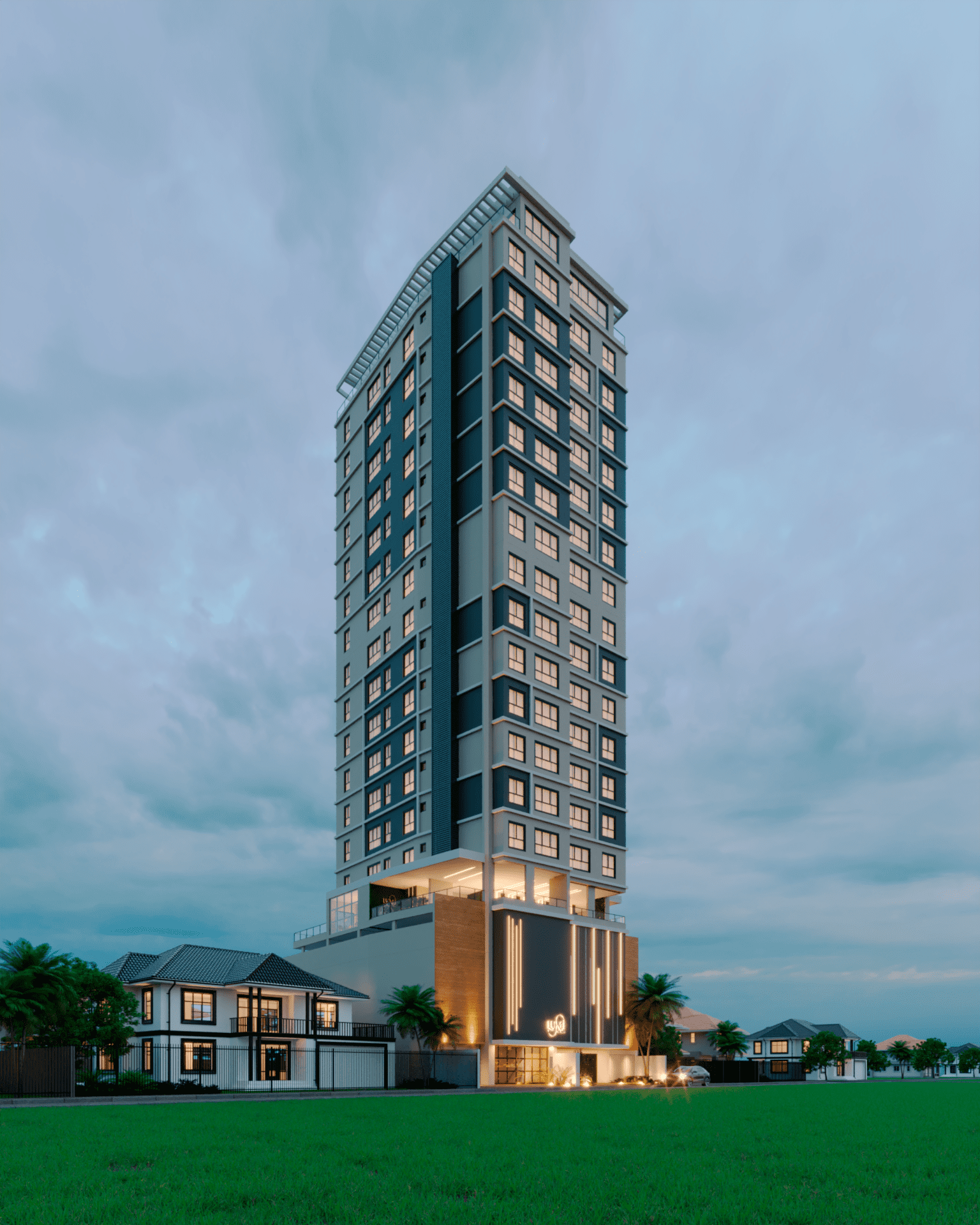
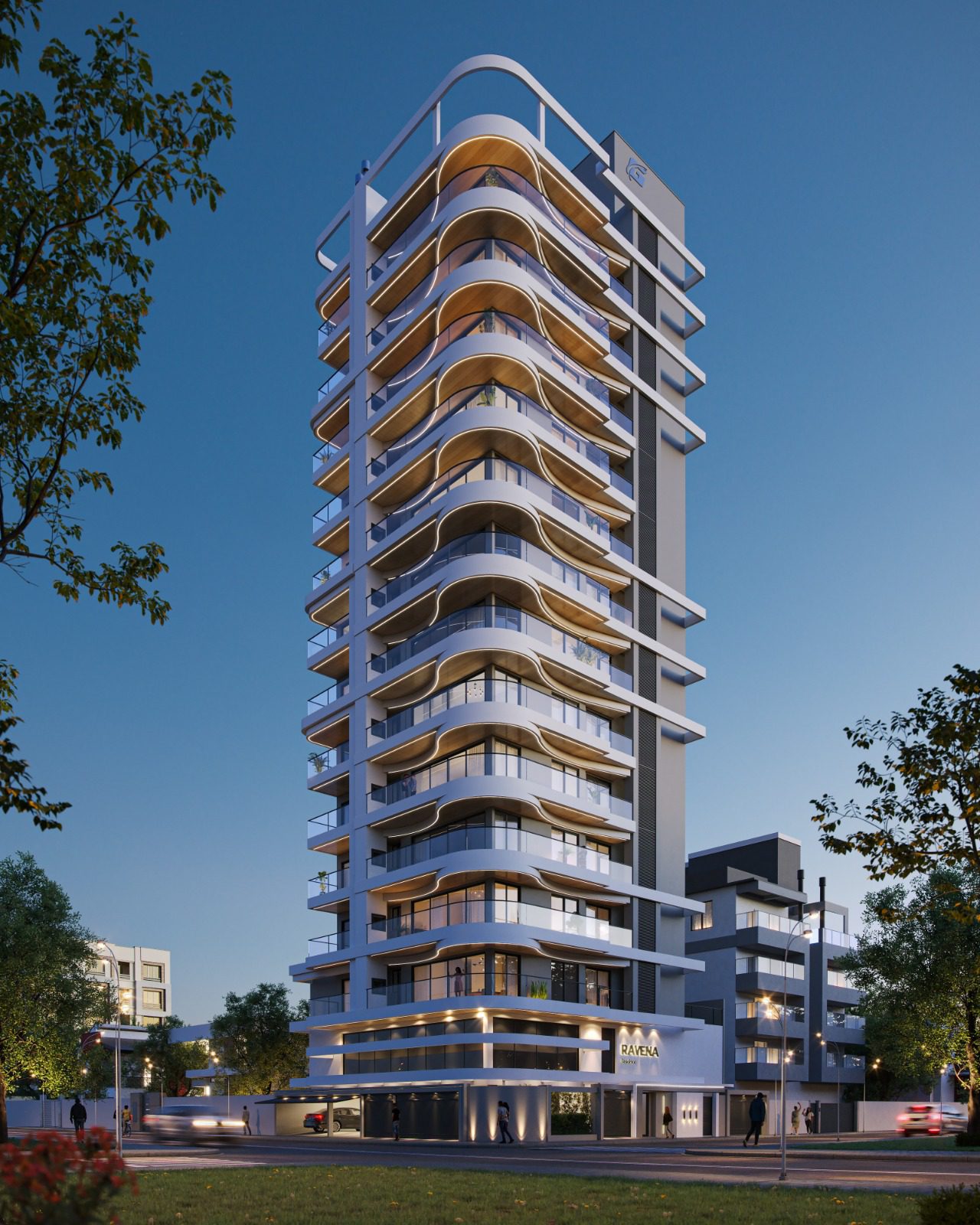
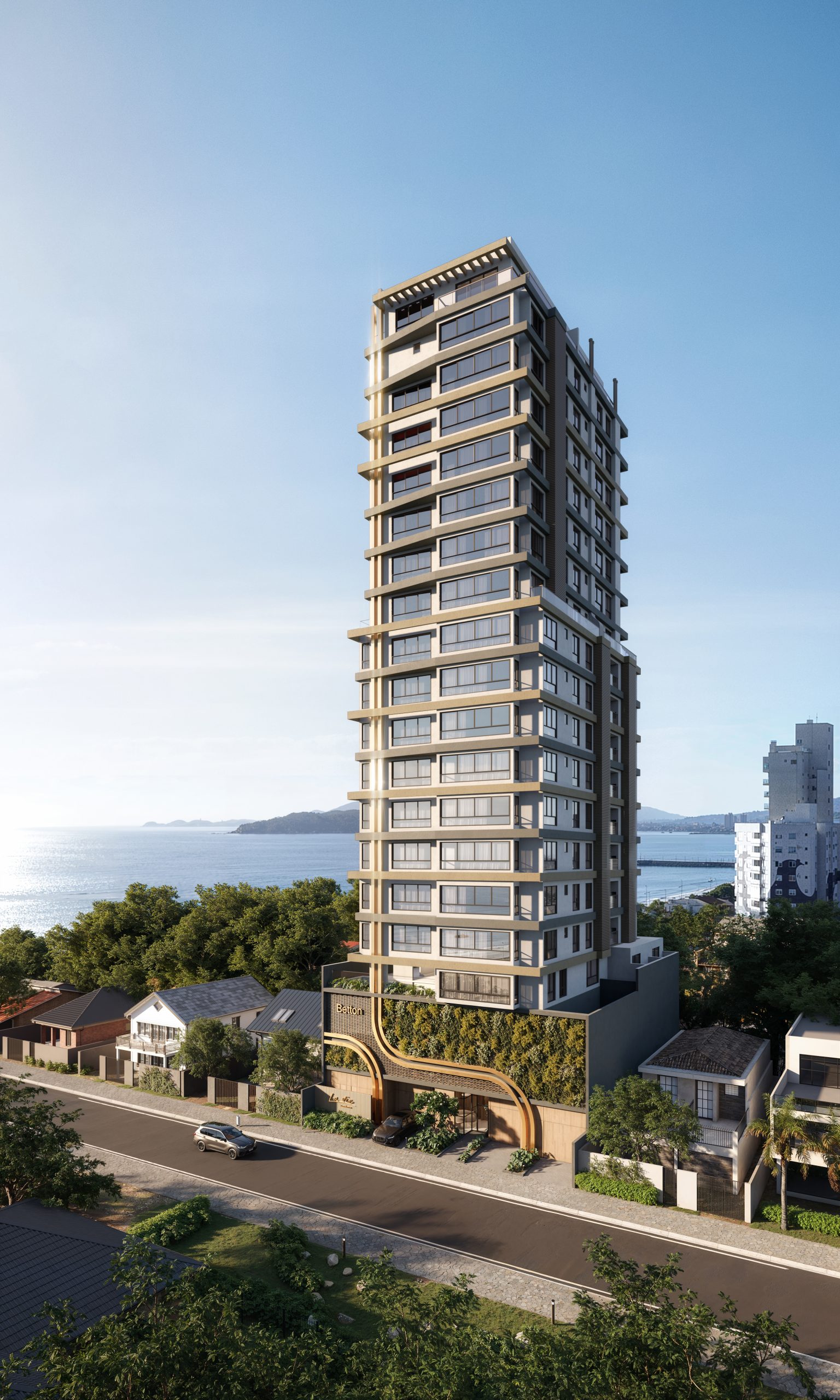
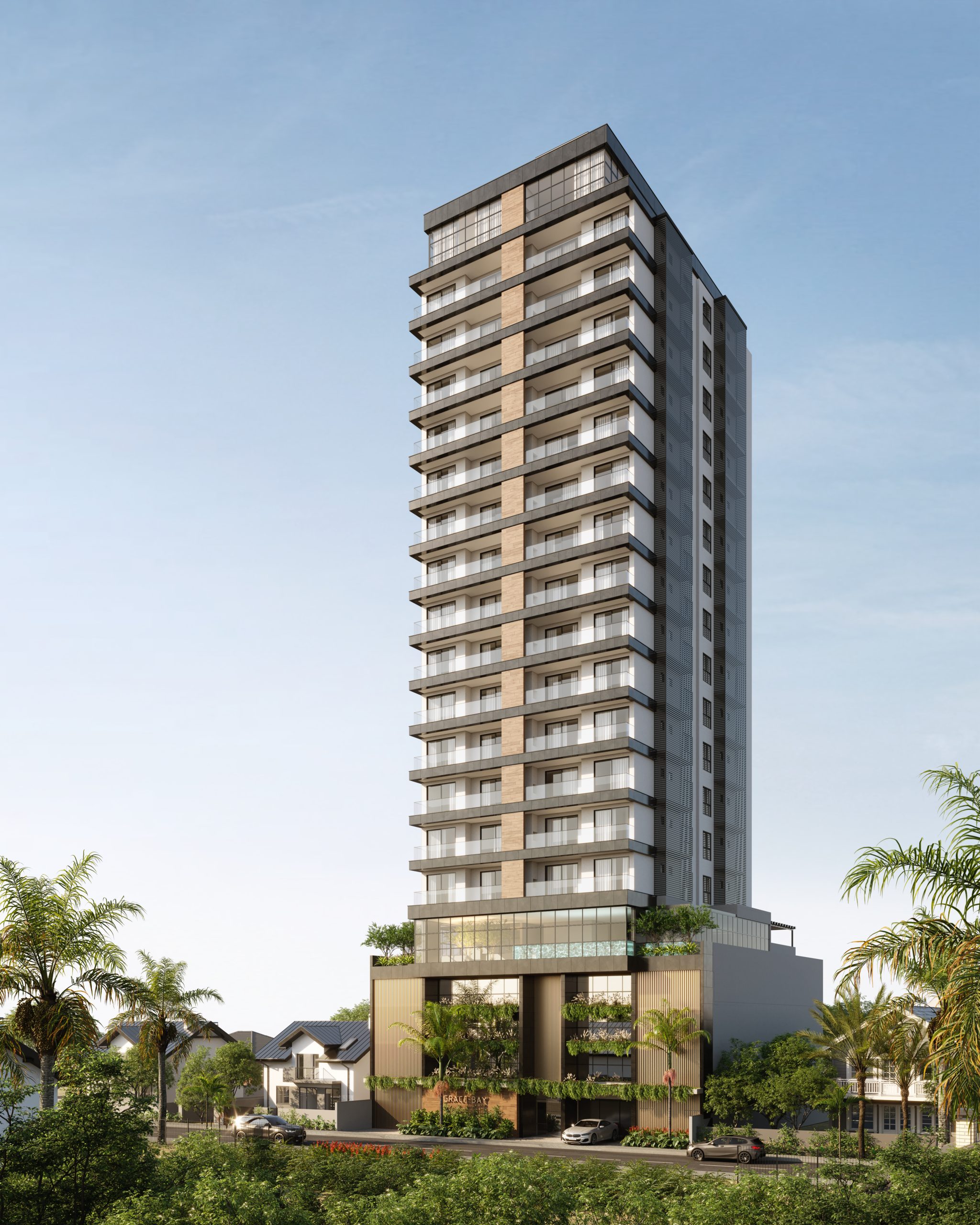
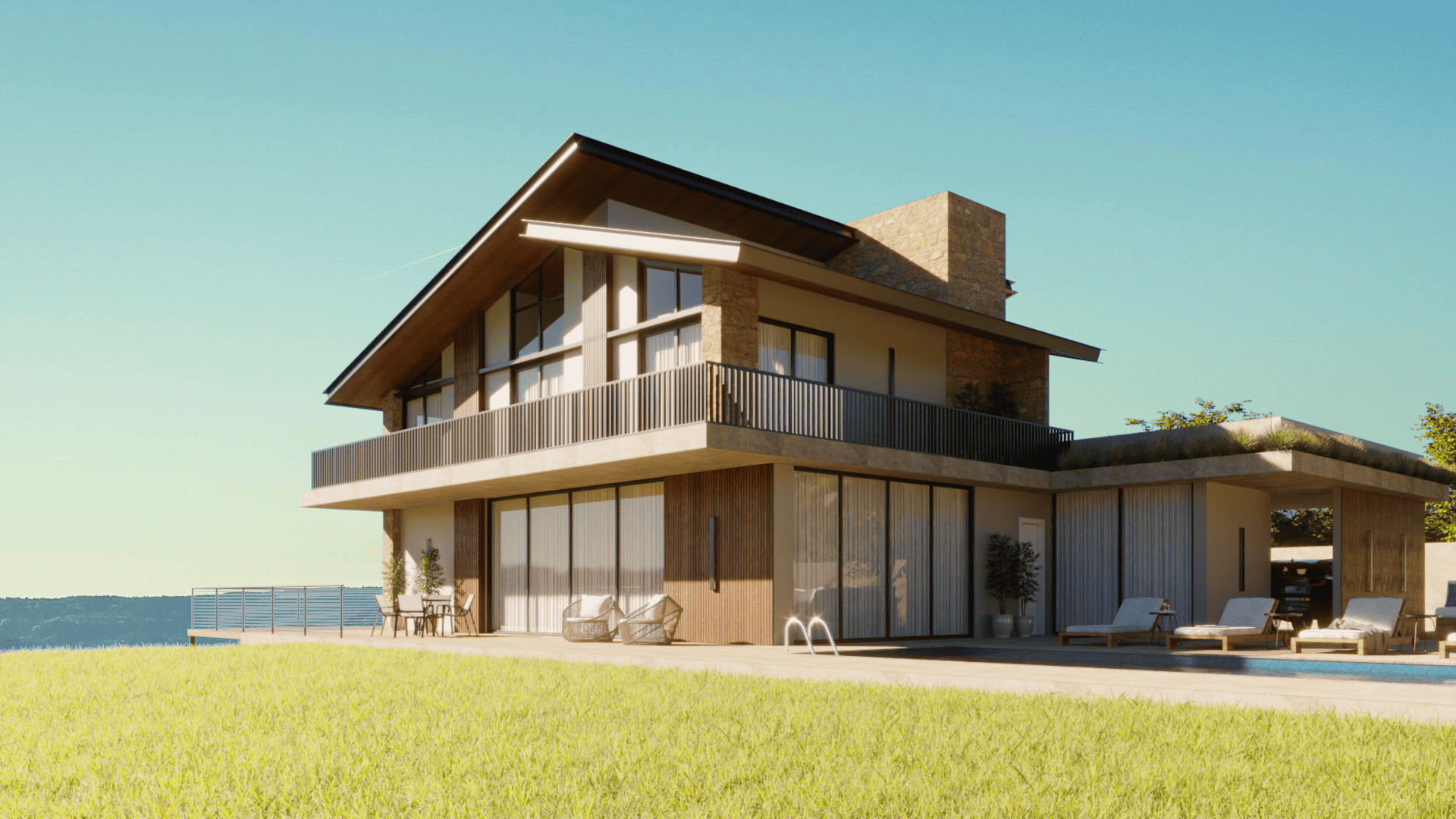
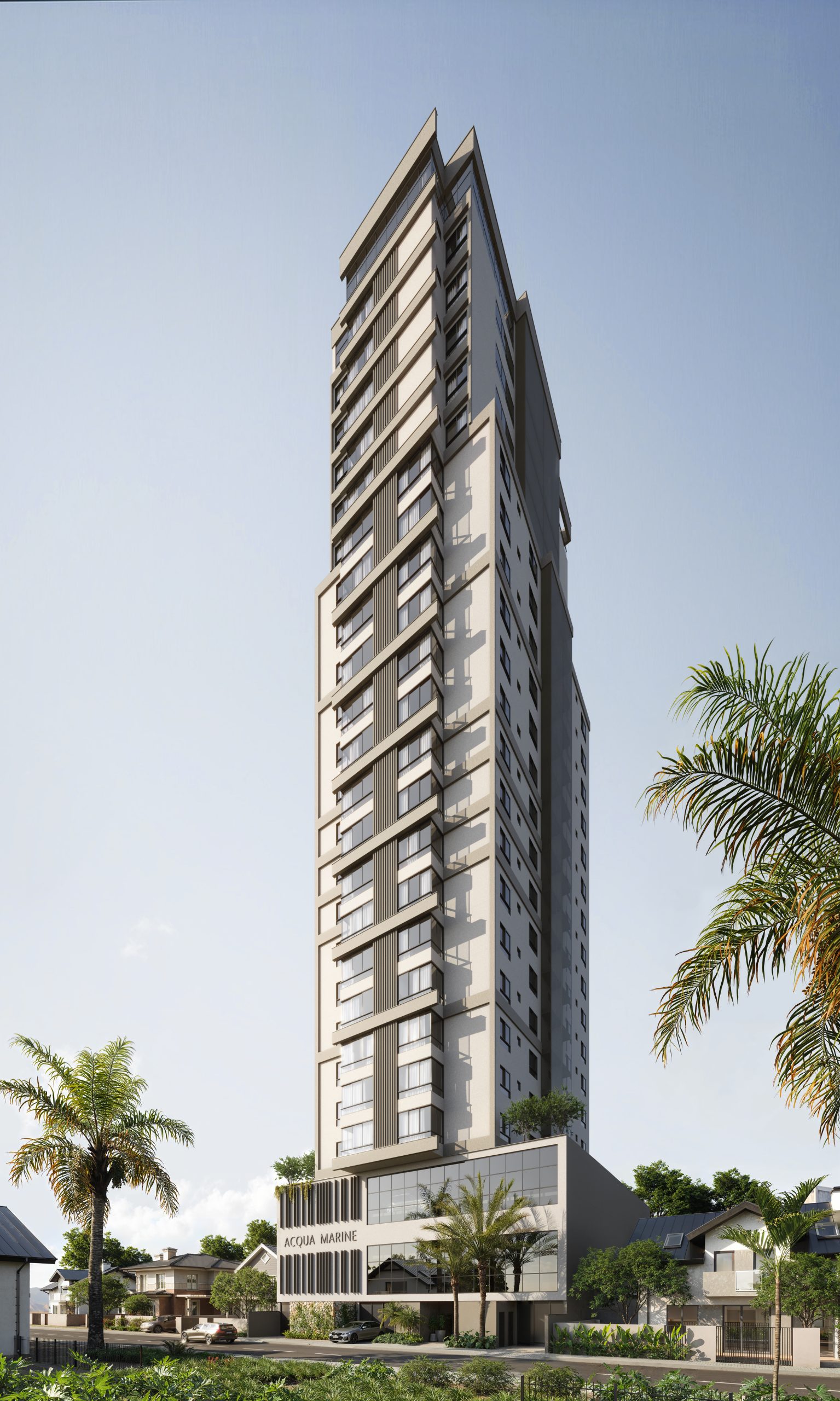
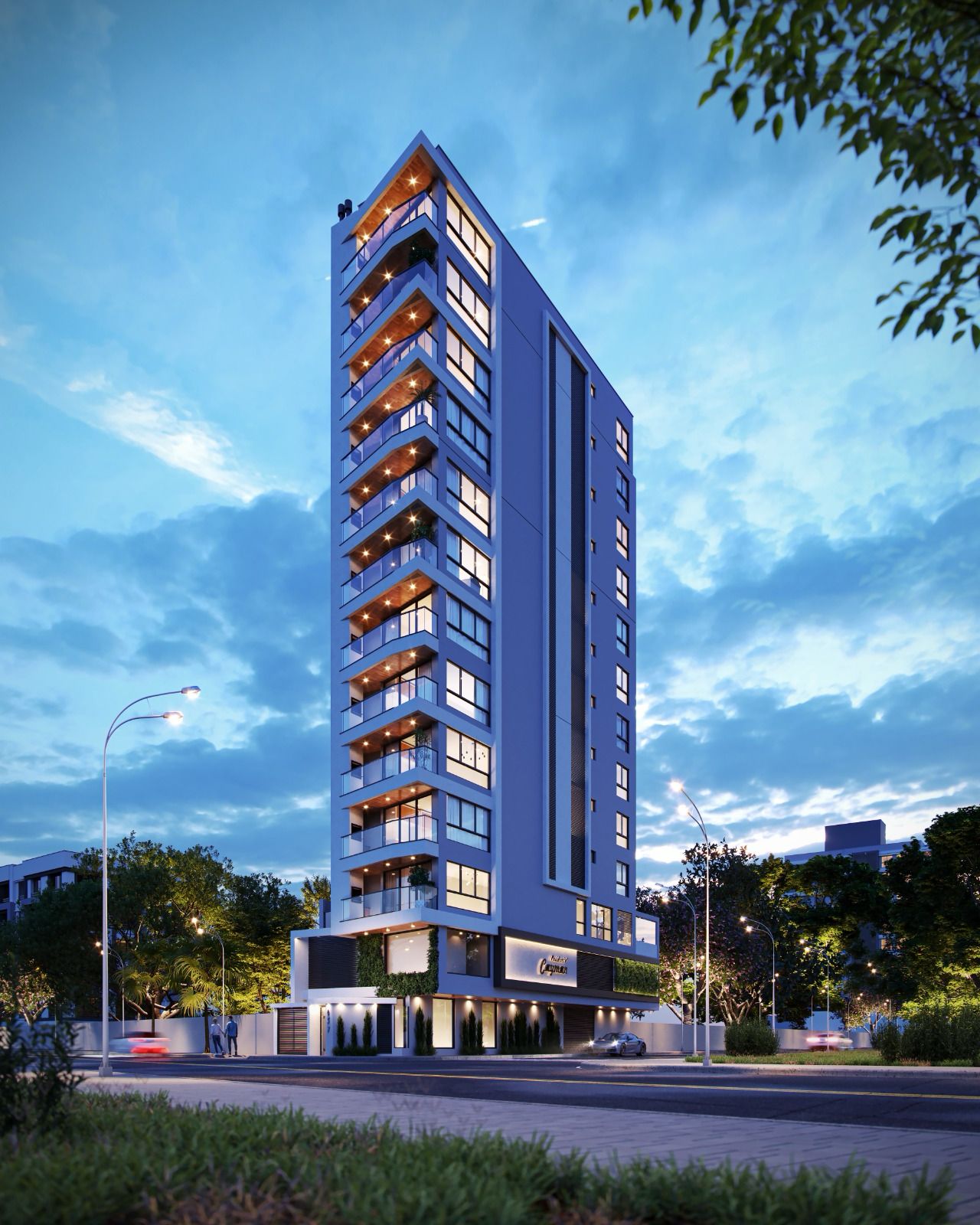
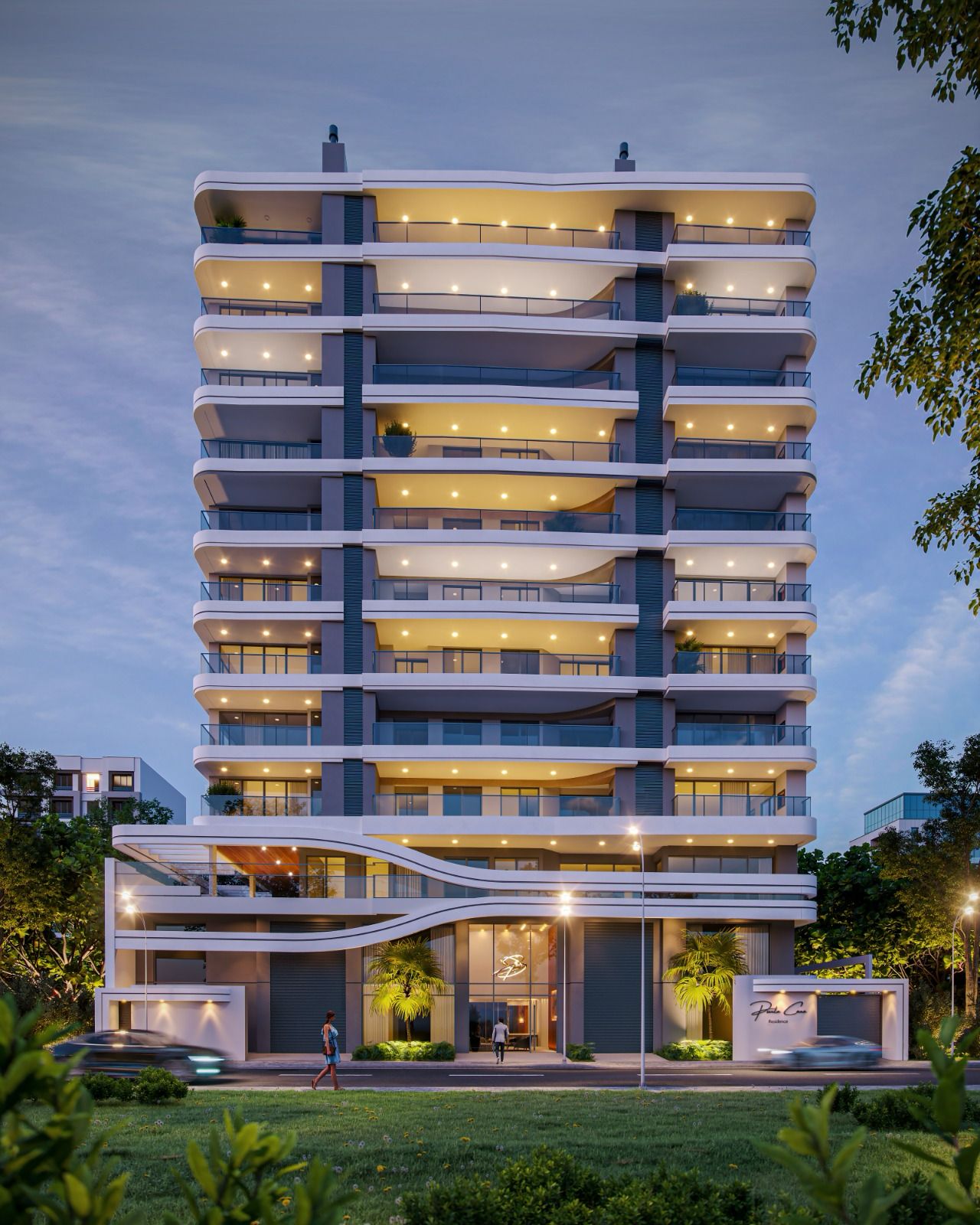
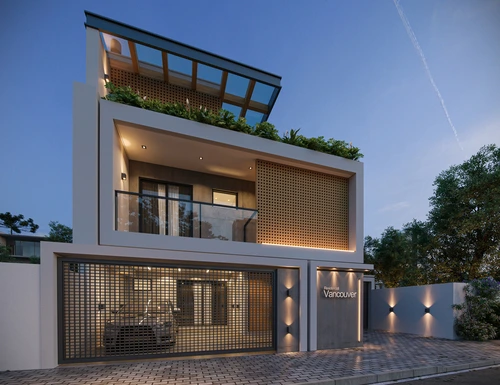
When analyzing the Saint-Sernin Basilica in Toulouse, we observe the masterful design of the Latin cross floor plan. In this way, Mathematical symmetry guided the entire construction site. Furthermore, WGB Arquitetura e Engenharia utilizes principles of Romanesque solidity in modern designs. On the other hand, we apply advanced technologies to optimize load flow. Therefore, we create environments that combine the strength of the past with the innovation of the present. Thus, we guarantee results of high visual and technical impact.
Minimalism and Robustness at WGB
Modernity demands functionality, yet structural essence remains vital. That's why we value solid elements in our high-end projects. Furthermore, the precise choice of materials defines the longevity of the construction. Consequently, every detail is executed with rigorous, cutting-edge engineering. In short, we always seek a balance between form and strength. If you wish to transform your concept into a solid building, access here To learn about our unique advantages and elevate the level of your construction project.