

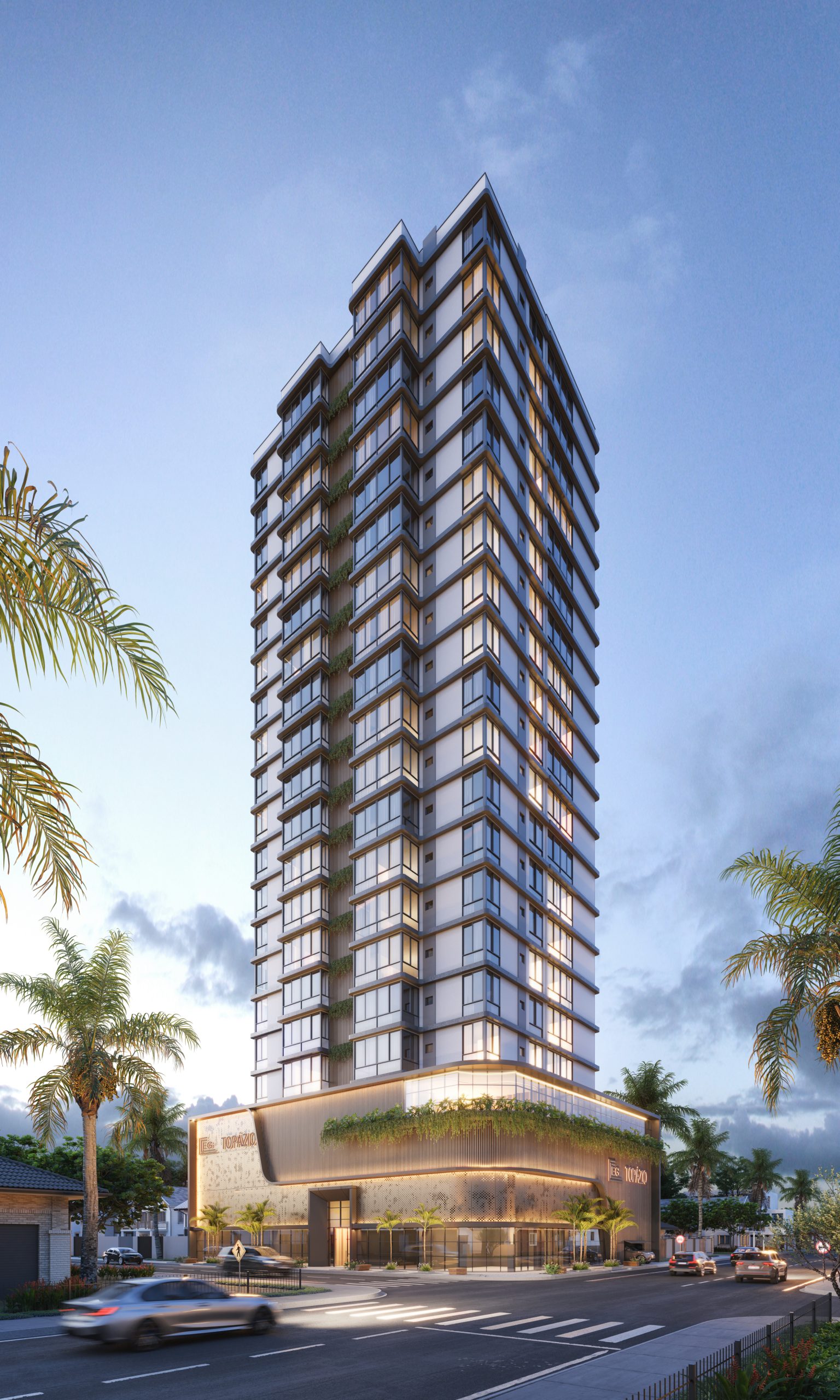
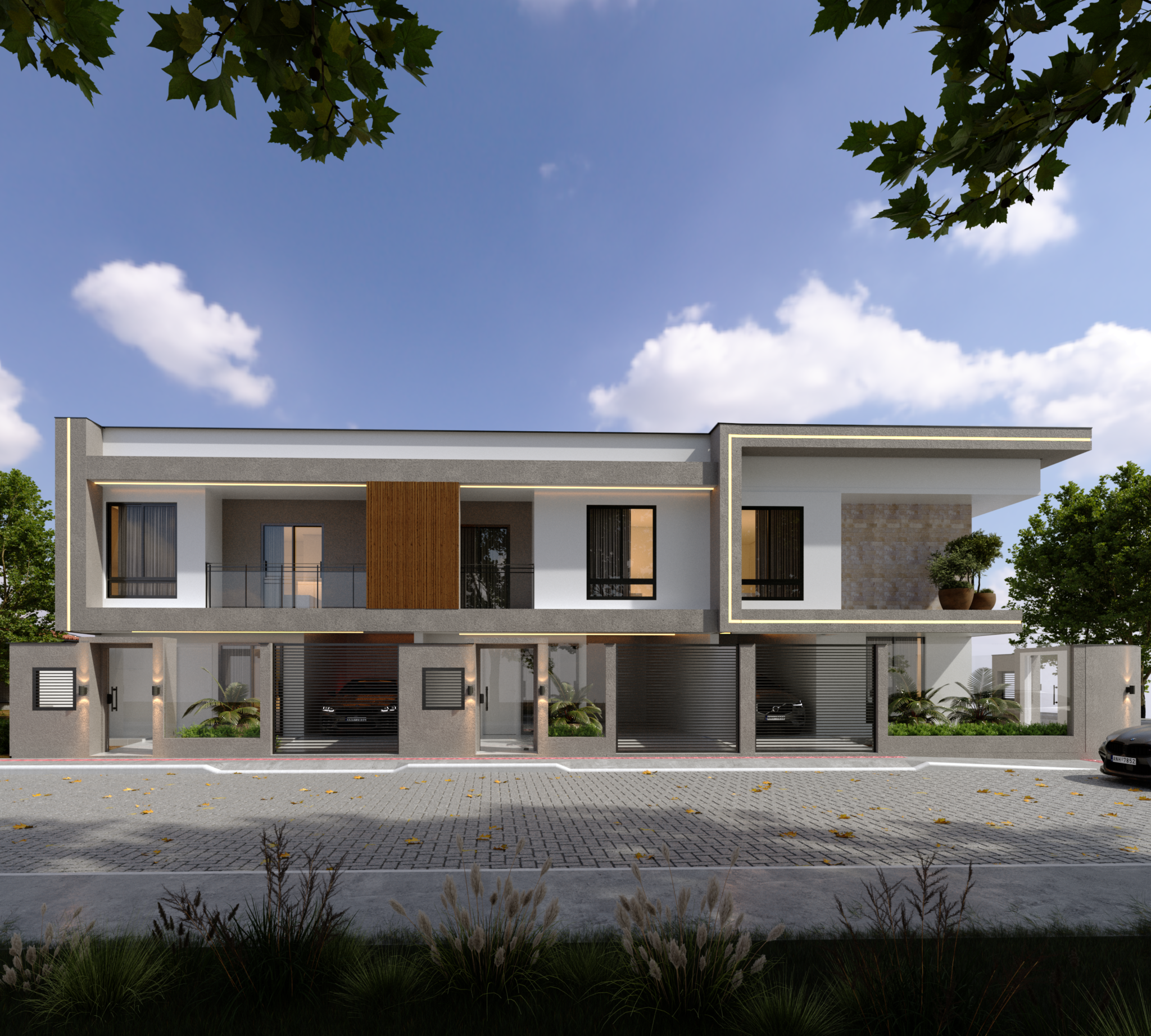
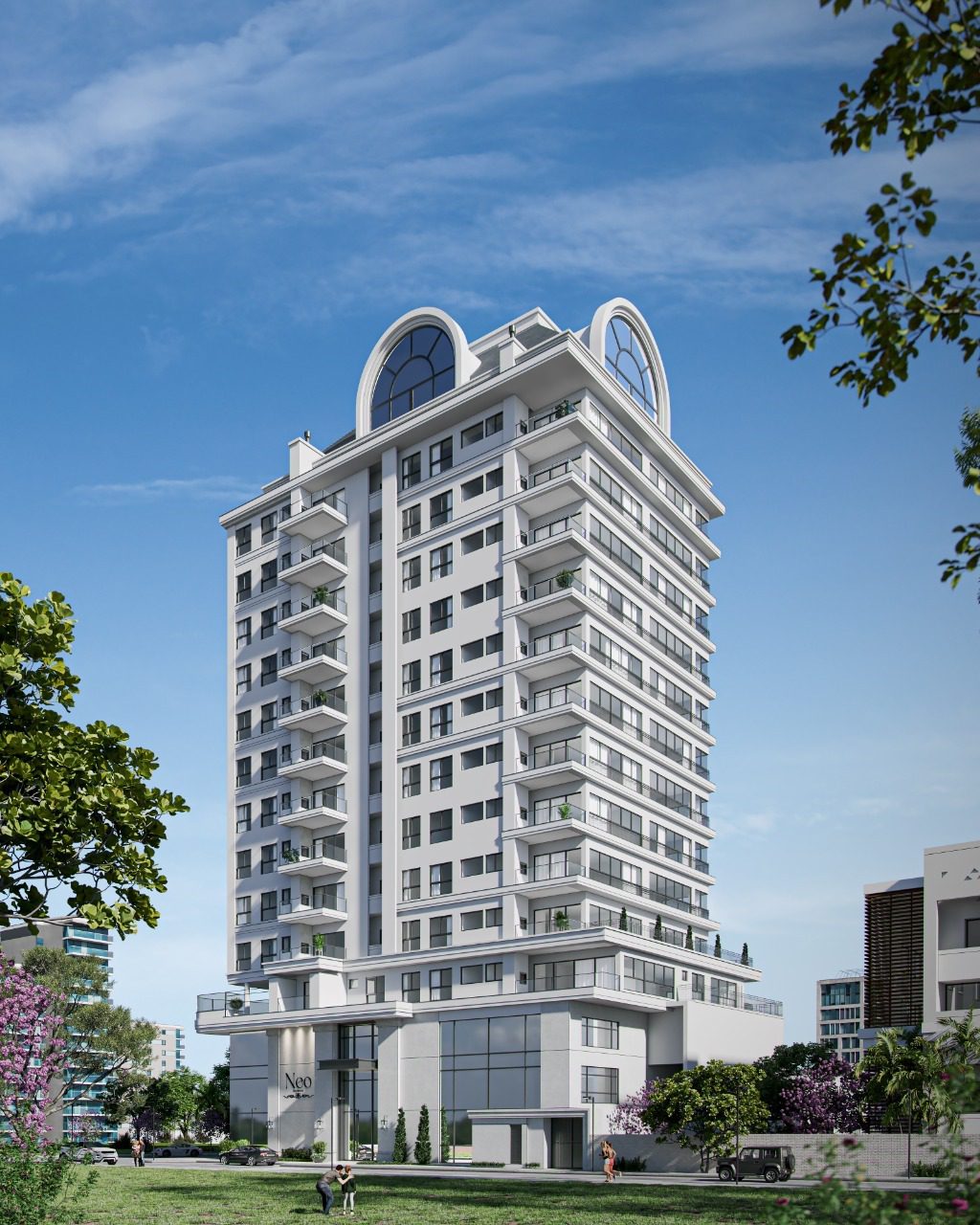
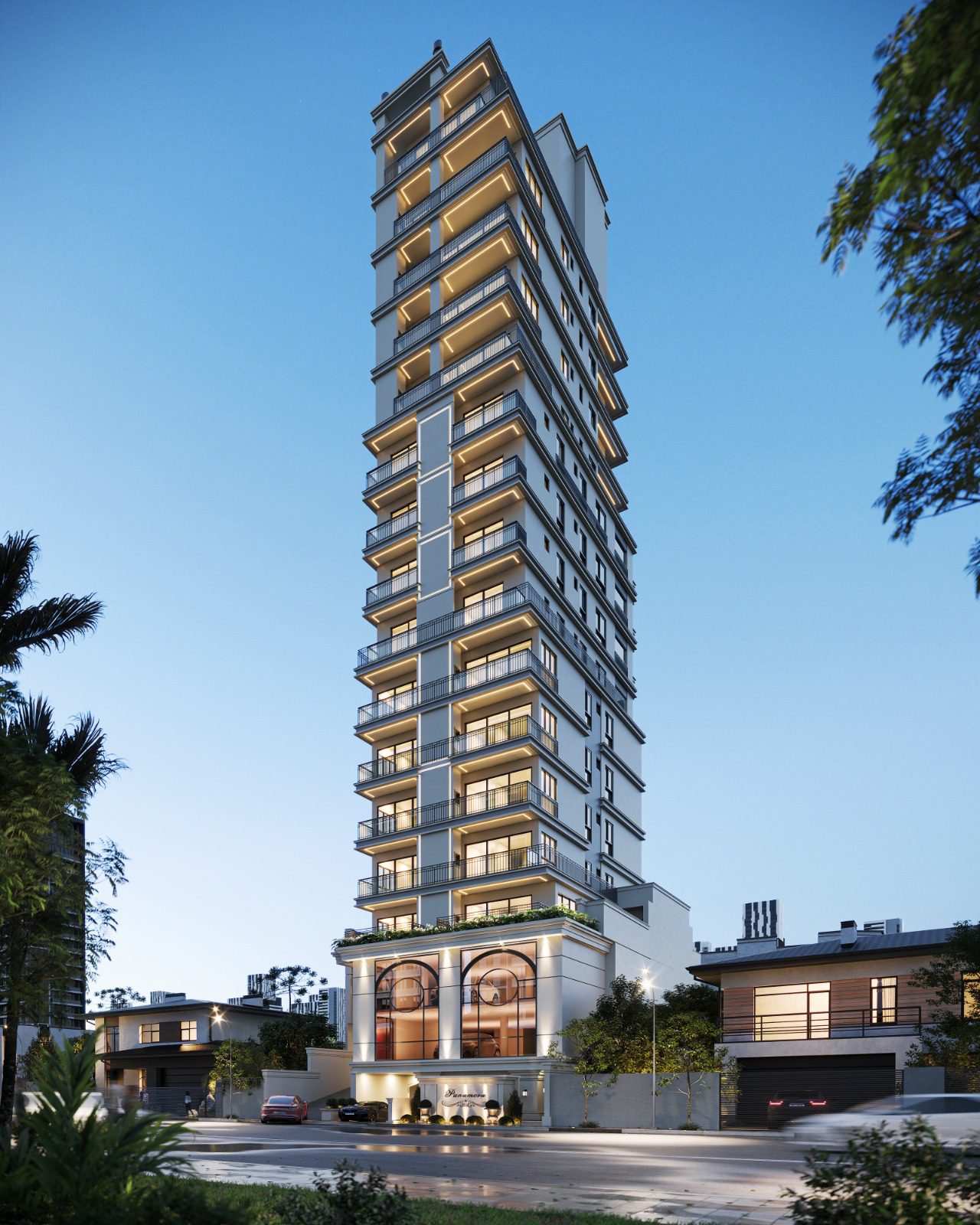
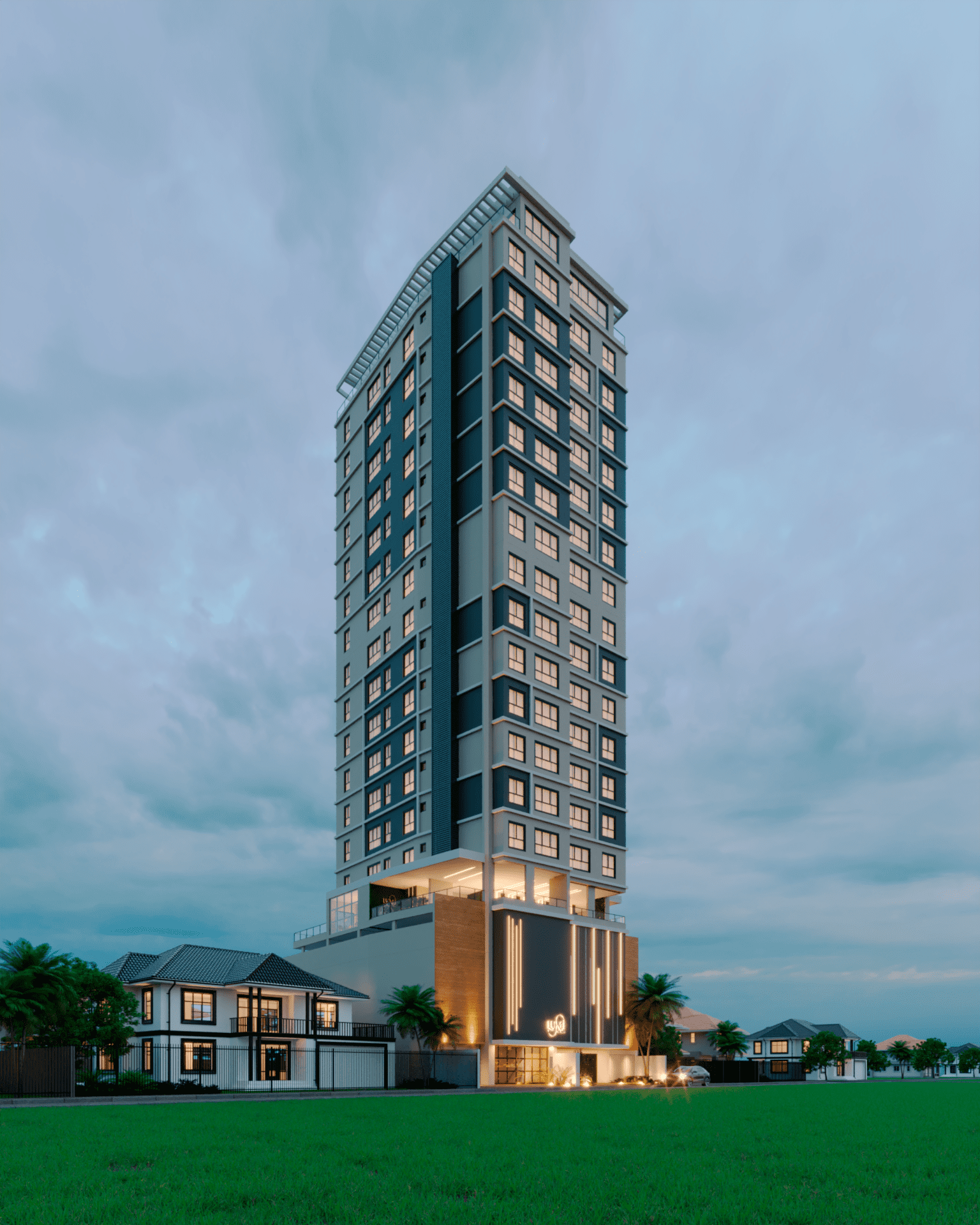
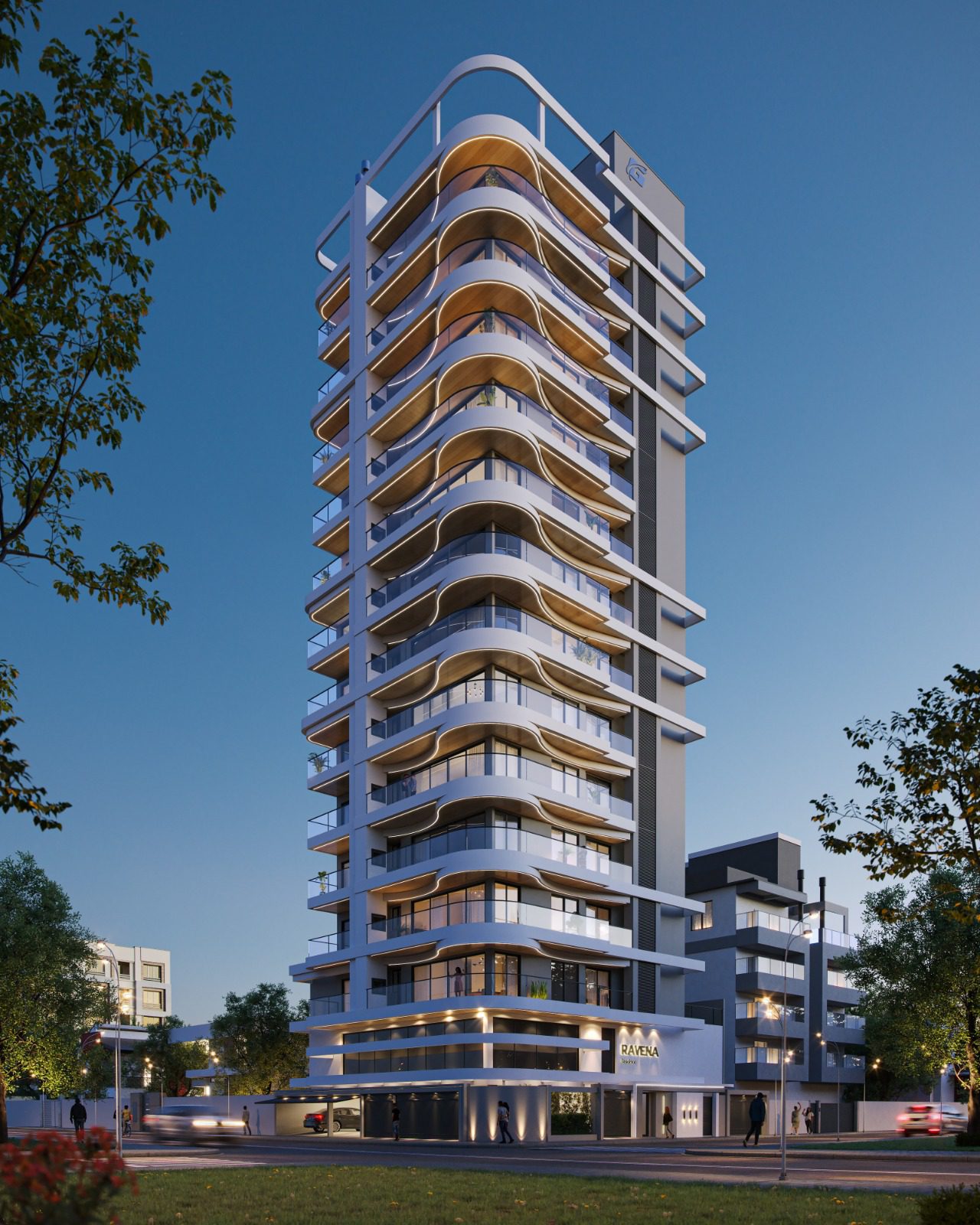
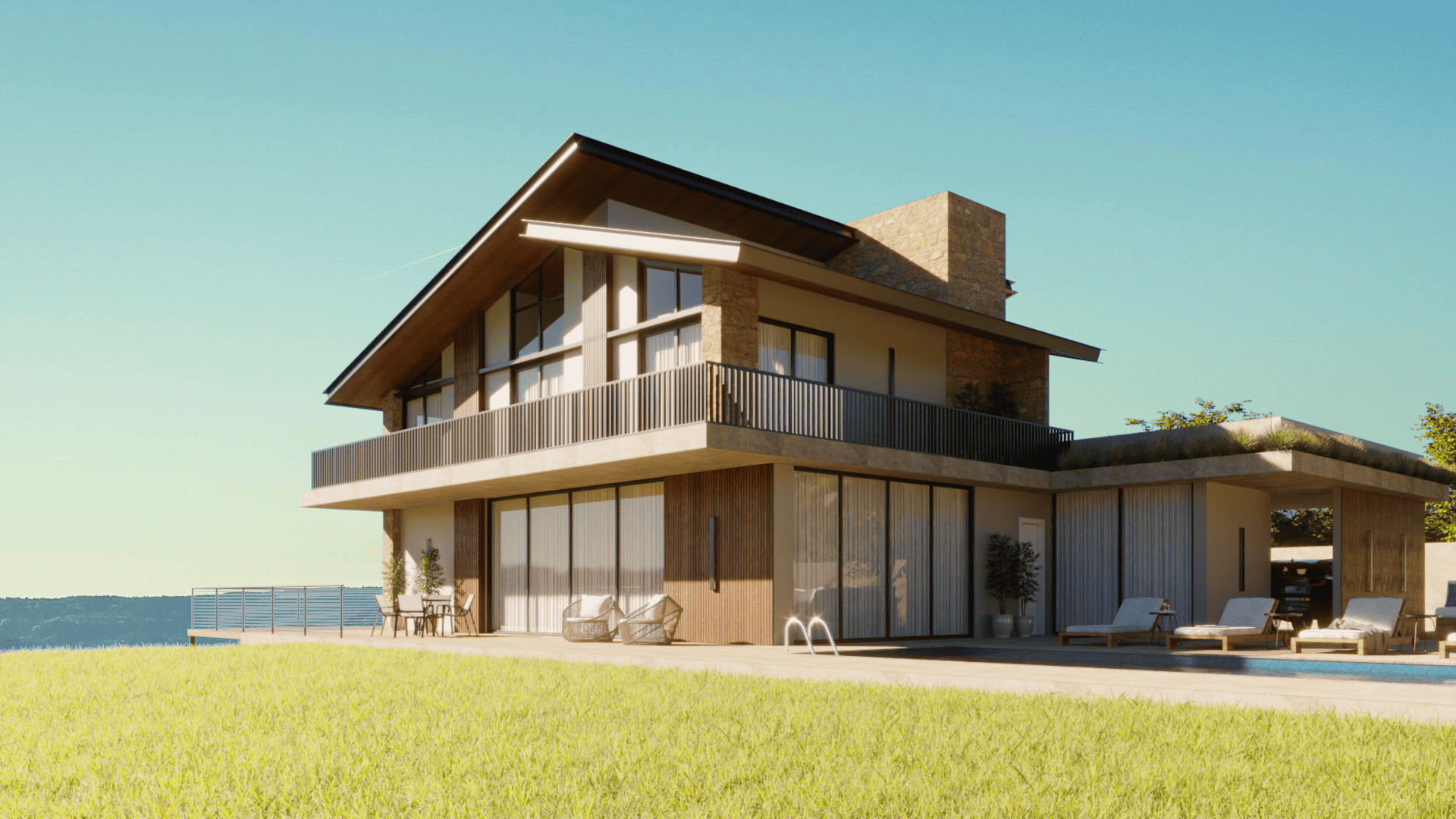
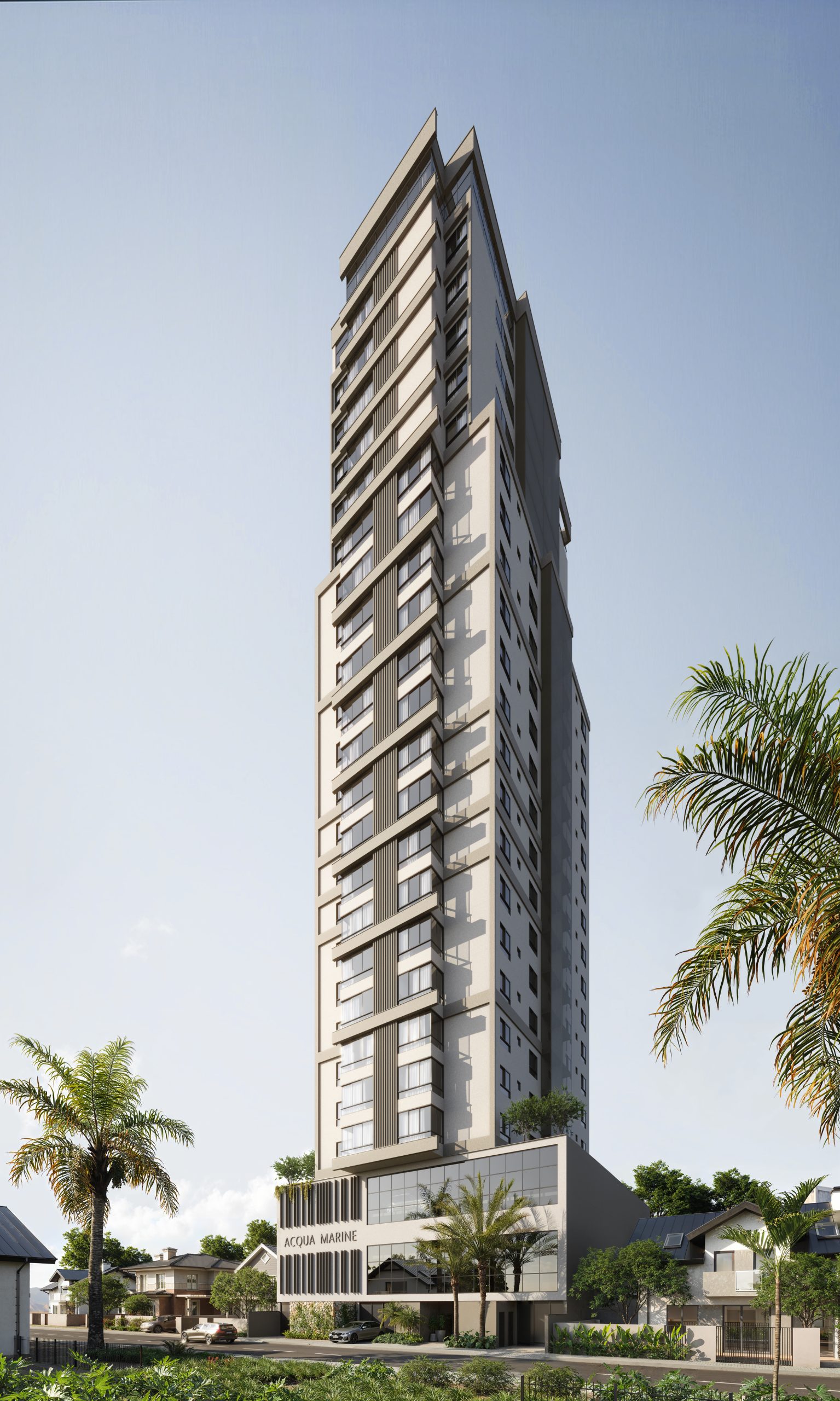
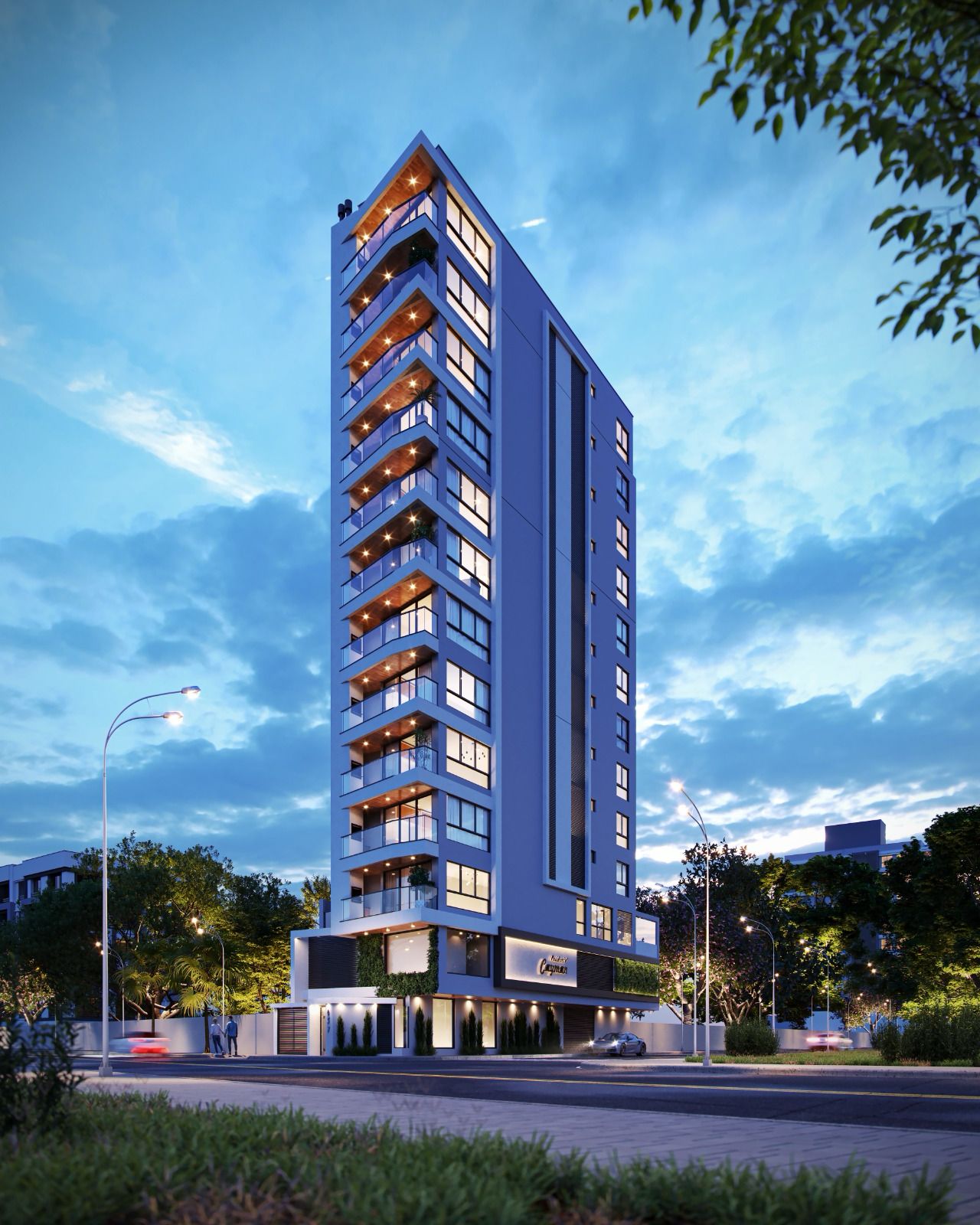
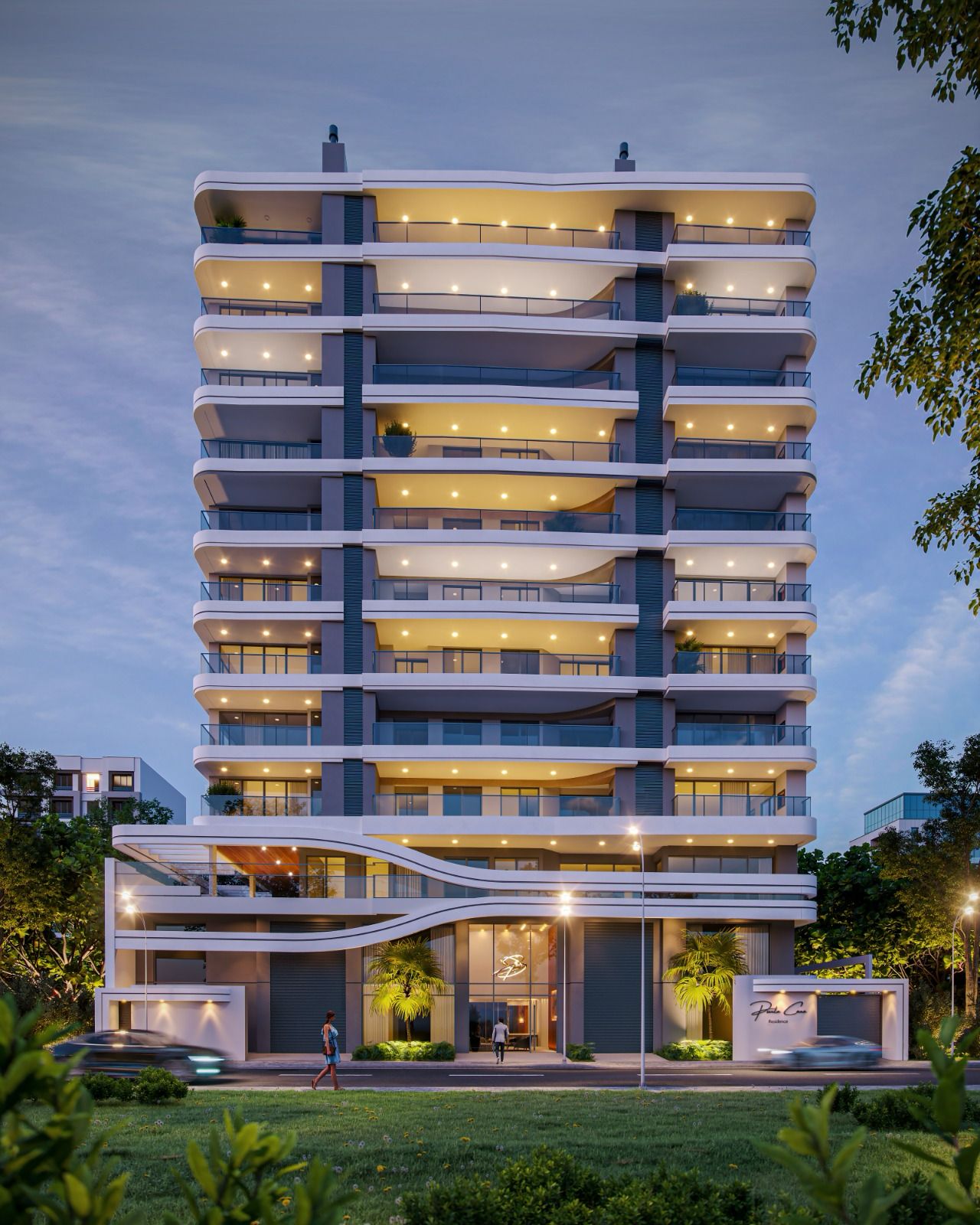
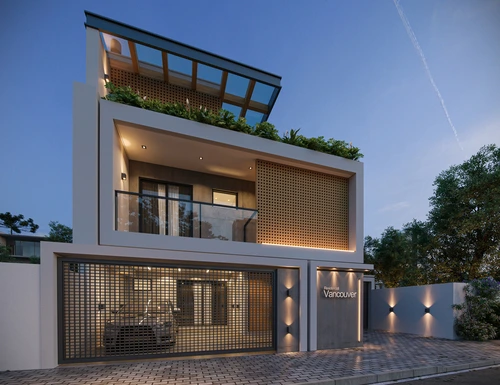
Lighting plays a fundamental role in creating functional, pleasant, and aesthetically pleasing environments. Therefore, a lighting design project is an indispensable tool for ensuring a better presentation of the space and also for enhancing the feeling of security, visual comfort, and highlighting the views.
This article will explain why this process is essential, who the professionals responsible for its execution are, and where it can be applied to improve environmental quality.
What is a lighting design project?
One lighting design project It is nothing more than a plan developed with the help of professionals specializing in the field of lighting. Its main objective is to create environments with adequate and efficient lighting, ensuring greater visibility and functionality for this natural element.
The designs can be easily used in spaces such as shops, homes, offices, museums, theaters, and any other location that needs this type of support. The design is based on a number of factors, such as the use of the space and the activities that take place there.
Furthermore, a good lighting design project also involves the selection and proper placement of all light fixtures, as well as calculating the amount of light needed, choosing the right bulbs, how the light is distributed in the space, and selecting the most suitable light sources for the location.
Project development
Developing a project like this usually involves a lengthy study of the space and all the specific needs of a client. Technical standards are also taken into account, as well as lighting design principles, to ensure everything goes according to plan.
Who is responsible for developing the lighting design project?
There are several potential parties responsible for a lighting design project. Among them are:
- ArchitectsIt is very common for some architects to possess extensive knowledge in the field of lighting, enabling them to develop lighting design projects focused on architecture. These professionals consider the integration of lighting into the overall project, taking aesthetic, technical, and functional aspects into account.;
- Lighting designersThese professionals specialize in lighting design, possessing extensive knowledge of lighting techniques and technologies. They are responsible for working in partnership with architects and other professionals to create more projects capable of meeting aesthetic and functional objectives, using different lighting techniques and their luminous effects.;
- Electrical engineersElectrical engineers have greater specialization in lighting and electrical systems. Therefore, they are often responsible for sizing and calculating electrical loads, as well as selecting the most suitable lighting devices.;
- Lighting TechniciansFinally, there are also lighting engineers, who are professionals whose knowledge is focused solely on lighting, in addition to having delved into issues related to light sources, lighting calculation techniques, lighting regulations, and technical standards.
What does a lighting design project encompass?
There are several aspects addressed by a lighting design project. Among them are:
- Environmental analysisThe professional responsible for the project will carry out a detailed analysis of the environment, based on their role, layout, the dimensions, the colors, the architectural features and the materials used;
- Light distributionNext, the project needs to define the light distribution in a given environment, identifying the light sources, their location, and the most suitable intensity;
- Lighting calculationsThe calculations are performed to determine the amount of light needed for each area of the environment, considering the activity to be carried out in the environment, as well as the required brightness and the characteristics of the space;
- Choosing lamps and light sourcesBased on the needs of the environment and the characteristics requested by the client, the lighting design project will define which lamps and light sources are most suitable for that situation;
- Lighting controlThe project will also need to take into account the mechanisms that control the lighting, such as switches, dimmers, motion sensors, or automated systems. Each of these features is responsible for adjusting the light intensity based on the needs of the space.;
- Energy efficiencyEnergy efficiency is an extremely important element that needs to be taken into consideration more and more. Within this project, solutions will be explored that will reduce energy consumption and improve the efficiency of light use.;
- Aesthetics and enhancing the spaceThe project also aims to enhance the use of space and create aesthetically pleasing environments. Therefore, through lighting techniques, both objectives can be easily achieved.;
- Standards and regulationsThe project will need to comply with the laws and regulations of the location where the lighting will be installed, which can ensure the safety and quality of the installation.
Where is lighting design applied?
There are many places where a lighting design project can be applied. The main ones are:
- BusinessesLighting is extremely important for showcasing products effectively and creating comfortable shopping environments for customers.;
- ResidencesIt creates more welcoming, functional environments with a pleasing aesthetic in a variety of areas, such as bedrooms, kitchens, and living rooms.;
- Offices and work environmentsThe work environment becomes more productive with good lighting, improving visual comfort and reducing fatigue;
- Public spacesThe lighting will be designed to ensure greater safety, guide people, and enhance the highlighting of the architectural designs.
In general, lighting design only brings advantages to the environments where it is developed. Therefore, it is important to invest in this area and, especially, in qualified professionals.