

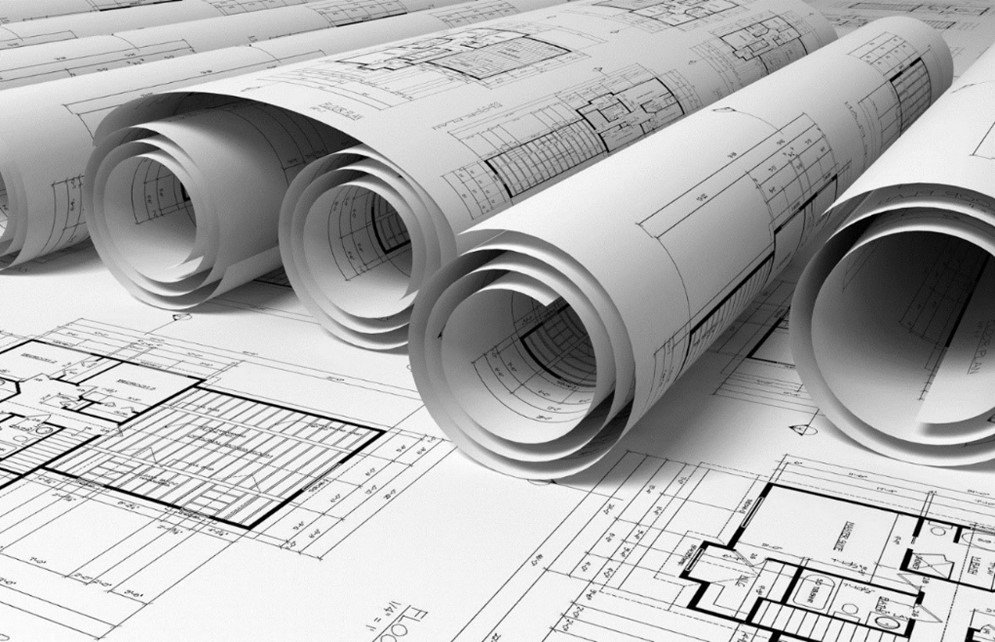
















Compatibility involves the integration and coordination of different disciplines and systems to ensure that all project components function harmoniously. This practice is essential to avoid conflicts, overlaps, and problems that may arise during project execution.
Importance of Compatibility
The importance of coordination cannot be underestimated. Firstly, it significantly contributes to cost reduction. By identifying and resolving conflicts at the planning stage, costly rework during construction is avoided. Furthermore, coordination increases efficiency, improving workflow and communication between different teams. Consequently, this results in an overall improvement in project quality, ensuring that all parts meet current quality standards and regulations. Another crucial aspect is safety. Well-coordinated projects reduce the risk of accidents and structural failures, ensuring that all systems function as planned.
Benefits of Matching
The benefits of compatibility are numerous. In terms of operational efficiency, well-integrated systems function better, with fewer operational problems. Sustainability is also improved, as well-compatible projects tend to be more efficient in their use of resources. Furthermore, customer satisfaction is increased, since reduced delays and problems result in greater satisfaction and a lower risk of litigation.
Conclusion
In summary, compatibility analysis is an essential practice in modern engineering projects. It ensures that all parts of the project integrate efficiently and effectively, resulting in more successful projects with lower costs and higher quality. Adopting appropriate tools and techniques, such as BIM, and implementing a structured compatibility analysis process are fundamental to the success of any engineering project.