



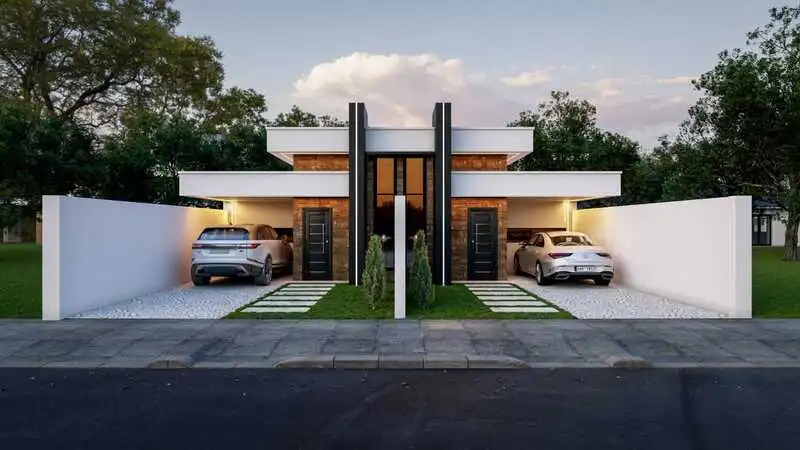


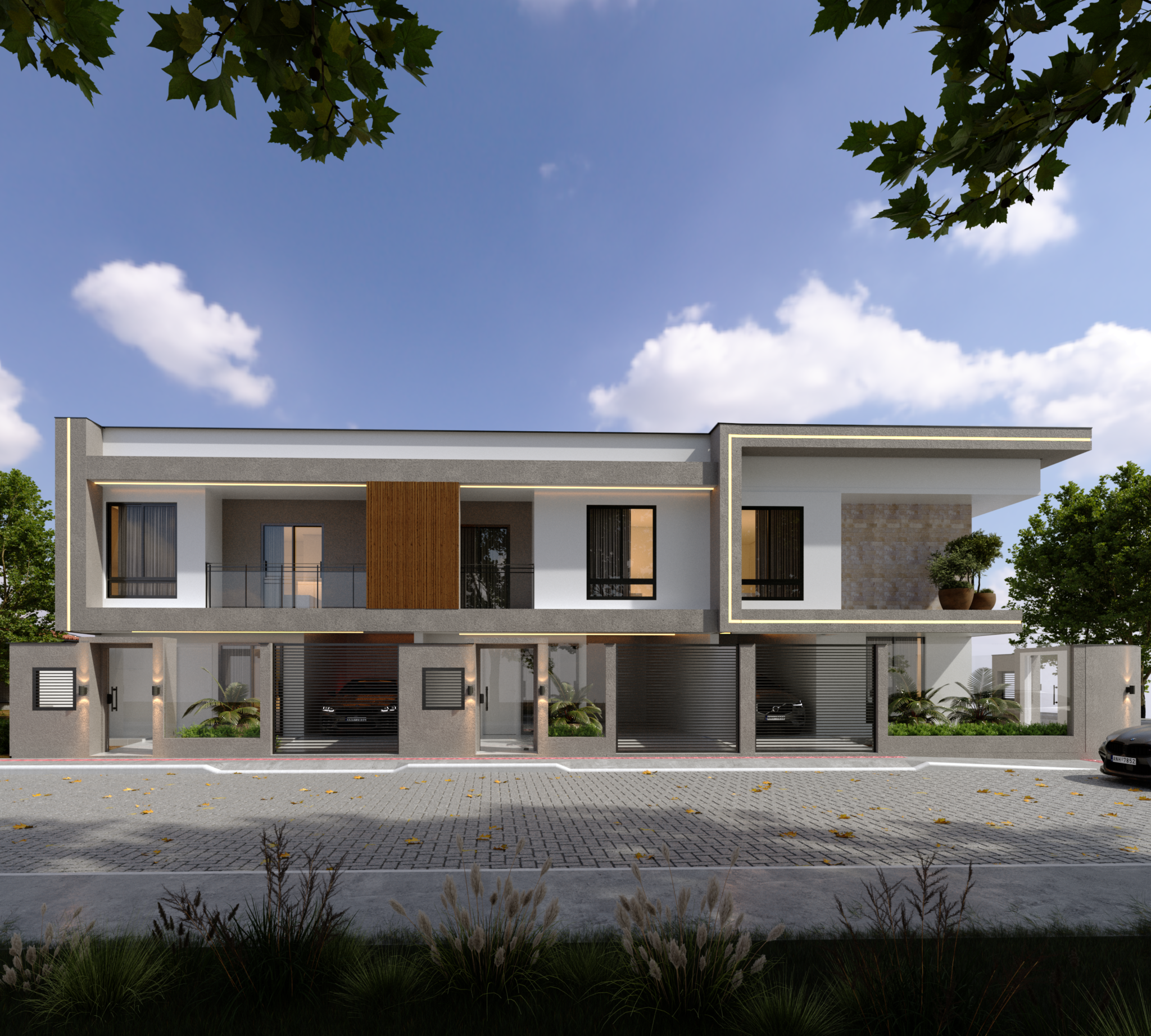
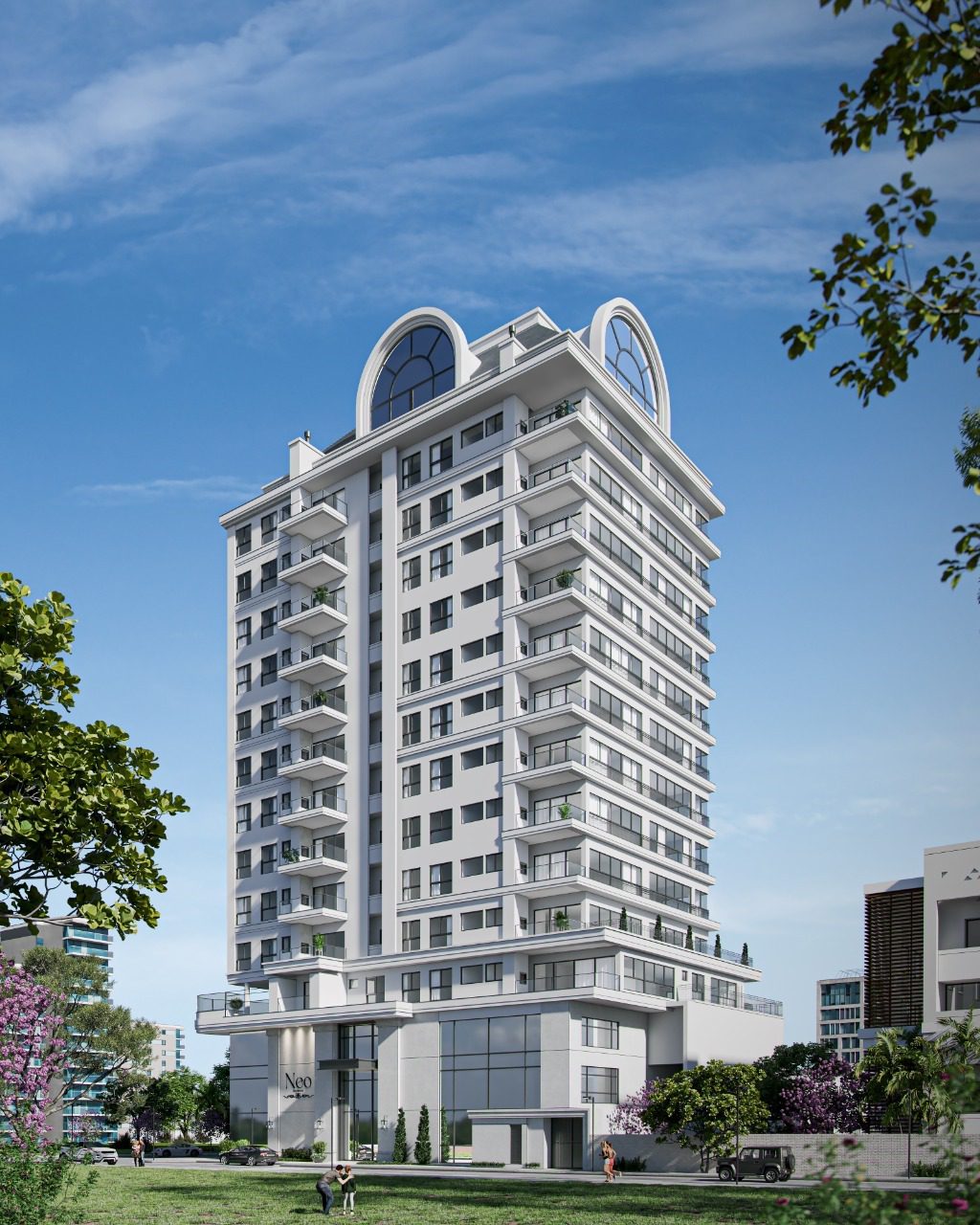
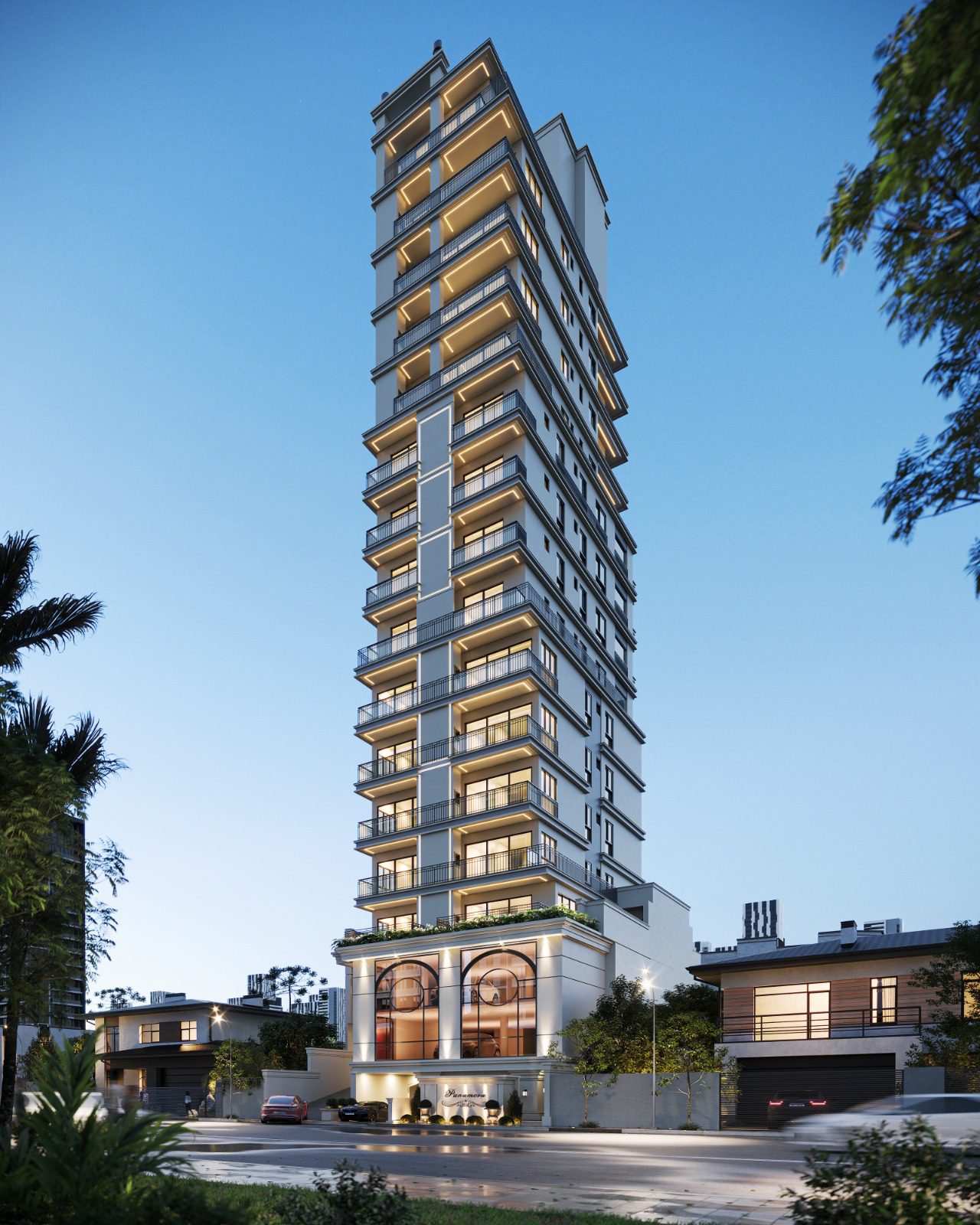
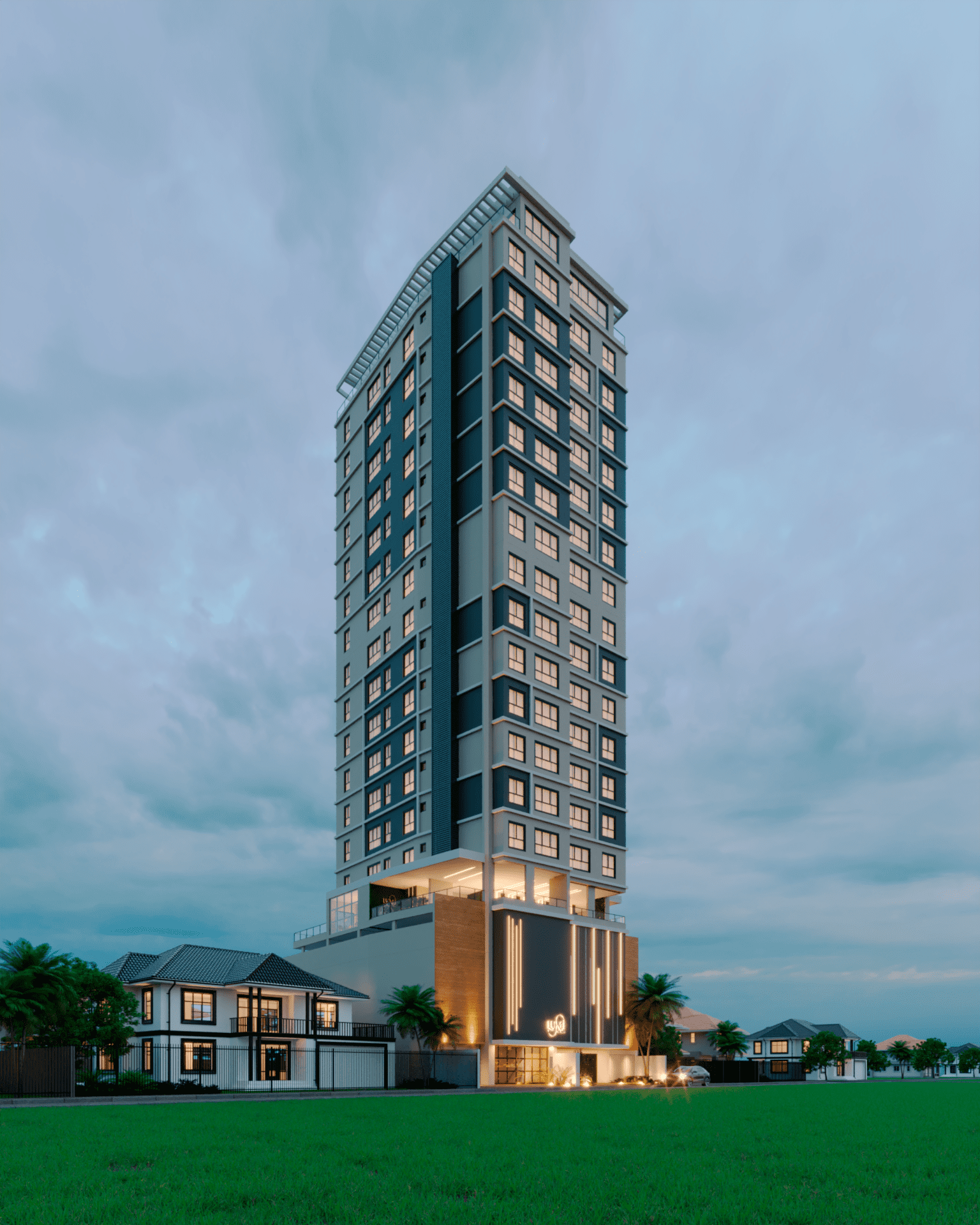
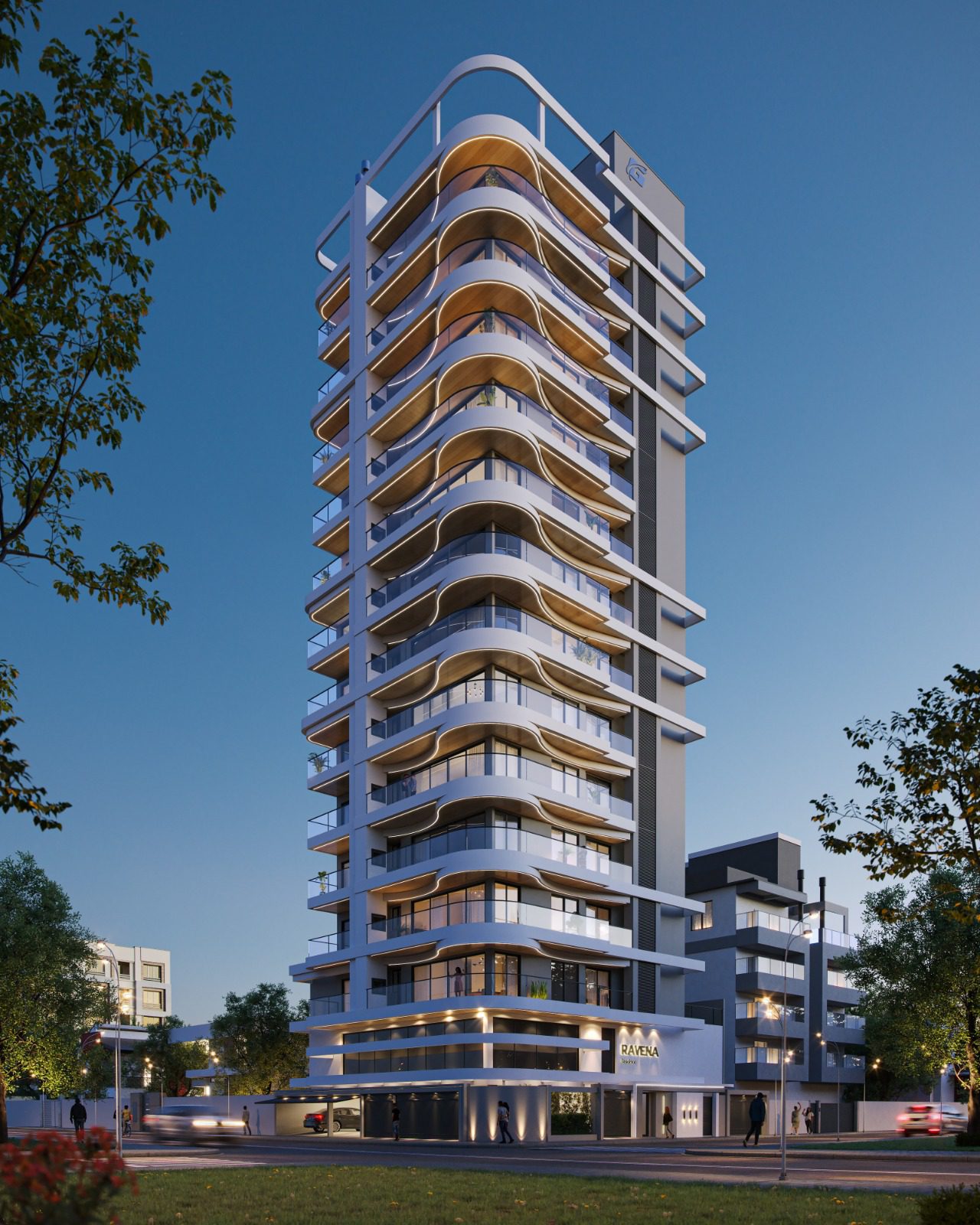


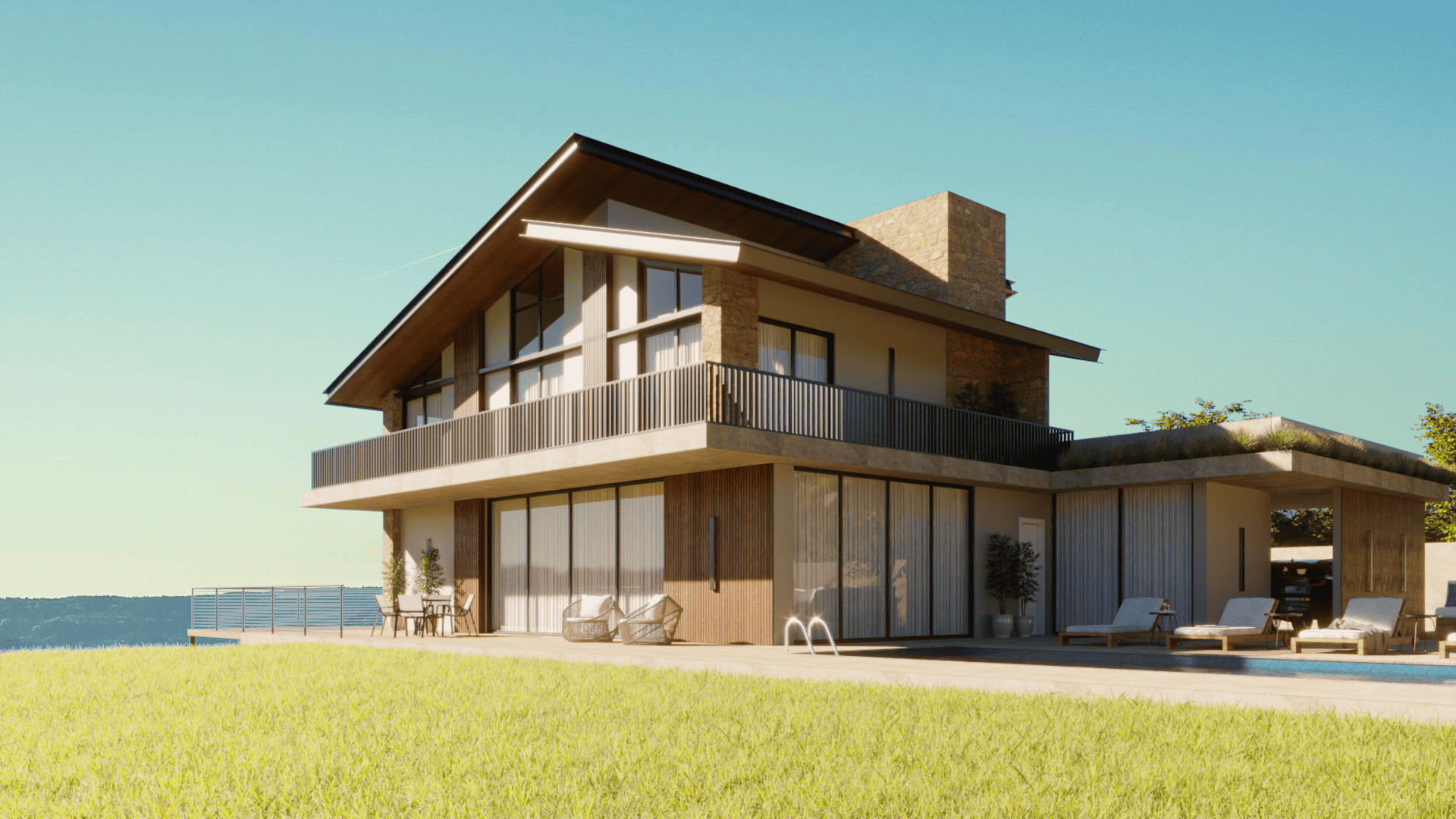


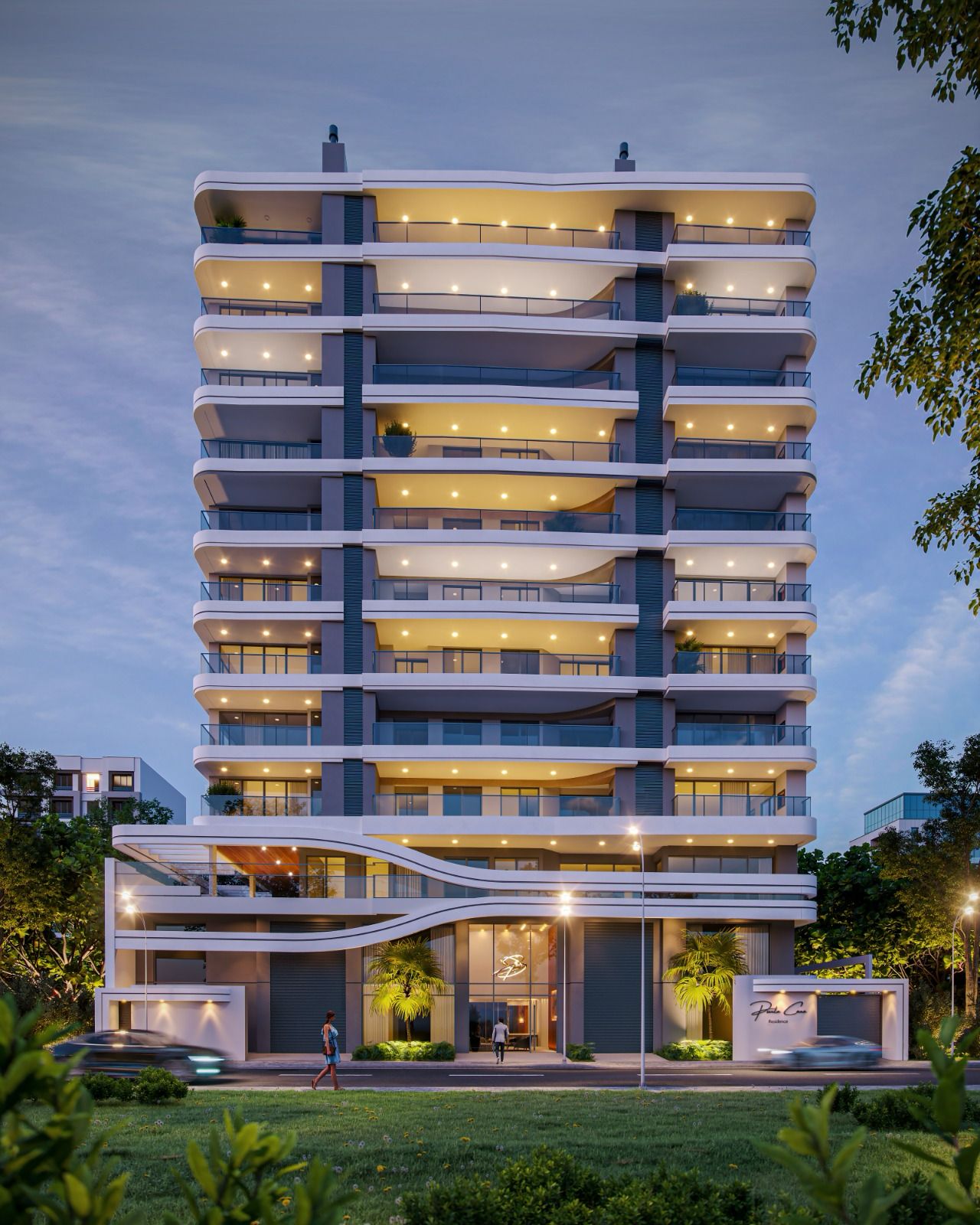
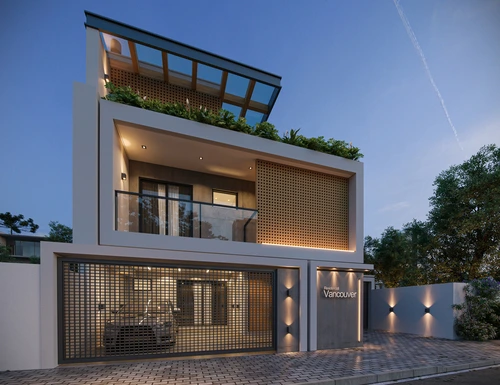
Colors play a crucial role in architecture, not only influencing the aesthetics of a space, but also shaping the emotions and behaviors of the people who inhabit it. Used strategically, colors can transform spaces, improving the well-being of occupants and creating harmonious and functional environments.
Warm Colors: Stimulation and Energy
Warm colors, such as red, orange, and yellow, are known for creating energetic and stimulating environments. These colors are ideal for areas where interaction and activity are desired, such as living rooms, kitchens, and social spaces. For example, a red wall in a dining room can stimulate conversation and appetite. However, excessive use of warm colors can cause restlessness and stress. Therefore, it is important to balance them with neutral tones to maintain a harmonious environment.
Cool Colors: Calm and Concentration
On the other hand, cool colors, such as blue, green, and violet, have a calming and relaxing effect. They are perfect for bedrooms, offices, and rest areas, promoting tranquility and concentration. A bedroom painted light blue can help reduce stress and improve sleep quality. When creating a work environment, the use of green can increase concentration and productivity, making it a popular choice for offices and study rooms.
Neutral Tones: Versatility and Spaciousness
They enhance the feeling of space and light, providing a neutral backdrop that can be complemented by more vibrant colors in furniture and decor. A room with white walls can appear larger and more airy, while a touch of gray can add sophistication and modernity to the space.
Perception of Space: Light and Proportion
In addition to influencing emotions, colors also affect the perception of space. Light colors can make a room seem larger and brighter, creating a feeling of openness and freshness. In contrast, dark colors tend to create a feeling of intimacy and coziness, making them ideal for spaces that aim to provide comfort and privacy, such as libraries and home theaters.
Conclusion
The impact of color in architecture goes beyond mere decoration; colors are powerful tools for shaping human experience and behavior within built spaces. With careful and strategic selection, colors can transform environments, improving the well-being of occupants and contributing to the creation of harmonious and functional spaces.